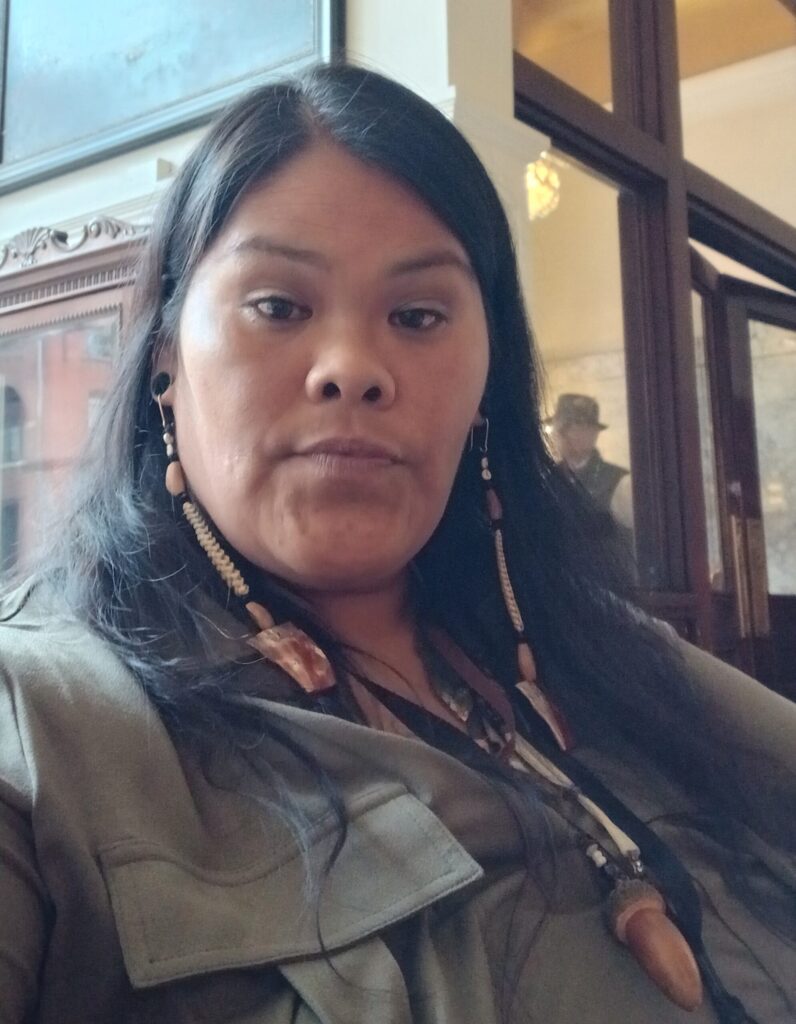
 Jessica Brown, Elem Indian Colony
Knowledge Field: Tribal Ethnobotanist/TEK Practitioner
Brown will work at the intersection of Traditional Ecological Knowledge (TEK) and Western science to support land, water, and plant stewardship. As a tribal ethnobotanist, TEK practitioner, and monitoring biologist, her work will include monitoring ecosystem health, documenting culturally important plant species, supporting restoration efforts, and sharing knowledge through community-based education. The fellowship allows her to strengthen relationships between science and culture, ensure that management decisions reflect Indigenous knowledge, and help protect ecosystems in ways that honor both tradition and future generations.
What does being selected for the Luce Indigenous Knowledge Fellowship mean to you?
Being selected for this fellowship is both an honor and a responsibility. It affirms the value of tribal knowledge, lived experience, and science working together. This fellowship means having the space and support to uplift Traditional Ecological Knowledge alongside Western science, to protect our lands, waters, and plant relatives, and to ensure that future generations inherit both healthy ecosystems and the teachings that guide how to care for them. It represents a commitment to community, culture, and stewardship—and a chance to give back in a way that honors those who taught me before and those who will come after.
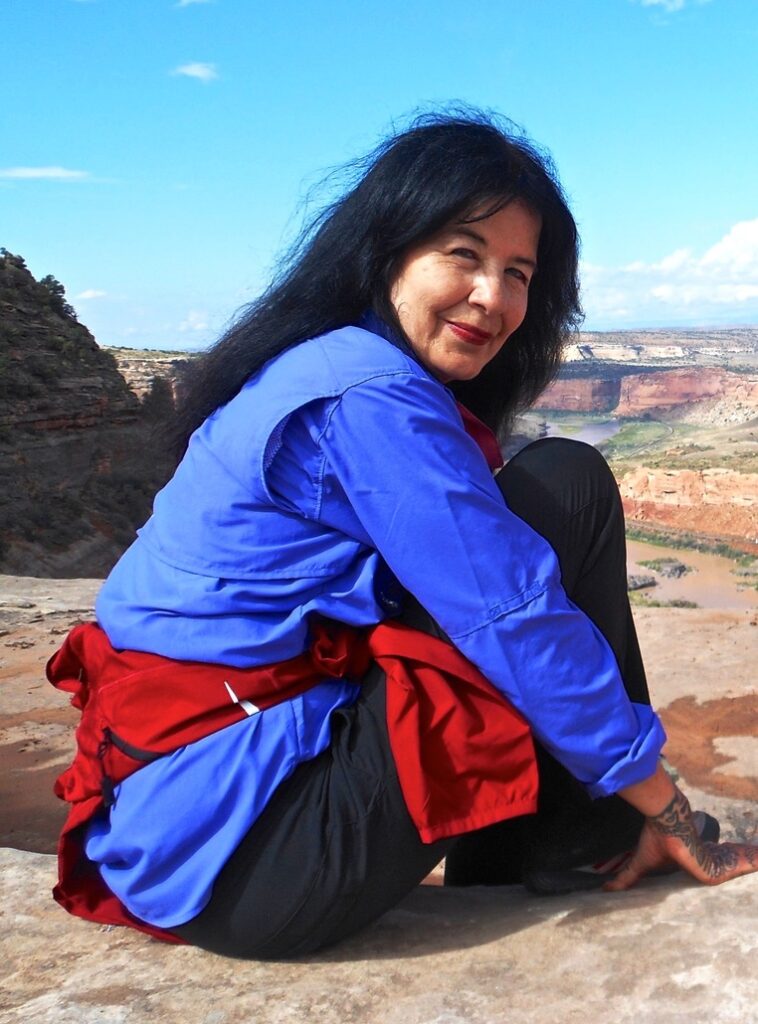 Joy Harjo-Sapulpa, Mvskoke Nation/Oce Vpofv Ceremonial Grounds
Knowledge Field: Poet, writer, musician, and artist
Harjo-Sapulpa will work with community members and youth to interview culture bearers who are artists, whose art is centered in Mvskoke values and aesthetics. These interviews will be in different formats, available to the community and families, and used especially in curricula for education on the reservation. These interviews might be collected into a book for further community use.
What does being selected for the Luce Indigenous Knowledge Fellowship mean to you?
This fellowship is such an honor because it’s about community and community support. I would not be who I am without the genealogy of those who made their stand against improbable odds, who spoke, who made music, who painted, who taught, who cooked, who took care of the culture by going underground when it was unlawful to be Mvskoke. This fellowship will help me bring these stories forward to nourish those who follow in our footsteps.
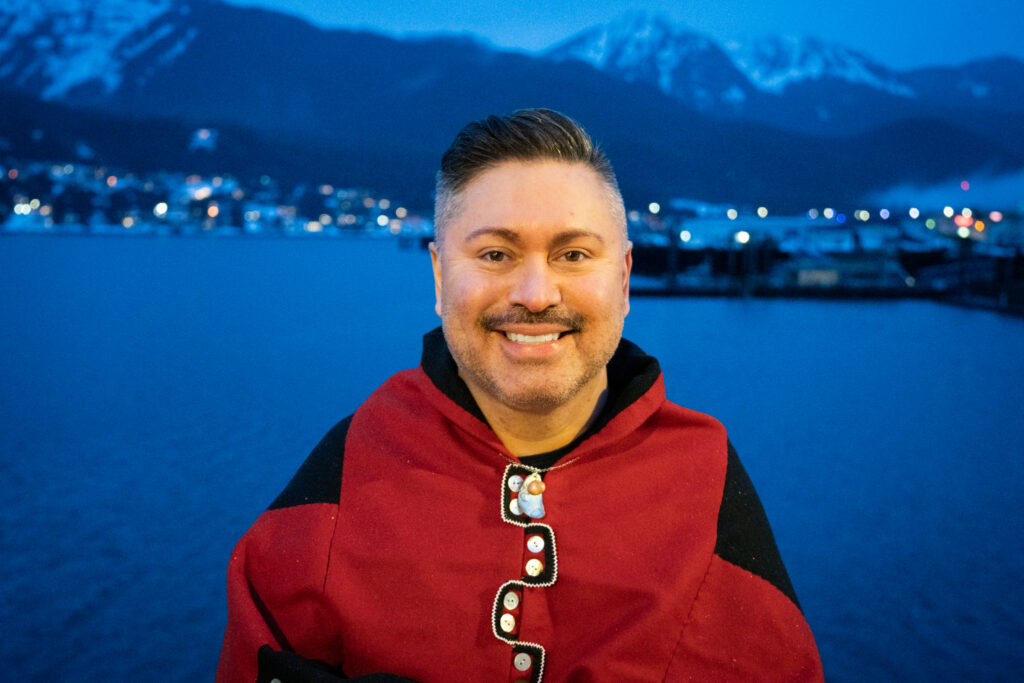 Lduteen Jerrick Hope-Lang, Tlingit and Tsimshian
Knowledge Field: Landback and cultural reclamation activist
Hope-Lang will focus on restoration, revitalization, regeneration, repatriation, and reparations. His intent is to be on the path to healing and rebuild stolen generational wealth one clan house at a time. He seeks to challenge historic preservation models to allow for preservation in ways that feel aligned with lived experience and the experiences of Native people nationwide.
What does being selected for the Luce Indigenous Knowledge Fellowship mean to you?
It validates the work I’ve done and the work I have ahead of me. Focusing on non-colonial landmarks to center ourselves and decolonizing these spaces, while working in Western constructs and law takes knowledge of what is happening more broadly in Indian country. Preservation models and cultural continuity look different geographically. Changing the narrative as a collective can give us the power and expression to preserve what is sacred to us, and also places us in present-day. Also, LANDBACK!
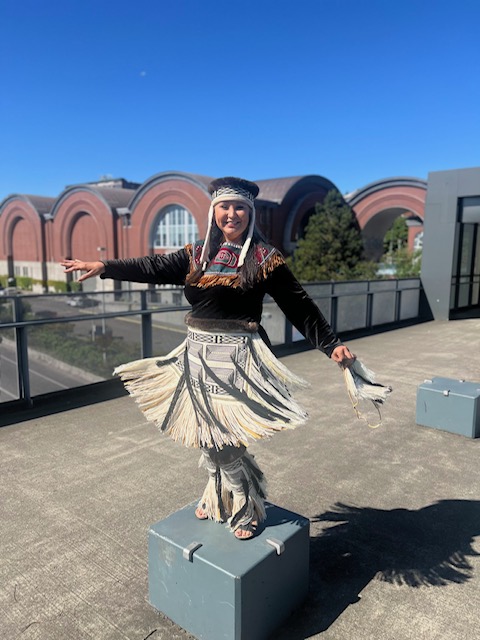 Shaadootlaa Iyall, Tlingit
Knowledge Field: Tlingit teaching artist
Iyall will dedicate her time to nurturing Tlingit cultural arts, carrying ancestral knowledge forward through teaching, mentorship, and hands-on creation. She will weave together Raven’s Tail and Chilkat practices, regalia beadwork, and cultural traditions with contemporary learning, creating living pathways for her community to connect with its heritage. Through workshops, virtual classes, and digital resources, she will share ancestral ways, fostering healing, creativity, and intergenerational connection across urban and remote Native communities. This work honors ancestors, strengthens cultural identity, and ensures that the teachings, stories, and artistry continue to thrive for generations to come.
What does being selected for the Luce Indigenous Knowledge Fellowship mean to you?
Being selected for the Luce Indigenous Knowledge Fellowship is a beautiful honor. It’s as if the hands of my ancestors rest gently on my shoulders, guiding me forward and affirming the path they entrusted to me. This fellowship offers the sacred gift of time to mentor, teach, and carefully pass ancestral ways forward, ensuring they endure and thrive for generations to come. I step onto this path humbled, grateful, and devoted, committed to serving our people, our language, and our art.
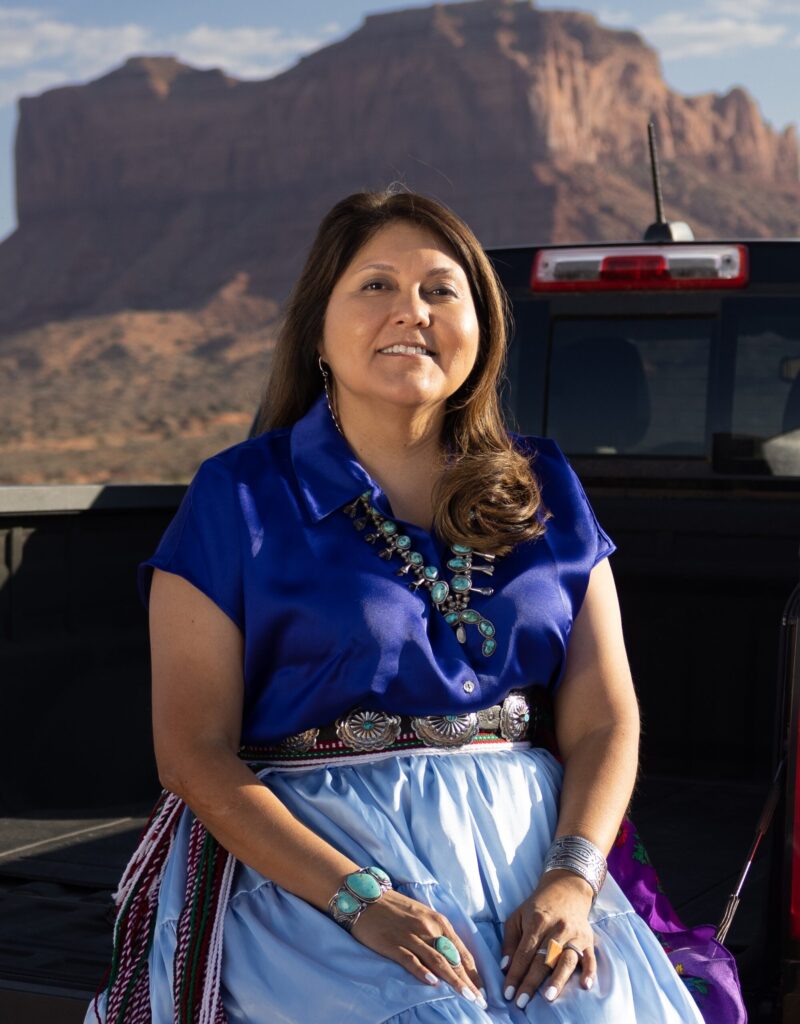
Jaynie Parrish, Navajo Nation
Knowledge Field: Community organizer and civics educator
Parrish will work with partners to help build a more permanent civic framework in Arizona that helps communities understand the nature of their political power and agency. This work will also strengthen intergenerational organizing efforts, build trust, increase civic participation, and amplify the stories of culture-keepers, especially elders and youth.
What does being selected for the Luce Indigenous Knowledge Fellowship mean to you?
The Luce Indigenous Knowledge Fellowship expands my work so that more of our communities will be able to better participate in our democracy, especially now. It means that what my elders and mentors taught me will be passed onto others and that their advice and wisdom will live and be practiced. The fellowship will honor the generations of matriarchs and organizers who fought for us and will help carry forward their advocacy and values.
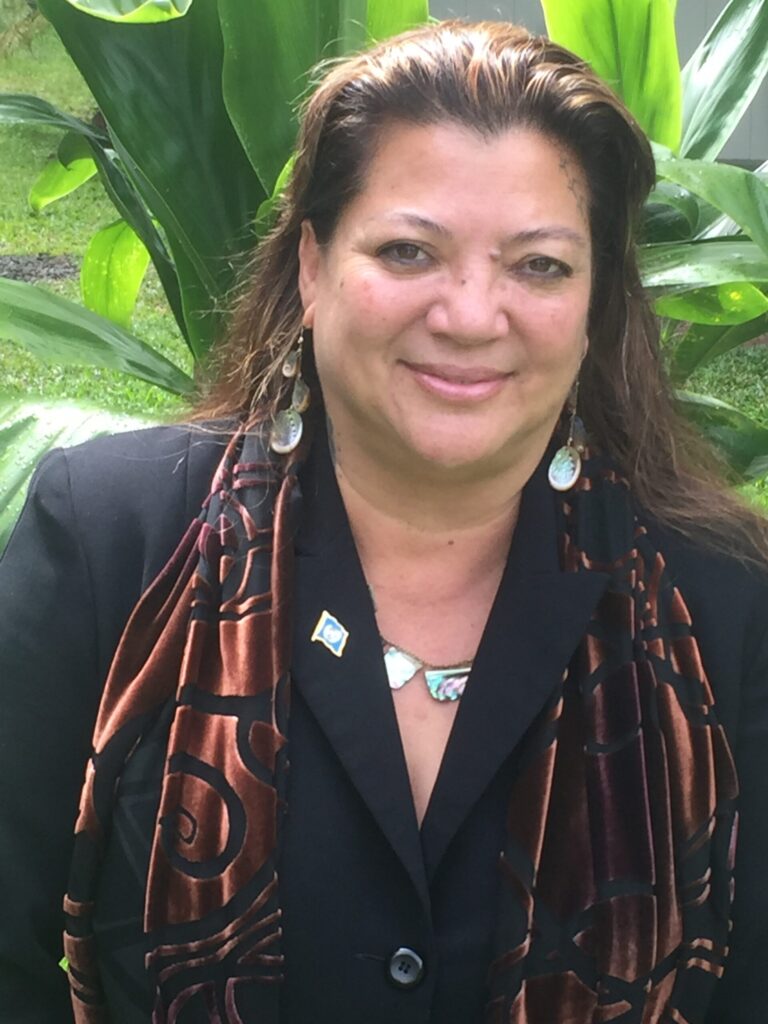 Kealoha Pisciotta, Native Hawaiian
Knowledge Field: Traditional and cultural practitioner, environmental advocate, and artist
Pisciotta’s fellowship project is two-fold: to perpetuate the practice and exercise of Kapu Aloha for youth and to begin an Indigenous Traditional Ocean Treaty process for the protection/continuation of sustainable ocean lifeways and practices.
What does being selected for the Luce Indigenous Knowledge Fellowship mean to you?
It is a great honor for me to have been selected by the Luce Foundation and First Nations Select Committee to participate in this Fellowship!
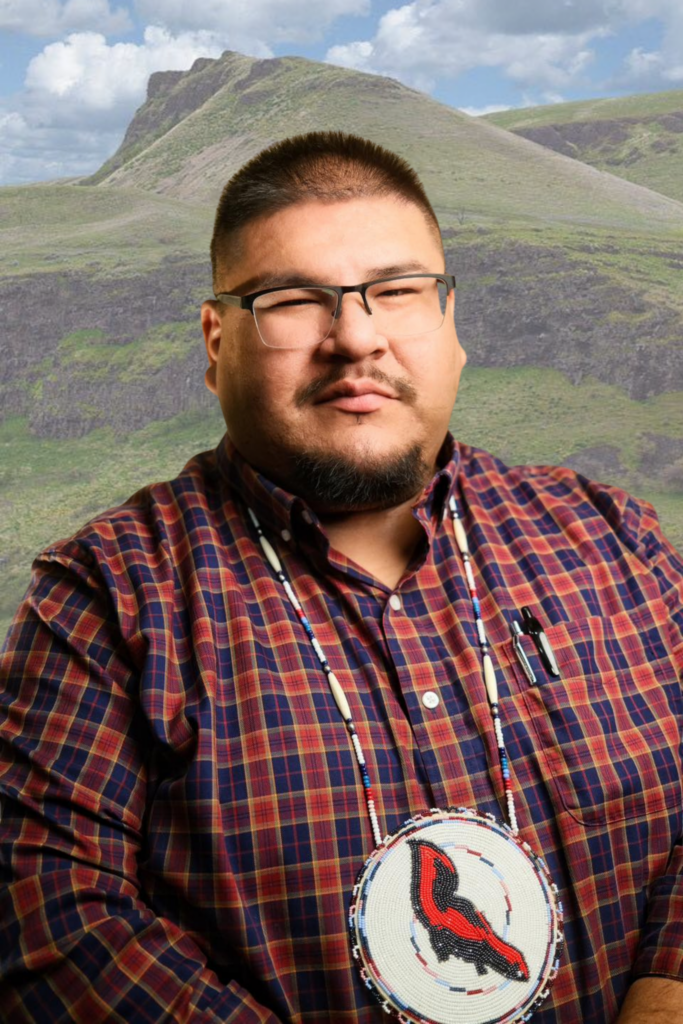 tisqeˀ ˀilp’ilp (Harry Slickpoo Jr.), Nez Perce
Knowledge Field: Nez Perce language instructor
Slickpoo will continue work to preserve the knowledge of Nez Perce place names while there are still knowledgeable elders. Being able to properly identify village sites, trail systems, rivers, mountains, battlefields, and places where people fish, hunt, dig roots, and pick berries is going to be an ongoing process. Collaboration between the Nez Perce Tribe, the Nez Perce National Historical Park, Washington State University, University of Idaho, the Idaho State Historical Society, and the Nez Perce Circle of Elders is a priority for this project. Slickpoo hopes to work with these institutions to bring a Nez Perce Place Names Atlas to his people, preserving and sharing the connection to the land.
What does being selected for the Luce Indigenous Knowledge Fellowship mean to you?
Being a part of the 7th Cohort for the Luce Indigenous Knowledge Fellowship feels like I’m moving in the right direction and I am extremely thankful to be a part of it. This is an opportunity for me to grow both personally and professionally as someone who works to carry on the knowledge of the Nez Perce language. It is my hope that the work I will be doing will have a positive impact on future generations of Nez Perce speakers, by giving them an invaluable resource to learn from. This will also go to help educate our non-Native neighbors who now inhabit Nez Perce homelands in Idaho, Washington, and Oregon.
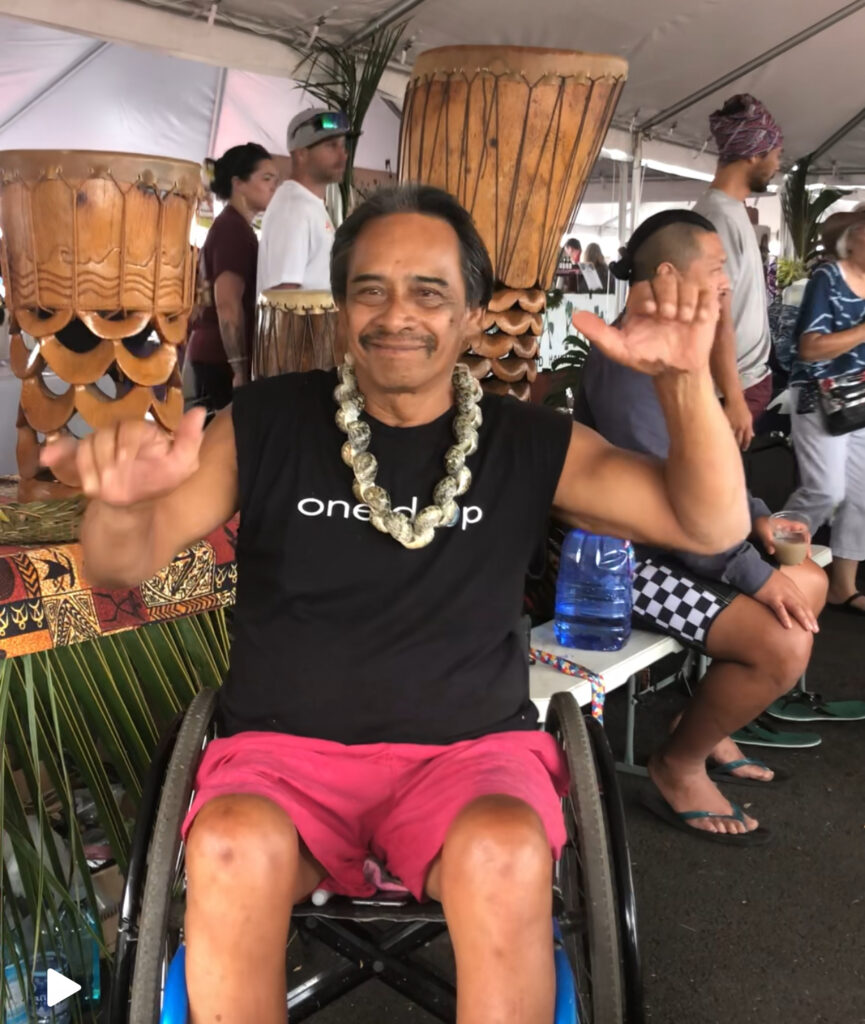 John Kaneholani Aweau Turalde, Native Hawaiian
Knowledge Field: Kālai Pahu (Drum Carver), Cultural Educator
Turalde has been carving traditional Hawaiian pahu for more than 30 years and has created hundreds of drums, including six rare sharkskin pahu. For 26 years, he has taught and demonstrated the art of kālai pahu (traditional drum carving), dedicating his life to perpetuating this practice within the Indigenous Hawaiian community. Turalde plans to expand his drum-carving and poi board workshops across Hawaiʻi Island—including Miloliʻi, Kohala, Hilo, and Kona—and plans to travel to Molokaʻi and Kauaʻi to teach in Hawaiian communities.
What does being selected for the Luce Indigenous Knowledge Fellowship mean to you?
Wow! Excited! Once in a lifetime opportunity to receive a gift from an Indigenous Native group that I really don’t know yet. You’re the first people of my life that gave something special-special like this, and it’s more sparkling and giving me more energy to live the beautiful life of preserving the Hawaiian culture and arts.
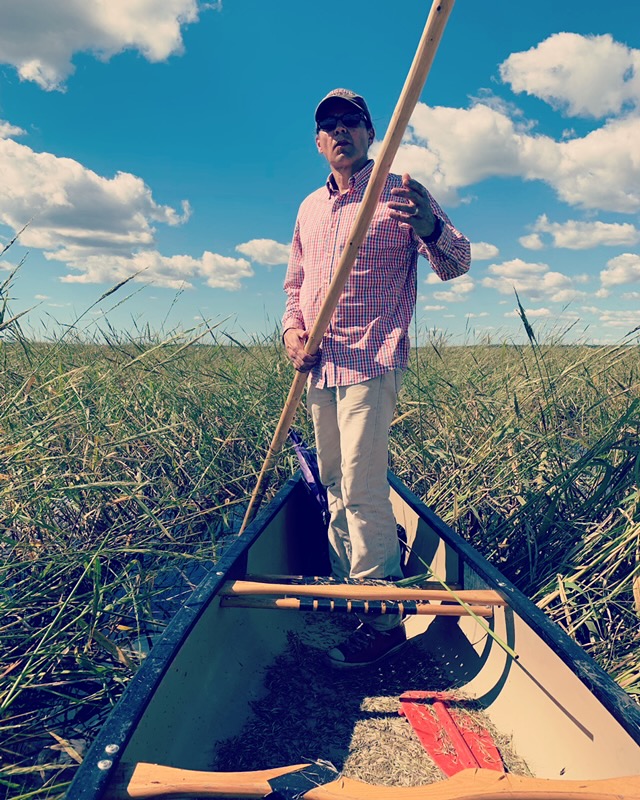 Waawaakeyaash Keller Paap, Gaa-Miskwaabikaang Red Cliff Band of Lake Superior Ojibwe
Knowledge Field: Language Educator
Waawaakeyaash will work to deepen his ability to extend Anishinaabe language proficiency transmission practices and create lasting change for the vitality and longevity of Anishinaabe language and lifeways. He will continue empowering, educating, and mentoring young generations of language carriers, educators, and leaders through community and organizational program improvements, collaboration, and expansion.
What does being selected for the Luce Indigenous Knowledge Fellowship mean to you?
Having been chosen as one of many incredibly talented Luce applicants is a tremendous honor and a unique opportunity to advance Anishinaabe language practices for current and future generations. Building on the work and dedication of many dynamic ancestors, visionaries, and leaders before me, I remain devoted to sharing the light and power that defines my Anishinaabe relatives.
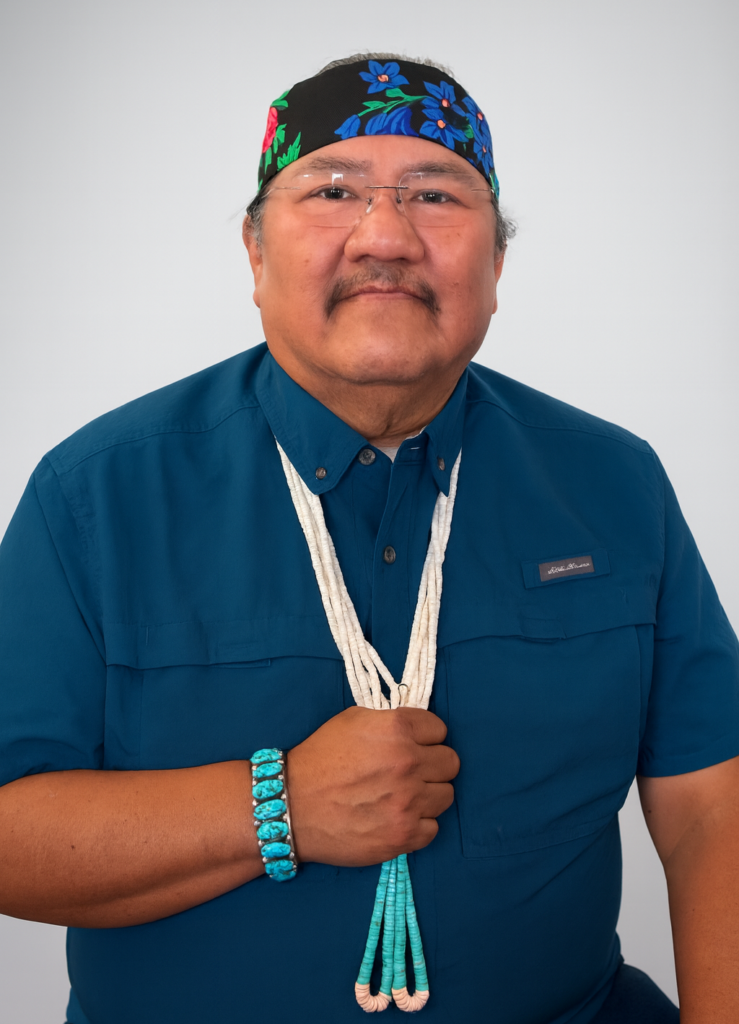 Thomas Walker Jr., Navajo
Knowledge Field: Navajo Peacemaker
Walker will prioritize local community consultation and engagement, working closely with leadership, elders, and community representatives. He will document conversations and feedback from community stakeholders to guide the development of training materials that outline the practice and implementation of traditional Navajo Peacemaking. The goal is to create a locally grounded Peacemaking program that the local government can formally adopt and codify within its local governance structure. This collaborative approach ensures that the program reflects community values and supports long-term use within local decision- making.
What does being selected for the Luce Indigenous Knowledge Fellowship mean to you?
I am grateful for the opportunity this fellowship provides and look forward to the work ahead. This fellowship will give me the time and support to help bring an ancient Navajo practice, traditional Peacemaking, back into our local governance system. While the Navajo Nation courts offer Peacemaking when individuals request it, this approach has not yet been fully integrated into how our local governments address community disputes. This opportunity allows us to move Peacemaking closer to the people, where it has always belonged, and holds strong potential for lasting, positive impact in our community.