Brandi Russell
Program Officer, Stewarding Native Lands
Lower Brule Sioux Tribe
First Nations envisions a future where Native stewardship is woven into all lands, nourishing vibrant ecosystems and communities.
Native knowledge and stewardship are evident and undeniable to those willing to see. Generations of experiences, practice, observations, innovations, traditions, and adaptations have formed an expansive reservoir of knowledge and shaped our ecosystems, biodiversity, and communities. We are here. Connected to our land, connected to each other, connected to our plant and animal relatives.
Tribes and Native communities have been stewarding their lands for tens of thousands of years, cultivating and transferring traditional knowledge across generations. This knowledge and deep connection to the land keep Native communities strong and the natural world in balance.
Informed by Tribes and Native communities, First Nations established the Stewarding Native Lands program in 2020, based on the belief that Native communities already have strategies and localized solutions, rooted in traditional knowledge and stewardship practices, to build adaptive capacity; manage land, animals, and plants; and improve the health of communities and ecosystems.
Through the Stewarding Native Lands program, First Nations supports Tribes and Native communities in uplifting and sustaining this knowledge, and regaining and restoring their lands through five focus areas.
Program Officer, Stewarding Native Lands
Lower Brule Sioux Tribe
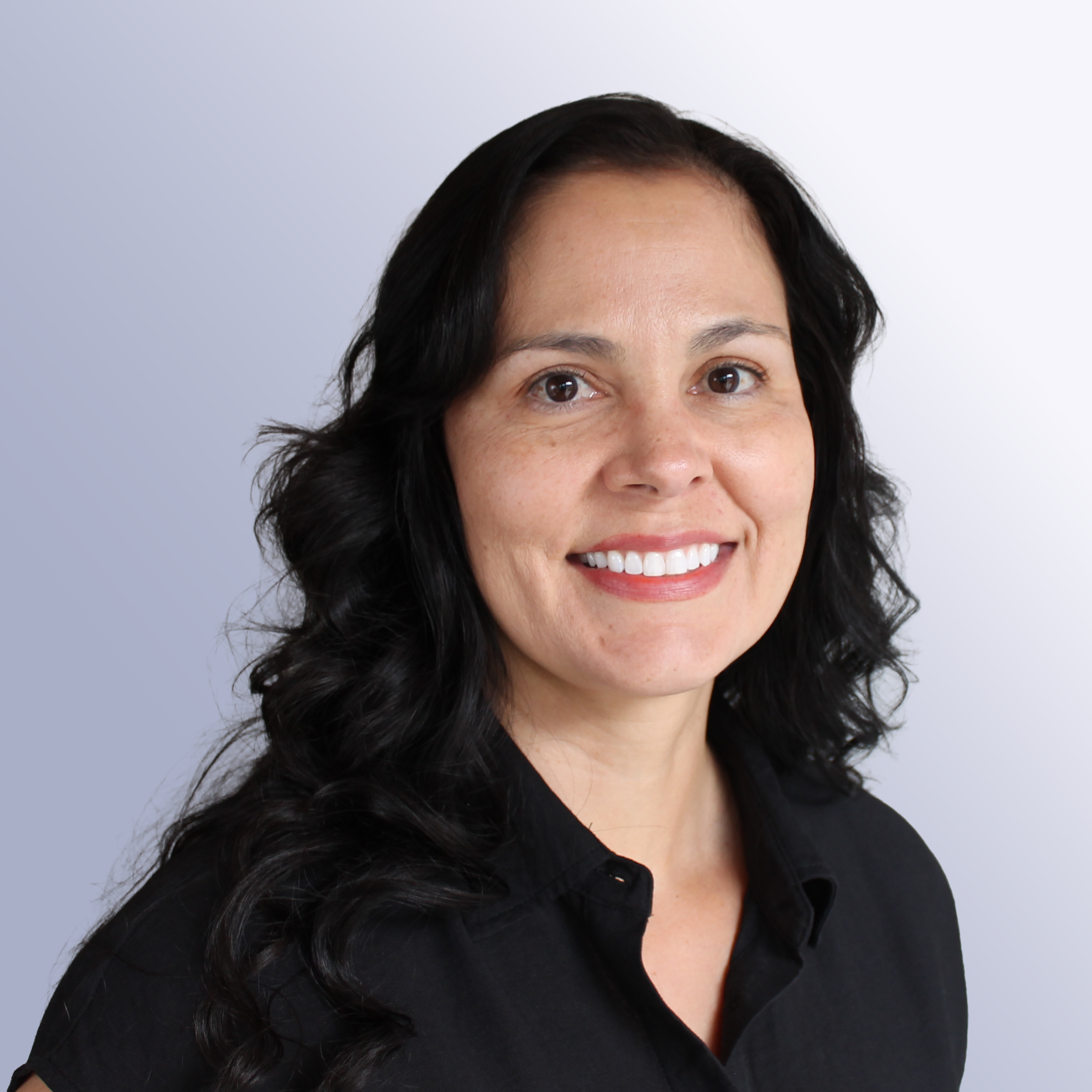
Senior Program Officer, Stewarding Native Lands
Diné

Program Officer, Stewarding Native Lands
Diné
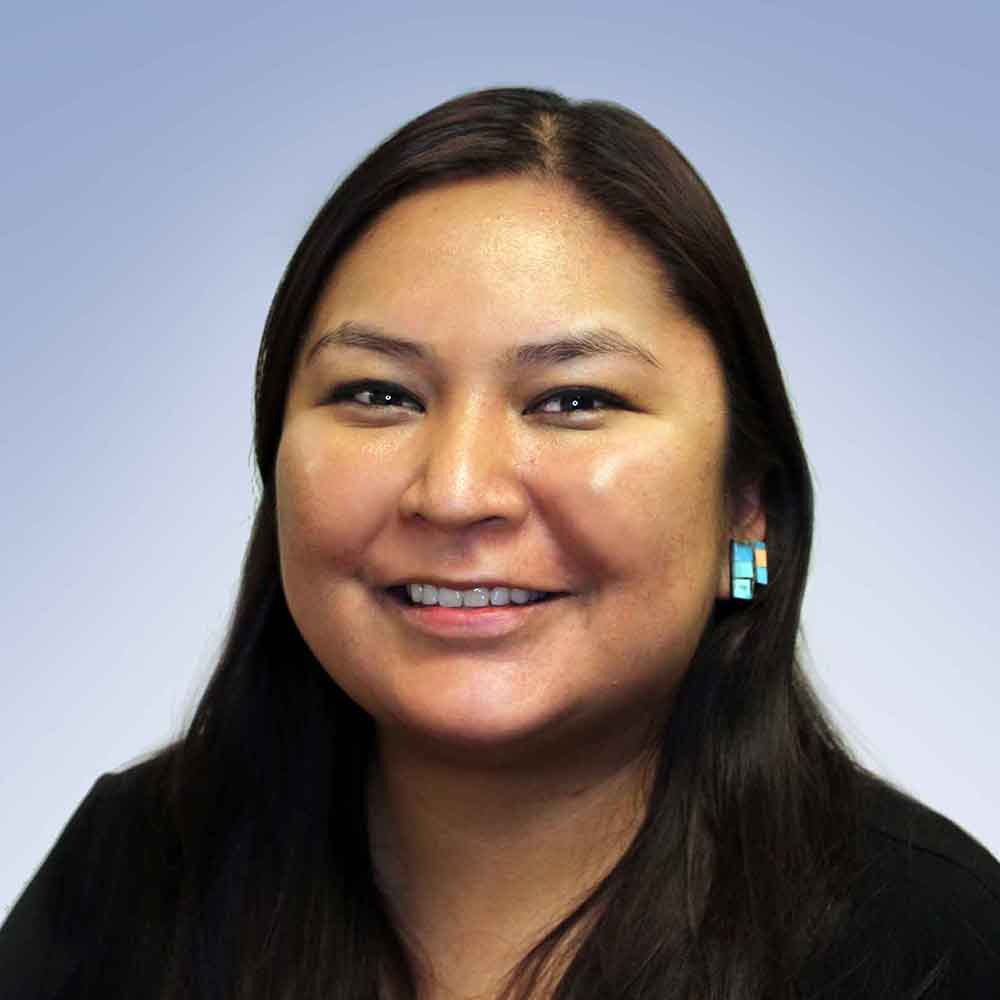
Program Associate, Stewarding Native Lands
Navajo

Director, Stewarding Native Lands
Mandan, Hidatsa, and Arikara Nation

Associate Director, Stewarding Native Lands
Diné
This project will strengthen Native land stewardship and sustain the Northern Cheyenne Tribe Buffalo Program, ensuring continued management of Tribal buffalo, responsible stewardship of grazing lands, and preservation of an enduring cultural asset.
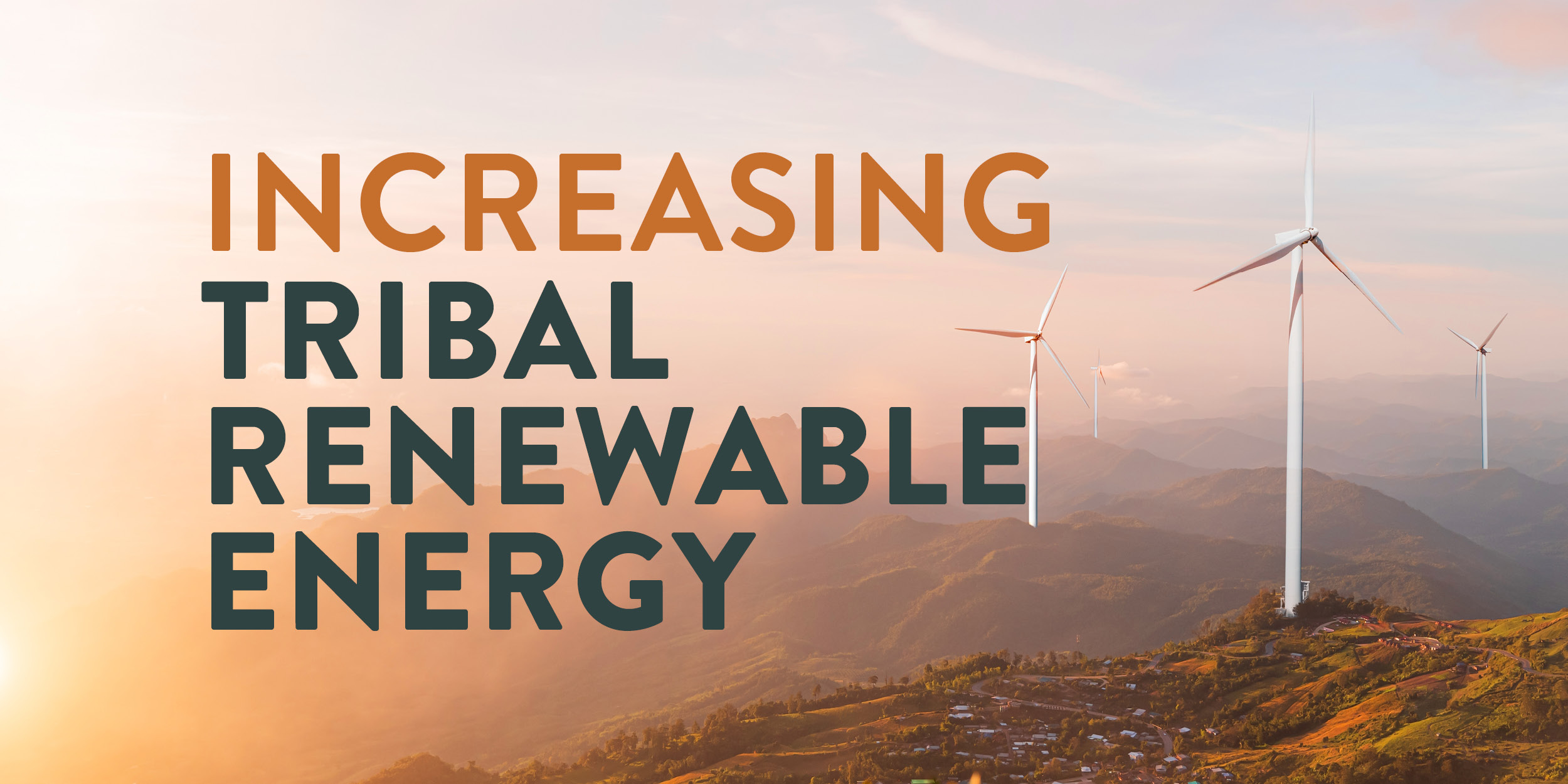
This project will support participation in the Shared Sun Collective – a group of Native-led and Native-serving resources providers committed to advancing renewable energy projects through collaboration and knowledge sharing.
This project will support participation in the Shared Sun Collective – a group of Native-led and Native-serving resources providers committed to advancing renewable energy projects through collaboration and knowledge sharing.
This project will support participation in the Shared Sun Collective – a group of Native-led and Native-serving resources providers committed to advancing renewable energy projects through collaboration and knowledge sharing.
This project will support participation in the Shared Sun Collective – a group of Native-led and Native-serving resources providers committed to advancing renewable energy projects through collaboration and knowledge sharing.
This project will support participation in the Shared Sun Collective – a group of Native-led and Native-serving resources providers committed to advancing renewable energy projects through collaboration and knowledge sharing.
This project will support community education to oppose helium extraction, a hydrogen pipeline, and other resource extraction negatively impacting communities on the Navajo reservation.
This project supports community education, relationship-building, and advocacy to ensure Native voices in New Mexico are represented in decision-making around tritium venting, groundwater contamination, and increasing industrial development that threatens community and environmental health.
This project will strengthen Menominee-led stewardship of land, water, forest, and wildlife, including buffalo relatives, through traditional knowledge. This project will support research, habitat restoration, and youth engagement that ultimately advances climate adaptation and cultural health.
This project will create a strategy that reflects traditional values and concepts to advance BCC's goal to become a net zero campus and strengthen institutional capacity. This project will also restore Iinii (bison) and native grasslands while integrating Piikani Knowledge into workforce training.
This project will ensure southeast Alaska Tribes are able to participate in and influence the environmental assessment processes for several proposed mines. This project will organize tribal professionals culturally connected to each watershed to coordinate a response to the consultation request.
This project will continue to build collaborative relationships throughout the Bering Strait region to advance green energy and food security education initiatives, supporting communities address and prepare for the impacts of climate change that significantly affect their way of life.
This project will the support the commission to complete pilot studies and deliver the ongoing measurement, reporting, and verification needed for a biodiversity credit pathway.
This project will support the expansion of WRTBI's Science Department to enhance capacity to monitor increases in biodiversity within buffalo habitats.
This project will support land acquisition, multi-source fundraising, and a community-led planning process that centers Native voices and cultural values.
This project will support a Tribal Steering Committee that will review private ecosystem markets and sovereignty concerns with the goal of expanding tenure across ancestral lands. The project will also foster community building and knowledge exchange between our Tribal Nation membership.
This grant supports BEITC’s multiprong approach to continue protecting the Bears Ears National Monument from resource extraction. BEITC staff will conduct community outreach to ensure community members are educated about the July 2026 proclamation and understand it’s impact on their access to land.
This project will provide support for strategic planning to enter into negotiations with public land managers for greater protection of Bodie Hills. This project will also result in a co-stewardship agreement that centers traditional practices to manage land and cultural resources for 4 Numu Tribes.
This project will support capacity building for Sipayik Resilience Committee to host three educational events relating to climate resilience and energy sovereignty for the Wabanaki Tribal Nations.
This project builds tribal capacity and supports tribal leadership's efforts in cross-agency management of native habitats and culturally important natural resources on reservation and adjacent U.S. Forest Service lands.
This project builds capacity of the Conservancy, the co-managers of the Redbox Ranger Station, to engage with U.S. Forest Service programs for support in advancing tribal stewardship and land management through co-management visioning, feasibility assessments, and capacity building.
This project supports collaboration and relationship building between Taos Pueblo and the U.S. Forest Service. This project also creates opportunities for capacity building through community engagement and increases capacity to pursue federal funding opportunities.
This project strengthens water infrastructure to improve water access, enhance grazing management, support buffalo health, and increase forage production across 34,000 acres of buffalo pasture.
This project builds tribal capacity to steward 200 acres of newly acquired tribal land, including 100+ forested acres through conservation planning, grant development, and administrative systems that enable the tribe to pursue U.S. Forest Service funding opportunities.
This project will create paid workforce opportunities for Alaska Native youth, increase community food security, and leverage traditional Tlingit knowledge with sustainable growing practices to strengthen climate adaptation, develop future leaders, and retain cultural stewardship skills.
This project builds Kusilvak Rising's capacity to engage federal partners and pursue U.S. Forest Service funding that supports Native leadership; climate adaptation; and sustainable stewardship of land, water, and subsistence resources in the Kusilvak region.
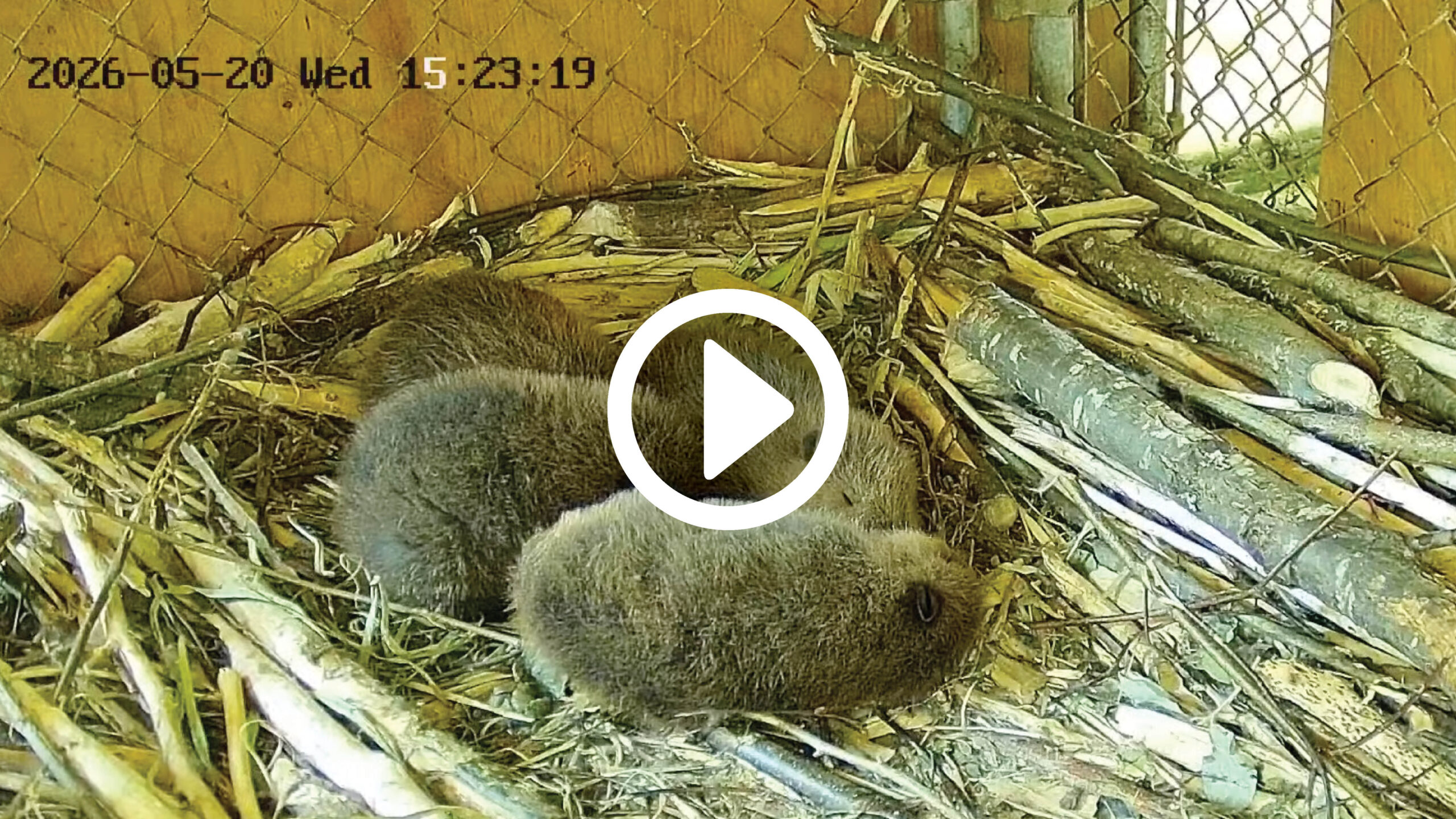
This project will restore wetland ecosystems while expanding community understanding of the role beavers play in watershed health. This project will also improve water quality and increase water retention on the landscape, and address landowner concerns about coexistence-based beaver management.
This Beaver Pond Levelers project will restore and conserve wetland and riparian habitats, strengthen biodiversity, and support sustainable beaver populations. The project promotes long-term coexistence between humans and beavers through non-lethal management practices.
This project will restore healthy watershed function, reduce human–wildlife conflict, and strengthen ecological resilience across the Blackfeet Reservation. The project uses beavers as a natural tool for habitat restoration while balancing the need for landowners and elders.
This project will support the Cowlitz Tribe's beaver relocation and restoration program by building programmatic capacity to monitor beaver activity at relocation sites. This project will support the development of novel monitoring methods and provide critical data to determine relocation success.
This project will support Atux̂ Forever's assessment of the management practices of U.S. federal agencies activities on traditional homelands. This project will pave the way for environmental remediation and justice for the Saskinax̂ am Alaiit Sovereign Nation.
This project will protect the Bering Sea from industrial development impacts, in part, through engaging in the Northern Bering Sea Climate Resilience Area Coalition, coordinating meetings to solicit guidance from Elder Representatives, and implementing a Government Relations Plan.
This project focuses on growing program staff capacity, increasing community education, and developing construction plans on a buffalo program office. This project advances tribal food sovereignty and grassland stewardship within the Fort Belknap Indian Reservation.
This project will support the Pueblo of Santa Clara's planning efforts to develop a wildlife management plan and strategy that includes beaver. This project will increase the capacity of the Forestry Department to restore healthy beaver populations to lands impacted by the Conchas Wildfire.
This project will observe buffalo behavior through a lens of traditional knowledge. Findings will guide development of culturally informed, low-stress buffalo management practices, operational effectiveness, and long-term stewardship consistent with community values.
This project will build capacity towards better tribal management of reintroduced beavers (Castor Canadensis) on Tule River Tribal land.
This project will support the Pueblo of Zuni's planning efforts to develop tribal policies around beaver relocation and update the Wildlife Management plan to incorporate beaver. This project will also increase community education on co-existence through public workshops and forums.
This project will restore critical spawning habitat for walleye - an ecocultural species for the Sokaogon Chippewa Community - in Franklin Lake. A man-made rock reef will be installed on the bed of Franklin Lake to improve the quality of walleye spawning habitat during normal and low-water levels.
This project will elevate tribal renewable energy projects through community education and in-person gatherings. This project will also support the People of the Sun gathering, an immersive experience centering Indigenous-led clean energy innovation, cultural expression, and economic opportunity.
The Pāpala Lele Biocultural Internship will cultivate Native Hawaiian youth, high school youth, and college students as the next generation of environmental stewards through place-based learning across the Hāʻena ahupuaʻa, integrating traditional knowledge with accredited academic pathways.
This project strengthens Menominee Tribal Enterprises’ operational capacity through expanded administrative infrastructure and coordination efforts that enhance strategic planning, compliance, and project management to sustain forestry resources and drive efficient, long-term economic growth.
Through this project the Youth Conservation Clubs will empower Indigenous youth to strengthen stewardship through cultural knowledge, place-based conservation activities, and community engagement. The clubs foster commitment to protecting natural resources while honoring relationships with the land.
Our project will assist tribes with native plant restoration to improve support of pollinator populations threatened by climate change to bolster the health of Native people and lands. Tribes will be assisted by capacity building, onsite technical assistance, and delivery of plants and equipment.
This project will support Kashia Band of Pomo Indians to pursue a conservation easement that will enable access to and protection of tribal cultural resources. This easement will enable the Tribe to access a site that they haven't been able to access for over 30 years.
This project will improve Mooretown’s forest stewardship through purchasing high-pressure water pumps and Compressed Air Foam Systems (CAFS) for our existing equipment, which will allow for safer operations during forestry activities throughout the year.
This project will build capacity for Dot Lake Village’s forestry program by acquiring essential equipment and safety tools to support sustainable forest management, stewardship activities, and safe access to tribal lands for ongoing maintenance, thinning, and resource protection.
This project strengthens Dena’ina and Alutiiq stewardship by acquiring forestry equipment to care for Tribal forest homelands, reduce wildfire risk, and protect lands that sustain cultural lifeways, subsistence traditions, and community well-being for future generations.
This project will support efforts to restore our forests through the purchase of essential equipment including a truck, fire pump and forestry saw needed for prescribed fires and restoration purposes.
This project increases capacity for two Pit River tribal forestry crews located 200 miles apart to manage our 3.4 million acres of ancestral homelands through the purchase of a side-by-side to access high-risk fuel areas, essential supplies and equipment to manage forest health.
This project strengthens the Tribe’s capacity to sustainably manage and harvest forest resources by improving operational efficiency and access. It supports forest health, enhances timber value, and enabling the Tribe to manage its lands and steward resources for future generations.
The purpose of all CHIRP activities is to preserve, protect, and perpetuate Nisenan culture. This project supports the purchase of essential forestry equipment for CHIRP's recently formed Tribally-led Land Stewardship Crew, which is designed to return beneficial fire to our Tribal landscapes.
Sponsorship for the 2026 Pueblo of Acoma Earth Day, Sacred Power of Sacred Land
This project kickstarts ecological monitoring on privately owned buffalo pasture and tribal land. This project also supports organizational operations associated with the Northern Arapaho and Eastern Shoshone’s science departments.
The overall goal of this project is to enhance the conservation and regeneration of native grassland and shrub ecosystems on the Fort Berthold Indian Reservation and integrating Traditional Ecological Knowledge with scientific data to guide sustainable land management.
This project provides quality buffalo meat to support community, cultural, and ecosystem health. Through education and outreach, Blackfeet Tribe is engaging future generations, strengthening cultural connections, supporting ecological restoration, and creating employment opportunities.
This project supports the development of Rocky Boy Buffalo Project's community-based visitor center where people can learn about the Rocky Boy Buffalo Project and the cultural, ecological, and economic importance of buffalo restoration.
This grant supports the 34th annual sturgeon feast and celebration powwow commemorating Namaew Kewaemakat Piataetuaq, the sturgeon are coming home.
This grant will support the Wind River Tribal Buffalo Initiative’s fee simple acquisition of a parcel within the boundaries of the Wind River Reservation adjacent to Wind River Tribal Buffalo Initiative’s property. This land will support expansion of Wind River Tribal Buffalo Initiative’s buffalo pasture.
Our project is dedicated to protecting burial sites while fully aligning with tribal priorities and upholding Tribal Sovereignty.
This project preserves, protects, and perpetuates Nisenan culture through the formation of a tribally- led land stewardship crew that will return beneficial fire to tribal lands. This project supports the capacity of the land stewardship crew.
This grant will sponsor the 2026 National Conference and Southwest, Great Lakes, Great Plains, Pacific, and Southeast Regional Conferences.
This project will support wildlife habitat enhancement, environmental outreach to and education for tribal youth, and tribal engagement in wildlife connectivity and corridors.
This project supports planning efforts that aim to protect Chilkat Indian Village’s traditional territory and cultural resources. This project supports the creation of a community-guided Tribal Stewardship Plan and builds capacity for pursuing U.S. Forest Service funding and agreements.
The Winnebago Tribe of Nebraska will establish wildlife forage plantings on tribal lands to strengthen habitat, improve deer and game nutrition, and build Tribal capacity in natural resource stewardship through hands-on monitoring, youth engagement, and data-driven conservation.
This project supports the time of Kawerak's Tribal Research Coordinator to create, distribute, and promote tribal research protocols and the newly developed research priorities of Kawerak-region tribes to enhance tribal research sovereignty.
This project strengthens Nooksack capacity to engage with U.S. Forest Service programs, expand government-to-government collaboration, support co-stewardship efforts, and cultivate agreements that protect culturally significant ancestral lands for future generations.
The purpose of this project is to process and distribute logs into firewood for Crow families, while providing winter employment to tribal members previously engaged in wildfire firefighting. This effort strengthens community, and creates local workforce opportunities tied to land stewardship.
Increase the capacity of the Houlton Band of Maliseet Indians to engage with offshore wind planning in the Gulf of Maine and advance its own local community / governmental energy sustainability initiatives, projects, goals, and objectives.
Through this project, the tribe is removing invasive non-native trees, destroying invasive non-native smooth brome grass areas, and replanting the entire 660 acres to a diverse mix of native grasses and forbs.
This project supports the implementation of bison, grassland ecosystem, and food systems education and outreach efforts. The project also supports the management board in holding strategic planning meetings and developing and training employees.
This project will resolve community concerns regarding Brucellosis within the elk herds around Wind River Tribal Buffalo Initiative at the same time deploy GPS tracking collars or ear tags on the elk to increase the understanding of elk movements along the Wind River.
This project supports the hiring of staff to increase tribal energy planning by growing networks and consultation with tribal and non-Native entities outside of Maine and the United States, and the sharing of information, practices, and opportunities with other Wabanaki Nations and regional tribes.
This project provides for a staff position at the Passamaquoddy Tribe at Indian Township to act under the direction of the Chief and the Tribal Council. This staffer will consult state and federal governments and labor/environmental allies on planning and policy processes for clean energy.
This project empowers southwest Tribal Nations to protect and manage sacred sites and cultural resources by strengthening their capacity to engage in federal processes, advance energy sovereignty, and ensure development aligns with tribal priorities and values.
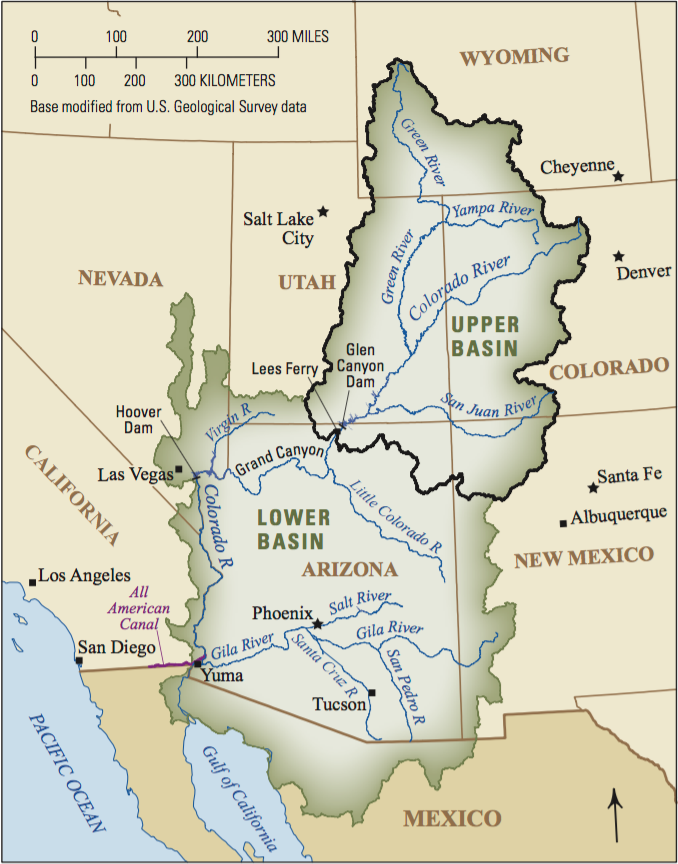
This project will grow adaptive capacity to increase civic action to plant the rain to retain water within the watershed to minimize erosion, restore native vegetation/habitats, and increase soil moisture, to drive action toward preparing for rising temperatures within the Colorado River Basin.
This project provides staff support to the Penobscot Nation’s Department of Natural Resources in order to consult governments and labor/environmental allies on planning and policy processes regarding offshore wind and clean energy advancement.
This project supports the restoration of willows, mesquite and cottonwood vegetation in riparian areas to reduce hazardous fuels and erosion that pose wildfire threats in recreation areas, increase habitat conservation, and enhance water quality.
This project connects Apache people and other Native and non-Native allies to protect Chi’chil Biłdagoteel (also known as Oak Flat), a sacred site for Apache people and many other Indigenous people, from copper mining.
This project's purpose is to stop helium extraction and a hydrogen pipeline in communities on the Navajo reservation.
The project supports information gathering, planning, and decision making by tribal leaders and experts with the ultimate goals of setting water quality standards and outlining a collaborative water monitoring program for Bears Ears National Monument.
This project supports the planning, reimagining, and implementation of conservation easements to perpetually protect the culturally significant buffalo habitat within and adjacent to the Wind River Indian Reservation, while strengthening land sovereignty for the respective tribal communities.
The project supports the Southern Ute Indian Tribe’s natural resources through low-tech, process-based restoration that enhances riverine processes, expands riparian habitat, reduces nonpoint source pollution, improve water quality, and strengthens tribal climate resiliency.
This project advances collaborative fisheries research by promoting and advocating for the use of Skipper Science with fishery partners, and creating and implementing a policy for a subsistence food security monitoring program.
This project restores native riparian vegetation, removes invasive species, and improves habitat for plants, wildlife, and aquatic species in and around Pasture Canyon Reservoir to strengthen ecological health, cultural use, and long-term watershed resilience.
This project aims to restore ecological balance within the Colorado River Basin by supporting the strategic removal of feral equids. This removal will prevent further erosion, reestablish native habitat, eliminate competition for native species, and improve watershed health.
This project empowers Molokaʻi youth through ʻāina-based education, art, and cultural leadership while strengthening organizational capacity and digital storytelling. It protects ancestral knowledge and ongoing stewardship of ʻāina, kai, as well as community well-being for future generations.
This project supports the work of the People of Red Mountain (Atsa Koodakuh wyh Nuwu, in Paiute), a committee of traditional knowledge keepers and descendants of the Fort McDermitt Paiute, Shoshone, and Bannock Tribes working in coalition with allies to protect ancestral homelands.
Medicine Fish Corporation will celebrate their recently approved 550-acre expansion and introduction of 19 new buffalo to Menominee homelands
Our project will strengthen SM’s organizational capacity through strategic planning, staff development, and travel support—ensuring our Native-led nonprofit can sustain and scale programs in food sovereignty, renewable energy, and climate resilience to serve Molokai’s community for generations.
This project supports Barbareño/Ventureño Band of Mission Indians (BVBMI) to enact a cultural conservation easement on a 6,500-acre portion of their ancestral land. BVBMI plans to use a cultural conservation easement to strengthen connection and access to land and strengthen community.
This project supports the Rappahannock Tribe in developing a conservation easement template that respects Tribal Sovereignty and encourages tribes to negotiate when using an easement for land back. This template supports the rematriation of 200 acres of tribal land bordering Fones Cliffs.
This project supports the use of conservation easements to permanently protect the subsistence and conservation values of approximately 80,000 acres owned by Igiugig Native Corporation. The acres identified for protection are of both subsistence and cultural significance to the tribe.
The Protecting Ancestral Wisdom project preserves, maintains, protects, and offers services that better tribal lands and communities to overcome the erasure of the Original People of Texas, the Esto’k Gna.
This project strengthens co-management of Alaska’s migratory birds by fostering collaboration, shared understanding & trust among Tribal, federal, and state partners, ensuring sustainable, culturally grounded subsistence practices and long-term stewardship of Alaska’s vital migratory bird resources.
Our project will support the eight Ahtna Tribes in their Stewardship Planning for lands within the Ahtna Traditional Territory.
This project supports Molokai Heritage Trust in implementing an easement on newly acquired coastal lands of significant value to the Hawaiian community in order to permanently protect land while codifying and upholding existing spiritual, cultural, and subsistence practices.
This project supports organizational capacity to pursue and manage U.S. Forest Service funding. This project will strengthen land stewardship and cultural revitalization across tribal homelands.
This project supports planning and training efforts that advance climate and wildfire readiness. This project will build staff capacity to engage with the U.S. Forest Service, support emergency preparedness, and cultural resource protection.
This project supports the tribe's partnership with the U.S. Forest Service to protect cultural sites through the reintroduction of Indigenous stewardship practices that support forest and waterway health. This project will strengthen cultural resource protections.
This project strengthens organizational capacity to pursue and manage U.S. Forest Service funding. This project will establish a path for expanding cultural stewardship and climate resilience across tribal homelands through strategic planning, funding alignment, and system readiness.
This funding supports the purchase of essential equipment, supplies for logging and forest monitoring operations. Activities integrate modern tools with traditional stewardship values, ensuring environmental and cultural sustainability to support the Harvest to Home initiative.
To support Chilkat Indian Village (Klukwan)'s intergovernmental advocacy and legal strategy efforts to defend our traditional territory, pursue #landback, and assert Tribal governance and protection of the Jilḵáat Aani Ka Héeni (the Chilkat Valley Watershed).
This project builds organizational capacity to steward 3,000 acres of tribal lands. It will support engagement with U.S. Forest Service and contribute to long-term stewardship planning.
This project builds tribal capacity to pursue U.S. Forest Service funding opportunities, develop partnerships, and implement long-term traditional stewardship practices. This project will also strengthen organizational capacity for grant development and strategic planning.
This project builds organizational capacity to pursue U.S. Forest Service funding opportunities that support community-led stewardship. It will support grant development, stewardship planning, and collaboration with federal partners.
This project builds tribal capacity to engage with the U.S. Forest Service and other federal partners through staff development planning and coordination. It will support natural resource management and long-term stewardship priorities.
This project supports analysis of stewardship strategies grounded in Blackfeet values, which will guide the organizational pursuit of land acquisition and co-stewardship opportunities with tribal, local, state, and federal partners, including the U.S. Forest Service.
The Kuskokwim River Inter-Tribal Fish Commission will utilize legal representation as we continue to uphold rural subsistence rights in Alaska, while also upholding the participation of local people, elected by the Tribes, in the co-management of Kuskokwim salmon.
This project will support tribal capacity to reduce hazardous fuels, address community heating needs, and deepen collaboration with the US Forest Service. By coordinating firewood harvesting and distribution, the project will enhance community safety and support cultural continuity across the Tribe.
This project supports the tribe's partnership with the U.S. Forest Service and its programs. This project will support the development of a firewood program that integrates cultural stewardship, climate-smart forest management, and sustainable business development.
This project supports tribal capacity to engage with U.S. Forest Service programs, support forest planning, and explore emerging forest market opportunities including carbon projects.
This project expands organizational capacity to support the revitalized traditional use of 45,000 acres of Sante Fe National Forest lands. It will support partnerships with the U.S. Forest Service through co-stewardship, and long-term forest stewardship opportunities.
This project strengthens the tribe’s fire management program through a comprehensive review of tribal lands and engagement with the U.S. Forest Service. This project will build staff and organizational capacity, support cultural resource protection, and community safety.
This project supports the Tribe’s establishment of a LiDAR based forest inventory and growth modeling system. This baseline dataset will enable the tribe to conduct economic, ecological, and cultural analysis to guide entry into innovative emerging carbon, water, and biodiversity markets.
This project builds capacity of the confederation to restore cultural and prescribed fire for sustainable forest management. The tribal fire service will conduct research into improved soil carbon sequestration which can lead to increased water storage, nutrient availability, and site productivity.
This project builds the capacity of the Tribe by supporting a feasibility study to assess the ecological health of tribal forest lands. The study evaluates sustainable, income-generating opportunities that ensure long-term forest stewardship and economic viability.
This project is supporting the development of a Comprehensive Natural Resource Management Plan for economic development and forest stewardship on Tribal lands. The Plan will weave local traditional knowledge with innovative strategies to turn forest resources into marketable products.
This project supports Dot Lake Village in conducting a feasibility study to explore sustainable forest management through selective harvesting, replanting, and biodiversity protection. This will strengthen the tribal economy, support Native-led stewardship, and promote long-term forest health.
This project supports tribal capacity to market forest products for producing log home kits and cordwood biomass fuel from timber. This project will reduce housing costs, lower heating expenses, create jobs, and improve forest resilience through targeted thinning and hazardous fuels reductions.
This project enhances tribal access to traditional lands and natural resources while promoting employment and advancing economic development on the reservation. A feasibility study will examine land use, restoration strategies, and yield a master planning document for the Lake Talawanda watershed.
This project supports the capacity of the Tribe’s environmental department to establish culturally informed, regenerative, and less harmful economic development by utilizing the natural resources of tribal trust lands through forestry and other agribusiness-focused pursuits.
This project builds tribal capacity to create a biochar enterprise using mobile pyrolysis kilns to convert invasive and wildfire prone vegetation into high value soil amendments. Traditional knowledge guides feedstock selection to improve forest health and generate revenue through biochar sales.
Mining takes place in rural places which is isolating. The Indigenous Caucus was founded to provide space for Indigenous participants of WMAN to build collective power to address mining and support communities that are protecting water/land/air/wildlife/communities and Indigenous rights.
This project supports the restoration of buffalo and native grasslands in the Southern Plains to revitalize Indigenous foodways, strengthen land stewardship, and rebuild a buffalo-based economy rooted in cultural sovereignty, ecological balance, and community well-being.
This project will build stewardship capacity for Tikahtnu Tribes by hiring an Environmental Monitoring contractor position to support intertribal collaboration, manage internships, support environmental monitoring, & sustain volunteer-led efforts. The grant will be leveraged into additional funding.
To restore and strengthen reciprocal relationships between the Port Graham community and native pollinators through traditional knowledge integration, habitat restoration, and community engagement, ultimately supporting ecosystem health and cultural food security.
Our project will support the restoration of an oyster reef in the Rappahannock River.
Our project will support the restoration of wetland and riparian habitats that sustain critical food and ceremonial wildlife resources of the Cowlitz People. Our project will protect and relocate beaver relatives to cultivate and maintain healthy aquatic ecosystems.
To ensure the long-term food security and cultural well-being of the Hoonah people, this project establishes a tribally led sockeye salmon monitoring program. It leverages new technology and traditional knowledge to provide data for management and strengthens tribal sovereignty over vital fisheries.
The ultimate purpose of this project is to reestablish yaaw (herring) populations near Keex Kwaan (Kake, Alaska and the surrounding areas) for sustainable community harvest, to revitalize the coastal ecosystems that provide critical, sacred foods, and support our traditional way of life.
Our project will support the current conservation herd’s skilled workers in buffalo wildlife management and allow for the retention of Indigenous staff for the Wind River Tribal Buffalo Initiative.
Our project exemplifies how Native stewardship, traditional ecological knowledge & conservation partnerships will restore ecosystems, strengthen cultural identity, & support biodiversity.
Our project restores culturally significant native plants and traditional knowledge as lasting Tribal assets. It protects ecological and cultural resources while building community capacity to steward MGBOMI lands through seasonal restoration, foodways education, and intergenerational learning.
This project is an effort to strengthen the Revitalization of Traditional Cherokee Artisan Resources (RTCAR) program by growing the community partner pool and developing resources that better serve the EBCI artisan community and ensure artisan natural resources are protected and available.
Our project supports the restoration of approximately 900 acres of agriculturally converted lands on the Menominee Reservation, re-establishing native ecosystems to create a sustainable, healthy landscape that provides opportunities for community buffalo harvest.
Restore Pacific lamprey access to historical spawning grounds above dams through culturally guided translocation, addressing ecological restoration and tribal food sovereignty for Columbia River Basin tribes.
Roots of Resilience will support the restoration of Arrow Arum, Button Bush, Spiny Rush, 4 Sides, Swamp Milkweed and Pickerelweed, to prevent erosion and restore the ecosystem for cultural stewardship continuity for the Mattaponi people using significant riparian plants and animals.
Our project will provide the funds to transport buffalo from the City and County of Denver buffalo herds to Tribes with existing buffalo programs. Denver has been donating buffalo to communities over the last 8 years, but Tribes face economic barriers to transportation.
Our project aims to revitalize the Nez Perce Tribe’s Himiin (Wolf- Canis lupus) Program by protecting the cultural and ecological legacy of Hímiin through community engagement, traditional knowledge, and youth mentorship to ensure the long-term care and presence of wolves on Nimiipuu homelands.
This project will establish baseline health data on Dall sheep harvested in the Ahtna Territory by analyzing hunter-harvested sample collections for heavy metals and trace elements to assess Dall sheep health, critical historic subsistence resources, and wildlife stewardship.
This project is the cleanup and enrichment of communities on Standing Rock, we will also be informing the public of the importance of solid waste management.
This project will help create economic opportunities on Moloka‘i by providing a permanent land base for community-driven initiatives such as renewable energy, a community food hub, and a forest economy.
Our project will support developing an understanding of carbon, biodiversity and other novel stewardship finance schemes, in order to help the Wabanaki Commission develop culturally relevant frameworks and data sovereignty tools.
Our program will establish a Tribally-led biodiversity crediting framework using eDNA tools to monitor and protect species across the Chugach region, aligning Indigenous values with emerging markets to support long-term stewardship, climate resilience, and sustainable Tribal economic opportunities.
WRTBI's Buffalo Biodiversity Crediting Program will support the planning and development of our bio crediting program, which will increase economic, environmental, and community health, along with diversifying our funding streams for the nonprofit.
Our project will support the development program capacity to monitor biodiversity and carbon hemiboreal forests in the 1836 Treaty Ceded Territory with a focus on Sault Tribe's Shingle Bay Preserve as a demonstration site
Our project will support the development of a new fund for land re-matriation that can be accessed by our Tribal Nation members to re-acquire and protect their ancestral lands.
Our project will support the planning and development of our land return biocultural crediting project. This project will create a pathway for tribes and ethical investors to partner in the return of Blackfeet lands for a sustainable effort at land, culture, language, and Bison rematriation.
This project builds organizational capacity to engage with U.S. Forest Service funding opportunities, aligns stewardship priorities across departments, and supports long-term forest stewardship efforts through improved systems.
This project supports the integration of traditional knowledge and science-based restoration approaches into a comprehensive land stewardship plan. This project will also strengthen capacity to pursue funding opportunities and collaboration with the U.S. Forest Service.
With this funding, Medicine Fish will conduct a feasibility study for dam removal on the Wolf River, once a critical spawning ground for their relative the sturgeon, which sustained the Menominee people for generations.
This project builds organizational capacity to support technical planning, forest restoration, and wildfire preparedness. It will support engagement with the U.S. Forest Service and other federal partnerships.
This project will revive a long-standing program that connects students to the landscape through traditional knowledge, highlighting its past and present uses. This work fosters cultural and physical ties to the land while supporting pathways to college for future generations.
Rappahannock Tribe will celebrate the acquisition and rematriation of 969 acres of the Cliffs, originally named Matchopeake back to the Tribe. The cliff face was severely damaged by a developer who was approved to build a resort, golf course, marina, and housing subdivision.
This project will help retain and increase cultural and ecological knowledge by engaging Wôpanâak and intertribal families in land-based learning through traditional mentoring. It will leverage foodways, traditional language, housing practices to build relationships and restore cultural lifeways.
This project provides support for strategic planning meetings to enter into negotiations with public land managers for protection of our shared homeland and the creation of a federal government to tribal government co-stewardship agreement to manage traditional homelands using traditional practices.
This project builds tribal capacity to support community-led research and pursue U.S. Forest Service funding for forest stewardship.
This project expands organizational capacity to develop agreements and partnerships with the U.S. Forest Service. This work will contribute to cultural site restoration, forest stewardship, and collaboration across multiple National Forests.
This project supports tribal capacity to collaborate with the U.S. Forest Service on forest stewardship to enhance wildlife habitat and reflect tribal values. It will support engagement in federal planning and funding opportunities.
This project expands organizational capacity to support forestry stewardship across more than 128,000 acres of tribal lands. It will support engagement with U.S. Forest Service opportunities, youth learning opportunities, and sustain co-management and forest stewardship efforts.
This project builds tribal capacity to pursue U.S. Forest Service funding by building internal infrastructure and administrative systems. This project will strengthen grant management, support effective planning, and increase engagement with federal partners.
This project supports tribal capacity to pursue U.S. Forest Service partnerships and funding opportunities that align with Ojibwe land values. This project will support the protection, restoration, and stewardship of Leech Lake forested homelands.
This project highlights the connection Blackfeet have to their land, culture, and ceremonies through the practice of sweet grass harvesting, which is used for smudging. This project is through the lens of land stewardship, climate change, and the impotence of Indigenous knowledge.
This project supports efforts to improve wildlife planning through place-based data collection and community informed decision making. This work will strengthen collaboration with U.S. Forest Service programs in fire response and mitigation.
This project supports tribal land management by building organizational capacity and grants development. This will enable the tribe to pursue funding opportunities with the U.S. Forest Service, strengthen collaboration and support forest stewardship health.
This project informs communities about traditional medicines that are derived from native trees plants found throughout the Great Plains, while creating a framework for these medicines to be more accessible.
This project supports the development of financial record-keeping and grant management systems, ensuring that a sustainable land-rematriation initiative can be formalized to help both the Eastern Shoshone and Northern Arapaho Tribal Buffalo restoration programs.
See attached
Sponsorship for TAP 10th Anniversary Conference: Past, Present, and Future conference
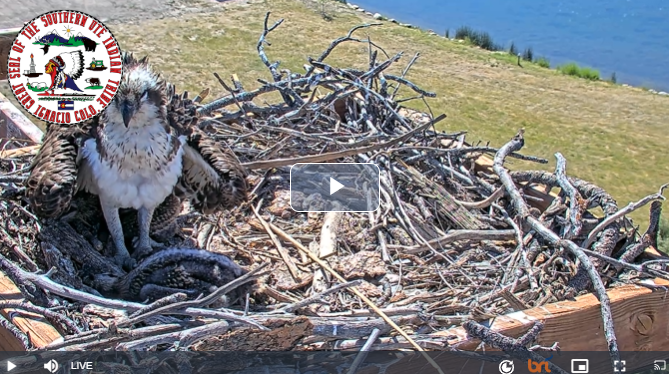
This project will allow the Tribe to retain the Lake Capote osprey nest and webcam as an asset for education and outreach. An improved nest location and live stream will help the Tribe increase participation and engagement with the ospreys and Lake Capote.
The ultimate purpose of the program is to 1) Support Pueblo of San Felipe farmers to continue planting and growing traditional vegetable or row crops and also forage crops for livestock. Despite uncertainty with water availability and the challenges that farmers face it is vitally important to continue the Pueblo’s traditional agricultural way of life. 2) We need to plant white and blue corn because the community will need the corn for food and traditional purposes, and so that we can generate more seeds and replenish seed store for next year. 3) In the face of ongoing drought and climate uncertainty we need to incorporate soil building and cover cropping so that the Pueblo’s soil can support the community.
This project builds organizational capacity to pursue and manage funding opportunities that support forest stewardship.
This project builds tribal capacity to promote planning for post Windy Fire cultural site restoration and post fire recovery efforts. The project will support the pursuit of biological surveys, trainings, and coordinated recovery planning with the U.S. Forest Service.
This project builds tribal capacity to engage with U.S. Forest Service programs that align with their Tribal Climate Adaptation Plan. This project also supports stewardship and the protection of culturally significant information and landscapes.
This project supports capacity of Tribal Natural Resources staff to engage with U.S. Forest Service programs and to develop strategic funding plans. This project will strengthen partnerships with the newly formed Tribal Conservation District.
This project will support the Burns Paiute Tribe to manage tribal rangelands by funding a Rangeland Ecologist position and grant-writing services. This project will support staff time, travel, supplies, and future grant development. It will enable the Tribe to secure USFS funding, strengthen collaboration and ensure ecological, cultural, and economic sustainability.
This project builds tribal capacity to reduce hazardous fuels, meet community heating needs, and engage with the U.S. Forest Service. This project will strengthen community safety, support cultural continuity, and tribal stewardship.
This project builds organizational capacity for forest restoration, wood product initiatives, and internal safety coordination. It will support U.S. Forest Service networking and funding opportunities.
n/a
This grant will fund the Tribe’s work to deploy a range of tactics to prevent the proposed mine. Nez Perce Tribe will work with legal and technical consultants on webpage updates, community education, and awareness projects.
The purpose of this grant is to provide support for travel expenses to two environmental justice community-led events.
This grant will support NAFWS 2025 multi-event sponsorship including National, Southwest Regional, Great Lakes Regional, and Northeast/Southeast Regional Conferences
See attachment
The ultimate purpose is to 1) Restore Buffalo as free ranging animals to their original habitat on the plains of Blackfeet reservation. We consistently lobby the BTBC for additional land to utilize for increasing the size of our buffalo herd. 2) Create opportunities to educate and get community members involved in our restoration movement. Utilize elders to assist in retaining and reconnecting community and culture through buffalo. 3) Utilize our buffalo herd to offer quality buffalo meat and products to enhance people’s health and lives.
This project will advance buffalo restoration on tribal lands and contribute to the healthy function of biodiversity of grasslands and Native food systems by growing program staff capacity to restore buffalo, supporting youth summer programming, and developing a tribal buffalo program management plan. The Fort Belknap Buffalo program will create opportunities for youth to participate in summer reseeding and fencing efforts.
Sponsorship for Bison & Blooms Revitalizing Grazing Pastures with Native Seeds Conference
This project will support staff capacity to develop and submit a CFP and/or LSRP grant application focused on meadow restoration. This project will also support Tubatulabals of Kern Valley in presenting during workshops for the board to build their technical capacity on land management to increase buy-in for pursuing additional funding.
The priority lists will support the Tribal Nations in identifying the forest lands that meet tribal needs and long term planning goals
staff salaries to work on forest management planning, including a simple feasibility assessment regarding Sault Tribe's pursuit of community forest and landscape-scale restoration program funding.
We could use assistance with the escrow process; we are also receiving assistance from Trust for Public Land.
n/a
Three staff will travel to beaver restoration areas and monitor environmental conditions and structural conditions. This will cover staff time and travel expenses. This will be for direct costs only
This project supports the development of a comprehensive wildfire risk assessment. This project will build tribal capacity to engage with the U.S. Forest Service and other state, federal, and nonprofit partners.
The North Fork Mono Tribe has been restoring cultural fire to protect the lifeways of Native communities and enhance biodiversity. The Tribe is interested in investigating the CFP and LSRP funding opportunities to see if there is alignment, and to ensure land protection
Acquire 900 acres of land in “Wailau Valley”. need to meet with the community and discuss what Restoration looks like. What director what we would like to move forward with community planning. Contracting with experts to see if it's a feasible project with the CFP program.
Sault Ste. Marie Tribe of Chippewa Indians, Michigan
The ultimate purpose is to 1) create a tribal Vegetation Ecology Program leveraging and building upon active co-management and co-stewardship efforts, 2) create a decision-support framework for newly rematriated tribal lands and waters, and 3) increase collaboration with Ceded-Territory landowners to support Sault Tribe stewardship and responsibilities across land tenures.
Sault Ste. Marie Tribe of Chippewa Indians, Michigan
This project supports organizational capacity for carbon and biodiversity monitoring on tribal and adjacent lands. It will support engagement with U.S. Forest Service partnerships and emerging forest markets opportunities.
General support for travel and consultation expenses related to the Tribe’s co-management efforts.
General support for travel and training expenses related to data collection and data sovereignty protocol creation
This project will support a tribal summit brining together 70 tribal villages within the Yukon River Watershed to discuss concerns and actions around mining and extraction and land and subsistence protection efforts.
Inter-Tribal
The Indian Nations Conservation Alliance is an Indigenous-led organization that seeks to create a mission, a vision and goals that retains our natural resources valued by Native producers and land users, utilizing traditional knowledge to increase wise use that is by us and for us.
Yakutat Tlingit Tribe
The projects aim to increase job opportunities and improve food security in two isolated villages in Southeast Alaska. These initiatives complement existing efforts to supply fresh, locally grown produce, eliminating the need for expensive transportation in communities without road access. This will make food more affordable and fresher.
Native Village of White Mountain
This project will support recoding elder stories to preserve culture, language, and stewardship practices.
Blackfeet Tribe of the Blackfeet Indian Reservation of Montana
This project will allow Blackfeet Community College to host community-based gatherings to envision goals around management and stewardship of buffalo. Through community advisory students will complete the buffalo infrastructure so that buffalo can be reintroduced on campus.
This grant will support the release of 10 buffalo relatives to Menominee tribal lands.
Kalispel Indian Community of the Kalispel Reservation
To create a durable long-term co-management/co-stewardship agreement with the US Forest Service allowing for tribally based objectives and outcomes to be implemented on FS System lands. This would include increasing the pace and scale of restoration and conservation-based projects on Colville NF lands.
Standing Rock Sioux Tribe of North & South Dakota
To provide collaborative, educational, and professional development for tribal members with a focus on grass ecology, restoration principals and practices with how they relate to traditional conservation and species recognition for their cultural significance.
Cheyenne River Sioux Tribe of the Cheyenne River Reservation, South Dakota
The CRST, Land Office will use this project to build knowledge and resources to assist with management of tribal grasslands, looking to restore a healthy ecosystem. This will be done through the development of management plan that will include leveraging relationships with tribal, federal and industry entities.
Lower Brule Sioux Tribe of the Lower Brule Reservation, South Dakota
Lower Brule intends to regain land lost before 1906, now in Ft. Pierre National Grasslands. It has begun with co-management but needs background to be an equal partner. Information gained about the land history/ecology from archival research will increase tribal knowledge and capacity and provide significant leverage in future negotiations.
Three Affiliated Tribes of the Fort Berthold Reservation, North Dakota
This project will increase tribal capacity to restore grassland ecosystem health by supporting the planning and development of a co-stewardship plan for the Little Missouri National Grasslands that upholds tribal culture/language, honors Tribal sovereignty, and encompasses the restoration of cultural landscapes of the Mandan, Hidatsa, and Arikara Nation.
Rosebud Sioux Tribe of the Rosebud Indian Reservation, South Dakota
This project will work to build a relationship with the USFS to co-steward the Ironshell Flats National Grasslands by drafting a proper agreement to begin to plant trees, restore native wildlife, restore native grasses and other species all to provide clean water and healthy wildlife habitat.
Sisseton-Wahpeton Oyate of the Lake Traverse Reservation, South Dakota
This project will consist of the planning and development of a co-stewardship agreement for the Sheyenne National Grasslands that has cultural and natural resource significance to the Sisseton Wahpeton Oyate.
Oglala Sioux Tribe
This project will focus on building a relationship with the USFS and developing agreements to co-steward and collaborate on Buffalo Gap Grasslands in order to benefit Tribal wildlife, resources, and our community.
This grant will be used to 1) Build community capacity through website development by strengthening technical skills of two community members and 2) Complete and launch the updated NDNTA website.
This project will increase tribal environmental asset control on or near Native lands.
Eastern Band of Cherokee Indians
This capacity grant will help The Center for Native Health develop materials to educate and dialogue with Executive Board members, key constituents and community partners on the potential for CNH to establish a community forest that provides important community benefit.
Organized Village of Kake
Our project aims to create sustainable job opportunities for Indigenous youth while fostering climate resilience in our community. By cultivating stewardship practices, we empower young leaders to manage local resources effectively, increase community engagement, and leverage traditional knowledge to address the climate crisis and protect our environment for future generations.
This proposal leverages advanced broadcast alert systems and community efforts to enhance the rescue and recovery of missing, murdered, or endangered adults. In addition to the new Missing and Endangered Persons (MEP) Event Code that will serve as an Amber Alert for adults, multifaceted efforts will increase public safety and create a resilient community framework. This project seeks to engage the community through a comprehensive and integrated approach.
This grant will allow CRRC to hire a climate coordinator to do community outreach, education, and trainings.
This project will increase tribal environmental asset control on or near Native lands.
This project will increase tribal environmental asset control on or near Native lands.
Organized Village of Kake
This project will support a third year of leveraging funding to increase the impact of our shellfish garden program to create and retain jobs that support climate preparedness utilizing education, training, monitoring, and strategic planning.
This project will bolster the youth biocultural internship program with a new curriculum and travel opportunity for twelve interns to connect with other Native Hawaiian-led organizations doing community-led stewardship
Inter-Tribal
This project will address and prepare for the impacts of climate change that greatly affect our region, by increasing our operational capacity, retaining and continuing our sustainable energy initiatives, and supporting food security education in the Bering Strait Region.
This project will increase tribal environmental asset control on or near Native lands.
This project will increase tribal environmental asset control on or near Native lands.
NARF will explore Indigenous Conservation Council of Chesapeake Bay member Tribes’ sovereign rights under a series of Crown treaties and arrangements whereby ICCCB and/or its member Tribes may hold conservation easements under Virginia state law.
This grant will provide a sponsorship for NAFWS Pacific Regional Convening taking place October 22-24, 2024.
This project will increase tribal environmental asset control on or near Native lands.
This project will increase tribal environmental asset control on or near Native lands.
Round Valley Indian Tribes, Round Valley Reservation, California
Project will enable Round Valley Indian Tribes to carry out indigenous fire practices through prescribed burns also called Cultural Burning to expand their climate smart knowledge. These fire practices will promote ecological diversity, maintain healthy forest management and help prevent the buildup of fuel that can lead to destructive wildfires.
Mesa Grande Band of Diegueno Mission Indians of the Mesa Grande Reservation, California
This project will create and implement a flooding, erosion, and drought resiliency plan, leveraging FEMA resources and traditional Tribal practices. By increasing staff capacity, we will identify climate-related hazards, develop mitigation strategies, and implement nature-based solutions, enhancing disaster preparedness and environmental stewardship for the MGBOMI.
This project will support a Junior North American Women's Association Club that is focusing on conservation that is working in collaboration with Elohi Dinigatiyi "Earth Keepers," Elders advisory group.
Inter-Tribal
This project will increase local capacity and restore grassland ecosystem health by leveraging and expanding Tribal Alliance for Pollinators (TAP) native plant restoration program and the TAP prescribed burn association, which will prevent erosion, improve soil health, and reduce wildfire risk, and also provide an opportunity for youth conservation training.
This grant will provide sponsorship for Learning Center at Euchee Butterfly Farm at the Restoring Our Lands Conference taking place 9/25-9/26.
Inter-Tribal
This project will create a clear list of priorities for each Wabanaki Tribal Nation in what is now Maine related to ongoing land-return efforts. Its ultimate purpose is twofold: 1. To enable deep community participation in setting land return priorities, and 2. To communicate to our fund-raising partners.
The Osage Nation
The project will support the increase of the pollinator habitat on Osage Nation land, leverage existing staff through apiary management training, and create a more sustainable tallgrass prairie ecosystem to aid in sound bison management, prevent erosion, and become more adaptable to changes in climate.
Tule River Indian Tribe of the Tule River Reservation, California
Utilizing traditional ecological knowledge and hands-on approaches, this project will create diverse riparian and aquatic ecosystems within trust lands by implementing nature-based solutions such as meadow restoration and cultural burning. Results will increase flood mitigation, drought resilience, and wildfire protection thus leveraging current cultural and environmental stewardship for future generations.
This project will increase tribal environmental asset control on or near Native lands.
Project Purpose The project will create and retain cultural specific events for youth to learn the Hualapai language and culture and provide them with skills to incorporate and continue to practice in their daily lives.
Confederated Tribes of the Grand Ronde Community of Oregon
This project will create a new Tribal Climate Adaptation Plan (TCAP) to increase the community's use of green infrastructure, retain culturally-significant natural resources and leverage nature-based solutions in a changing climate.
This project will increase tribal environmental asset control on or near Native lands.
Shoalwater Bay Indian Tribe of the Shoalwater Bay Indian Reservation
The Shoalwater Bay Indian Tribe will utilize these grant funds to further food sovereignty and TEK practices of land management for the Tribe. The projects will protect and promote resilient cultural use and recreational areas and ensure ability to access these locations as the climate changes.
Bishop Paiute Tribe
Our project goal is to support and increase appreciation of diverse Nüümü cultural plants. We will gather ethnobotanical knowledge and create an internal database and GIS maps to retain documentary information. We will leverage this knowledge to train and build specialized capacity for cultural plant monitoring, utilization, and homeland stewardship.
Native Hawaiian
This project aims to leverage traditional agroecological practices to restore coastal wetlands. By revitalizing degraded wetlands, the project increases flood control, water management, and habitat. Through restoration efforts and community engagement, the project aims to create an ecosystem that is more resilient to natural disasters and improves overall community well-being.
Menominee Indian Tribe of Wisconsin
Restoring Buffalo to the land, enhances biodiversity. As a keystone species, Buffalo positively influence ecosystems. Educating future leaders on their ecological significance fosters a symbiotic relationship with nature. Leveraging this relationship, alongside controlled fire practices, harmonizes land stewardship and ecological conservation for the benefit of the Earth.
Inter-Tribal
Project Purpose The project will strengthen, build and sustain education / outreach programs through obtaining needed equipment/supplies, increasing student participation and applications, developing operations plans, increasing organizational visibility, piloting a mentorship program, assisting Tribal Hunter Ed programs and completing evaluations.
Chilkat Indian Village (Klukwan)
This project will increase tribal environmental asset control on or near Native lands.
This grant will provide up to 7 technical assistance interventions to Tribes working on co-stewardship and co-management projects.
Eastern Band of Cherokee Indians
This project will support Bering Sea Elders Group reach the strategic vision outlined in our 2023-2028 strategic plan. This project will enhance the organization’s capacity to implement our strategic goals by supporting BSEG’s Elder Representatives participate in the Northern Bering Sea Climate Resilience Area (NBSCRA) work.
This project will build community capacity to steward land and resources in the Bristol Bay villages and strengthen economic opportunities for community members.
Fort Belknap Indian Community of the Fort Belknap Reservation of Montana
This project will advance buffalo restoration on tribal lands by building the Fort Belknap Buffalo program capacity and creating opportunities for youth to participate in summer reseeding and fencing projects.
This project will provide Tribes, Tribal members, and Native-led organizations with information about what and why the Northwest Forest Plan amendment process impacts their interests and ways to influence the outcome in positive ways.
Sisseton-Wahpeton Oyate of the Lake Traverse Reservation, South Dakota
This project will leverage the Memorandum of Understanding between the Sisseton Wahpeton Oyate and the USFWS for co-stewardship of the Waubay National Wildlife Refuge.
Other
This grant funding will support our HOMELAND RETURN project where we are acquiring 232 acres of our Ancestral Homeland.
Other
The Maidu Summit Consortium’s (MSC) Benner Creek Restoration Project leverages relationships with governmental and private stakeholders to create and begin implementing a post-wildfire land rehabilitation plan. This co-managed stewardship process will be Maidu led, retaining Tribal sovereignty, and will marry traditional ecological knowledge and western science within Tribal value systems.
Bridgeport Indian Colony
This project will create a unified council of the four Tribes surrounding the Bodie Hills and increase their collective power to protect the Bodie Hills' high volcanic tableland (Tuvogatudu), a sacred landscape. It will increase tribal capacities by jointly producing a co-management proposal to protect Tuvogatudu from ground disturbing activities.
Igiugig Village
This project will create a draft caribou monitoring plan to develop a monitoring program, retaining local expertise to enhance the co-management capacity of Igiugig Village with the National Park Service. By leveraging traditional ecological knowledge (TEK) alongside scientific data, this effort will increase our control over crucial decision-making processes.
Cheyenne River Sioux Tribe of the Cheyenne River Reservation, South Dakota
This project will increase the Tribe's natural resource management capacity and help develop a trained workforce to better manage its treaty territory in the Black Hills that are now encompassed by federal lands by creating co-management agreements with the federal agencies currently managing them including the USFS and the NPS.
Cold Springs Rancheria of Mono Indians of California
This project will increase Tribal capacity to restore ecosystem health by supporting the planning and development of a co-stewardship plan for the Teakettle Experimental Forest area of Sierra National Forest that upholds tribal values, honors Tribal sovereignty, draws on traditional ecological knowledge, and incorporates cultural burning.
Navajo Nation, Arizona, New Mexico, and Utah
This project will utilize/build upon accomplishments from Navajo Nation programs previously funded via existing federal legislation to create a co-management plan between the National Park Service and Navajo Nation. It will increase community involvement and foreground Tribal perspectives in the management of cultural resources at a landscape level.
Pueblo of San Felipe, New Mexico
The Pueblo of San Felipe will create a Co-Stewardship Agreement with the Bureau of Land Management for highly culturally sensitive ancestral tribal land within the Pueblo's exterior boundaries held by the BLM. We seek to control access to our cultural resources, increase preservation of paleontological resources, and retain Pueblo culture.
Cheesh-Na Tribe (formerly the Native Village of Chistochina)
With the tribal expertise of AITRC and the collective strength of the eight federally recognized Ahtna Tribes and two ANCSA corporations, completing the Tribal Stewardship Plan will mark a monumental stride in confronting the region's cultural and ecological hurdles. This endeavor amplifies the collective goals of these tribes in co-management.
Lower Brule Sioux Tribe of the Lower Brule Reservation, South Dakota
This project will support the Lower Brule Digital Archive, the mission of which is to gather documents associated with Lower Brule – lands, people, history – anything that can help fill in the enormous gaps in knowledge during the many years of forced removal.
Fort Belknap Indian Community of the Fort Belknap Reservation of Montana
Building Tribal Workforce Capacity to stewarding Northern Plains grasslands
Other
This grant will support a grant writer to sit with tribal staff and design a detailed plan to reforest areas of the Lumbee Cultural Center
Event Sponsorship for "Meet Me at the Creek" Screenings
Eastern Band of Cherokee Indians
This project will create learning spaces for the EBCI Natural Resources Department to utilize expertise from Cherokee knowledge holders (Earth Keepers - Elohi Dinigatiyi) and other Tribal and public land management partners. These activities will increase the department’s ability to connect conservation actions to traditional knowledge and community values.
Pueblo of Santa Ana, New Mexico
This project will: create habitat for wildlife through the installation of a guzzler and growing crops for local and migrating wildlife, increase the communities understanding of the development and construction of wildlife corridors on their land through a wildlife corridor outreach summit, and support youth community outreach.
This grant will provide sponsorship for International Indian Treaty Council for Impacts of Extractives on the Rights of Indigenous People from the Broad Reach Environmental Justice Project.
Inter-Tribal
This project will offer quality buffalo meat to enhance people's health and lives. We will utilize education and outreach to create opportunities to recruit and retain younger generations to carry on buffalo restoration. The project will promote culture, spiritual revitalization, ecological restoration and will increase employment opportunities.
Chippewa Cree Indians of the Rocky Boy's Reservation, Montana
This project will create a visitor information center with outbuildings for office space for management/ employees of the buffalo program and equipment storage space.
Eastern Band of Cherokee Indians
Event Sponsorship for Eastern Band of Cherokee Indians for hosting the National Tribal Forum on Air Quality being held on May 6-9, 2024.
This grant will provide event sponsorship for Native American Fish and Wildlife Society’s 2024 Great Plains Regional Conference.
This project will increase tribal environmental asset control on or near Native lands.
Arapahoe Tribe of the Wind River Reservation, Wyoming
This project is restoring the conservation of Buffalo for the Wind River Reservation and tribal members through land rematriation, community revitalization, and youth education. It (re)creates connection to the Buffalo, increases the number of buffalo and amount of land owned by the Tribes, and leverages the Tribes' spiritual ceremonies.
Yankton Sioux Tribe of South Dakota
This project will allow Brave Heart Society to hire a Stewardship Coordinator. This position will leverage existing ethnobotanical data and restorative agricultural practices, retain and utilize cultural assets, and enhance co-stewardship and land management efforts and ultimately bolstering food sovereignty on the Yankton Reservation and surrounding native communities.
Inter-Tribal
This initiative will center Tribal sovereignty in advancing Tribal education, analysis, and informed decision-making regarding the evolving renewable energy landscape, provide information on solar and emerging technologies, and provide policy and funder recommendations to support Tribal energy sovereignty.
Three Affiliated Tribes of the Fort Berthold Reservation, North Dakota
This project will support the creation of more sustainable livelihoods in Native communities within North Dakota and promote the preservation of our pristine grasslands and secure and protect the sacred sites, while providing cultural and traditional information through tours.
This project will increase tribal environmental asset control on or near Native lands.
Zuni Tribe of the Zuni Reservation, New Mexico
This grant will provide event sponsorship support for Zuni / Major Market's 2024 Earth Day Event
With the support of First Nations, CRRC is purchasing the Institute, providing for tribal sovereign jurisdiction. The purchase will make it possible for CRRC to expand the facility and create a coastal resiliency plan to protect the region, including the Institute and its water supply, from flooding and coastal erosion caused by climate change .
Orutsararmiut Traditional Native Council
This project will help increase the unified voice of our river for the conservation and restoration of our wild stock fisheries on the Kuskokwim River by elevating Tribal sovereignty co-management, therefore maintaining and preserving our quality of life /food security.
Navajo Nation, Arizona, New Mexico, and Utah
OROV will create a unified Dine grassroots voice to increase community engagement, capacity and empowerment: to retain and advocate for grassroots sovereignty over community water and food security; to plan, manage, and control local water systems’ development, operations and maintenance; and to leverage technical and financial resources for this.
General Operating Support
Eastern Band of Cherokee Indians
Gen Ops support for attending the Native Nations and Co-Management Convening
Gen Ops support for attending the Native Nations and Co-Management Convening
Ahtna Intertribal Resource Commission Gen Ops Support
Land Management Services general operating support
Nez Perce Tribe
General Operating support for Department of Fisheries and Resource Management - Watershed Division
General Operating Support for the Division of Resource Management
General Operating support for Pueblo of Jemez
Inter-Tribal
General Operating Support
Organized Village of Kake
General Operating support for Organized Village of Kake Natural Resources Department
Pueblo of Cochiti, New Mexico
Gen Ops support for Cochiti Pueblo
The goal of this project is to assist Native communities in advancing ecological stewardship efforts through the provision of training and technical assistance (TTA), in a manner that also builds local tribal capacity in addressing, natural resources, fisheries, wildlife and invasive species management issues.
Kake Tribal Heritage Foundation staff will travel to the Alaska Native Values in Modern Governance Gathering to learn more about innovative approaches to board and Tribal trainings
Building community strength through knowledge transfer and subsistence trainings
2024 NAFWS Annual Conference Sponsorship
Eastern Band of Cherokee Indians
2024 Annual National Indian Timber Symposium Sponsorship
Karuk Tribe
The Eco-Cultural revitalization efforts of the Karuk Tribe are centered around fulfilling the responsibilities we have as Karuk people to living relations, ancestors, and descendants. Since time immemorial Karuk people have remained steadfast in our commitment to this land and its resources.
Event sponsorship for 2024 conference
Blackfeet Tribe of the Blackfeet Indian Reservation of Montana
There are conflicting stories among the descendent families and adamantly defend their stories about the 1896 Agreement. This project will unite those families and the Blackfeet community, while also supporting the Land Back Bill currently in Congress.
Inter-Tribal
This project restores conservation herds of buffalo to the Wind River Indian Reservation, its former habitat, creating a pathway for revitalization of the community through economic security, food sovereignty, youth engagement, and environmental justice, while increasing Tribal power and self-determination.
Cheyenne and Arapaho Tribes, Oklahoma
This project will support Cheyenne and Arapaho Tribes pursuing a land purchase in Boulder County through provision of travel funds and a feasibility study.
This award will build capacity within the Tewa Women United environmental justice program to support the identified focus areas and activities regarding environmental justice and community health
Lac Vieux Desert Band of Lake Superior Chippewa Indians of Michigan
Our primary focus is in producing nutritional food our members can access as we take steps toward food sovereignty, we will create new jobs and economic opportunities all while ensuring minimal environmental impacts. Climate change has brought increased challenges which is why we have opted to do this project indoors.
This project will support the transportation of cockles provided by the Alutiiq Pride Marine Institute and transplantation in the Kake shellfish garden.
Navajo Nation, Arizona, New Mexico, and Utah
The ultimate purpose of the Sacred Peaks Resilience Initiative is to empower the Diné Ranchers Association with the necessary leadership capabilities to spearhead innovative ranch management practices and foster avenues for effective land stewardship on the Peaks Allotment.
Cold Springs Rancheria of Mono Indians of California
Grant funds will be used to hire a grant writer to complete and submit an application to the LSRP.
Cold Springs Rancheria of Mono Indians of California
This project will help create a strategic funding plan for Cold Springs Rancheria through a planning workshop for Tribal leaders, staff, and consultants.
Inter-Tribal
This project will enable our organization to utilize existing legal skills to provide additional technical legal assistance to tribes wanting to pursue cooperative agreements for the management of natural resources. The funding will allow NARF and FNDI to increase capacity and serve more tribes.
Inter-Tribal
This project will increase capacity for Bering Sea Elders Group with dedicated funding to implement strategic goals, including travel for Executive Committee trainings and upcoming Summit, communications planning and fund development planning, as well as items such as the creation of financial and other organizational policies.
Wampanoag Tribe of Gay Head (Aquinnah)
Sassafras’ LandCulture project will create and restore original native landscapes, using ancient mentoring techniques. Land restoration and mentoring will happen side by side through increasing awareness and environmental caretaking, leveraging participation of our programming, while building organizational capacity.
Inter-Tribal
This project will retain Native organizational capacity in our OceanBack, Retaining Land and Water Ties, and Cultural Values Mapping programs while concomitantly leveraging the existing staff capacity to implement programing in Southeast Alaska.
This project will invest in strengthening youth engagement in advocacy efforts to protect the Greater Chaco area
Rosebud Sioux Tribe of the Rosebud Indian Reservation, South Dakota
This project will help create a family friendly a safe atmosphere at Ghost Hawk Park where the outdoors and recreational activities can be enjoyed. Providing programming for youth to participate in recreational activities such as camping, swimming, playground, frisbee golf, and a hiking trail will benefit cultural and community health.
Other
This program creates educational initiatives to teach the skills, knowledge, and practices of our kūpuna through interpretation, restoration, care, conservation, and protection of natural and cultural resources in Hāʻena, Kauaʻi. We are actively shaping current and future generations of conservationists, ʻāina stewards, cultural practitioners, and community advocates.
Tuscarora Nation
We will create cultural education for the next seven generations and provide multigenerational and all age groups of our community a chance to see the untouched environment of the ancestors. The land mass will be utilized and leveraged to show our life ways to the community members.
2023 Pacific Regional Conference Event Sponsorship
Northeast Regional NAFWS Conference Sponsorship
This project will support Nihookáá' Diyin Diné'é efforts opposing the extraction of helium, oil, and gas in the Beautiful Mountain, Porcupine Dome, Littlewater, and surrounding Nihookáá' Diyin Diné'é Bikéyah.
Inter-Tribal
Indigenous Youth Perspectives on Landback Gathering Sponsorship
Eastern Band of Cherokee Indians
Organizational strategic planning support
The purpose of the grant is to further the goals of helping the Saskinax̂ for their past, present, and future generations.
Native Hawaiian
This project will build upon the completed Molokai CERAP and the finalization of the MKK Climate Change SLR Plan to increase capacity for community-led planning, which will lead to design and implementation.
Eastern Band of Cherokee Indians
River cane is a cultural keystone species for the Eastern Band of Cherokee Indians, but is threatened by development, agriculture, and a lack of cultural awareness. This project will foster intergenerational knowledge growth for EBCI youth from EBCI Elders with an overarching objective of acquiring land for river cane conservation.
Organized Village of Kake
This project will increase local climate risk governance and capacity in Kake, Alaska, through completing and sharing a climate risk assessment and continuing our hydroponics initiative to climate proof access to healthy food.
Initiate conversation and community engagement to explore issues, challenges, and solutions to addressing preservation of Bering Sea marine resources.
This project will increase tribal environmental asset control on or near Native lands.
This project will increase tribal environmental asset control on or near Native lands.
Organized Village of Kake
This project will support a second year of leveraging funding to increase the impact of our shellfish garden program to create and retain jobs that support disaster preparedness utilizing education, training, monitoring, and strategic planning.
Native Hawaiian
This project will increase Native Hawaiian capacity to restore eroded lands and create real-time training opportunities to transform degraded environments into places of bounty that can support traditional food production and ancestral food technologies while mitigating the effects of the climate crisis.
Yurok Tribe of the Yurok Reservation, California
This project will leverage existing opportunities to create meaningful conversations between Tribes and government, nonprofit, and industry stakeholders to increase the participation of tribal leaders in discussions around climate resilience and preparedness.
Kiowa Indian Tribe of Oklahoma
This project aims to leverage a comprehensive Mapping System for the Kiowa Tribe, facilitating informed land planning and development. By acquiring essential tools like a mapping plotter, computer, and hiring an ArcGIS Specialist, the Tribe can efficiently create, manage, and utilize accurate land ownership, enabling strategic growth, enhancing community welfare.
Inter-Tribal
The project will increase knowledge of green energy initiatives in the region, provide educational opportunities for community members, and create local green job opportunities through our geothermal power plant project and solar energy installation workshops.
Tribal Conservation Toolbox Support
Native Hawaiian
The project will increase the collective capacity of East Maui's Native Hawaiian communities to restore traditional ecological knowledge, centered on the pono (natural order) of our wahi kapu (sacred places) as defined in kumu kānāwai (natural laws revealed in traditional chants and stories)
Blackfeet Tribe of the Blackfeet Indian Reservation of Montana
BCC Workforce Development will increase awareness of organizational capacity in alternative/renewable energy through training needs of the community. Workforce Development proposes to have meetings with the community to assess what is needed in curriculum. This will increase opportunities for jobs.
This project will increase tribal environmental asset control on or near Native lands.
Lower Brule Sioux Tribe of the Lower Brule Reservation, South Dakota
Our projects will create new grasslands where croplands currently exist and retain existing habitat that could be destroyed. It will create connectivity between existing native grasslands and retain connectivity of unique habitat. This project will leverage funding from other partners and increase the key habitats that exists on the reservation.
Inter-Tribal
This project will increase the capacity of Native Buffalo Producers to participate in conservation efforts that create sustainable solutions and support the combat of climate change.
Mesa Grande Band of Diegueno Mission Indians of the Mesa Grande Reservation, California
The purpose of this continued support is to continue the climate/fire resiliency work we have begun on the Mesa Grande Indian Housing Authority (MGIHA) property. This work is important as it provides climate and fire mitigation for the community and tribal members.
Emergency response for Maui wildfire recovery efforts
Emergency response for Maui wildfire recovery efforts
Emergency response for Maui wildfire recovery efforts
Native Hawaiian
General Operating Support for Maui Wildfire Relief
Inter-Tribal
Project will be used to supplement Tribal climate change work that the NAFWS and its partners are conducting that focuses on delivering training on land planning decisions impacted by climate change. This project will serve AK Native youth, AK Native tribal and village leadership, tribal members and ANCSA corporation shareholders.
National
Increase the resilience of Indigenous communities in the face of climate change by enhancing the capacity of Tribal broadcast stations and communities to coordinate emergency management responses in times of climate disaster and public emergency.
Hopi Tribe of Arizona
This project will create a series of conversations among Tribal, local, state stakeholders to increase the awareness and overall understanding of climate change mitigation, challenges, and options as they relate to our Tribal communities' resiliency planning and solution implementation to retain the Hopi Lifeways.
Eastern Band of Cherokee Indians
General Operating Support
Big Valley Band of Pomo Indians of the Big Valley Rancheria, California
General Operating Support
General Operating Support
Other
Implement a coastal armoring plan at CRRC's Alutiiq Pride Marine Institute in Seward, Alaska, Alaska's only mariculture technical center and tribally-owned shellfish hatchery, which requires protection from the ocean (sea level rise and storm events) and mountains (Lowell Creek which is causing more flooding events than mapped or predicted).
Pribilof Islands Aleut Communities of St. Paul & St. George Islands
This project will increase tribal environmental asset control on or near Native lands.
Inter-Tribal
The ultimate purpose of the proposed project is to create local Electrical Vehicle Charging Station maintenance technician employment opportunities (i.e., green jobs) in local communities and tribal villages in Alaska, via a dynamic training program that does not require any prior technical training or knowledge.
Pueblo of Acoma, New Mexico
These Projects will ensure the productivity and sustainability for current and future Farmers and Ranchers to maintain their way of operating and overcome any potential threats that may jeopardize their operations. These projects will create a more reliable resource to ranching and farming.
Southeastern Regional Conference Event Sponsorship
Every year, Indigenous communities of the greater Bears Ears Region come together to pay homage to the landscape that has been memorialized by her descendants’ prayers, traditions and ceremonies. This grant will support the 2023 gathering.
Oglala Sioux Tribe
This project will increase tribal environmental asset control on or near Native lands.
This project will increase tribal environmental asset control on or near Native lands.
The OROV seek to convene a strategic Grassroots Water Summit in early June, to cohere our regional and collective responses to the urgency of Dine LCR Water Rights quantification, and to the availability of technical and financial resources for Water and Food security through the federal ARPA, Infrastructure, and Inflation Reduction Acts, and private foundations.
Lower Brule Sioux Tribe of the Lower Brule Reservation, South Dakota
This project will enable Buffalo Nations Grasslands Alliance to increase the Lower Brule Sioux Tribe's capacity to continue work on their Tribe's carbon project and manage four University of Michigan graduate students to carry out a tribal land focused cooperative research project in partnership with First Nations.
Chilkat Indian Village (Klukwan)
This project will increase tribal environmental asset control on or near Native lands.
Bezos Professional Development
Conference sponsorship to support an event being held to Honor and Celebrate the Return of Ancestral Corn Seeds to the Navajo Nation in May 2023.
This project will increase tribal environmental asset control on or near Native lands.
This project will enable Owens Valley Indian Water Commission to increase their capacity to continue their programs that preserve and restore lands, habitats, and improve water quality, as well as, support the Commission's member Tribes with securing water rights settlements that include land acquisition.
Travel Scholarship to attend NAFWS Annual Conference
Travel Scholarship to attend NAFWS Annual conference
Travel Scholarship to attend NAFWS Annual Conference
Inter-Tribal
40th Annual NAFWS National Conference
Inter-Tribal
This grant will bring together as many of the Yukon River Inter-Tribal Watershed Council members (57 Alaska tribes and 17 First Nations) as possible to address the mission of the organization of protecting water including climate change and resiliency that affects the Yukon River basin (330,000 square miles).
Navajo Nation, Arizona, New Mexico, and Utah
The primary objective is to provide quality livestock water to our ranchers which will produce high quality beef and to maintain healthy livestock animals and to utilize conservation practices that will sustain our grazing lands for generations to come.
Travel Scholarship to attend NAFWS Annual Conference
Travel Scholarship to attend NAFWS Annual Conference
NAFWS Annual Conference Travel Scholarship
Bezos Professional Development
Organized Village of Kake
Bezos Professional Development
Bezos Professional Development
Inter-Tribal
This project increases indigenous youth engagement in US Forest Service management practices while providing critical firewood and traditional building material to Hopi, UMU, and Dine communities. The project will leverage partner resources, reduce fuel loads of potential wildfires, create economic opportunity, and provide career pathways with historically tribally managed forests.
Eastern Band of Cherokee Indians
This project will initiate and build upon ongoing conservation activities relative to watershed restoration and air quality monitoring for tribal lands. The tribe is leading an effort to remove a dam on our river. Additionally, we are expanding our air quality monitoring network to include cultural considerations.
Pueblo of Acoma, New Mexico
These projects are to help insure the management and creation on Natural Resources development to have sustainable resources for generations to come. This will increase the knowledge and overview of the youth and community to be more involved with our Natural Resources.
Crow Tribe of Montana
Crow Tribe Capacity Building
Inter-Tribal
AVI’s programmatic activities seek to create subsistence agriculture through hands-on workshops while utilizing our new television studio and podcasts to deliver business and financial curricula. AVI focuses on increasing subsistence farming while addressing food security and economic opportunities while changing the paradigm of the high cost of transportation of food.
Inter-Tribal
The Indian Nations Conservation Alliance is an Indigenous-led organization that seeks to create a mission, vision and goals that provides value for Native producers and land users and utilizes the knowledge and wisdom of our team, Board, and stakeholders to create an organization that is by us and for us.
Bezos Professional Development
Nez Perce Tribe
This project will help to increase the knowledge and awareness of the Nez Perce Fisheries Department and the work it does to the general public but particularly to tribal youth/communities. This project is intended to provide information and generate interest in tribal youth to pursue a career in Fisheries.
Other
This project will help create opportunities for the Unalaska community to learn about and retain knowledge regarding ecosystem importance & conservation through the utilization of indigenous harvesting methods and uses of kelp and seaweed. Conducted research in phase one will be leveraged for community learning sessions in phase two.
Bezos Professional Development
Navajo Nation, Arizona, New Mexico, and Utah
The primary objective is to provide quality livestock water to our ranchers which will produce high quality beef and to maintain healthy livestock animals and to utilize conservation practices that will sustain our grazing lands for generations to come.
Native Village of Venetie Tribal Government
The calving grounds of the porcupine caribou herd located in the Arctic National Wildlife Refuge is being threatened by oil and gas leases that were approved after the recent Record of Decision released in August 2020. The porcupine caribou herd has used these calving grounds since the beginning of time because it is free of predators and mosquitos and it is a safe place. However, the herd can easily be disrupted and change their route if they open the area to oil and gas leases in the area. The caribou have been a primary food source for the Arctic Village of Venetie and has always had great cultural significance for the community. Protecting the porcupine caribou herd is paramount to the survival of the community’s way of life and the environmental impact of oil and gas drilling in this pristine and fragile environment is the irreplaceable destruction of the caribou calving grounds, which would negatively impact thousands of people. The elders directed the community to fight to protect the caribou calving grounds back in 1988 and the fight has continued since then. Federal authorities met with the tribe prior to the issuance of the Record of Decision, but they did not consider any of the concerns that were voiced. In response to this, the Native Village of Venetie is using their right as a sovereign nation to file a lawsuit claiming the Environmental Assessment was not performed correctly and that none of the concerns and input of local tribal communities were considered.
Pinoleville Pomo Nation, California
Firestarters is a movement dedicated to restore our ancestral homelands by relearning land-based healing. In the years ahead, we believe California must decolonize land stewardship policies and practices to preserve the environmental health of all people and future generations. Firestarters is building an equitable and sustainable future through environmental education and advocacy of systems change. Our innovative model centers tribal-led land stewardship of our ancestral homelands as a requirement for the equitable and sustainable health and wellbeing of all people, communities and tribal nations in California. As part of the Stewarding Native Lands program of First Nations Development Institute, the USDA Forest Service Community Forest Program and Landscape Scale Restoration Capacity Grant will support our team capacity to explore the grant programs, identify alignment to our theory of change and prepare competitive grant applications. In addition to technical assistance and support, our team is requesting additional grant writing resources.
Organized Village of Kake
Bezos Professional Development
Organized Village of Kake
Bezos Professional Development
Fort Belknap Indian Community of the Fort Belknap Reservation of Montana
Tribal Tourism Initiatives
Inter-Tribal
environmental injustices that continue to negatively impact the Indigenous communities of North Dakota and jeopardize their healthy ecosystems and heritage. Sharing this history is critical for advocating for protection of our grasslands. The main components of work and corresponding project activities for NDNTA / NACT are outlined below for the four tribes ready to market. ● A Dakota Experience (Spirit Lake Nation Tour) includes Indigenous interpretation of flora and fauna at White Horse Hill Game Preserve and storytelling around important natural grassland sites on the reservation, including Devil’s Heart. ● The Mandan Hidatsa Arikara Tour (Three Affiliated Tribes of Fort Berthold Reservation) includes a medicine walk through the grassland to learn about local plants and their healing properties as well as heritage varieties of crops. The tour also discusses the far-reaching environmental and cultural impacts of the Garrison Dam. ● The Heart of Turtle Island Tour (Turtle Mountain Band of Chippewa Indians) includes a buffalo herd interpretation experience provided by the Natural Resources department and a medicine walk to learn about the uses of local flora. ● The Standing Rock Nation Tour (Standing Rock Sioux Tribe) includes a buffalo herd interpretation experience provided by the Natural Resources Department and a detailed discussion of the Dakota Access Pipeline protest.
Mesa Grande Band of Diegueno Mission Indians of the Mesa Grande Reservation, California
Inter-Tribal
2022 Board Retreat
Inter-Tribal
This project will increase tribal environmental asset control on or near Native lands.
Navajo Nation, Arizona, New Mexico, and Utah
Dine’ CARE will hire a videographer to develop short videos on helium extraction and history on Navajo Nation and associated oil/gas and environmental impacts. The organization will also interview a researcher as part of a podcast series to share information on these issues. Additionally, Dine’ CARE will host a webinar and in-person trainings on how to fill out complaint forms to oversight organizations. These will be for the general public. The online training and the in-person training will bring together other organizations working in this area.
Blackfeet Tribe of the Blackfeet Indian Reservation of Montana
There are conflicting stories among the descendent families and adamantly defend their stories about the 1896 Agreement. This project will unite those families and the Blackfeet community, while also supporting the Land Back Bill currently in Congress.
Inter-Tribal
This project will increase tribal environmental asset control on or near Native lands.
Inter-Tribal
This project will increase tribal environmental asset control on or near Native lands.
Oglala Sioux Tribe
This project will increase tribal environmental asset control on or near Native lands.
Inter-Tribal
This project will increase tribal environmental asset control on or near Native lands.
Fort McDermitt Paiute and Shoshone Tribes of the Fort McDermitt Indian Reservation, Nevada and Oregon
This project will increase tribal environmental asset control on or near Native lands.
Inter-Tribal
This grant will help Pueblo Action Alliance’s environmental justice programming through providing salary support ($20,000), travel funds for staff and coalition members ($1,250), supplies for our advocacy and campaign work ($250), and other meeting expenses and programmatic materials ($1,750). A seven percent fiscal sponsorship fee ($1,750 total) is also budgeted.
Inter-Tribal
This grant will support stipends to compensate BOD members to organize and attend event meetings, and to purchase purchase
Inter-Tribal
This project will catalyze existing conservation and land stewardship efforts in Native communities by providing training and technical assistance in the areas of natural resource planning, wildlife assessment, and development of climate adaptation plans.
Inter-Tribal
Bering Sea Indigenous Training Academy
Native Hawaiian
Bezos Professional Development
Navajo Nation, Arizona, New Mexico, and Utah
Dine’ CARE will hire a videographer to develop short videos on helium extraction and history on Navajo Nation and associated oil/gas and environmental impacts. The organization will also interview a researcher as part of a podcast series to share information on these issues. Additionally, Dine’ CARE will host a webinar and in-person trainings on how to fill out complaint forms to oversight organizations. These will be for the general public. The online training and the in-person training will bring together other organizations working in this area.
Pueblo of Cochiti, New Mexico
This project will allow for the development of a NM Public Regulatory Commission (PRC) proposal for Pueblo de Cochiti to develop, own and operate a large-scale solar facility.
Inter-Tribal
This project will create a taskforce that will hold regional dialogue on the topics of Workforce Development and Climate Resiliency in the Green Jobs sector during the USET Impact Week Annual Meeting held in Washington D.C. This will increase the knowledge of the attending Tribal Nations in these respective fields.
Blackfeet Tribe of the Blackfeet Indian Reservation of Montana
Continued Development of Piikani On-the-Land Recreation and Tourism Program
Other
USDA Forest Service CFP & LSR Capacity Grant
Inter-Tribal
This project will increase tribal environmental asset control on or near Native lands.
Bezos Professional Development
Inter-Tribal
This grant will help Pueblo Action Alliance’s environmental justice programming through providing salary support ($20,000), travel funds for staff and coalition members ($1,250), supplies for our advocacy and campaign work ($250), and other meeting expenses and programmatic materials ($1,750). A seven percent fiscal sponsorship fee ($1,750 total) is also budgeted.
Inter-Tribal
This project will leverage existing opportunities to create meaningful conversations between Tribes and government, nonprofit, and industry stakeholders to increase the inclusion of tribal perspectives in discussions around climate resilience, the just transition towards clean energy, and the Justice40 Initiative.
Inter-Tribal
SW Regional Summit
Inter-Tribal
This project will catalyze existing conservation and land stewardship efforts in Native communities by providing training and technical assistance in the areas of natural resource planning, wildlife assessment, and development of climate adaptation plans.
Inter-Tribal
This grant will leverage existing projects and ultimately increase our ability to support Alaska Tribes through travel scholarships and reimbursements to attend trainings, workshops, and courses focusing on Tribal climate adaptation and resilience. It will also allow NAFWS to more fully utilize its presence in Alaska.
National
This project will create a series of discussions for Tribal fish and wildlife professionals to increase their understanding of confronting and combating climate change through workshops utilized at the NAFWS regional conferences and national conferences.
Lower Brule Sioux Tribe of the Lower Brule Reservation, South Dakota
Lower Brule Grasslands Carbon Offset Project
Inter-Tribal
This project will increase tribal environmental asset control on or near Native lands.
White Mountain Apache Tribe of the Fort Apache Reservation, Arizona
This project will enhance working relationships among Land Operations staff to better understand the effectiveness of working as a group with a shared goal with responsibility to protect our land, our people, and one another.
Inter-Tribal
This grant will support stipends to compensate BOD members to organize and attend event meetings, and to purchase purchase
Pueblo of Jemez, New Mexico
This project will allow the Pueblo to continue making range enhancements for water availability to livestock and wildlife. Drought on the range is less forgiving and water is drying up from dirt tanks at a faster rate- it is important to have reliable systems in place for proper animal husbandry.
Fort McDermitt Paiute and Shoshone Tribes of the Fort McDermitt Indian Reservation, Nevada and Oregon
This project will increase tribal environmental asset control on or near Native lands.
Inter-Tribal
Southwest Regional Conference
Inter-Tribal
Pacific Regional Conference
Blackfeet Tribe of the Blackfeet Indian Reservation of Montana
There are conflicting stories among the descendent families and adamantly defend their stories about the 1896 Agreement. This project will unite those families and the Blackfeet community, while also supporting the Land Back Bill currently in Congress.
Inter-Tribal
This project will increase tribal environmental asset control on or near Native lands.
Inter-Tribal
This project funding will be used to support the development of EJ/Mining Youth and Elder Leadership Mentorship Program. This program will be initiated in 2022-23 and will become core programming of the IC Caucus. This program is supported via the IC Strategic Plan and a Resource Media-non-profit with experiencing developing mentorship programs will assist us.
Other
Initiate conversation and community engagement to explore issues, challenges, and solutions to addressing preservation of Bering Sea marine resources.
Lower Brule Sioux Tribe of the Lower Brule Reservation, South Dakota
This project will create plans, demonstrations, and prototypes of community-centered climate resilient food systems on the Kul Wicasa Oyate Tribal Nation. It will leverage the knowledge and ambition of local youth to collaboratively lead the planning, design, and system development work, in partnership with local ecological knowledge bearers.
Native Hawaiian
This project will create needed opportunities to build our community's capacity to mitigate climate related disasters such as erosion and drought, while also increasing the food producing potential of key subsistence resources that are currently in decline due to the climate crisis.
Native Hawaiian
This project will complete the creation of our Climate Change and Sea Level Rise Adaptation and Resiliency Plan and our Molokai Community Energy Resiliency Adaptation Plan—which will lead to implementation, particularly with resources from the Justice 40 initiative.
Organized Village of Kake
This project will increase local climate risk governance and capacity in Kake, Alaska, through creating a climate risk assessment and launching our hydroponics pilot initiative to climate proof access to healthy food.
Inter-Tribal
This project will utilize BNGA advisors’ expertise to co-create a regional pilot project proposal focused on building climate resiliency and implementing BNGA’s goals, while increasing overall understanding of needs and opportunities available to Tribes through the Justice40 Initiative.
Hopi Tribe of Arizona
This project will support the create of a mitigation plan for Hopi by increasing the knowledge of ten Hopi youth who will become stewards of addressing climate change by increasing their knowledge and begin to respond to minimize climate change. This plan will incorporate our Hopi values, philosophies and language.
Mesa Grande Band of Diegueno Mission Indians of the Mesa Grande Reservation, California
This project will create and implement a climate/fire resiliency plan focused on identifying climate-related hazards, developing mitigation strategies, and implementing the plan through increased staff capacity. Our climate resiliency plan will leverage FEMA Resources for Climate Resilience as well as traditional Tribal practices to serve our Native community.
Qagan Tayagungin Tribe of Sand Point Village (Qawalangin Tribe of Unalaska)
Initiate conversation and community engagement to explore issues, challenges, and solutions to addressing preservation of Bering Sea marine resources.
Inter-Tribal
Initiate conversation and community engagement to explore issues, challenges, and solutions to addressing preservation of Bering Sea marine resources.
Orutsararmiut Traditional Native Council
Initiate conversation and community engagement to explore issues, challenges, and solutions to addressing preservation of Bering Sea marine resources.
Inter-Tribal
Create a nature-based coastal armoring resiliency implementation plan in the face of climate variability which is causing more flooding events at the project location than mapped or predicted. The project will protect the State of Alaska's only mariculture technical center and tribally-owned shellfish hatchery and provide resiliency.
Yankton Sioux Tribe of South Dakota
This project will support the creation of a Tribal co-management plan through a multi-phased project that will research and assess the extent of water damage and contamination, and will inform a flood management plan for Bde Ihanke Lake.
Lac Vieux Desert Band of Lake Superior Chippewa Indians of Michigan
This project will increase our community garden's sizes and food source diversity thus promoting community independence in production of organic/ no-till grown food through a partnership of native knowledge, heirloom seed and appropriate modern tools, we are determined to produce nutritionally dense foods on Tribal land.
Saint Paul Island
Initiate conversation and community engagement to explore issues, challenges, and solutions to addressing preservation of Bering Sea marine resources.
National
Increase the resiliency of Tribal Nations through the development of public disaster and climate resiliency plans by Native broadcasters coordinating with first responders, Tribal entities, and community members to prevent, prepare, mitigate, respond, and recover.
Inter-Tribal
Initiate conversation and community engagement to explore issues, challenges, and solutions to addressing preservation of Bering Sea marine resources.
Navajo Nation, Arizona, New Mexico, and Utah
This project will create a movement that will increase civic action to engage our community to plant the rain to retain water in our watersheds and utilize our communities’ talents to mitigate impacts of drought and climate change. Including leveraging our tribes’ Climate Adaptation Plan to reconnect to the land.
Native Hawaiian
The project will increase culturally-rooted revenue-generating opportunities and green job creation for native communities in Hawai'i by strengthening indigenous Hawaiian architecture, construction, and masonry as viable industries at the leading edge of green building and community resiliency.
Native Village of Eyak (Cordova)
NC is developing necessary infrastructure and capacity to empower Native people to enter the kelp mariculture space by expanding our Community Kelp Seed Nursery which has already created 20-25 jobs in Prince William Sound Alaska. As we scale, we will increase blue-green jobs twofold from this work.
Inter-Tribal
This project will increase the capacity within our Environmental and Pilgrim Hot Springs Programs by creating a new Sustainability Coordinator position. This employee will work to expand green job development, clean energy initiatives, and plan energy education workshops to benefit the people of our region.
Colorado River Indian Tribes of the Colorado River Indian Reservation, Arizona and California
This program will prepare Tribal and Latinx youth for entry-level green and conservation jobs that are common to the Lower Colorado River and frequently filled by people from outside the community. To leverage this training all graduates of the program will have preferential hiring at CRIT’s natural resource departments.
Crow Tribe of Montana
The project proposes to understand the impact of the energy transition on the local economy and to build community capacity by training up our future leaders through the public sector leadership program who will then utilize knowledge to create an economy that is environmentally friendly and sustainable.
Blackfeet Tribe of the Blackfeet Indian Reservation of Montana
Blackfeet Community College Workforce Development will partner with renewable energy and tribal college professionals to develop a 2-week solar training program through the First Nations Renewable Energy grant. One partner, has provided a quote to provide two (2) hands-on trainings for 20 BCC students at the cost of $69,964.34.
Oglala Sioux Tribe
This project will increase tribal environmental asset control on or near Native lands.
Oglala Sioux Tribe
Our new mobile solar training lab and upskilling workshops leverage our past successes and will expand and increase the marketable skills of our present and future students. The new lab will provide future training for many tribes while also serving as a central workstation at job sites.
Oglala Sioux Tribe
This project will increase the organizational capacity of the Food Sovereignty Initiative to create job opportunities through the creation of our composting program which will initially focus on training, certifications and composting site construction.
Bear River Band of the Rohnerville Rancheria, California
This project will increase the organizational capacity within our natural resources department and create job opportunities through the launch of our pilot environmental health program. Staff will create a recycling/solid waste program, implement education, training, and public awareness outreach events, and enhance regulatory compliance and disaster preparedness.
Organized Village of Kake
This project will leverage existing funding in our Natural Resources department and increase the impact of our ongoing programs through expanding our clam garden pilot program to create jobs that support disaster preparedness, initially through education, training, monitoring, and strategic planning.
Saint Paul Island
Initiate conversation and community engagement to explore issues, challenges, and solutions to addressing preservation of Bering Sea marine resources.
Inter-Tribal
This project will increase tribal environmental asset control on or near Native lands.
Other
Minnesota Chippewa Tribe, Minnesota (Bois Forte Band; Fond du Lac Band; Grand Portage Band; Leech Lake Band; Mille Lacs Band; White Earth Band)
Minnesota Chippewa Tribe, Minnesota (Bois Forte Band; Fond du Lac Band; Grand Portage Band; Leech Lake Band; Mille Lacs Band; White Earth Band)
Kewa Pueblo, New Mexico (formerly Pueblo of Santo Domingo)
Pueblo of Jemez, New Mexico
Other
Minnesota Chippewa Tribe, Minnesota (Bois Forte Band; Fond du Lac Band; Grand Portage Band; Leech Lake Band; Mille Lacs Band; White Earth Band)
San Carlos Apache Tribe of the San Carlos Reservation, Arizona
Navajo Nation, Arizona, New Mexico, and Utah
Navajo Nation, Arizona, New Mexico, and Utah
Navajo Nation, Arizona, New Mexico, and Utah
Navajo Nation, Arizona, New Mexico, and Utah
Oneida Tribe of Indians of Wisconsin
Red Lake Band of Chippewa Indians, Minnesota
Pueblo of Jemez, New Mexico
Minnesota Chippewa Tribe, Minnesota (Bois Forte Band; Fond du Lac Band; Grand Portage Band; Leech Lake Band; Mille Lacs Band; White Earth Band)
Oglala Sioux Tribe
Pueblo of Jemez, New Mexico
Pueblo of Jemez, New Mexico
Navajo Nation, Arizona, New Mexico, and Utah
Navajo Nation, Arizona, New Mexico, and Utah
Navajo Nation, Arizona, New Mexico, and Utah
Pueblo of Jemez, New Mexico
Navajo Nation, Arizona, New Mexico, and Utah
In 50 words or less, please provide a brief description of your agribusiness. Example: Farm to School, meat supply chain, etc. My goal is for both the farming and agriculture supply to be organic. We have a hay field and a small home garden. We have sheep and cattle, so with the cost of food, I think it would be a good business to sell produce and meat locally. Are you currently farming or ranching? both My vision for the whole agriculture and produce piece of this apprenticeship is to encourage the younger generation to get involved. I want them to step up and focus on both agriculture and produce. The cost of organic food and keeping the heritage and culture going is very important to me. This is not something that we learned in the last few years, this has been going on for decades. I want the youth to learn how to work the land and use our culture to keep this going. I want to learn from the apprenticeship so I can teach them how to carry this knowledge and reinforce it. It is very important to me to keep our heritage and traditions going, this is something we can hand down, and in doing so we learn something new. I look forward to collaborating with other farmers and ranchers during this apprenticeship. It is also important to have local businesses, I would like my produce to be sold locally.
Navajo Nation, Arizona, New Mexico, and Utah
Navajo Nation, Arizona, New Mexico, and Utah
This project will increase our organization's ability to increase our administrative capacity building with strategic planning, purchase needed accounting software and hire an accounting consultant, and attend trainings and conferences related to livestock improvement and USDA NRCS conservation practices.
Navajo Nation, Arizona, New Mexico, and Utah
The primary objective is to provide quality livestock water to our ranchers which will produce high quality beef and to maintain healthy livestock animals and to utilize conservation practices that will sustain our grazing lands for generations to come.
Pueblo of Jemez, New Mexico
This project will continue the creation, retainment and enhancement of the natural resources for the benefit of the environment and people of Jemez Pueblo. The project will also allow tribal producers to become familiar with USDA programs that will enable them to grow and manage efficiently and effectively.
Pueblo of Jemez, New Mexico
This project will continue the creation, retainment and enhancement of the natural resources for the benefit of the environment and people of Jemez Pueblo. The project will also allow tribal producers to become familiar with USDA programs that will enable them to grow and manage efficiently and effectively.
Pueblo of Isleta, New Mexico
Tiwa Lending Services (TLS) is seeking to expand and create homeownership opportunities off the Reservation for Isleta tribal members and other Native Americans with in the surrounding counties and communities. TLS will continue to retain, cultivate and increase in our development services for Isleta Pueblo and Native American Youth.
Inter-Tribal
This project will increase tribal environmental asset control on or near Native lands.
Spirit Lake Tribe, North Dakota
NDNTA will create a new nonprofit tour operator, Native American Cultural Tours (NACT) to create economic opportunities within North Dakota’s Indigenous communities that protect our culture and landscapes, including native grasslands.
Orutsararmiut Traditional Native Council
This project will increase tribal environmental asset control on or near Native lands.
Other
This project will increase tribal environmental asset control on or near Native lands.
Oglala Sioux Tribe
Our ultimate purpose is to create a set of successful regenerative buffalo grazing models that scientifically document the beneficial impact upon soil health and native grasslands, leading to further research and a legitimate seat at the table for Native peoples within the regenerative agriculture movement.
Fort Belknap Indian Community of the Fort Belknap Reservation of Montana
Create three conservation areas at tribal bison fields & American Prairie Reserve's Antelope Creek campground and post wildfire rehabilitation areas in the Little Rocky Mountains for the reintroduction of native grasses & medicinal plants to help control soil erosion, improve water quality and increase wildlife habitats.
Inter-Tribal
This project will increase outreach and engagement to expand G4G’s coalition of Tribes and Tribal citizens, improving collaboration and fostering co-design of grassland-focused conservation activities. The conservation activities will, in subsequent phases, create new and leverage existing sustainable economic opportunities and conservation projects that directly conserve intact grasslands.
Lower Brule Sioux Tribe of the Lower Brule Reservation, South Dakota
Our projects will create new grasslands where croplands currently exist and retain existing habitat that could be destroyed. It will create connectivity between existing native grasslands and retain connectivity of unique habitat. This project will leverage funding from other partners and increase the key habitats that exists on the reservation.
Oglala Sioux Tribe
The purpose of the Phežúta Garden Project is to create an accessible space for community members to gather and learn about traditional medicines. By planting within tribal communities, elders, youth and teachers will have increased access to traditional medicines, thus retaining Traditional Lakota Ecological Knowledge and increasing native grassland preservation.
Rosebud Sioux Tribe of the Rosebud Indian Reservation, South Dakota
The Wolakota Buffalo Range utilizes Indigenous knowledge to regenerate the grassland ecosystem and economy of the Sicangu Lakota Oyate. Wolakota is set to become the largest Native-owned and managed herd and the project ensures that 28,000-acres will remain under Native control, all while creating positive economic, ecological, and cultural outcomes.
Pueblo of Acoma, New Mexico
This project will create safe, working, and accessible growing spaces for elders of Acoma Pueblo and increase elder and family access to fresh foods. This will leverage the existing Acoma Senior Center Hoop House, funding, and staff to complete this work.
Yankton Sioux Tribe of South Dakota
Continuing opportunities to develop regenerative and sustainable practices that are respectful of Mother Earth. Create a learning lab Retain new Native farmers Utilize new leases for farming and restoration Control management of leased lands Increase the number of Native leases Leverage grassland restoration as a regenerative practice for current tracts
Confederated Salish & Kootenai Tribes of the Flathead Reservation
To establish a conservation program to identify potential Chronic Wasting Disease and other diseases found in large game herds found on the Flathead Reservation. This program will utilize the excising mutual relationship between Confederated Salish and Kootenai Tribal Hunters and reservation farms and ranches.
Sisseton-Wahpeton Oyate of the Lake Traverse Reservation, South Dakota
In this pandemic, there is a call for medicinal plants to help our Tribe to protect, prevent, mitigate and combat COVID sickness but there was not enough available. This purpose is to create, originate, maintain and cultivate 4+ medicine garden areas. This will leverage and provide seedlings/seed bank.
Rosebud Sioux Tribe of the Rosebud Indian Reservation, South Dakota
Blooming Honey Lodge will increase the capacity for this social enterprise to expand into a self-sustaining arm of their parent organization, Lakota Youth Development, while stewarding Sicangu Lakota lands through beekeeping. This project utilizes indigenous knowledge through modern-day economic development and stewardship.
Chilkat Indian Village (Klukwan)
This project will increase tribal environmental asset control on or near Native lands.
Fort Belknap Indian Community of the Fort Belknap Reservation of Montana
Tourism-related economic development
This project will increase tribal environmental asset control on or near Native lands.
Pueblo of Jemez, New Mexico
This project will create, retain and enhance the natural resources, especially water, for the benefit of the environment and the people of Jemez Pueblo. The project will also increase management, monitoring and protecting the rangelands and resources important to Jemez Pueblo.
White Mountain Apache Tribe of the Fort Apache Reservation, Arizona
This project will increase tribal resource managers' understanding of plant communities and dynamics, within the Canyon Day Range Unit, which is expected to improve ranching and natural resource management there. The ESDs will become a component in a comprehensive natural resources management plan that is scheduled for this range unit.
Cheyenne River Sioux Tribe of the Cheyenne River Reservation, South Dakota
This project aims to provide access to local Native producer sourced beef and buffalo meat products through opening a meat market storefront in Eagle Butte, SD. The meat market storefront will also create new value-added marketing opportunities. The project will involve securing a location for the storefront, purchasing equipment, advertising and market research and development.
Native Village of Venetie Tribal Government
This project will increase tribal environmental asset control on or near Native lands.
Navajo Nation, Arizona, New Mexico, and Utah
General Operating Support
Blackfeet Tribe of the Blackfeet Indian Reservation of Montana
This project will increase tribal environmental asset control on or near Native lands.
Blackfeet Tribe of the Blackfeet Indian Reservation of Montana
Tourism-related economic development
Inter-Tribal
This project will increase tribal environmental asset control on or near Native lands.
Inter-Tribal
This project will increase tribal environmental asset control on or near Native lands.
Oneida Tribe of Indians of Wisconsin
Our ultimate purpose is to determine if it would be feasible for the Oneida Nation to develop and successfully operate a meat processing business on the Oneida Nation reservation
Eastern Band of Cherokee Indians
This project will increase tribal environmental asset control on or near Native lands.
White Mountain Apache Tribe of the Fort Apache Reservation, Arizona
This project will increase tribal environmental asset control on or near Native lands.
Habematolel Pomo of Upper Lake, California
Habematolel Pomo of Upper Lake (HPUL) will create an access database for evaluating current levels of geospatial capacity, improving cultural data management and referrals management workflows, using field data collection and interview data collection techniques to retain Tribal data sovereignty, and building GIS capacity among staff members.
Blackfeet Tribe of the Blackfeet Indian Reservation of Montana
This project will increase tribal environmental asset control on or near Native lands.
Crow Creek Sioux Tribe of the Crow Creek Reservation, South Dakota
The ultimate purpose of Hunkpati Processors to to create a food supply chain using meat/protein products for our tribal membership especially for the elders and the needy. The members will have access to locally raised high quality beef and buffalo meat that will be processed by our tribal members. We'll do this by leveraging our assets which includes our 7,100 acre Crow Creek Tribal Ranch, 400 plus buffalo herd and 300 plus head of cattle. Future expansion on this property will include a feed lot.
Rosebud Sioux Tribe of the Rosebud Indian Reservation, South Dakota
This project will increase tribal environmental asset control on or near Native lands.
Zuni Tribe of the Zuni Reservation, New Mexico
Our goal is to create better access to healthy foods by introducing organic and non-GMO products into our native communities by introducing and retaining farm to table concepts including growing and raising vegetables, livestock utilizing local farmers and ranchers to procure supplies. Local farmers and ranchers can control available food supplies and we can help increase marketing of their products through retail and wholesale outlets and partners. By incorporating this process, we can help leverage the availability of fresh products and fair pricing of supplies based on customer demand. The concept is to retain farming and ranching operations.
Navajo Nation, Arizona, New Mexico, and Utah
This project will increase tribal environmental asset control on or near Native lands.
Cheyenne River Sioux Tribe of the Cheyenne River Reservation, South Dakota
The CRST Buffalo Authority Corporations, CRST Access to Native Meats Project, will provide access to local, Native producer sourced beef and buffalo meat products through the opening of a meat market storefront in Eagle Butte SD. The meat market storefront will create new value-added marketing opportunities for Native producers, strengthen our food sovereignty, give us more direct control over our meat food supply chain and provide our Tribal members with access to high quality locally sourced meat products.
Menominee Indian Tribe of Wisconsin
This project will increase tribal environmental asset control on or near Native lands.
Minnesota Chippewa Tribe, Minnesota (Bois Forte Band; Fond du Lac Band; Grand Portage Band; Leech Lake Band; Mille Lacs Band; White Earth Band)
The ultimate purpose is to use our plan as outlined and put into effect as a starting place to rebuild a sustainable local economy by using ready local resources a and ready local market to bring quality protein to local people, and sustainable jobs to an area of traditionally high unemployment. We will retain and enhance the local beef industry by developing a sustainable market for their products while providing a healthy protein source for our tribal people and others in our area. We will utilize and grow a ready resource by using select beef that are hormone free.
The proposed project will extend an opportunity for tribal ranchers to receive premiums (above market value) for their cattle and contribute to their communities food security being an active contributor to an established local food network
Native Village of Venetie Tribal Government
This project will increase tribal environmental asset control on or near Native lands.
Inter-Tribal
This project will increase tribal environmental asset control on or near Native lands.
Oglala Sioux Tribe
This project will increase tribal environmental asset control on or near Native lands.
Other
This project will increase tribal environmental asset control on or near Native lands.
Navajo Nation, Arizona, New Mexico, and Utah
This project will increase tribal environmental asset control on or near Native lands.
Lower Brule Sioux Tribe of the Lower Brule Reservation, South Dakota
The ultimate purpose of this project is to 1) increase the pronghorn population, 2) increase the black-footed ferret population, 3) retain institutional knowledge by retaining current staff, 4) increase tribal knowledge of wildlife ecology, 5) leverage this project with other existing projects, and 6) utilize the expertise of staff to continue to build our program.
Fort Belknap Indian Community of the Fort Belknap Reservation of Montana
The ultimate purpose of the project is to create a new tipi & cabin campground, which includes a cultural & education village located on the southern end of the Fort Belknap reservation.
Chippewa Cree Indians of the Rocky Boy's Reservation, Montana
This project would create a GIS database for the Tribe and would be utilized by the NRD and other tribal entities. GIS would be used for retaining all records and mapping all assets and tribal resources. This mapping of assets would be used in decision making, creating baseline data for our tribal resources, and would allow for quick access, within minutes to increase participation and knowledge for the Tribe regarding where our tribal assets are located. GIS would be able to track and record emergencies like wildland fire starts and other natural disasters, as well as all project work.
Crow Tribe of Montana
The ultimate purpose of the project is to create an integrated model living landscape that includes grassland restoration, traditional permaculture, and soil regeneration, based on traditional ecological knowledge, as a sustainable food sovereignty, education, and ecotourism center on the Crow Indian Reservation in southeastern Montana. In addition the project will increase the community's investment in the restoration of reservation land, water, and wildlife through an internship training program and volunteer opportunities to help the reservation retain and increase the protection for and appreciation of its natural resources.
Send two representatives from Menominee Tribe to attend WMAN’s Indigenous Caucus meeting
Navajo Nation, Arizona, New Mexico, and Utah
This project will increase tribal environmental asset control on or near Native lands.
Menominee Indian Tribe of Wisconsin
This project will increase tribal environmental asset control on or near Native lands.
Native Village of Fort Yukon
This project will increase tribal environmental asset control on or near Native lands.
Inter-Tribal
This project will increase tribal environmental asset control on or near Native lands.
This project will aid in protecting and preserving the Arctic refuge from oil and gas development.
Inter-Tribal
This project will increase tribal environmental asset control on or near Native lands.
Rosebud Sioux Tribe of the Rosebud Indian Reservation, South Dakota
This project will increase tribal environmental asset control on or near Native lands.
Inter-Tribal
This project will increase tribal environmental asset control on or near Native lands.
This project will aid in protecting and preserving the Arctic refuge from oil and gas development.
Conference sponsorship
Crow Tribe of Montana
The Survey will allow the Crow Tribe to provide data to initiate and establish a management plan for the Big Horn Sheep. It will give us the opportunity to effectively implement management programs and to create ventures in the future.
Inter-Tribal
This project will increase tribal environmental asset control on or near Native lands.
Chippewa Cree Indians of the Rocky Boy's Reservation, Montana
Purpose To implement fuels reduction and conservation strategies to enhance public safety and natural resources. Efforts will initiate long term goals to regain control of tribal stewardship initiatives that will increase opportunities around natural resources to include employment and economic development.
Chippewa Cree Indians of the Rocky Boy's Reservation, Montana
The Chippewa Cree Tribe's ultimate purpose is to promote and increase utilization of some of our local picnic areas for the Chippewa Cree Community. The utmost concern for the Tribe is to provide a safe environment for anyone who chooses to utilize the picnic sites and recreational areas.
Cheyenne River Sioux Tribe of the Cheyenne River Reservation, South Dakota
The final goal of this project is to develop a conservation agreement with and approved by Tribal Council establishing a means or instrument to provide for continuous reservation ferret recovery sites insuring the availability of habitat for future introductions on alternative sites.
Navajo Nation, Arizona, New Mexico, and Utah
This project will increase tribal environmental asset control on or near Native lands.
Menominee Indian Tribe of Wisconsin
This project will increase tribal environmental asset control on or near Native lands.
Pawnee Nation of Oklahoma
This project will increase tribal environmental asset control on or near Native lands.
Cheyenne River Sioux Tribe of the Cheyenne River Reservation, South Dakota
The goal of this project will be to obtain enough Tribal lands that can support a self-sustaining population of Black-footed Ferrets. This will be accomplished by utilizing an untapped natural resource, prairie dog colonies, a keystone specie, for ferret habitat and to retain control of native species of concern in the event of future listing of the prairie dog under the Endangered Species act by protecting and entering into agreements with Federal U.S. Fish & Wildlife Service honoring Tribal sovereignty. It is an objective to seek out funding sources to leverage project funds to obtain long term funds.
Native Village of Fort Yukon
This project will increase tribal environmental asset control on or near Native lands.
Rosebud Sioux Tribe of the Rosebud Indian Reservation, South Dakota
The ultimate purpose is to provide a better service to our Tribal members and hunters. One area that is lacking currently, is our educational outreach mechanisms. These funds will also be used create more revenue generation opportunities for our Tribal wildlife program. One basic need is to provide maps of Tribal lands to be used by our Tribal hunters and hunting guides. These maps will provide Tribal land ownership, as well as hunting regulations and other educational information. The equipment purchases will aid in our field work activities, data collection/recording and native grassland/wildlife habitat restoration efforts.
Fort Belknap Indian Community of the Fort Belknap Reservation of Montana
The grant purpose is to 1) upgrade and maintain our existing recreational trail system and to create new trails to enhance our visitor experience. We will renovate our RV park office into a cabin rental and relocate cabin from Peoples Creek 2) Area Schools and Aaniih/Nakoda College will utilize these trails for outdoor classrooms in identifying native plants and medicine. Tourism dollars can then be spent at home creating economic development as well as developing and encouraging private entrepreneurs. 3) The trails will provide our tribal residents with a healthy option in our fight against diabetes, obesity and unhealthy hearts.
Lower Brule Sioux Tribe of the Lower Brule Reservation, South Dakota
The ultimate purpose is to 1) increase revenue in order to become self-sufficient and increase efforts related to environmental stewardship and wildlife conservation; 2) Leverage existing forestry projects and utilize available materials that are otherwise burned or mulched; 3) Increase the control of invasive, non-native weeds and promote ecological preservation; 4) Create new economic ventures for the Tribe and create jobs for tribal members.
Other
To create a nonprofit organization of Arizona Native American farmers and ranchers to leverage outreach and education opportunities that utilize the preservation of natural resources, conservation and priorities of indigenous people representative of ten (10) tribal conservation districts in the State of Arizona.
Oglala Sioux Tribe
The ultimate purpose of Natural Resources and Forestry is to provide and create guidance and technical assistance in the assertion and retention of Treaty and reserved right with regards to the compliance with Tribal, State and Federal Law in the protection, conservation management, and preservation of health diversity, and productivity of the Oglala Sioux Tribe's Natural and Water Resources to meet the needs of present and future generations to come. Our commitment to proper stewardships and public service is the framework within which natural resources are managed and controlled for the increased awareness of all permitting practices at Natural Resources.
Lower Brule Sioux Tribe of the Lower Brule Reservation, South Dakota
The purpose of our project is to determine the feasibility of developing a carbon sequestration program for Lower Brule Sioux Tribal Lands. If feasible, the Tribe will see an increase in revenue, which will in turn be utilized to promote self-sufficiency for the Department of Wildlife, Fish and Recreation and potentially the Tribe as a whole. Additionally, this project will promote environmental stewardship and enhance habitat available to fish and wildlife.
Rosebud Sioux Tribe of the Rosebud Indian Reservation, South Dakota
The ultimate purpose is to create a management plan that outlines our current wildlife/habitat conditions, and also aligns our conservation efforts with the best management practices. Building up our current database (knowledge, GIS, new partnerships, etc.), is also a major component to this project. This improved database will be utilized to decide which management practice is best suited for a particular situation. We feel that in order to properly protect our resources, we need to first identify them. We will take a proactive approach to our management practices, rather than the reactive nature of our current management system.
Fort Belknap Indian Community of the Fort Belknap Reservation of Montana
The ultimate purpose is to develop a trail maintenance program that would consist of tribal trained youth in conservation and environmental methods. We also can utilize this to leverage more volunteers from Montana Conservation Corps and Americorps for additional workers to construct even more trails. This will provide a classroom effect for learning and training purposes for the area schools and the tribal college. It will serve as a health component for the tribal residents and the Tribal Health Department.
First Nations’ Stewarding Native Lands program was established in 2020 to provide financial and technical assistance to tribes and Native-led nonprofits working to protect, restore, or improve access ...
As they have for millennia, tribes and Native communities have long pursued federal funding opportunities to continue stewarding and managing their lands and natural resources. Yet, efforts are contin...