Kristina Stanley
Lead Program Officer, Native Agriculture and Food Systems Investments
Ojibwe (Red Cliff)
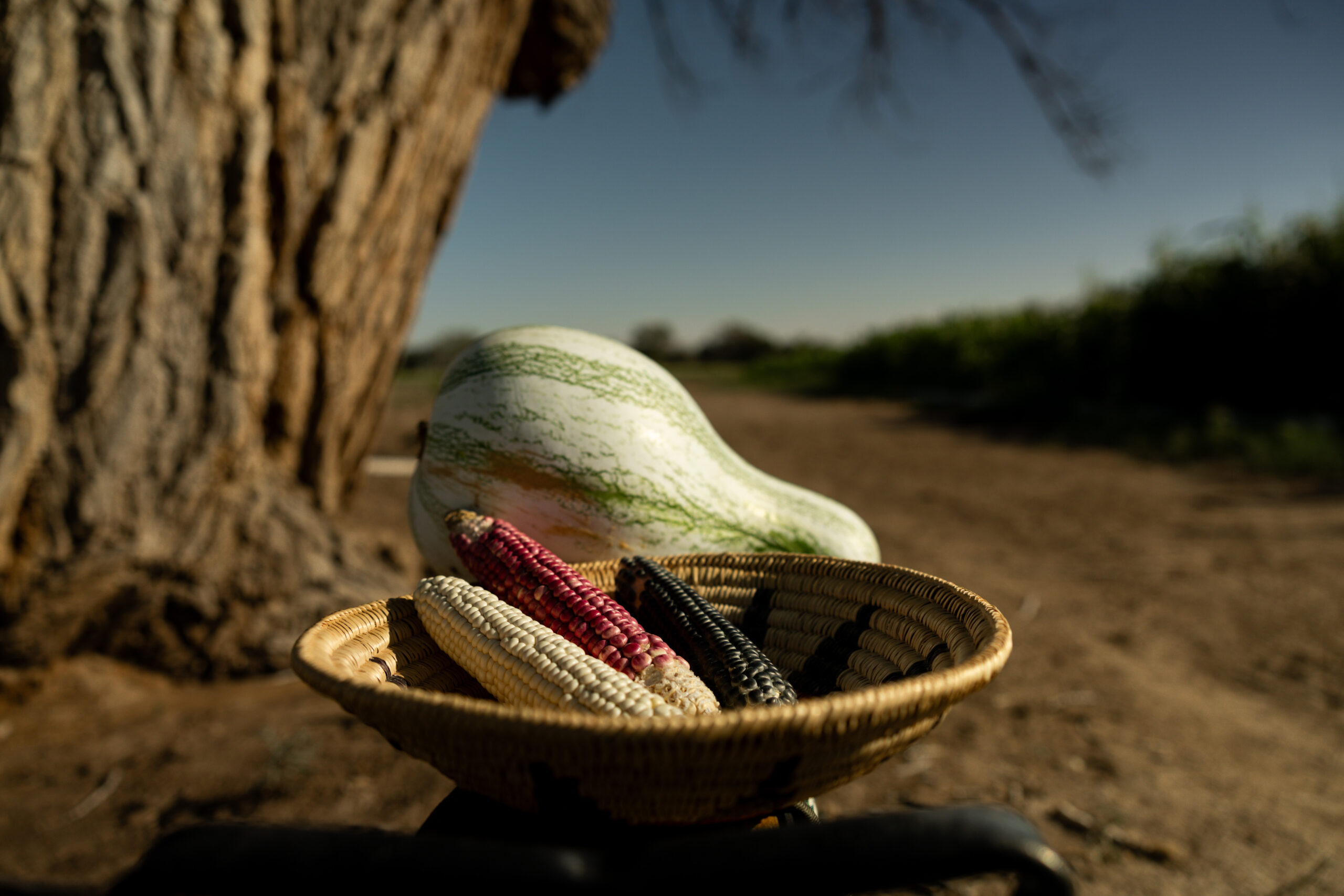
First Nations Development Institute recognizes that accessing healthy food is a challenge for many Native American children and families. Without access to healthy food, a nutritious diet and good health are out of reach. To increase access to healthy food, we support tribes and Native communities as they build sustainable food systems that improve health, strengthen food security and increase their control over Native agriculture and food systems. First Nations provides this assistance in the form of financial and technical support, including training materials, to projects that address agriculture and food sectors in Native communities.
Lead Program Officer, Native Agriculture and Food Systems Investments
Ojibwe (Red Cliff)

Senior Program Officer, Native Agriculture and Food Systems Investments
Muscogee
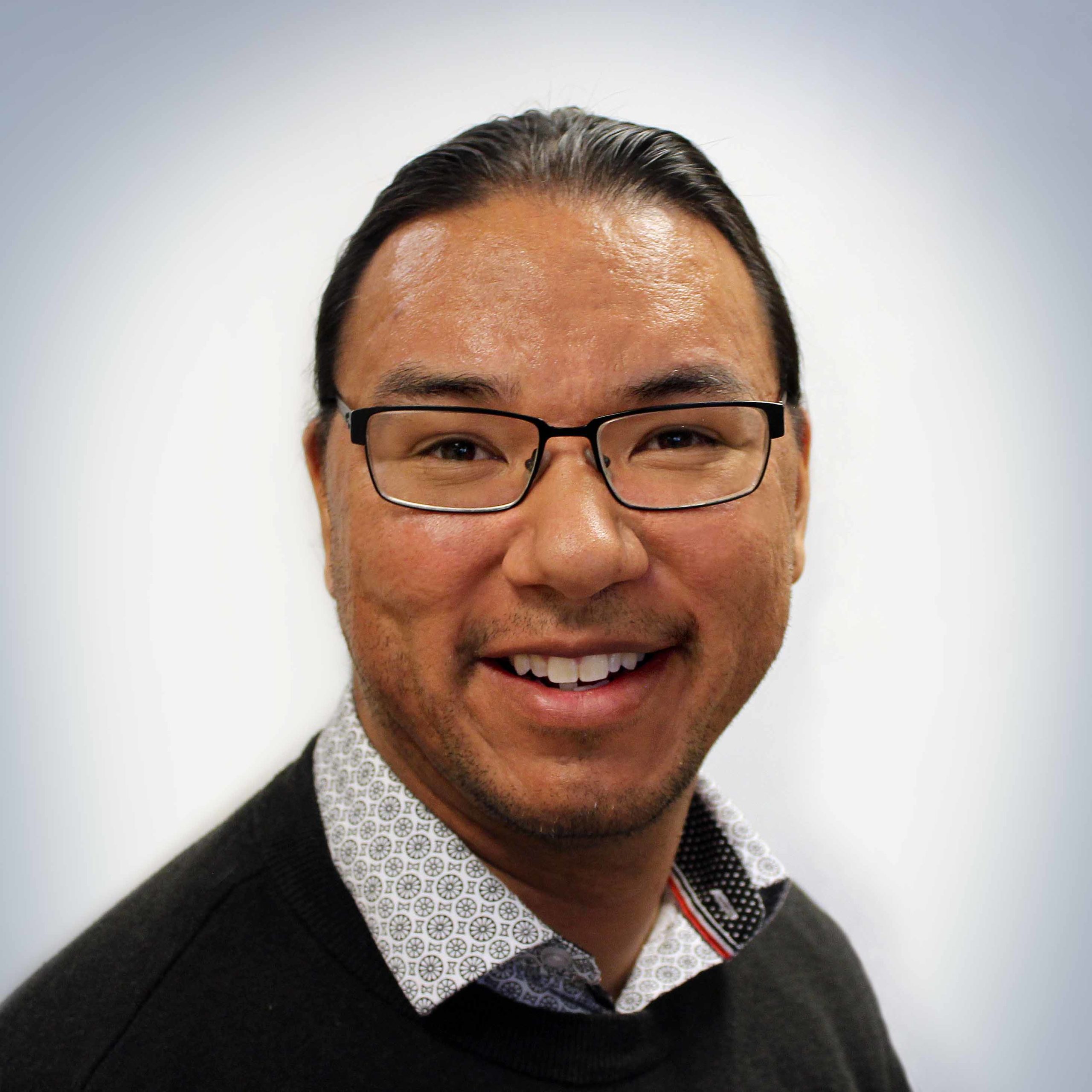
Director, Native Agriculture and Food Systems Investments
Oneida Nation of Wisconsin
Senior Director, Native Agriculture and Food Systems Investments, Grantmaking, and Research and Advocacy for Native Economic Justice
This grant supports the Bobcat Birthworker & Community-Based Training in Anadarko, Oklahoma
Tepniwew strengthens tribal sovereignty by building a self‑sustaining food system. We protect and grow community assets—land, buffalo, gardens, milling, storage, and food access—to ensure our people can nourish themselves through the principle what we eat here, we grow here.
This project convenes Native producers and Tribal Leaders to highlight a diverse range of topics including healthcare, education, culture, economic development, and other issues impacting Native communities.
This grant supports the Denver Indian Family Resource Center's Navajo Song & Dance Event.
This project increases food security on Pine Ridge by expanding processing and packaging infrastructure, strengthening tribal producer capacity, and improving access to locally sourced and traditional foods through the Makoce Food Hub.
This project will create food storage space to enhance resilience against climate change-fueled crop failures by leveraging and expanding emerging infrastructure. It will open opportunities for product aggregation to increase regional market access for small Tribal corn farmers.
This project restores ʻāina in Makaweli to increase Native Hawaiian food production and access, strengthening community food systems through culturally grounded agriculture, distribution, and workforce development.
This project supports Native Hawaiian and Pacific Islander farmers in restoring crops and rebuilding after flooding by providing direct stipends for essential supplies, strengthening resilient Native foodways and ensuring continued access to culturally relevant foods.
This project leverages local agricultural partnerships to provide nutritious food distribution and educational programming for the Chickahominy Indian Tribe - Eastern Division, protecting tribal health and food sovereignty while supporting the regional farm economy.
Wič́hóni Wašté is a structured, application-based program that provides culturally relevant food to households experiencing food insecurity while equipping our relatives with the nutrition, cooking, and budgeting knowledge to build lasting food independence.
Provide reliable, culturally relevant food to Manley Hot Springs residents through community-led distribution, reducing food insecurity, lowering costs, and strengthening local food systems while supporting health, resilience, and traditional food practices.
This project will create opportunities for tribal community members to participate in their food economy by providing new members with standardized coop setups, including generators to ensure water availability in the event of a fire and to maintain consistent refrigeration for eggs.
This project will increase the production, processing, and distribution of kalo poi and other foods, strengthening Native Hawaiian food systems, improving access to culturally relevant nutrition, and leveraging agricultural and processing infrastructure to support health and resilience in East Maui.
This project strengthens Native food security in Nch'i-Wána *Yakama and Umatilla* by protecting ancestral food landscapes, advancing intergenerational knowledge, and developing community-led food infrastructure to ensure long-term access to culturally relevant foods.
The SHARE Project will increase access to healthy, culturally relevant foods across the FPIR through a centralized pantry and mobile distribution system, leveraging partnerships to ensure equitable access for elders, low-income households, and underserved communities.
This project restores a clan-led Indigenous food system by activating ancestral land, teaching seasonal harvesting practices, and building long-term capacity for stewarding, processing, and sharing traditional foods.
The Comanche Nation project will restore traditional foodways through a community garden, tribal seed bank, and elder-led workshops — integrating tribally grown foods into existing distribution and reconnecting 309 households to the seeds, knowledge, and culture defining Comanche food sovereignty.
This project secures a land assignment so that we may build the Hopi Resource Center, a multi-function food receiving, processing, storage, and distribution facility. It will increase access to both Native foods and products that our families currently travel thousands of miles per year to purchase.
This project supports Muscogee Creek Nations' initiative to protect the sacred Muscogee Creek ancestral site while raising awareness and advancing land restoration efforts, returning ancestral remains, and uplifting Indigenous sovereignty, cultural preservation, and respect for sacred places.
To assist services provided to First Nations by collaborating in the planning and execution of the 2026 Food Sovereignty Summit in Suquamish, WA from August 24-27, 2026.
This project advances Urban Indian Food Sovereignty in two parts: first, demonstration growing, foodways workshops and community feasts share knowledge to inform the collective build out of long-term foodways access in a Native orchard/foodways walking trail on our TNAS-managed conservation acreage.
The Yurok Tribe Food Sovereignty Program will implement a culturally rooted initiative to support Yurok mothers, infants, and young children by increasing access to traditional first foods through the distribution of seasonal Traditional Food and Healthy Food boxes.
This project revives imu culture in the Waimānalo Hawaiian Homestead community, strengthening cultural identity, food self-sufficiency, and shared learning. Through traditional earth oven practice, we nurture connection, mālama ʻāina, and the passing of knowledge between generations.
Through our Tribal partnership with the Yankton Sioux Tribe and with community and Elder-led governance, we provide nutrient-dense traditional foods and intergenerational knowledge to ensure the health and self-determination of Native mothers and infants.
The ultimate purpose is to increase traditional knowledge, improve the health of parents and their babies (i.e. mental, spiritual, physical, emotional), leverage current resources for birthing nursing parents and lactation professionals.
The purpose of the Breastfeeding and First Foods project is to increase breastfeeding duration in Tribal Communities in Wisconsin through a variety of educational and support initiatives.
This project will convert a hoop house into a year-round greenhouse for the Pueblo of Zia, incorporating a horizontal hydroponic system alongside soil production to grow culturally important crops like chile, corn, squash, and herbs, supporting local food production and community food sovereignty.
Ukwakhwa will pilot expanded production of Haudenosaunee heirloom corn and beans to strengthen seed sovereignty, teach scalable growing methods, and increase culturally relevant food access for tribal elders through the Tribal Elder Food Box program.
This project will expand culturally grounded maternal health and first foods programming for urban Native families in Detroit by increasing access to traditional food knowledge, lactation support, and Indigenous parenting practices.
This project strengthens governance of food systems on the Navajo Nation by supporting Diné women ranchers as decision-makers in land, livestock, and food policy. Through strategic convenings, participants will position women's leadership within tribal food governance structures.
This project supports a traditional meat harvesting and processing camp where Nez Perce families hunt on ancestral lands and learn hide tanning, meat cutting, and preservation. The camp strengthens food sovereignty by sharing traditional food knowledge across generations.
This project advances Indigenous First Foods sovereignty by expanding culturally grounded Milk Medicine education, supporting Indigenous parents and caregivers, and strengthening intergenerational knowledge that sustains maternal, infant, and community health and protective factors.
The Traditional Birth Work Gathering serves to revitalize and reclaim traditional Lakota Birth Practices along side Traditional foods and land protection. Our gathering is a space for community healing and learning. This project has been a catalyst in the Indigenous Birth Justice movement.
The project will expand maternal wellness services by restoring Indigenous birthing traditions, nourishing mothers with traditional foods, and strengthening community support from pregnancy through postpartum. By reconnecting families to ancestral knowledge we enhance maternal and infant health.
This project strengthens Indigenous food sovereignty by revitalizing traditional knowledge and culturally rooted systems of care for Native families in Montana, leveraging ancestral teachings on First Foods, lactation, and postpartum healing.
This project will create 14 fee PreK-12 unit plans highlighting indigenous foodways of the midwestern region. It leverages the expertise of three indigenous communities - Jessica Walks First (Menominee), Kim McIver (Ojibwe) and Gina Roxas (Prairie Band Potawatomi) as well Pilot Light teachers.
This project will strengthen Ojibwe food sovereignty by creating seasonal, land-based learning gatherings where community members and schools participate in traditional harvesting, food preparation, and Ojibwe language use tied to berry picking, wild rice, trapping, and hunting-related foodways.
This project revitalizes Native Hawaiian birth and food traditions by expanding culturally grounded maternal and infant care and birthing practices, first foods education, and practitioner training, strengthening community networks and increasing access to traditional foods for families and keiki.
This project strengthens Native food sovereignty by restoring breastfeeding as a sacred First Food, expanding access to culturally grounded lactation support, supplies, and early nutrition education, empowering families to nourish infants through traditional, self-determined food systems from birth.
GPVSC will launch a Native Veteran traditional hunting and food-sharing program that reconnects Veterans to cultural foodways, organizes safe hunting on tribal lands, and distributes harvested game to low-income and elderly Veteran households across Rocky Boy, Blackfeet, and Fort Belknap.
The Alaska Native Birthworkers Community is a community-based group of full spectrum Indigenous birth helpers and reproductive justice advocates organizing to reclaim Indigenous birth practices and to support Native families from preconception through postpartum with culturally-matched care.
Doulas with Dinners provides postpartum meals for Indigenous families in their first month after birth to support healing. These meals incorporate cultural ingredients and reconnection to ancestral foods. We aim to ease postpartum transition, ensuring they feel supported during this sacred time.
This project strengthens Native food sovereignty by building governance infrastructure that supports Native leadership of urban food systems, strengthens land stewardship practices, and connects Indigenous farmers, food initiatives, and community health efforts.
Kwiyagat Native Foods Program will revitalize Ute Mountain Ute traditional foods in school—building youth identity, health, and food knowledge. Through meal integration, gardens, producer-led learning, field trips, and community meals, we strengthen food sovereignty and bring traditional foods back
The Healing Food Traditions Project which will educate expectant and new mothers about Navajo traditional foods that foster a healthy diet. Through the development of an online resource and implementation of 3 workshops, this project will connect families to cultural stories, customs, and knowledge.
This project will strengthen a new Intertribal network of food system infrastructure by operationalizing Red Cliff’s new Multi-Purpose Food Sovereignty Building, resulting in increased processing, storage, and economic opportunities for Tribal producers and rebuilding of traditional trade routes.
Rematriation’s 9th Annual Rekindling the Fire of Our Sisterhood Gathering is centering Haudenosaunee traditional food practices with hands-on workshops in seed keeping, fire keeping, and wood-fired clay pottery making.
This project supports Navajo families through culturally grounded postpartum education that connects bodyfeeding, traditional foods, and Navajo language. Community workshops and educational materials will strengthen Indigenous nourishment practices and maternal and infant well-being.
The “Awahsin: Restoring the Great Plains Indian Diet on a Piikani-Owned Community Site” engages Piikani youth in the learning and practice of cultivating, harvesting, and enjoying or selling traditional Piikani foods upon the recently acquired Piikani Lodge site on the Blackfeet Nation.
Hanauna Mau strengthens food resilience by reconnecting communities to preservation, provisioning, and ʻāina (land)-based nourishment. Participants learn drying, fermenting, smoking, canning, and other traditional and modern methods for sustaining both voyages and everyday life.
The Lower Sioux Indian Community (LSIC) seeks to re‑establish a tribally managed bison herd as a means of restoring food sovereignty, strengthening cultural identity, and improving long‑term environmental resilience.
Cherokee Nation
Menominee Indian Tribe of Wisconsin
Navajo Nation, Arizona, New Mexico, and Utah
Klamath Tribes
Blackfeet Tribe of the Blackfeet Indian Reservation of Montana
Pit River Tribe, California
Turtle Mountain Band of Chippewa Indians of North Dakota
Cheyenne River Sioux Tribe of the Cheyenne River Reservation, South Dakota
Te-Moak Tribe of Western Shoshone Indians of Nevada
Oglala Sioux Tribe
Seneca Nation of Indians
This grant will support the National Tribal Geographic Information Support Center (NTGISC) with their 16th Annual National Tribal GIS® Conference in Albuquerque, NM.
This grant will sponsor Kiowa Gourd Clans Annual Food Gathering
Waipiʻo Farm Restoration & Food Production Project restores historic loʻi kalo for long-term food production and community learning while honoring the land’s cultural legacy as a Wahi Pana.
This grant sponsors youth from 303 Indigenous Productions—a Native youth digital storytelling collective—to attend the 2026 NICWA Conference and share their film, Concrete Warriors, to help professionals better engage at-risk Native youth entering or having experienced the child welfare system.
This grant supports the 2026 Indigenous Data Sovereignty Summit
This project restores traditional camas prairie on Sxemenech, strengthening Coast Salish food sovereignty through youth-led stewardship, intergenerational learning that reconnects community members with traditional foods and ancestral homelands.
This project will ask for people to consider the Buffalo first. There needs to be integrity and respect for the Buffalo, how they live all the way through to how they die, in order to provide quality meat for the people and allow for the people to have a cultural relationship with the Buffalo.
This project will control feral ungulates at the Food Resiliency Hub, protecting native crops and traditional farming. By training in sustainable management of this invasive species, we'll increase food security by safeguarding cultivated resources while creating an additional protein source.
Healthy Start empowers Indigenous families in urban Detroit by revitalizing first foods, supporting maternal wellness, and strengthening cultural ties—ensuring that Native parents can nourish, raise, and care for their children in ways that honor ancestral knowledge and uphold food sovereignty.
create space that centers the reclaiming, utilizing, controlling and transferring of culturally, spiritually relevant applicable skills knowledge and experiences to coming generations for reclaiming and maintaining, as well as leveraging, Womb Sovereignty and self determination and body autonomy.
The Mahiʻai Night Market strengthens Native Hawaiian food sovereignty by supporting local farmers, revitalizing cultural practices, & fostering ʻāina-based learning. It is a recurring asset that nurtures health, identity, & resilience through food distribution, cultural & ecological restoration.
This project will leverage Sacred Storm Meats & Treats and Sacred Storm Buffalo Plant to support development of a community-rooted, ceremony-driven food hub and distribution system strengthening Native food sovereignty through traditional meal giveaways and partnerships with Indigenous producers.
This project will increase food access by establishing a subsistence program that fosters cultural education & sustainable harvesting practices. It will support school meals, teach students traditional practices, & empower the community to sustain itself through intergenerational knowledge-sharing.
This project will address the immediate food needs of the Monacan community by increasing access to healthy, culturally relevant food. It will support the operational capacity of the MIN Food Bank as we work to promote Monacan food security and become an active contributor to our local food system.
FOAFS wish to sponsor Iakwathehtahserón:ni (we are reviving our garden) to implement a healthy foods program in our school. We strive to feed our students and staff a daily morning snack and healthy home cooked lunch that includes garden fresh vegetables as well as wild game.
Buffalo Youth Nation Project restores Indigenous food sovereignty by nourishing Native Youth, revitalizing bison lifeways, and leveraging cultural, ecological, and community assets to heal, empower and sustain Native Nations.
The Medicine Meal Program will build food security as a direct asset and a means to leverage others in supporting Native food sovereignty through distributing culturally relevant monthly kits, managing partnerships with Native producers, and maintaining access to nutrition, equipment, and education.
The Hō’a’ā i Kanalani Gather Food Sovereignty Project will increase cultivation and production of traditional Hawaiian food plants to achieve food sovereignty; and increase native forest with traditional food plants to create a biodiverse food forest.
Our program strengthens the survival of Ojibwe cultural skills. Our Seasonal Harvest Feasts revitalize Indigenous knowledge by gathering community members to practice traditional harvesting. As food must be gathered, so must the community to learn how these foods were used in meals and celebrations.
The Kupeke Fishpond project boosts food security by restoring Hawaiian aquaculture. It will remove invasives, raise native fish, and revive a coconut grove. Community and youth involvement throughout will reconnect people with ancestral food systems, promoting sustainability and resilience.
This project will increase access to fresh, culturally relevant foods by bringing intertribal pop-up pantries directly to Indigenous communities, leveraging cultural knowledge and community networks to address food insecurity, support health, and strengthen local food systems.
The project strengthens Native Hawaiian food security systems through restoring native agroecology, traditional taro cultivation & irrigation systems. It will preserve ecological and cultural assets of native food production, while building shared-use infrastructure to support community stewardship.
This project reinforces breastfeeding as a sacred first food and supports maternal-infant health by distributing breast pumps, supplies and culturally grounded lactation support to Native families, strengthening Native food security at the start of life.
This project will strengthen Pueblo food sovereignty by training youth in traditional agriculture and expanding access to native seeds. It leverages decades of seed stewardship and community trust to increase local food sovereignty, cultural knowledge, and climate resilience in Santa Clara Pueblo.
This project will prevent spoilage of frozen foods during power outages caused by extreme weather events, enable us to continue to care for livestock during power outages, increase energy efficiency, alleviate electricity costs, and replenish food processing supplies,
This project will provide increased traditional Cherokee foods to mothers and children, provide training on traditional gardening and cooking, and create and provide resources for program participants, as well as the larger Cherokee community regarding traditional Cherokee foodways.
This project will support WPHWs’ food sovereignty team to increase accessibility of traditional and nutritious food options, including protein, for Wabanaki communities. We will also supply meal kits called TraDishes (traditional dishes), that include ingredients and recipe cards to families.
The Bering Strait faces challenges to food security due to high costs, supply chain disruptions, and challenges to subsistence practices. Two Kawerak programs in food production, both farming and reindeer husbandry, will elevate local, Tribal agriculture in policymaking to help address these needs.
This project will help create opportunities for local Native families to deepen their land-based connections to traditional foods & plant medicines while protecting their rest and healing during postpartum by leveraging partnerships to deliver nourishing meals to their doors.
This project will support traditional food harvesters and procure supplies for the processing of traditional subsistence foods. This will leverage existing support and funding for creating a gathering space for ceremony, processing, cold storage, trade, knowledge sharing, and healing.
Kwiyagat Native Foods Program will expose 165 students at Kwiyagat Community Academy and Battle Rock Charter School to Native Foods by including samples in school lunches, hosting community events, Native Farm speakers and field trips, creating Native Food recipe book and enhancing school gardens.
The purpose of the Breastfeeding and First Food Program is to build community support for breastfeeding through educational initiatives to increase the duration rates of breastfeeding in Tribal Communities in Wisconsin.
The project revitalizes Navajo bodyfeeding traditions to improve health, decrease maternal and infant mortality, and strengthen cultural identity. We leverage ancestral knowledge, language, and ceremony as living assets to promote wellness and balance across generations.
We will contribute to community health and give economic opportunities by cultivating native foods and beekeeping, supporting farmers with supplemental income to grow food. We will create pathways for elders to share knowledge of recipes, medicine, cooking & food preservation for maternal health.
The project centers around Haudenosaunee food security, cultural revitalization, and intergenerational learning.
Provide free direct services to Native birthing families; grow a cohort of trained Indigenous birthworkers to serve Native birthing families; and support systemic change for improved maternal health outcomes and positive birthing experiences for Native birthing families.
This program strengthens Native food sovereignty by expanding land-based education, entrepreneurship, and access to capital. Through workshops and intergenerational learning, the project supports Native producers in growing, selling, sustaining culturally rooted agricultural practices.
This project will purchase and install biodigesters in Oglala Lakota Territory and in the Duwamish Longhouse and Cultural Center to produce organic fertilizers and methane for heating and cooking, which will enable Native Food Sovereignty programs to operate without relying on LNG.
This project will provide board training to help the board of directors govern and guide the organization. This project will help the Executive Director expand her expertise in best practices and standards in decision-making, management, and strategic visioning with both board and staff.
This project strengthens workforce capacity in Native communities by equipping food entrepreneurs with training, tools, and mentorship. It leverages the Entrepreneur Complex as a cultural and economic asset to grow sustainable businesses and expand employment in the Indigenous food sector.
This program restores ancestral abundance by developing a culturally grounded, technically skilled workforce of community members to steward Hawaiʻi’s natural resources. It protects Indigenous knowledge systems while building career pathways in restoration, food sovereignty, and climate resilience.
To create a Geospatial Data Sovereignty/ Governance resource kit to help inform tribal leadership and legal counsel of best practices for establishing data governance policies. The project also aids in coordinating activities to develop a national database for Missing and Murdered Indigenous People.
This project will help increase the teaching space and time for our food sovereignty program's food preparation and preservation workshops and growing workshops. This leverages our existing infrastructure in our campus cafeteria and greenhouse.
This project will support the Red Lake Nation in planning and developing an agrovoltaics initiative that uses solar arrays to grow fresh, culturally significant vegetables while advancing food sovereignty.
This project trains Apsáalooke youth and families to produce traditional crops while increasing fresh food options, using economic opportunity as a path to food security and cultural restoration. It incorporates partnerships to teach traditional and contemporary knowledge of indigenous food systems.
The Pit River Greenhouse aims to address food security issues with a sustainable food system based on community agriculture and food harvesting for its nearly 4,000 Tribal membership.
This project will create workforce pathways for Native students by training them in cultural preservation and digital archiving. It leverages the historical assets of the Petroglyph National Monument to build economic opportunities rooted in cultural heritage, land stewardship, and stewardship.
This project will improve the breastfeeding support and education among the American Indian/Indigenous communities of Minnesota.
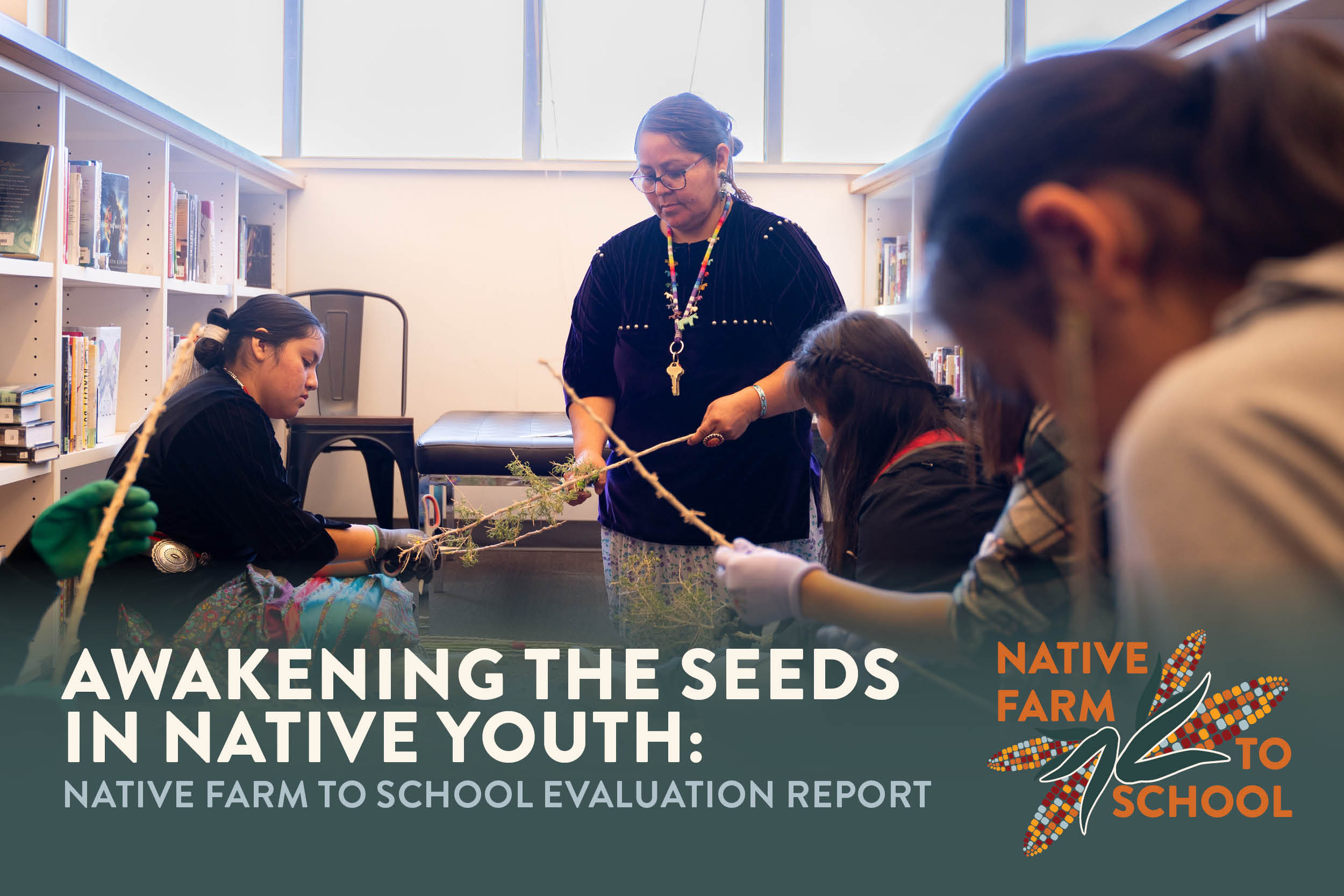
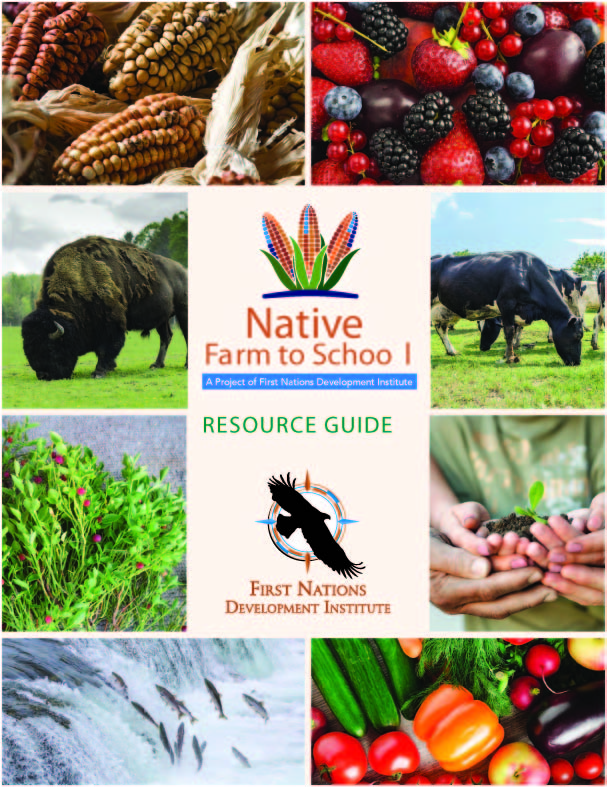
First Nations will be hosting a series of four (4) virtual technical assistance sessions covering the Native Farm to School Program Planner. During the session the Consulting Program Partners will have support in developing their program plan. A completed Native Farm to School Program plan will be submitted to First Nations by the end of the project period
Big Valley Band of Pomo Indians of the Big Valley Rancheria, California
Crow Tribe of Montana
This project will increase the understanding of the impact of workforce and economic development efforts on the Crow Reservation and in other Native Communities. The information can be used to create or modify existing projects and to leverage for future funding.
Northern Cheyenne Tribe of the Northern Cheyenne Indian Reservation, Montana
Red Cloud Renewable is empowering native tribal members by providing instruction and training, at no cost, in the newest renewable energy solutions to encourage self-determination and tribal sovereignty. Through three focus areas: solar energy, weatherization and building energy sustainable dome homes, we foster safety and security within the family home.
Confederated Salish & Kootenai Tribes of the Flathead Reservation
With this program we can start to collect our harvested deer and elk hides at a larger scale from our processor. This will provide our organization the space and infrastructure needed to process hides for other organizations on the reservation. We will also offer hide tanning classes for our members.
Navajo Nation, Arizona, New Mexico, and Utah
This project will help inform a narrative of what the workforce development needs are with Navajo nonprofits and communities, and how these needs differ from US States.
Inter-Tribal
This project will help increase NCIDC's capacity to participate in the First Nation Development Institute's research in workforce development and economic justice by helping to cover the organizational costs of participation. This will allow the First Nation Development Institute to utilize NCIDC's experience and knowledge of working with Indigenous communities.
Oglala Sioux Tribe
This project supports a local food system among the Oglala Lakota by developing skills, knowledge, and infrastructure necessary for a local, connective food system. It empowers members to take leading roles in decolonizing the food system by leveraging education, resource sharing, cultural connections, and economic opportunities rooted in Indigenous ecology.
Blackfeet Tribe of the Blackfeet Indian Reservation of Montana
Blackfeet Community College is currently working on becoming a net zero campus. We have 5 buildings run by solar energy. The other project is a Meat Processing Plant and certification. The meat will be processed, wrapped and distributed to food banks and elders in the community.
Inter-Tribal
This project will help enhance workforce development within tribal communities by equipping tribal members with essential job skills. It will utilize existing resources and programs, and empower communities to retain their tribal workforce. Leverage the workforce development project to attract funding and establish partnerships that increase educational and employment opportunities.
Pueblo of Laguna, New Mexico
The purpose of the project is to implement a set of practical workforce development recommendations that retain the community's needs, values, and tribal priorities as well as strengthen families, workers, employers, and economic infrastructure.
Native Hawaiian
The project will create 'āina-centered, community-led workforce development opportunities in East Maui that reclaim Native Hawaiian economies, perpetuate cultural practices, and safeguard place-based natural, cultural, and spiritual resources for future generations.
Oneida Tribe of Indians of Wisconsin
We would like to convert our main garden area into raised beds. These changes will make this space more accessible to our community members, especially, those in wheelchairs, walkers, and strollers. We also are installing a handicapped accessible bathroom near the events area.
This grant will provide funding for the annual sundance gathering.
Lac du Flambeau Band of Lake Superior Chippewa Indians of the Lac du Flambeau Reservation of Wisconsin
Minnesota Chippewa Tribe, Minnesota (Bois Forte Band; Fond du Lac Band; Grand Portage Band; Leech Lake Band; Mille Lacs Band; White Earth Band)
Minnesota Chippewa Tribe, Minnesota (Bois Forte Band; Fond du Lac Band; Grand Portage Band; Leech Lake Band; Mille Lacs Band; White Earth Band)
Inter-Tribal
This support will allow our organization to create a teaching curriculum and provide technical support to tribal members to address the issues of food deserts, food insecurity, lack of access to fresh produce, and the resulting rise in preventable disease disproportionately affecting the health and well-being of Native American communities.
Yankton Sioux Tribe of South Dakota
General Operating Support
General Operating Support
General Operating Support
This project will enable Texas Tribal Buffalo Project to increase their capacity to support a Meat Manager to increase the accessibility of a traditional food source, the Buffalo, for Indigenous Lineal Descendants across Texas.
Pueblo of Cochiti, New Mexico
This project will enable our organization to retain our outdoor classroom which will continue to provide our children and community with methods to expand opportunities for intergenerational exchange of Keres in agricultural, historical, traditional, contemporary, and formal contexts to strengthen people’s use of Keres and stimulate community-level, cross-generational Keres fluency.
Zuni Tribe of the Zuni Reservation, New Mexico
This project will assist in increasing equitable access to healthy food while increasing food security to help leverage the reduction of health disparities through the use of innovative food distribution, family kits, food sovereignty education, and the creation of a community food pantry for famished youth and families of Zuni.
Inter-Tribal
This project will help to increase cultural connection, nutrition education, availability of indigenous foods, and experience preparing recipes using indigenous ingredients through monthly Indigenous Meal Kits delivered to participants receiving primary care, behavioral health care, nutrition education, or cultural services at Butte Native Wellness Center.
Oglala Sioux Tribe
Our Indigenous food pantry program seeks to create a sustainable source of nourishment, retain traditional food practices, and increase community involvement to better utilize and control our resources, ensuring increased access to culturally significant foods while leveraging support for our community's well-being.
Native Village of Tyonek
This project will leverage the existing assets of the Tyonek Grown program to increase food production, healthy food access, and knowledge of gardening and traditional food harvesting by creating a Tyonek Garden Club. Community members will be provided with garden space, seeds and tools, educational support and knowledge-sharing.
Rosebud Sioux Tribe of the Rosebud Indian Reservation, South Dakota
This project will provide funding for the Wakanyeja Tokeyahci Lakota immersion school to source local and traditional ingredients to be used in daily meals at the school. It will develop healthy eating habits among the elementary age children and their families.
Shoalwater Bay Indian Tribe of the Shoalwater Bay Indian Reservation
This project will increase the efficiency of our produce production through the purchase of advanced gardening equipment, while also creating a new poultry harvesting program to supplement our garden.
Salamatof Tribe (formerly Village of Salamatoff)
The purpose of the project is to increase access to local food where many people struggle with food security. SNAI will acquire locally sourced and harvested food, and process, package, and distribute the food to households in need in the Salamatof service area.
San Carlos Apache Tribe of the San Carlos Reservation, Arizona
This project will increase the availability of locally grown, nutritiously dense foods that can be accessed through community partnerships that cook and distribute the healthy foods to tribal members.
Navajo Nation, Arizona, New Mexico, and Utah
This project will create 20,000 square feet of new gardening space that will be used to grow traditional and non-traditional foods organically which will greatly increase the availability of fresh vegetables in eastern agency on the Navajo Nation.
Ho-Chunk Nation of Wisconsin
This project will increase agricultural education, creating alternative food sources in five low-income Ho-Chunk villages. It will increase our year-round workshops and training on cultivating, harvesting and processing traditional foods. It leverages tribal resources to combat food insecurity and offers food sovereignty to promote self-sufficiency and cultural heritage pride.
Inter-Tribal
Our Tribal Food Program will increase the number of Native Americans with access to healthy and traditional foods through our tribal food pantry. The project will also create new intergenerational learning opportunities for Native youth and families within our community kitchen, one of the few for Indigenous people in Texas.
Yankton Sioux Tribe of South Dakota
This project will reduce Yankton Sioux food insecurity food sovereignty by leveraging existing services (food pantry, monthly drive-up food boxes, children’s backpack food, and food distribution). A newly-created element will increase food sovereignty through community classes teaching families how to establish/maintain a garden and how to preserve (can/dehydrate) foods.
Other
The project will utilize continued access to local foods through local procurement, increasing food soverignty of the tribe, and agricultural education efforts.It also leverages existing tribal assets to increase healthier food options for indigenous students, who live in a community with high rates of diabetes and other diet-related illnesses.
Inter-Tribal
This project will increase UAII’s capacity to provide food to the urban Native population in Los Angeles and allow us to create a food-distribution program harkening back to our roots in 1974 Skid Row, where UAII started as a haven for the most vulnerable members of our community.
Pascua Yaqui Tribe of Arizona
Our food security and nutritional support program is designed to create sustainable solutions for vulnerable communities. By developing and originating initiatives, we aim to increase access to nutritious food, retain food resources, utilize local capacity, control decision-making processes, and leverage partnerships to ensure long-term well-being and resilience.
Navajo Nation, Arizona, New Mexico, and Utah
The Three Sisters Native Farmers Collaborative is intended to increase the access that Native American and Indigenous birthing families have to traditional foods, without the barriers. Leveraging our funding in this way supports the wellness of their growing babies, reinforces their relationship with the land, and addresses food insecurity.
Inter-Tribal
This project will utilize a mobile freezer unit to distribute buffalo meat, and essentially increase the availability of traditional food sources across Texas Indigenous communities.
Saint Regis Mohawk Tribe
This project will create additional opportunities for capacity building among the Agriculture Program staff to better serve the food needs of our community as well as increase the health, wellbeing, and quality of the Program’s two flocks of laying hens for the egg program.
Navajo Nation, Arizona, New Mexico, and Utah
This project will help support the ongoing food distribution with fresh vegetables and fruit along with tribal food boxes every first Friday at our school serving the surrounding community, mainly the Navajo Nation. It will also help distribute tribal food boxes to our students through the school bus system.
Scotts Valley Band of Pomo Indians of California
Scotts Valley aims to create a food pantry to cultivate a valuable community asset, providing essential food resources to those in need while also building capacity to better address and alleviate food insecurity by providing a pantry inspired by healthy foods traditional to a Native diet.
Port Gamble S'Klallam Tribe
Port Gamble S’Klallam Tribe (PGST) will increase its food bank availability of fresh produce and low-sodium options for health deficiencies and dietary restrictions. This will be achieved by purchasing $9,590 worth of traditional fresh food, and 192 reusable freezer bags plus 3 storage totes totaling $410 to maximize produce shelf-life.
Blackfeet Tribe of the Blackfeet Indian Reservation of Montana
This project will increase access to foods that fit a traditional Blackfeet diet. The project leverages FAST Blackfeet’s ability to educate community members on healthy and traditional eating through the Ō´yō´•ṗ´ (We Are Eating) Food Pantry and other programs. This contributes to long-term food insecurity prevention in the Blackfeet Nation.
Native Hawaiian
Our ultimate purpose is to have access to a boat to increase our community engagement through Hawaiian culture, fisheries management, marine education, and increased food access. We aim to utilize the boat as a platform to foster sustainable practices, preserve culture, and empower our community through knowledge and marine resources.
This project will enable Waimea Hawaiian Homesteaders' Association Inc. to increase their capacity to continue providing cultural programming around fiber and food projects.
Inter-Tribal
This project supports Crushing Colonialism’s Indigenous-led programs by sending two representatives to SOCAP Global, San Francisco, October 23-25, 2023 (https://socapglobal.com/events/socap23/). We will be developing partnerships with potential funders to increase organizational sustainability for our programs: #HireIndigenous, Decolonized Beatz, Frontline Journalism & Publishing, Talking Circles, and Multimedia Advocacy.
Lactation Teepee at Black Hills Powwow
Inter-Tribal
This project will retain our existing food distribution programs via weekly meals and food pantry access to four locations on campus. Utilization of these funds will allow our pantry to grow in offerings, supporting our existing needs and increasing future demands.
Modoc Nation (formerly The Modoc Tribe of Oklahoma)
This project will help create first foods availability by removing derelict fencing posing risk to struggling interstate mule deer and state-focus pronghorn herds. It will also increase sacred botanical resources by controlling trespass cattle grazing and leveraging the value of regenerative grazing with goats now and buffalo in the future.
General Operating Support for Maui Wildfire Relief
General Operating Support for Maui Wildfire Relief
General Operating Support for Maui Wildfire Relief
Northern Plains Food Summit Support
Turtle Mountain Band of Chippewa Indians of North Dakota
This grant will help our food pantry stay in operation and serve our clients.
This project will enable Generations - Indigenous Ways to increase their capacity to hold their Yound Women's Camp.
Chippewa Cree Indians of the Rocky Boy's Reservation, Montana
This project will help create partnerships that will leverage assets and resources, while creating sustainable community connections. It will increase access to healthy foods and traditional foods. It will increase efficiency in market operations, management, and services. It will build staff capacity, and marketing and outreach efforts.
Assiniboine and Sioux Tribes of the Fort Peck Indian Reservation, Montana
The Purpose of this Project is to create a market for traditional foods and teas in our local, on-Reservation community, to provide education surrounding ethical harvesting of our local native plants that are used as traditional foods and teas by creating a ritual of reciprocity.
Kiowa Indian Tribe of Oklahoma
General Operating Support
Inter-Tribal
This project will help increase the availability and accessibility of organic fruits and vegetables for community members struggling with food insecurity through direct distribution while leveraging support from local restaurants to subsidize our Community Giving.
Native Hawaiian
The purpose is to create a Native Hawaiian program integrating cultural food, family gardens, and activities in a sustainable future for well-being. To empower people to reclaim their heritage, leading to physical, spiritual healing, self-care, and intergenerational connections. Maintaining their access to traditional foods, storytelling, music, arts, and outdoor activities.
Our purpose is to create space that centers the reclaiming, utilizing, controlling and transferring of culturally, spiritually relevant applicable skills knowledge and experiences to coming generations for reclaiming and maintaining, as well as leveraging, Womb Sovereignty for our people , which we believe seeds liberation for coming generations.
Inter-Tribal
The North Coast Native Protectors Tribal Marine Collaborative was founded with the purpose of developing collaborative relationships between Indigenous Nations through effective communication to implement environmental programs to protect the ocean resources. Collaboration would greatly increase participation in designing pollution prevention programs that starts inland, and reaches to the ocean.
Other
This land Acquistion project will create an opportunity for the tribal community to develop, create and sustain, environmentally safe and sound practices in protection, preserving and being good stewards of the land. The Tribe will use proven scientific and tribal information to provide added value to this project.
Oneida Tribe of Indians of Wisconsin
This project will work to increase acreage of healthy soils in our operations. In our management of our livestock and white corn, this will increase bioavailable nutrients for our crops and animals, resulting in higher nutritional value in our hay, pasture, beef herd, and white corn.
Oglala Sioux Tribe
Create opportunities for our community members to connect with traditional foods that can be found all around us. We will shift the thinking in our community from food desert to food oasis.
Inter-Tribal
This project will utilize citizen science to protect berries within the Copper River Basin, add value to a culturally and nutritionally significant food source, and will increase the availability of this subsistence resource to community members.
Hopi Tribe of Arizona
This project will create an engagement opportunity for our community, particularly the youth, to learn about and engage in respectable local harvesting practices. This new stepping stone will leverage Hopi Relief's ability to grow our local sustainable food efforts for the Hopi people.
Paiute-Shoshone Tribe of the Fallon Reservation and Colony, Nevada
Increase food sovereignty and access to nutritious foods by opening a Tribal Food Pantry. Operating a Tribal Food Pantry pantry will decrease dependence on off-reservation pantries and provide consistent food access to at-risk members of the community.
Inter-Tribal
This project will increase food security for Qutekcak Native Tribe by creating Asisqat neq'rkat (Healthy Food) Complex. Tribal members may utilize the complex to process subsistence foods and share the longevity of Asisqat neq'rkat by leveraging intergenerational learning. Maintaining existing hydroponic system will increase and retain access to fresh foods.
Inter-Tribal
This project will leverage elders' knowledge of medicinal plants in concert with lunar cycles, engaging four Pueblos in cultivating traditional medicine. Firsthand observations of the culturally significant "lunar standstill" at Chimney Rock Ancestral Pueblo site in Colorado will help retain knowledge of the Moon, as observed by our Pueblo ancestors.
Inter-Tribal
This year-long reporting initiative will allow Civil Eats to identify and fund multiple Native journalists to focus on in-depth reporting on issues of Indigenous food sovereignty, food security, and Native food and cultural traditions across North America. We will increase the stories we are able to share via Civil Eats.
Oneida Tribe of Indians of Wisconsin
Our program is designed to provide a safe space for the community to come learn about traditional Haudenosaunee agricultural methods of planting, growing, harvesting, seed keeping, food preparation, food storage, tool making, and crafting.
Native Hawaiian
This project will create a pilot ʻāina momona plan to cultivate and increase indigenous food access for the Native Hawaiian Community within the North Shore of Oahu. MLEF will also leverages feedback and lessons-learned from the pilot year to inform cultivating 10-acres of native food systems in the next 5-years.
Navajo Nation, Arizona, New Mexico, and Utah
This project will help create educational food gardens that are sustainable and beneficial to the land through the utilization of local resources. Community members will have the opportunity to learn the process of site preparation, planting, nurturing, harvesting, and preserving of traditional and non-traditional foods that relies on harvested rainwater.
Little Shell Tribe of Chippewa Indians of Montana
This project will create access to nutrition and other disease prevention and health promotion services for our Elders and work to reduce hunger, food insecurity and malnutrition of our older adults. It will also promote socialization and the overall health and well-being of our Elders.
Yankton Sioux Tribe of South Dakota
TOPS will promote emotional, mental, physical, and spiritual health of our Oyate through the preservation and documentation of the knowledge, harvesting, location and traditional teachings of sacred foods. TOPS will gather, grow, and plant our sacred foods to create healthy lifestyles for generations to come.
Confederated Salish & Kootenai Tribes of the Flathead Reservation
This project will create multiple opportunities for tribal members to learn how to garden, engage in traditional food harvesting, and how to preserve foods. We will utilize traditional knowledge keepers and master gardeners to share information about food systems, restoring our relationships with foods, and increasing tribal members' food sovereignty.
Tuolumne Band of Me-Wuk Indians of the Tuolumne Rancheria of California
This project will enable Tuolumne Band of Me-Wuk Indians to create 10 raised garden beds, setup their greenhouse, create an intergenerational Elder and youth Indigenous food sovereignty program and increase their capacity to share the produce grown by their Elders and youth with their community weekly at "Lunch with Elders".
Other
The Texas Tribal Buffalo Project exists to establish Food Sovereignty and reconnect Texas Tribal people to the Buffalo. We are a community development organization using the Buffalo and Indigenous knowledge to create access to healthy food, resources, and cultural education opportunities.
Other
Ultimately, we want to create a food processing facility to package foods grown by us, frozen or freeze dried and given/sold for our peoples to help with winter survival.
Little Traverse Bay Bands of Odawa Indians, Michigan
This Project will create economic connections between Tribal food producers (fishermen, farmers, ranchers) and Tribal institutions by generating information on product needs and Tribal production capacity. It will also leverage existing storage and transportation capacity of Ziibimijwang Inc to link producers to Tribal institutional consumers.
Turtle Mountain Band of Chippewa Indians of North Dakota
This project responds to the critical food shortages by further developing the capacity for elders and community members to grow food. It utilizes a combination of demonstration and on-site assistance to successfully develop new gardens. Impact data will include food grown and changes in participant attitudes toward fresh foods.
Inter-Tribal
This projects purpose to increase the number of Wampanoag individuals who are KPC seed stewards; leverage tribal territory by introducing the KPC into the soils and communities of our sister Wampanoag Tribes; and to facilitate educational, agricultural and artist workshops to reinvigorate our ancestral relationship to Weeachumun (corn).
Inter-Tribal
Building off of previous First Nations awards, we plan to increase value of tribal caught salmon by utilizing technical, economic, and relevant social media leverage for tribal product branding to control shifting post-covid, retail-direct to-the-consumer markets.
Confederated Salish & Kootenai Tribes of the Flathead Reservation
This funding will assist in our foundational development. We have created two annual programs that we provided to the Flathead Reservation tribal community. This assistance would provide funding that would attribute to the increasing need to house our current programs.
Oneida Tribe of Indians of Wisconsin
We will leverage existing infrastructure to increase our capacity to process food at family and wholesale scales. We will create a pool of community members with butchering skills, and allow community members to utilize the space and equipment for their own food processing needs at no cost.
Circle Native Community
This project will create a bond between youth and elders by participating in traditional practices. Through this the youth will retain and utilize knowledge held by the elders to promote health and wellness. This project will also Increase the amount of viable, cost efficient and traditional food and traditional practices.
Inter-Tribal
This project creates opportunities for urban Native groups and communities in Portland to take part in growing and preserving first foods and plants. Wisdom of the Elders programs utilize Traditional Ecological Knowledge, donated lands and partnerships to train our interns in environmental and agricultural skills that work toward food sovereignty.
Minnesota Chippewa Tribe, Minnesota (Bois Forte Band; Fond du Lac Band; Grand Portage Band; Leech Lake Band; Mille Lacs Band; White Earth Band)
This project is leveraging BFFSG's momentum and success with its community research analysis and pilot projects indicating the desire and need for BFFSG to become its own independent nonprofit. Funds will build capacity by contracting with founding board members to complete mission related development work.
This project will enable Waimea Hawaiian Homesteaders' Association Inc. to increase their capacity to address and repair the weather damage to their greenhouse.
This project will enable Waimea Hawaiian Homesteaders' Association Inc. to increase their capacity to develop infrastructure in the Waimea Nui Region.
Inter-Tribal
The ultimate purpose is to increase traditional knowledge, improve the health of parents and their babies (i.e. mental, spiritual, physical, emotional), leverage current resources for birthing nursing parents.
Lac du Flambeau Band of Lake Superior Chippewa Indians of the Lac du Flambeau Reservation of Wisconsin
This project will empower Great Lakes Inter-Tribal Council Inc. to deliver 2 educational sessions on traditional first foods for breastfeeding, distribute 35 food boxes with recipes to lactating families, host 2 events for Indigenous Milk Medicine Week, and support Indigenous Lactation Counselors in organizing 3 educational events in their communities.
Chickahominy Indian Tribe
Our program purpose is to leverage organizational strengths in program management, youth mentorship, and natural resource management programming to increase food sovereignty, capacity, and avenues for gathering foods that are indigenous to our Tribal Community.
Big Valley Band of Pomo Indians of the Big Valley Rancheria, California
This project will revitalize cultural stewardship, traditional uses, and ancestral crafts associated with tule reeds growing along the tribe's shoreline. We will actively engage tribal members in increasing tule populations and re-familiarizing ourselves with how to speak about, utilize, and weave tule into regalia, baskets, toys, and many other crafts.
Native Hawaiian
General Operating
Zuni Tribe of the Zuni Reservation, New Mexico
First Nations hereby contracts with Consultant, Major Market, Inc. to increase jobs and producers' profits, to increase food budget dollars & the amount of locally-produced food within the community, and to shorten the food supply chain. The project will provide technical and financial assistance to MMI to help the store address supply chain issues, inflation, and long-term sustainability with the purchase of local, regional, and Indigenous food inventory; for contracting and installing a solar energy system; for technical assistance for MM! 's butchering staff; and for personnel and administrative costs associated with project management.
Standing Rock Sioux Tribe of North & South Dakota
General operating support and to support your food sovereignty efforts
Inter-Tribal
This year-long, part-time contracted position would create a reporting position for a Native journalist to focus on in-depth reporting on issues of Indigenous food sovereignty, food security, and Native food and cultural traditions across North America. We will increase the stories we are able to share via Civil Eats.
Oneida Tribe of Indians of Wisconsin
Strengthening Oneida Nation’s Protein Processing Capacity
Chippewa Cree Indians of the Rocky Boy's Reservation, Montana
This project will allow the Chippewa-Cree Tribe to provide global solutions by producing hemp single use products such as fork, spoons and knives. These sample products of will be made of Hemp pellets, making them environmentally friendly.
Chippewa Cree Indians of the Rocky Boy's Reservation, Montana
This project will help create and secure food chain thru buffalo and re-introduce hide tanning as a cultural relevance to the Chippewa-Cree People
Native Hawaiian
This project will increase the sense of place & duty for our peoples by retracing the step our monarchs made as they built an independent nation amongst nations and increase the burning desire to better the lives of our people.
Native Hawaiian
Technical Assistance
Inter-Tribal
Technical Assistance
Inter-Tribal
Technical Assistance
Pawnee Nation of Oklahoma
Food Sovereignty Efforts
Turtle Mountain Band of Chippewa Indians of North Dakota
White Mountain Apache Tribe of the Fort Apache Reservation, Arizona
Navajo Nation, Arizona, New Mexico, and Utah
Cheyenne River Sioux Tribe of the Cheyenne River Reservation, South Dakota
Native Hawaiian
Other
Oneida Tribe of Indians of Wisconsin
Turtle Mountain Band of Chippewa Indians of North Dakota
Comanche Nation, Oklahoma
Native Hawaiian
Minnesota Chippewa Tribe, Minnesota (Bois Forte Band; Fond du Lac Band; Grand Portage Band; Leech Lake Band; Mille Lacs Band; White Earth Band)
The ultimate purpose of our application is to increase access, participation, and utilization of Anishinaabe-led and centered supportive pregnancy care and birthing practices through the integration of Anishinaabe birth workers.
Navajo Nation, Arizona, New Mexico, and Utah
The ultimate purpose of the is to 1) create access to traditional foods and educational opportunities related to nutrition and use of traditional foods as part of the holistic Diné education of our participating families and 2) increase knowledge/use of Diné traditional foods/plants to improve their health and wellness.
Inter-Tribal
Educational materials, sessions, and support groups for Wisconsin tribes supporting Indigenous birthing practices.
Inter-Tribal
Our purpose is to promote sovereignty from first breath. We are growing a culturally matched peer model of support to serve Native birthing families so that they feel supported, well cared for, and full of the information they need to make confident choices around reproductive health, birthing, and parenthood.
Saint Regis Mohawk Tribe
Our purpose of this project is to create an avenue for postpartum mothers and newborns to retain ancestral food sources and also leverage postpartum nutrition to better control the health outcomes and increase breastfeeding rates by utilizing traditional foods to help nourish our postpartum mothers and babies.
Pueblo of Laguna, New Mexico
The main goal of the midwifery fund is to increase access to out-of-hospital birth services for Native families. We can do this by funding midwives and doulas serving Native families and covering associated costs for families (food, transportation, supplements, etc) and by referring families to existing community resources.
Inter-Tribal
Our ultimate purpose is to create new ways to utilize and retain knowledge of Oceti Sakowin birthing practices by increasing the number of Lakota and Dakota women who will educate others on the sacred nature of birth and children and the importance of nutritious food and breastfeeding.
Inter-Tribal
This program will create work opportunities for Native youth through teaching them how to grow, harvest, and distribute organic vegetables.
Walker River Paiute Tribe of the Walker River Reservation, Nevada
The Walker River Paiute Tribe created the Food Sovereignty Program to retain cultural assets, leverage tribal partnerships, protect traditional nutritional practices, increase food security, and build infrastructure to exercise tribal control of our food systems.
Blackfeet Tribe of the Blackfeet Indian Reservation of Montana
This project will increase access to foods that fit a traditional Blackfeet diet. The project leverages FAST Blackfeet’s ability to educate community members on healthy and traditional eating through the Ō´yō´•ṗ´ (We Are Eating) Food Pantry and other programs. This contributes to long-term food insecurity prevention in the Blackfeet Nation.
Inter-Tribal
The American Indian Center of Chicago will create the Food is Medicine program, which will increase access to Indigenous foods and cultivate improve knowledge of food sovereignty and Indigenous food practices for elders, families and youth in Chicago’s intertribal urban Native community.
Confederated Salish & Kootenai Tribes of the Flathead Reservation
This grant increases our capacity to improve community health by building on traditional tribal food systems and offering gathering, preparing and preserving opportunities to tribal families who may not have those experiences. The funds leverage existing investments and budgets, engage extended families, moving us to sustainability and mutual self-help.
Kalispel Indian Community of the Kalispel Reservation
This project will increase the Tribe's ability to process and distribute meat within the community while creating opportunities for Tribal Members to receive training and education in a skilled trade.
Ute Mountain Ute Tribe (formerly Ute Mountain Tribe of the Ute Mountain Reservation, Colorado, New Mexico & Utah)
By utilizing our contacts with Indigenous farmers and meat producers and leveraging this project with our Regenerative Agriculture Youth Certificate program, we will increase the availability of healthy and traditional foods in Colorado, allowing us to provide for our Indigenous families and elders while teaching youth about traditional food ways.
Native Hawaiian
The purpose of this project is to deliver 22 boxes of farm products and plant starts to Native Hawaiian families monthly. It will retain, utilize and leverage Project MAHIʻAI, which highlights Native farmers to purchase and collaborate with local farmers to create access & provide nutritient-dense food to Native Hawaiians.
Inter-Tribal
This project will utilize a hydroponic growing container to support food box program(s), increasing access to healthy foods by Tribal members. After having a proper site location and utilities, the container will help to increase the availability of vegetables through hydroponics in a region with a short growing season.
Inter-Tribal
SFIC’s free, bi-monthly, drive-thru Food Distributions continue to address food insecurity among Native Americans within Santa Fe County. We intend to utilize our food distributions to collect more data, and identify any other needs that SFIC can either assist with, or navigate clients through our network for more support services.
Confederated Salish & Kootenai Tribes of the Flathead Reservation
This program has been created to ensure the protection, conservation, and access of traditional cultural resources of the Confederated Salish and Kootenai Tribes (CSKT). By utilizing traditional ecological knowledge and providing regular distributions, we are revamping the traditional food systems, tribal values, and cultures of the Flathead Reservation.
Rosebud Sioux Tribe of the Rosebud Indian Reservation, South Dakota
Our project will utilize land to create a community garden to increase access to fresh vegetables to Indigenous families at no cost. The fresh produce harvested from the garden will leverage inventory for a community food pantry. Other produce can also be distributed or sold at the Sicangu Harvest Market.
Oneida Tribe of Indians of Wisconsin
This project will create infrastructure for Ohe.laku Co-op's families to transform our cache of raw corn into corn mush flour, a value-added product, increasing access to a traditional food and barter opportunities in the region.
Rosebud Sioux Tribe of the Rosebud Indian Reservation, South Dakota
This project will increase access to culturally-relevant, locally-grown meat and produce on Sicangu Makoce. We will achieve this by leveraging the Wolakota Bison Range and our Tribally Supported Agriculture program to provide bison meat and fresh produce to 500 food-insecure families in Rosebud.
2022 Tribal Leaders Food Summit
General Operating Support for Kiowa Gourd Food Storage Project
Oglala Sioux Tribe
This project will create a space for community members to utilize for harvesting, processing, and storage of cultural and traditional foods which will create an pathway towards retaining cultural, traditional and modern food practices towards developing a local food system.
International
This project will increase access to traditional foods and medicines through gathering, processing, and using them in their homes. We will provide learning opportunities with elders and those who have knowledge of the medicines and foods. This increases their knowledge of ancestral land, foods, and medicines.
Pueblo of Taos, New Mexico
This project will create a local healthy food system by encouraging community members and market vendors to utilize local foods, traditional recipes and knowledge to increase healthier lifestyles. This will leverage community members to purchase fresh food from our market, become a farmers market vendor, or start their own garden.
Other
Our outlined project will seek to achieve the following overall goal: to provide Indigenous communities in South Central Texas with increased access to food and education surrounding traditional foodways.
Native Hawaiian
This project will create an innovative and climate-resilient gene bank of traditional Native Hawaiian foods which will help to retain native stewardship over our traditional foods, archive and elevate traditional recipes and dishes, and connect Hānai ʻAi (food producer-practioners) with resources to sustain a Native Hawaiian food ecosystem.
The Muscogee (Creek) Nation
This project will help increase access to fresh fruits and vegetables for tribal members by creating small-scale hydroponic demonstration sites to provide food and training. It will leverage existing infrastructure by partnering with entities that serve key cohorts of the Muscogee Nation: children; youth; Elders; language preservation; and chartered communities.
Minnesota Chippewa Tribe, Minnesota (Bois Forte Band; Fond du Lac Band; Grand Portage Band; Leech Lake Band; Mille Lacs Band; White Earth Band)
This project leverages community food research underway for a 25 year plan identifying target activities to increase healthy and traditional foods available at tribally managed food access venues and private homes. To utilize human capital, the project offers reciprocal engagement opportunities: community tiller service, farmers market support, and promotions.
Red Lake Band of Chippewa Indians, Minnesota
This project will create a self-sustaining Buffalo Ranch and Hemp/Produce farm master plan and timeline for 2022-2024. We will also invest in equipment and supplies.
General Operating Food Pantry Support
Walker River Paiute Tribe of the Walker River Reservation, Nevada
General Operating Support
General Operating Food Pantry Support
General Operating Food Pantry Support
Food Pantry General Operating Support
Northern Cheyenne Tribe of the Northern Cheyenne Indian Reservation, Montana
The Northern Cheyenne Tribe located 100 miles from any food source that is reasonable in prices. When the pandemic hit it strained the Northern Cheyenne Nation because of restricted travel. At present there is only one reliable food source for the 5800 people who reside on the Northern Cheyenne.
Navajo Nation, Arizona, New Mexico, and Utah
Our project will create accessible opportunities to healthy food choices that incorporate traditional Navajo diet as a basis by utilizing cultural knowledge to increase a healthy lifestyle for our local Elders and community.
Oneida Tribe of Indians of Wisconsin
This project will increase the availability of traditional foods, fresh foods, and meals for Oneida Tribal members requiring nutritional support, as well as increase the income for traditional farmers and participant food knowledge.
Minnesota Chippewa Tribe, Minnesota (Bois Forte Band; Fond du Lac Band; Grand Portage Band; Leech Lake Band; Mille Lacs Band; White Earth Band)
The ultimate purpose is to 1) increase traditional knowledge about lactation,2) increase the health of parents and their babies (i.e. mental, spiritual, physical, emotional), 3)Leverage current resources for birthing/nursing parents.
Native Hawaiian
This project will retain opportunities for Native Hawaiians to access fresh local foods and fresh local traditional foods through our island's 22 food pantries. It will leverage our Food Hub, Mobile Market, and Eggs to Market programs to provide access to food on an island with high food insecurity.
Native Village of Eyak (Cordova)
The Elders Subsistence Food Program delivers freshly-caught and frozen subsistence seafood to Native Elders and their families in the Prince William Sound region at no cost every month. This project will increase the accessibility of traditional foods by providing wild seafoods and game, and meals prepared from traditionally harvested foods.
Blackfeet Tribe of the Blackfeet Indian Reservation of Montana
This project utilizes FAST Blackfeet programs to continue food access for food insecure Blackfeet Nation residents by sustaining a program of healthy food outreach through retaining a network of local MT agriculture growers to leverage the availability and quality of food distribution and ensure the best use of foods provided.
Inter-Tribal
The ultimate purpose of the American Indian Family Center (AIFC) First food and Breastfeeding initiative is to increase awareness and access to 1) breastfeeding support 2) traditional and healthy food and 3) traditional teachings and the cultural significance of the breastfeeding journey, for American Indian families.
Minnesota Chippewa Tribe, Minnesota (Bois Forte Band; Fond du Lac Band; Grand Portage Band; Leech Lake Band; Mille Lacs Band; White Earth Band)
The ultimate purpose is to retain tribal knowledge and increase traditional foods, including breastfeeding as the ultimate first traditional food. Further, this project will help utilize and expand the very limited fresh foods available at the tribal convenience store by creating partnership with the Nett Lake farmers market.
Other
Our program purpose is to leverage organizational strengths in program management, child care and development, and environmental programing to increase awareness, capacity, and support for breastfeeding and nutrition based on first foods in our community.
Yurok Tribe of the Yurok Reservation, California
The Yurok First Foods Planning Project will utilize existing program partnerships to create the framework needed to implement a program that will increase traditional food access as first foods and allow for leveraging of funding for full program implementation.
Catawba Indian Nation (aka Catawba Tribe of South Carolina)
The ultimate purpose is to create a breastfeeding and first foods program for the Catawba Nation that 1) understands/responds to obstacles to providing breastmilk and nutritious traditional foods, 2) increases access to nutritious traditional foods to pregnant/lactating mothers and infants, and 3) increases breastfeeding through promotional campaigns and lactation support.
Hopi Tribe of Arizona
This project will create the first on-reservation food bank serving the Hopi reservation to increase the availability of healthy, culturally relevant foods for community. It will also collect data about food insecurity in our unique cultural context, which will be utilized to inform this and future projects.
Inter-Tribal
The ultimate purpose of this project is to create a specific resource on traditional foods for pregnant and parenting families. By weaving together interviews from traditional knowledge keepers, insights on perinatal nutrition, and accessible modern recipes.... we hope to encourage families as they grow and tend the next generation. .
Navajo Nation, Arizona, New Mexico, and Utah
The ultimate purpose is to 1) retain the Navajo cultural teachings about lactation and to educate the Navajo people on how human milk is a vital part of our survival, and 2) to create a program that educates Navajo parents on how to garden and make homemade organic baby food.
Saint Regis Mohawk Tribe
The ultimate purpose is to 1) create a project which increases community members knowledge of and experience with traditional foods, thus expanding promotion of our Indigenous food systems, and 2) provide support to expectant and lactating families by providing access to Indigenous foods and a lactation counsellor.
Turtle Mountain Band of Chippewa Indians of North Dakota
This project will create a foundation for growth by allowing us the ability to increase our reach through the expansion of our internal resources focusing on the purchase of a vehicle. This will allow us to leverage key partnerships and help us control the current need due to the pandemic.
Inter-Tribal
The purpose of this program is to increase breastfeeding initiation and duration rates in tribal communities in Wisconsin. The well-documented benefits of breastfeeding, for both mother and baby, will improve health in tribal communities for future generations. This program strives to strengthen community support and education through training and outreach.
Pueblo of Isleta, New Mexico
This project leverages food security data from a 2019 community health assessment to increase access to nutritionally dense food options for children, by retaining the Radicle Food Distribution. It also increases control over local food economies by investing in local food producers and soil.
Standing Rock Sioux Tribe of North & South Dakota
Collectively, Standing Rock will collaborate with Spirit Lake and First Nations to build organizational and programmatic capacity to enhance their abilities to reclaim control of their local food systems through building partnerships and community relationships.
Spirit Lake Tribe, North Dakota
This project will increase access, variety and availability for seeds by providing a network in the community to share garden variety of seeds by educating them on the ability to harvest, store and share seeds at the Spirit Lake Seed Bank.
Tohono O'odham Nation of Arizona
This project creates healthy food access for GuVo District families with infants and preschool aged children, a group that is unable to access daily meals through the After School food programs for K-12th grade youth. The O’odham Nenok project connects healthy food with Tohono O'odham himdag (lifeways) education.
Hualapai Indian Tribe of the Hualapai Indian Reservation, Arizona
This project will leverage current food donations, tribal services and relationships with nearby food banks to increase access to nutritional foods for Hualapai community members. This will increase food security and create a platform for data collection that will improve food services for our community.
Turtle Mountain Band of Chippewa Indians of North Dakota
This project will increase the capacity of the TM Entrepreneurial Center and it's Healthy Foods Healthy Families project to preserve and store produce grown in and around the high tunnel, while providing learning opportunities to support project objectives.
Knik Tribe
This project will utilize and leverage existing and new resources to increase the production of vegetables and build the capacity of a growing tribal agriculture program and food pantry that create economic and educational opportunities for tribal members while increasing food security for multiple tribal communities.
Yankton Sioux Tribe of South Dakota
This project will reduce Yankton Sioux food insecurity and increase food sovereignty by leveraging existing services (food pantry, monthly drive-up food boxes, children’s backpack food, and Elders’ food delivery). A newly-created element will help 30 Elders to have container vegetable gardens to grow tomatoes, squash, cucumbers, peppers, herbs, etc.
Standing Rock Sioux Tribe of North & South Dakota
The Tribal Aging and Community Services Agency provide nutrition services to the elders on the reservation. The program has developed the Traditional Foods Pathway Program to utilize the culturally appropriate foods available and to retain and leverage the collective knowledge of our traditional foods held by our elders.
Spirit Lake Tribe, North Dakota
Create and retain locally grown and harvested sustainable production for fresh fruits, vegetables and herbs by leveraging and engaging in community food production. Continue with Farmers Market and utilize the Farm to Table committee to strengthen the sustainability of the projects.
Fort Belknap Indian Community of the Fort Belknap Reservation of Montana
The food pantry distribution project will help house holds utilize our distribution program and will help us get a better leverage on the food needs as the increase of house holds that are in the need of food.
Fort Belknap Indian Community of the Fort Belknap Reservation of Montana
This project will help retain the food pantry food distributions in next four months as there will be a increase on affected families in the community as they can utilize our services every week on food distribution days.
Standing Rock Sioux Tribe of North & South Dakota
Remodeling of the SRCDC’s kitchen, will create utilization of this current asset and increase the opportunity for the program to develop and initiate the goals of the program. Goals of the program are to develop ways to educate and promote healthy eating by increasing the opportunity of indigenous food knowledge.
Oglala Sioux Tribe
The requested grant funds purchase two coolers and one commercial freezer for the Food Sovereignty Initiative, to enhance education and sustainability outreach efforts. The coolers will be used for eggs from the poultry program, as well as vegetables from the model farm program, the freezer will store bison meat.
Other
This project will preserve and sustain the Fort Peck Community College's traditional food program by adding a refrigerator, dehydrator, and traditional gathering equipment necessary to be successful.
Rosebud Sioux Tribe of the Rosebud Indian Reservation, South Dakota
This project will increase the capacity of Sicangu CDC to utilize local and tribally produced food products by creating new cold storage infrastructure, leveraging existing health, immersion education, and food sovereignty programs to increase tribal control over local foods supply chains.
Oglala Sioux Tribe
This project will create a space for community members to utilize for harvesting, processing, and storage of cultural and traditional foods which will create an pathway towards retaining cultural, traditional and modern food practices towards developing a local food system.
Oglala Sioux Tribe
This funding opportunity will take our food system to the next level, we have successfully completely 5 years of training and implementing gardening, we are now at a level where would like to grow year around and have proper storing for the vegetables.
Chippewa Cree Indians of the Rocky Boy's Reservation, Montana
This grant will allow the Chippewa-Cree Sustainability Agriculture Commission (CCSAC) to construct a root cellar to store ample foods for community consumption. This root cellar will compliment the CCSAC efforts with high tunnel and commercial value added products currently being produced.
Confederated Salish & Kootenai Tribes of the Flathead Reservation
This project will utilize traditional knowledge behind the preservation of food through dehydration and provide beneficial data to sustain and conserve financial resources and space, as well as providing healthier meal options for health and wellness and prolonging the shelf life of our program's food resources.
Blackfeet Tribe of the Blackfeet Indian Reservation of Montana
The intent of this project is to increase food storage capacity through addition of freezers and a cooler along with an electrical upgrade to utilize the pantry more efficiently. Widening our receiving door will create a safe, efficient work environment which will help volunteer retention and improve conditions for staff.
Pawnee Nation of Oklahoma
This project will help Pawnee tribal community to fully appreciate through participation: Cultivate ancestral aspects of Pawnee corn and incorporate cultural areas of teamwork; Increase ancestral food production relevant to the Pawnee; Increase new gardens in community homes and community garden(s); and promote a healthy lifestyle through diet and exercise.
Forest County Potawatomi Community, Wisconsin
This project will increase the Tribe's capacity to conduct value-added activities to food produced at the Bodwéwadmi Ktëgan by leveraging FCPC’s commercial kitchen equipment, thereby strengthening the Tribe's food system, as well as members' access to traditional, healthy, locally-produced food.
Menominee Indian Tribe of Wisconsin
The purpose is to support the tribal, urban, and peri-urban first nation communities in the Chicago region in reclaiming community control of food systems for their economic, social, and cultural benefit by increased capacity for harvesting, processing, storing and transporting finished wild rice to the Chicago American Indian Center.
Mesa Grande Band of Diegueno Mission Indians of the Mesa Grande Reservation, California
This project will enable us to install a walk-in cooler recently purchased by the BDC, helping to fund necessary venting and electrical upgrades.
Little Traverse Bay Bands of Odawa Indians, Michigan
This project will help increase the availability of traditional indigenous foods and vegetables through the re-establishment of historic trade routes to Chicago. We will leverage existing market channels to increase traditional foods and vegetable availability.
Native Hawaiian
Project `AINA HEALS will create opportunities to increase the availability of traditional fruits and vegetables for 100 Hawaiian elders/seniors living on Hawaiian Homestead Lands in Kula, Maui. 90% of foods eaten in Hawaii is shipped in. Project `AINA HEALS will reverse that trend for the benefit of our elders.
Yurok Tribe of the Yurok Reservation, California
This project will allow us to increase our ability to distribute fresh produce to the residents of the Yurok Indian Reservation (YIR) by allowing us to better utilize existing infrastructure and expand our capacity to accept fruit, vegetable, and potentially egg and diary donations from local producers.
Confederated Tribes and Bands of the Yakama Nation
The Peacekeeper Society (PKS) will increase food distribution services to economically disadvantaged and food insecure families and leverage the grant award with current funding to build our logistics capacity and distribution network on the Yakama reservation, Yakima County and for Pacific Northwest tribal communities.
Chippewa Cree Indians of the Rocky Boy's Reservation, Montana
This project will increase the existing food pantries ability to provide access to food for tribal members in need. The project will also allow us to collect data to clearly identify rates of food insecurity which will allow us to utilize the data as leverage for other funding opportunities.
Yankton Sioux Tribe of South Dakota
This project will create a food pantry, re-purposing space within the Community Center. This will leverage existing Tribal assets to increase food availability, especially to the children and those impacted by flood and COVID-19.
Native Hawaiian
AINA will provide food for the security and survival of our community! Supplying traditional, medicinal, and readily available food stuffs to keep our people healthy, well fed, and secure in our small, tight-knit community of Waimanalo.
Inter-Tribal
This project addresses food insecurity among Native families in need. Retaining our bi-monthly, free-food distributions in the upcoming months will provide extra support to them. It also utilizes our existing relationship with the Native community to increase our awareness and knowledge of needs that our community members are experiencing.
Inter-Tribal
This project will create opportunities for urban Indigenous people to access traditional foods through our Inter-Tribal Food Pantry & Co-op. By increasing the availability of traditional produce and meats in urban spaces to combat food insecurity and injustice, we leverage our existing partnerships with food producers to increase food availability.
Inter-Tribal
This project will address infrastructure needs for Oneida community members through the creation of a certified kitchen. Community members will have more access to indigenous foods and workshops to build their skills and confidence to process their own foods. Processed Oneida foods will then be shared with Chicago Region partners.
Navajo Nation, Arizona, New Mexico, and Utah
This project will increase opportunities for Navajo families in our communities to obtain healthy food including food grown locally by Native farmers. In addition it will create opportunities for youth in our community to be of service to elders by assisting in food bank deliveries.
Blackfeet Tribe of the Blackfeet Indian Reservation of Montana
This project will increase access to foods that fit a traditional Blackfeet diet. The project leverages FAST Blackfeet’s ability to educate community members on healthy and traditional eating through the Ō´yō´•ṗ´ (We Are Eating) Food Pantry and other programs. This contributes to long-term food insecurity prevention in the Blackfeet Nation.
Oneida Tribe of Indians of Wisconsin
Our goal is to create a business/design plan for a cannery processing facility. We will use these plans to be efficient and effective in operational plans and expectations with financials, demand, and community need, and adjust accordingly to ensure that we are supporting growth of our Nation’s food sovereignty efforts.
Turtle Mountain Band of Chippewa Indians of North Dakota
This project will create the foundation needed to grow, stabilize, and encourage the development of the food and agriculture sector for the Turtle Mountain Band of Chippewa. It will also leverage existing resources and increase participation in the food and agriculture industry.
COVID-19 Response
COVID-19 Response
Crow Tribe of Montana
COVID-19 Response
Kiowa Indian Tribe of Oklahoma
General support
Inter-Tribal
This project will create resources to increase awareness of current food practices, challenges, and barriers. Highlighting Tribal governance of the food system including traditional and healthy foods. These will be used to promote and protect food sovereignty in the TCC region.
Inter-Tribal
This project seeks to utilize, retain and control traditional agricultural/ecological knowledge, transmitted uniquely in the Maskoke language, to leverage food sovereignty and bio-regional ecological regeneration. We're striving to create a holistically healthy society of Maskoke People, especially by increasing consciousness and practice of decolonizing our diets and generating agriculture revenue.
Chippewa Cree Indians of the Rocky Boy's Reservation, Montana
This project will help retain the dying or lost art of hide tanning and traditional methods of traditional teachings. It is the teaching to use the animal completely as part of food sovereignty.
Buisness of Indian Agriculture testing
Saint Regis Mohawk Tribe
Our project purpose is to increase affordable fresh produce accessibility for community members by increasing vegetable production capacity from 1 acre to 3 acres as a result of installation of a new irrigation system. The project also leverages the Tribal Agriculture Program’s resources by improving labor resource efficiency.
Kiowa Indian Tribe of Oklahoma
Emergency response grant
From harvest to plate, 7G will facilitate a program that utilizes indigenous teachings and processes to harvest a buffalo, traditionally and technically field dress the animal, transport, process, store and eventually process the hide. This project will be in conjunction with the mission and vision of the 7G Midwest/Oneida Nation pilot utilizing traditional elements.
Ute Mountain Ute Tribe (formerly Ute Mountain Tribe of the Ute Mountain Reservation, Colorado, New Mexico & Utah)
Donor Advised donation for Colorado Native community working on advancing food sovereignty.
Native Hawaiian
The Māla Hoʻoulu ʻIke programʻs mission is to indulge and inspire the community of Hawaiian Homesteaders and others with agricultural opportunities to grow an educational mindset of a self-sustainable life for their ʻohana and the community. Workshops will be guided by enhancing practices with Hāloa an ancestral food and sibling.
Navajo Nation, Arizona, New Mexico, and Utah
This project creates economic opportunity for Diné shepherds, increasing the value/marketability of their Navajo-Churro wool. The project brings Diné grown Navajo-Churro wool products to the e-commerce space, currently dominated by non-Navajo producers. The project further supports/leverages the work being done by DBI to preserve traditional arts and cultural practices.
Inter-Tribal
This project will increase the use of traditional foods at current congregate meal sites on Nikolski, St. George, and Atka by providing adequate funding for transportation, fuel, ammunition, and fishing supplies used by village hunters. This will help protect traditional food systems and increase nutritionally dense meals for Elders.
Inter-Tribal
The Wisdom Agricultural Business Incubator (WABI) program was created to develop, educate, support, and assist Native Americans to start their own micro-enterprise businesses over a 2-internship time frame. The agricultural and horticultural training seeks to re-connect Native Americans to the land and our sacred First Foods.
Fort Mohave Indian Tribe of Arizona, California & Nevada
This project's mission is to regain our native resiliency by integrating indigenous food sovereignty with today's sustainable agriculture movement. This will create an opportunity to not only self sustain our tribe nutritionally and traditionally but also integrate ourselves with today's growing green business.
Native Hawaiian
This project will help increase the availability of indigenous foods available on Oahu by creating family and community gardens and breadfruit orchards. It will utilize existing partnerships with landowners to increase food grown and provide leverage for future requests of the State for public growing spaces.
Pueblo of Cochiti, New Mexico
This project will leverage the ability to utilize language learning resources and increase community access to learning the Keres language/ways of knowing. This project will also create an opportunity for Indigenous children to plan and participate in a Food Sovereignty conference where they will learn more about native foods.
Big Lagoon Rancheria, California
This project will help increase community holistic wellness and food sovereignty participation through (re)connecting our local Native youth and families to traditional foodways. This directly cultivates sustainable and healthy local Native communities by revitalizing Native assets of food management, cultural lifeways, and intergenerational knowledge-sharing.
Inter-Tribal
This project will increase food security for the Bering Strait Region by creating a model for local food production and distribution that will leverage the resources of Pilgrim Hot Springs to improve the availability of locally-grown food distributed within the region.
Inter-Tribal
This project will create a food hub to increase access to fresh and local foods by utilizing the market channels opened by the farmers market in light of state policy changes. It also leverages data collected via a food sovereignty assessment to create a strategic plan for the agriculture department.
Assiniboine and Sioux Tribes of the Fort Peck Indian Reservation, Montana
This project will create unprecedented connections between tiers of the local food system to integrate purebred Fort Peck buffalo into local grocery stores at an affordable price. The project will leverage available data and personnel expertise to increase the presence of buffalo in the culture of the Fort Peck Reservation.
Inter-Tribal
This project will help to increase the connection to traditional foods and seed sovereignty for women and tribal families by providing skill building and education on how to grow traditional foods. This will also leverage existing initiatives that have been developed which work to center seed sovereignty and traditional foods.
Pinoleville Pomo Nation, California
This project will increase healthy food distribution in our Native community. PPN will utilize staff Dietitian and Gardener, to conduct educational gardening and cooking classes for Tribal Citizens, youth and community members. Individuals will learn and retain gardening instruction and create home garden for food sustainability within their households.
Seneca Nation of Indians
This project will allow the Agriculture Department to create an advertising campaign to increase the number of regional schools and restaurants as customers for products from the Seneca Nation’s farm, Gakwi:yo:h Farms. The farm will leverage its reputation for high-quality fruits, vegetables, and meat to increase its customer base.
Houlton Band of Maliseet Indians
Yakani Ekelanna seeks to create an opportunity for UHN and its tribal members to utilize existing tribal lands as a source of sustainable traditional foods and medicinal herbs for community use, while increasing tribal/individual food sovereignty and retaining traditional agricultural and herbalism practices.
Native Hawaiian
Ka Ipu Makani Cultural Heritage Center’s Huliamahi Loipunawai Farming Education and Training Project aims to increase the number of kalo farmers and locally produced kalo/poi on Molokai, while expanding restoration and stewardship efforts of traditional loipunawai food systems on island.
Ivanof Bay Tribe (formerly Ivanoff Bay Village)
This project will provide valuable data regarding indigenous food security, which in turn can be leveraged to advocate for the creation of programs to retain and enhance food sovereignty for tribal citizens. It will also utilize existing human capital in relation to the preparation and preservation of traditional foods.
Iipay Nation of Santa Ysabel, California
Using permaculture, this project will increase local food system growth and will leverage resources to revitalize and expand the existing tribal garden to create a tribal seed bank, develop a food processing station, and distribute tribal family growing kits to nourish the land and the People’s bodies.
Jamestown S'Klallam Tribe
Develop a program that exercises Tribal food sovereignty and aids in the development of a Tribal Food Code that will provide financial sustainability to the Traditional Foods and Culture Programs; create greater access to traditional foods, bolster Tribal food security and, increase Tribal pride in our cultural cuisine.
Menominee Indian Tribe of Wisconsin
Our project will create intergenerational mentor teams to support community members by sharing and reviving indigenous growing and gathering knowledge. This strategy will help retain community interest throughout the entire growing season and leverage the resources and ongoing projects of all partners involved.
Native Hawaiian
This project has focused on protecting native Hawaiian producers and providing native foods directly to our native community. The origination of a CSA program is a new venture and native Hawaiian producers are embracing the new form of marketing in order to survive and grow.
Stockbridge Munsee Community, Wisconsin
This project will expand a one-acre community garden to create a diverse five-acre growing space that incorporates traditional foods, fruits, and vegetables to increase access to fresh, locally grown, and culturally relevant foods within the Stockbridge-Munsee Community.
Hoopa Valley Tribe, California
The KTRCD through this Regeneration of Fishing project on the Hoopa Valley Indian Reservation. Hupa people reside along the Trinity River have relied the salmon migration for subsistence since time immemorial. This project will increase the knowledge of fishing by making nets, setting nets, and processing fish for next generation.
Elem Indian Colony of Pomo Indians of the Sulphur Bank Rancheria, California
This project will increase Elem Indian Colony members' understanding of the toxic condition of the soil on their traditional land, how to remediate these conditions in order to produce and gather healthy, culturally appropriate food, create food sovereignty and increase food activism. This will allow us to control our future.
Northwestern Band of the Shoshone Nation (formerly Northwestern Band of Shoshoni Nation)
The purposes of this project are to create for visitors at the Tribe’s Bear River Cultural Center an educational kiosk to explain the Tribe’s past and present use of food resources, increase awareness of the Tribe’s natural animal farms, and restore natural habitat and food sources on this Tribal land.
Other
This community project will create food sustainability and distribution, add leveraging to increase traditional/cultural food availability, add to current seed bank for conservation and utilization will provide a building capacity to better manage, educate, control and conserve resources our Tribal Elders and Youth can have access to traditional/culturally fresh foods.
Inter-Tribal
This project will create access to Indigenous seeds for tribal communities in NM, leverage existing relationship with tribal youth councils, and increase the amount of fresh fruits and vegetables grown. This will increase knowledge-sharing of seed drying and saving to sustain traditional tribal food systems.
Inter-Tribal
This project will help create space for our Indigenous community to share knowledge, build networks and skills, and have long-term access to ancestral knowledge around healthy traditional foods.
Kiowa Indian Tribe of Oklahoma
COVID-19 Response
Cheyenne River Sioux Tribe of the Cheyenne River Reservation, South Dakota
This project would create an intergenerational community garden on the campus of Timber Lake School to address food sovereignty and sustainability. Adults and elders would mentor youth as they work together in the planning of the garden, growing native plants and herbs, and harvesting and sharing of the produce.
Turtle Mountain Band of Chippewa Indians of North Dakota
The Turtle Mountain Youth Ag Leadership is a program to inform, educate, involve, and empower youth to enter ag-related careers, building on and sustaining our efforts to build Food Sovereignty for the Turtle Mountain Band of Chippewa Indians.
Pawnee Nation of Oklahoma
COVID-19 Response
Inter-Tribal
This project will build capacity for CIBA Board members to develop and carry out virtual programming, increasing membership enrollment and membership participation. Additionally, this project will help develop the tools needed to cultivate relationships with agencies and landowners to provide more land access for basketweavers to gather.
Big Valley Band of Pomo Indians of the Big Valley Rancheria, California
COVID-19 Response
Chemehuevi Indian Tribe of the Chemehuevi Reservation, California
Chemehuevi Indian Tribes Cultural Center Emergency Support
COVID-19 Response
COVID-19 Response
Hoopa Valley Tribe, California
COVID-19 Response
COVID-19 Response
Kiowa Indian Tribe of Oklahoma
Feeding Kiowa people during COVID.
COVID-19 Response
COVID-19 Response Survey
COVID-19 Response Survey
Big Valley Band of Pomo Indians of the Big Valley Rancheria, California
COVID-19 Response Survey
COVID-19 Response Survey
COVID-19 Response Survey
COVID-19 Response Survey
COVID-19 Response Survey
COVID-19 Response Survey
COVID-19 Response Survey
COVID-19 Response Survey
COVID-19 Response Survey
COVID-19 Response Survey
COVID-19 Response Survey
COVID-19 Response Survey
COVID-19 Response Survey
COVID-19 Response Survey
COVID-19 Response Survey
COVID-19 Response Survey
COVID-19 Response Survey
COVID-19 Response Survey
COVID-19 Response
Native Hawaiian
COVID-19 Response
COVID-19 Response
Inter-Tribal
This project will create and implement traditional Apache knowledge-based resources to increase physical health, and a sense of identity and purpose among Tribal youth, by leveraging (1) a database of ancestral knowledge and analysis gathered over the past 30 years, and (2) existing grants and resources by partnering with programs.
Fort Belknap Indian Community of the Fort Belknap Reservation of Montana
This project will increase the amount of community dollars spent at the Red Paint Creek Trading Post & Pantry, by upgrading the distribution vehicle & trailer to transport more food pallets and allow families the ability to stretch their monthly food dollars & purchase more food & critical items locally.
Blackfeet Tribe of the Blackfeet Indian Reservation of Montana
The O’yo’p’ On Wheels Program will create a part time position to service 8 outlying communities on the Blackfeet Reservation with regular scheduled food deliveries. We will utilize our existing client data-base to reach families in these communities. A consistent delivery schedule will increase participation in our overall food program
Spirit Lake Tribe, North Dakota
Food systems resources currently exist on the Spirit Lake Indian Reservation, but a collaborative and structured community project to leverage these resources and pursue market opportunities does not currently exist. We will establish a community-wide food systems project to leverage existing resources and reduce economic leakage from the current system.
Swinomish Indian Tribal Community
This project will increase local access to fresh, healthy foods, including traditional Swinomish foods by creating and retaining Swinomish food programming and markets. It will utilize and leverage existing social and natural assets for education, marketing, and outreach of these foods and associated physical and cultural health benefits.
Muckleshoot Indian Tribe
This project will leverage partnerships with Tribal farmers and fisherman and Tribal members to increase access to and control of their food system, create economic opportunities for producers/fisherman, improve health outcomes, and create a model for Washington Tribes to increase access to traditional and culturally significant foods.
Standing Rock Sioux Tribe of North & South Dakota
Our Traditional Foods Pathway Program will create a healthy food system for the Standing Rock Sioux Tribe. We will incorporate as many traditional foods and food practices as possible, and have tribal program, tribal members, and local partnership participation throughout. Together we will leverage, retain, and increase our traditional knowledge.
COVID-19 Response
COVID-19 Response
COVID-19 Response
COVID-19 Response
COVID-19 Response
Inter-Tribal
This program will create networks of support and education in a post-pandemic world through digital and experiential learning experiences. This program will leverage and utilize traditional ecological knowledge to retain and control Indigenous Food-way narratives in order to create solution focused training for individual and community health practices.
COVID-19 Response
Oglala Sioux Tribe
COVID-19 Response
COVID-19 Response
COVID-19 Response
Manchester Band of Pomo Indians of the Manchester Rancheria, California
COVID-19 Response
COVID-19 Response
COVID-19 Response
COVID-19 Response
COVID-19 Response
COVID-19 Response
Other
Youth will complete camp courses and hands-on learning of pollinations, climate change, landscape mapping and indigenous land management.
Native Hawaiian
This project will increase local food production on Molokai by training emerging native leaders in traditional agriculture and natural resource management skills needed to restore a 1-acre plot at the Keawanui Learning Site into a community food garden. This project increases the community's access to food production that is sustainable.
Standing Rock Sioux Tribe of North & South Dakota
This project will create a pathway for our members to retain lost knowledge of traditional planting and harvesting practices. It will create a living link between our ancestors and our future generations. It will serve our ultimate goal of restoring indigenous food systems that empower self-determination.
Santa Ynez Band of Chumash Mission Indians of the Santa Ynez Reservation, California
This project will improve Chumash food sovereignty by creating tribal policy to utilize tribal lands for healthy and traditional food production in order to increase access to healthy foods. It will also create a food distribution program by leveraging existing tribal resources through training of staff to become master gardeners.
Muckleshoot Indian Tribe
This project will leverage partnerships with Tribal farmers, farmer’s markets and Tribal consumers to increase control of their food system, create economic opportunities, improve health outcomes, and create a model for Washington Tribes to increase access to traditional and culturally significant foods.
Bay Mills Indian Community, Michigan
This project will leverage the capacity of the Bay Mills Indian Community to increase access to, and retention of, indigenous agricultural and naturally-occurring seeds through the creation of a seed bank and seed library. This will increase food availability and access, allowing more control over diet to support healthy lifestyles.
Hopi Tribe of Arizona
This project will result in the creation and delivery of a reservation-wide Food Assessment to assess the current state of Hopi food and farming practices. We will leverage the resulting data to support the development of a collaborative action plan to measurably increase food sovereignty over the next ten years.
Confederated Tribes of the Umatilla Indian Reservation
This project will leverage the new collaboration between the CTUIR Department of Natural Resources and Yellowhawk Community Wellness by increasing the capacity and technical assistance to provide the CTUIR community with data, knowledge, resources, and long-term strategic planning around CTUIR First Foods and Food Systems.
Organized Village of Kake
To increase community access to traditional Tlingit foods by re-establishing the seasonal tradition of growing Tlingit potatoes alongside fish camps on Kuiu and Kupreanof Islands, so the community can re-assert their relationship to ancestral fishing grounds, enhance food security, improve intergenerational knowledge transmission and increase consumption rates of traditional foods.
Oneida Tribe of Indians of Wisconsin
The purpose of this project is to increase Oneida control of its agricultural system and its national sovereignty through increased productivity and agricultural income.
White Mountain Apache Tribe of the Fort Apache Reservation, Arizona
Inter-Tribal
Inter-Tribal
The project leverages Elder and Native youth knowledge and skills to create cold water leaching stations, an educational video and workshop. The resources will retain community knowledge about cold water leaching of acorns and be utilized by acorn producers to facilitate and increase their production of acorn meal.
Forest County Potawatomi Community, Wisconsin
Forest County Potawatomi Community, Wisconsin
The project will increase the economic opportunity and self-sufficiency of the Forest County Potawatomi Community and its members by strengthening the local food system through the creation of a Maple Sugaring Operation. It will also serve as an educational tool for area youth and provide best practices to regional Tribes.
Blackfeet Tribe of the Blackfeet Indian Reservation of Montana
The proposed project for the NAFSI grant includes will utilize ag-related business training, financial education, customized technical assistance, and credit builder and ag loans to Native farmers and ranchers on the reservations in Montana to increase individual assets and production of Ag clients.
Oglala Sioux Tribe
The Unit will help create access and opportunity for community poultry producers through the integration of a shared value added mobile poultry processing. It will increase access to poultry production for local consumption and leverage more opportunities for a local food supply chain towards developing a locally controlled food system.
Navajo Nation, Arizona, New Mexico, and Utah
Oglala Sioux Tribe
Rosebud Sioux Tribe of the Rosebud Indian Reservation, South Dakota
The Quapaw Tribe of Indians
The ultimate purpose of the Quapaw Internship Program is to retain local talent for the Quapaw Tribe’s workforce by creating opportunities for interns to increase their knowledge of and gain hands-on experience in their agriculture program of interest.
Other
The WRDF Agriculture Initiative will help retain and increase the Native farming and ranching industries through a series of technical assistance workshops designed to increase capacity building and capital access for Native farmers and ranchers on and around the Wind River Reservation.
Assiniboine and Sioux Tribes of the Fort Peck Indian Reservation, Montana
Our goal is to increase participants, so they stand to benefit from implementation of programming that contributes to positive community by providing residents of the Fort Peck Indian Reservation with retained Agricultural and Cultural knowledge as it relates to our homelands, for continued survival and growth in times of uncertainty.
Tohono O'odham Nation of Arizona
The project will help retain tribal agricultural practices and cultural traditions through six new workshops, field trips and farm swaps, a gathering, and a farmer-to-farmer networking. It leverages experience of the established farmers, and will create joint guidelines for administering agricultural training programs to increase participation and capacity of farmers.
Oglala Sioux Tribe
To improve food systems on the Pine Ridge Reservation by establishing a legal, fully functioning American Indian governed non-profit solely dedicated to increasing capacity and wellbeing of Oglala Stockgrowers and Landowners
Bad River Band of the Lake Superior Tribe of Chippewa Indians of the Bad River Reservation, Wisconsin
Red Lake Band of Chippewa Indians, Minnesota
Chippewa Cree Indians of the Rocky Boy's Reservation, Montana
The project will provide a much needed service on the reservation by helping retain and control livestock on public roadways and other public areas considered trespass. Currently, there is no designated area or facility to keep impounded livestock thus making it very difficult to manage and maintain nuisance animals.
Menominee Indian Tribe of Wisconsin
This project will aim to create a healthier Menominee community with greater access to locally grown healthy produce. The existing Kehtekaewak Farmers Market will play a key role in providing outreach and a launch point for the opportunity to enjoy food that is produced directly on the Reservation.
Oglala Sioux Tribe
Yankton Sioux Tribe of South Dakota
The project creates a culturally specific adaptation of a beginning farmer curriculum mentored by successful farmers. Native participants will be equipped with skills and knowledge to develop and profit from agricultural enterprises on Native lands, and leverage resources to increase control of local farmland and sustainable food systems.
White Mountain Apache Tribe of the Fort Apache Reservation, Arizona
The project will utilize the community farmers and ranchers to create economic opportunities and increase fresh local food access for the White Mountain Apache reservation community while leveraging resources at Ndee Bikiyaa Market.
Inter-Tribal
Inter-Tribal
Utilizing the microbiology, a regenerative farming principle, is the organizations primary premise for increasing nutrient density of foods cultivated in the southwest. The organization intentionally incorporates Native American cosmology, traditional stories, and terminology to leverage teachings that help contextualize and incorporate a description of the microbiology in Native languages.
Rosebud Sioux Tribe of the Rosebud Indian Reservation, South Dakota
Our project will create the next generation of native farmers as they utiliize their tribal lands and community to live sustainably. This leverages our resources (bees, chickens, and gardens) in order to increase sovereignty and empower our youth through innovative solutions.
Stockbridge Munsee Community, Wisconsin
Stockbridge Munsee Community, Wisconsin
This program will create hands on learning experiences for beginning and future farmers at the Stockbridge-Munsee Community through eleven workshops and tours, along with opportunities for the community’s youth to gain year-round experience growing vegetables. This program will help increase community members control and involvement in the local food system.
Inter-Tribal
This project will create a Producers' Cooperative on the Wind River Reservation to build food sovereignty on the reservation. The Producers' Cooperative will be locally owned and controlled by Native farmers and ranchers.
Navajo Nation, Arizona, New Mexico, and Utah
Cheyenne and Arapaho Tribes, Oklahoma
Navajo Nation, Arizona, New Mexico, and Utah
This project will create a Watershed Management Plan for the Tsaile/Wheatfields Chapter to protect, conserve and restore watersheds for Tsaile, Wheatfields and Whiskey Creeks. This plan will leverage current initiatives to strengthen food and water security, sovereignty, sustainability, wellness, economy, community and cultural integrity for Navajo farmers and ranchers.
Navajo Nation, Arizona, New Mexico, and Utah
The ultimate purpose is to increase local capacity to better care for our natural resources as we improve the health and value of our livestock. Our goal is rebuilding a sustainable regenerative land-based economy that engages and benefits all generations of Native families now and into the future.
Inter-Tribal
This project will increase the community's opportunity to access to healthy foods and retain traditional ecological and cultural knowledge by working with elders and teaching and involving our youth so that we can prepare them to take on these responsibilities in the future.
Lummi Tribe of the Lummi Reservation
This code will help us retain our current food sovereignty assets that the Lummi Nation manages on our land and waters. In addition, the Lummi Indian Business Council will create a utilize this code/ policy development to support and create compliance within the exterior boundaries of the Lummi Nation.
Yurok Tribe of the Yurok Reservation, California
The project will create the foundation of a Yurok food sovereignty division to retain traditional knowledge, utilize traditions, increase access to nutrition, control food harvested, leveraging volunteer experts. Creating: cultivating food sovereignty Retain:traditional knowledge,nutritional Utilize:natural resources, tribal members Control:healthy eating,harvest,how we grow Increase:nutritional, cultural, sustainability; access Leverage:volunteer Yurok food experts
Inter-Tribal
Retain customary and traditional subsistence use allocation of fish and game resources through advocacy and policy change to continue ways of life, provide access to fresh and healthy foods for families and children, and enhance cultural use patterns without conflict with regulations from the federal and state governments.
Turtle Mountain Band of Chippewa Indians of North Dakota
This project will help create a tribal food policy through existing data, use of an existing community coalition and combined initiative, community outreach forums, via various media. It also engages youth, elders, cultural and tribal leaders, and leverages available community resources.
Inter-Tribal
This project will create a more formalized regional Lake Superior Indigenous food sovereignty network who will engage in the ground-softening work of public education and the formation of policy advocacy action plans that promote and support access to Indigenous foods.
White Earth Band of Chippewa
The Institute for the Rights of Nature catalyzes and provides technical assistance to Indigenous peoples and tribal governments to develop Rights of Nature standards within legal systems, leveraging Indigenous nations’ sovereign authority to protect niibi (water) and manoomin (wild rice), the foundation of our traditional food system and spiritual health.
Blackfeet Tribe of the Blackfeet Indian Reservation of Montana
The project will provide the Blackfeet Tribe with the legal framework to operate as a true sovereign through the defining of safety standards for commercial agriculture production. It will aide in the narrowing health disparities through healthier food production and getting that healthy food into our local delivery systems.
Inter-Tribal
The purpose of this project is to create Indigenous Breastfeeding Counselors (IBC) in Indigenous communities across the state of North Dakota. The project will increase accessibility of breastfeeding education and support to Indigenous mothers and families, while maintaining best cultural practices best known by those respective community members/IBCs.
Port Gamble S'Klallam Tribe
This project will increase awareness of the effects climate change has on shellfish aquaculture and create policy around shellfish aquaculture that will help tribal departments maintain and expand upon shellfish populations for sustenance and commercial endeavors. They wish to educate the community on the benefits traditional diets
Karuk Tribe
We leverage experience gained from USDA Food Security (Karuk Food Policy adoption, Food System Assessment publication) and USDA Farm-to-School projects (Native Health Curriculum) for this proposal, whose ultimate purpose is to increase the health of Native peoples and strengthen tribal food sovereignty.
Inter-Tribal
The project leverages youth-lead research and educational resources to create policy options to facilitate increased tribal community access to and control of traditional food places. The tribal communities will retain the traditional food ways by utilizing them and members will have better health outcomes through gathering and consuming traditional foods.
Spirit Lake Tribe, North Dakota
The intent of the Spirit Lake Food Distribution Program (SLFDP) Community Food Systems Project is to create a community-wide, multifaceted approach to leverage and fortify local food systems and to increase market opportunities by creating a community farmers market on the Spirit Lake Indian Reservation.
Standing Rock Sioux Tribe of North & South Dakota
This project will leverage resources available through federal and state funds for the purchase of traditional foods. It will create access to these foods and increase the participation of tribal members in the use of traditional foods. As well as helping the Tribe to retain knowledge of traditional foods.
Prairie Island Indian Community in the State of Minnesota
To develop and then expand a community garden greenhouse while enhancing our tribal capacity to increase food efficiencies and food production & distribution through new market channels.
The Quapaw Tribe of Indians
The Quapaw Farmers Market will create a food market that connects producers to market opportunities in order to increase capacity, revenue, and local control of the food system. The project will utilize the market as a platform to increase access to healthy, fresh foods and awareness of local food systems.
White Mountain Apache Tribe of the Fort Apache Reservation, Arizona
This project will increase the scope of Ndee Bikiyaa’s Farmers Workshops series by adding agribusiness education and skill building. Through agribusiness education and training, participants will utilize skills acquired to strengthen their identity as farmers & stewards of the land and water and catalysts of local traditional food economies.
Pueblo of Jemez, New Mexico
This project will increase the number of tribal farmers at Jemez and give more control to farmers when faced with drought conditions though creating a new agricultural relief well and water filling station. It also leverages financial support of the state of New Mexico and Bureau of Indian Affairs.
Rosebud Sioux Tribe of the Rosebud Indian Reservation, South Dakota
Utilizing assessments/data and existing garden/market structure, this project will create a Food Sovereignty Master Plan for the Rosebud Reservation and provide opportunities for beginning farmers/ranchers in a pilot program. Results will be leveraged for buy-in of individuals, businesses, and tribal leadership toward a Native-controlled local food system.
Mississippi Band of Choctaw Indians
The project will help increase our distribution numbers by making our produce available to more Tribal members. Being able to control what goes into our TSA boxes will also help us educate and manage a healthier form of diet to our participants. The goal is to develop healthier eating options.
The Muscogee (Creek) Nation
The Natives Raising Natives project creates economic development for Muscogee (Creek) citizens unable to access traditional agricultural opportunities due to lack of arable land, lack of capital or limited physical capability. It leverages an existing project which does not currently have adequate staff resources to meet high demand and need.
Blackfeet Tribe of the Blackfeet Indian Reservation of Montana
Leverage development of a multi-species processing plant as a linchpin to achieve multiple ARMP goals: Restore commercial and wild bison herds and ideal grazing conditions; reconnect the community to traditional cultural foods; and improve economic opportunities for producers and communities through value-added agriculture and nature-based businesses.
Inter-Tribal
This is a Maskoke-controlled agricultural project designed to create a conservation/restoration mechanism for bison and sturgeon, while decolonizing Maskoke diet by reincorporating consumption of historically bioregional animal proteins and vegetables, all while retaining traditional language immersion practices surrounding agriculture.These agricultural endeavors also leverage the entire ecovillage project through generated revenue.
Assiniboine and Sioux Tribes of the Fort Peck Indian Reservation, Montana
Our goal is to increase participants, so they stand to benefit from implementation of programming that contributes to positive community by providing residents of the Fort Peck Indian Reservation with retained Agricultural and Cultural knowledge as it relates to our homelands, for continued survival and growth in times of uncertainty.
Rosebud Sioux Tribe of the Rosebud Indian Reservation, South Dakota
Our project will help retain our kinship with the land by increasing youth participation in ranching, and by providing workshops on sustainable agricultural practices to utilize in building the capacity of Native ranchers. It also leverages our organization by providing training needed to position ourselves to access capital for expansion.
Native Hawaiian
The project provides opportunities to increase the skills and resources needed for Native Hawaiians producers. Utilizing youth-focused farming with mentorship through our garden and animal husbandry provides an opportunity to retain traditional farming knowledge and leverage the development and succession in agriculture. It allows for more Native control on food.
Inter-Tribal
The project will focus on increasing the skills and capacity of Wisconsin Indians and their tribes to create and produce value-added products as a means of economic development. To teach them to utilize equipment in a joint use process that will expand the availability of equipment more broadly.
Pauma Band of Luiseno Mission Indians of the Pauma and Yuima Reservation, California
The Indigenous Foodways Project will increase production of healthful and traditional foods at Pauma Tribal Farms to improve tribal wellness, promote sustainable (climate-smart) economic development, and preserve cultural heritage.
Mashpee Wampanoag Tribe
The project will help create an intergenerational program that will transfer traditional aquaculture knowledge to tribal youth. It will also increase overall oyster and quahog yields while utilizing more of our 12.6 acres of available ocean space.
Tohono O'odham Nation of Arizona
Project will utilize the only dry-land farm on the Tohono O'odham Nation to create a learning environment for youth and adults to increase the capacity of existing farmers, increase participation of youth in farming and increase awareness of traditional Tohono O'odham and other native farming and food practices by 100%.
Inter-Tribal
The project will leverage seven projects to create a Navajo food co-op while increasing the growth of nutrient dense foods; cultivating business knowledge so farmers can write business and conservation plans and elevate their business by branding a logo. Kinship/Ke’ Festivals will be utilized to educate communities on food sovereignty.
Inter-Tribal
This project will create a new technical assistance/training program that helps Native producers/producer groups with capacity/skills building to better control/manage/utilize agriculture businesses/resources. It will provide grant assistance to increase Native American’s participation in USDA/other grant programs. This funding will also be used to leverage additional grants from USDA and others.
Yankton Sioux Tribe of South Dakota
The project is to train and increase 40 of tribal youth's knowledge of planting traditional medicinal plants and vegetables for consumption. To decrease obesity in our youth and provide preventive maintenance of diabetes among our youth, Elders and community members. Develop entrepreneurial spirit in creating value added products.
Navajo Nation, Arizona, New Mexico, and Utah
This research will help reveal the unmeasured and unnoticed reports of the informal economy on the Navajo Nation. The data and results will create some infrastructure, policies for flea markets sites, and provide a space for roadside vendors. Informal economy retains a critical role regarding economy staying on the reservation.
Hannahville Indian Community, Michigan
Unrestricted food work
Conference sponsorship for 2nd Tribal Food Sovereignty Policy Summit
Navajo Nation, Arizona, New Mexico, and Utah
The ultimate purpose is to 1) implement and enforce the Healthy Diné Nation Act of 2014 and the Healthy Foods Tax Elimination laws, 2) increase the number of informed Diné citizens, 3) create opportunities to promote health and wellness, 4) leverage/expand our grassroots advocacy efforts to further support the implementation.
Pueblo of Cochiti, New Mexico
The project will create an opportunity to recognize the marketability of products that can be produced with the local natural resources and create economic opportunities for tribal government and/or tribal members.
San Carlos Apache Tribe of the San Carlos Reservation, Arizona
This project will create and retain increased business capacity for POP by Utilizing its natural resources and increasing its business capacity by being able to run a more efficient business. Native communities will benefit by abilities to control their own food sovereignty in controlling the foods they eat.
Navajo Nation, Arizona, New Mexico, and Utah
The project will assist grazing permittees in the Nahata D’zill Chapter with opportunities to develop better ranch management proficiency, improve cattle health and profitability, and learn good family business management practices. It will introduce ranching to youth to promote interest in becoming a rancher.
White Mountain Apache Tribe of the Fort Apache Reservation, Arizona
Over 24 months, bring together partners from Cibecue with a focus on youth ranchers to facilitate hands-on learning, environmental and modern herd, ranching, range and business practices, control cattle disease and increase profitability through modern business practices and leverage assets to market cattle to the BEST primary and secondary markets.
This project will create a vessel for local gardeners to deliver their produce to the store which would help increase the availability of fresh fruits and vegetables leveraging the findings of the food sovereignty assessment which called for more availability of such.
This project will increase local access to fresh, healthy foods, including traditional Swinomish foods by creating and retaining Swinomish food programming and markets. It will utilize and leverage existing social and natural assets for education, marketing and outreach of these foods and associated physical and cultural health benefits.
Crow Tribe of Montana
The project will increase traditional and healthy food access in the community by creating a healthy foods hub serving and distributing healthy and traditional foods. It leverages data collected via our community food sovereignty assessment. It will retain indigenous food knowledge, increase health and help us increase our lifespan.
This project utilizes the existing relationship between the Blackfeet Tribe, ARMP, the FDPIR, and FAST Blackfeet to create the Blackfeet Community Food Resource Center, enhancing control over our local food economy and creating centralized food production/distribution. It leverages food insecurity data collected on FAST Blackfeet CFSA by increasing food access.
Pueblo of Taos, New Mexico
This project is aimed at increasing access to Taos Pueblo children and families of locally produced and healthy foods/produce and value added goods.
Navajo Nation, Arizona, New Mexico, and Utah
The ultimate purpose is to 1) increase the number of informed Navajo Nation citizens regarding Elimination of Sales Tax on Healthy Food law; 2) partner with Navajo Nation retail businesses to promote healthy eating, purchasing, and #1; 3) leverage/expand our grassroots advocacy efforts to continue to further support these activities.
Blackfeet Tribe of the Blackfeet Indian Reservation of Montana
Sokapsksino, means to know something completely, it is perhaps the best word to describe literacy. Our project "Sakopsksino" seeks to increase the literacy of the Blackfeet community, both on and off reservation, of 1) traditional food use, 2) Blackfeet language related to traditional food use and 3) public policy issues related to traditional foods. We will use as the our foundation the "Ahwahsin/The Land Where We Get Our Food" report, pamphlet, partners and the new relationships created. We were fortunate to have received national recognition for the "Ahwahsin" project, which has led to significant community support and engagement.
Inter-Tribal
ISCDC , will create a resource base of people, knowledge, practitioners, that have the ability to identify problem areas in current food, health, energy systems , provide sustainable solutions that retain and increase local resources, (land ,water, dollars, and energy). Participants will be able to create a sustainable future.
Inter-Tribal
The Arizona Association of Conservation Districts works closely with State and Tribal Conservation Districts and the Arizona Conservation Partnership to provide on-going training and capacity building for Conservation Districts, agency staff, and other partners, to help ensure that the Conservation Districts and the Arizona Conservation Partnership continue to work together to address Arizona's highest priority conservation needs.
Saint Regis Mohawk Tribe
To create a take home food program for 100 children to receive healthy, nutritious foods during the weekends and when they are not in school or at the Club. We will support local food systems by including foods produced by Akwesasronon (People of Akwesasne) in these go home food packs.
Lummi Tribe of the Lummi Reservation
Lummi Kids First Community Garden project is to increase 'at-risk' families and youth access to seasonal fresh vegetables, fruits and traditional foods via expansion of community garden program representing systemic change and setting collaborative partnerships led by LCS Department with programs serving 'at risk' youth and/or tribal child welfare dependents.
Pueblo of Cochiti, New Mexico
This project will increase KCLC's demonstrable commitment to our health, wellness, food, and nutrition policies and our Guiding Principles around food by raising community awareness through a survey, through individual family consultations with KCLC's Nutrition Point Person, and by expanding and improving the healthy foods we serve.
Red Cliff Band of Lake Superior Chippewa Indians of Wisconsin
This program will create a process to provide healthy food to Red Cliff children after school and in the late afternoon (summer) at the Youth Center to help alleviate hunger in children ages 6 - 14; leveraged in part by fresh produce from our tribal farm distributed by existing staff.
Hopi Tribe of Arizona
This project creates an innovative solution to bridge the gap between in-school and at-home food environments by leveraging cultural knowledge of elders and in-school education to deliver weekly, take-home packages of ready-to-cook foods to Moencopi Day School Students. It strengthens cultural/traditional food systems by showcasing local/traditional foods in each package.
Yankton Sioux Tribe of South Dakota
Both projects will reinforce efforts to increase food security, consumption of healthier foods, and nutrition knowledge among youth in school districts serving a high number of Native American youth. Leveraging SDSU Extension staff will increase the amount of youth reached. These programs cannot go forward without funding for the food.
Arapahoe Tribe of the Wind River Reservation, Wyoming
The Backpack Nutrition Program will be a new program addressing essential nutritional needs of Arapahoe School students who experience hunger during out of school time. Family engagement will allow parents to learn the importance of healthy eating habits, nutritional value, budgeting, traditional knowledge, and food sovereignty.
Chippewa Cree Indians of the Rocky Boy's Reservation, Montana
We will increase attendance and the health of Rocky Boy Schools Elementary students by distributing food filled backpacks on a weekly basis to assure that students have access to nutritious foods at home. We will expand our current services from 30 high school students served weekly to 30 elementary students.
Crow Tribe of Montana
The project will increase fresh healthy foods available to Native children on the rural Crow Indian Reservation by utilizing what would otherwise go to waste from urban areas. We would create a more efficient food bank and be able to expand the number of children we serve.
Lower Brule Sioux Tribe of the Lower Brule Reservation, South Dakota
This project will reinforce efforts to increase food security, consumption of healthier foods, and nutrition knowledge among youth in a school district serving a high number of Native American youth. Leveraging SDSU Extension staff will increase the amount of youth reached. This program cannot go forward without funding for food.
White Mountain Apache Tribe of the Fort Apache Reservation, Arizona
Improve the production and sale of certified cattle from three Cibecue Livestock Associations (Cibecue, Oak Creek, Grasshopper) through improved community-wide training and education and improve local economic conditions through higher quality cattle in the Native Beef and other marketing programs.
Akwesasne Mohawk
The project will help retain Kanien'keha language and traditional cultural practices by restoring healthy relationships between the natural world and students, their parents, teachers, elders and summer youth workers who engage in traditional cultural practices of gardening, tapping maple trees, and harvesting fruits and berries.
Cherokee Nation
To promote and design a food security project through farming, gardening, traditional gathering, and preservation activities utilizing the knowledge of community elders in three tribal communities within the Cherokee Nation.
Confederated Tribes and Bands of the Yakama Nation
The project will utilize existing staff and partnerships to organize families to create community gardens and increase access to traditional foods to expand the knowledge and practice of healthy eating and physical activity to reduce healthy disparities and food insecurities while retaining culture and traditions.
Fort Belknap Indian Community of the Fort Belknap Reservation of Montana
The kitchen project will help increase the knowledge of the different types of food preservation available, by utilizing NSF equipment to process locally grown produce. Also, to create an environment that supports residents in the Lodge Pole and other communities on the Fort Belknap Indian Reservation.
Grand Traverse Band of Ottawa and Chippewa Indians, Michigan
This project creates at least twenty acres of public forest gardens in our region for GTB citizens, planted by local youth. It expands a nursery which will offer plants and seeds to GTB citizens. NRD and the museum will offer a free workshop series on food and water topics.
San Pasqual Band of Digueno Mission Indians, California
Create and control an Educational outdoor gathering space programmed for Native youth. Programming includes regenerative living concepts, through food cultivation, medicinal farming, culture and eco-village education. Ensuring a more vibrant community on San Pasqual that includes increased access to the outdoors and to fresh fruits and vegetables.
Native Hawaiian
The program will increase Native-led local food production and enhance residents' access to these high-quality, nutrient-dense, organic foods--with a focus on traditional staple foods--while retaining the cultural values and life-giving practices traditionally associated with the production and consumption of food.
Pueblo of Nambe, New Mexico
Ultimately, we hope our farm project will create a healthier, self-sustaining community. By passing on traditional farming knowledge and incorporating language we retain the Nambe Pueblo cultural ways. Tribal members can utilize these farming skills to increase the overall health of our community, which will resonate in generations to come.
Pawnee Nation of Oklahoma
This project will increase local control over data on the local food system. This project will increase data driven knowledge and create community plans based on data collected from a community food sovereignty assessment.
Pueblo of Taos, New Mexico
This project will increase local control over data on the local food system. This project will increase data driven knowledge and create community plans based on data collected from a community food sovereignty assessment.
Inter-Tribal
This project will leverage the current Healing Foods Oasis site asset to increase community participation and access healthy native foods and herbs. This unique cross-cultural project will be utilized to educate tribal and rural communities about native agricultural traditions, water efficiencies, and traditional foods and medicines.
Turtle Mountain Band of Chippewa Indians of North Dakota
The Healthy Food Healthy Families project will recruit twenty-five adults into the small business and agri-business workshops within the project period. The end of the project will result in at least ten (10) new vendors added to the farmer's market. It leverages 100% of the directors salary.
Native Hawaiian
This project will increase local control over data on the local food system. This project will increase data driven knowledge and create community plans based on data collected from a community food sovereignty assessment.
Pueblo of Santa Clara, New Mexico
This project will increase local control over data on the local food system. This project will increase data driven knowledge and create community plans based on data collected from a community food sovereignty assessment.
Pueblo of Jemez, New Mexico
This project will increase local control over data on the local food system. This project will increase data driven knowledge and create community plans based on data collected from a community food sovereignty assessment.
Other
This project will increase local control over data on the local food system. This project will increase data driven knowledge and create community plans based on data collected from a community food sovereignty assessment.
Native Hawaiian
This project creates access of fresh foods for Native Hawaiians, retain resources for native producers and create a community mala 'ai (a food garden). The project will increase knowledge of our foods, and ultimately provide us with the leverage of food security through control of our local food supply system.
Inter-Tribal
The project will not only help retain traditional knowledge of building, farming, seed saving, cooking, and language of the people, it also leverages the women's and men's traditional roles in the community that are vital to keeping the culture alive by creating the spaces and materials for future ceremonial needs.
Cheyenne and Arapaho Tribes, Oklahoma
This project will increase local control over data on the local food system. This project will increase data driven knowledge and create community plans based on data collected from a community food sovereignty assessment.
Oglala Sioux Tribe
This program will increase knowledge of healthy local foods and traditional Lakota foods by utilizing the Sustainable Agriculture Education Center, Food Sovereignty Curriculum, and Lakota Food Knowledge program. Through providing hands on opportunities we will increase access to healthy local foods and encourage community members to take advantage of it.
Navajo Nation, Arizona, New Mexico, and Utah
Our project will retain and increase the knowledge of traditional foods, foster food sovereignty and self-sufficiency of Navajo families. We utilize apprenticeships, our Sheep is Life event, volunteers and leverage partner resources to create educational events, cookbook, producer directory, database, and improve Navajo-Churro sheep production for our local food system.
Inter-Tribal
This project will increase local control over data on the local food system. This project will increase data driven knowledge and create community plans based on data collected from a community food sovereignty assessment.
Navajo Nation, Arizona, New Mexico, and Utah
The overarching purpose of this project is to understand and implement the proposed food enterprise. NLFF is aiming to offer a regional operation to purchase from NLFF's farmers and others local/regional growers, provide necessary processing/storage and then market and distribute the produce throughout the community.
Minnesota Chippewa Tribe, Minnesota
The purpose of our proposal is to increase the number of community members that pursue agriculture as an economic viable career and strengthen food sovereignty. Our proposal will build upon our work of forging a network of agricultural mentors by bringing in national experts. These experts will give public presentations and provide consulting services that cover topics that were highlighted as needs in the Fond du Lac Food System strategic planning session. This proposal will also leverage the existing FDLTCC Agricultural Extension programming to increase our outreach and education on fresh food systems.
White Earth Band of Chippewa
The ultimate purpose is to 1) create a new tribal food system, 2) utilize an approach that involves tribal planning and development assets, with an emphasis on youth and elder roles in the system developed, 3) increase youth and elder participation in definiing and launching the food system, and 4) leverage regional tribal (Minnesota) expertise 5) leverage White Earth community expertise
Navajo Nation, Arizona, New Mexico, and Utah
The ultimate purpose is to build local capacity in the Tolani Lake area that: 1) transforms Navajo ranchers from cattle producers to grass farmers; 2) builds understanding about the basics of the 9-step NRCS conservation planning process; and 3) increases local knowledge about strategies and programs that will improve rancher returns and the condition of the rangeland.
Navajo Nation, Arizona, New Mexico, and Utah
The main purpose of our land reform initiative is to create new ways to manage and regulate our lands and water resources in the Navajo Nation. We will think ecologically and legally to shape the political reality on the ground. Second, we will strengthen and retain the work of community members who are putting theory into practice, and assist the work of water catchments that reform land practices toward sustainable agriculture and increased water rights. Finally, we will leverage our work to influence tribal lawmakers to initiate wide scale reform to land management and water use in the Navajo Nation.
Navajo Nation, Arizona, New Mexico, and Utah
The purpose of this project to use the Dine Philosophy of Sa'ah Naagahi Bek'e Hoozhoo to build up the capacity of local resident within the Brunt Corn Valley to better understand traditional land stewardship and agricultural resource managements. This project will use the Dine Philosophy as a guide to create a culturally appropriate space and forum to have this dialogue and workshop with local residents. A report will be generated to summarized the challenge, opportunities and recommendations on how they can restore the health of their land and communities.
Navajo Nation, Arizona, New Mexico, and Utah
The ultimate purpose is to 1) implement and enforce the Healthy Diné Nation Act of 2014 (HDNA) and the Healthy Foods Tax Elimination laws on the Navajo Nation, 2) increase the number of informed Navajo Nation citizens regarding the healthy and unhealthy food tax laws and tax revenue distribution policies, 3) create opportunities for health and wellness activities to promote a Healthy Diné Nation while providing health education, 4) leverage/expand our grassroots advocacy efforts to continue to further support the implementation activities of the Healthy Diné Nation laws and policies.
White Mountain Apache Tribe of the Fort Apache Reservation, Arizona
Prepare cattle for marketing and sale in Spring and Fall 2017
Hopi Tribe of Arizona
Promoting the cultivation and use of local and traditional foods by Hopi families
Native Village of White Mountain
Collect food prices on certain food products sold in Native communities.
Blackfeet Tribe of the Blackfeet Indian Reservation of Montana
Collect food prices on certain food products sold in Native communities.
Navajo Nation, Arizona, New Mexico, and Utah
Collect food prices on certain food products sold in Native communities.
Inter-Tribal
Collect food prices on certain food products sold in Native communities.
Inter-Tribal
Collect food prices on certain food products sold in Native communities.
Alutiiq Tribe of Old Harbor (formerly Village of Old Harbor)
Collect food prices on certain food products sold in Native communities.
Spirit Lake Tribe, North Dakota
Collect food prices on certain food products sold in Native communities.
Lac Courte Oreilles Band of Lake Superior Chippewa Indians of Wisconsin
Collect food prices on certain food products sold in Native communities.
Red Lake Band of Chippewa Indians, Minnesota
Collect food prices on certain food products sold in Native communities.
Standing Rock Sioux Tribe of North & South Dakota
Collect food prices on certain food products sold in Native communities.
Hopi Tribe of Arizona
Collect food prices on certain food products sold in Native communities.
Spokane Tribe of the Spokane Reservation
Collect food prices on certain food products sold in Native communities.
Confederated Salish & Kootenai Tribes of the Flathead Reservation
Collect food prices on certain food products sold in Native communities.
White Earth Band of Chippewa
Collect food prices on certain food products sold in Native communities.
Pueblo of Cochiti, New Mexico
Collect food prices on certain food products sold in Native communities.
Red Cliff Band of Lake Superior Chippewa Indians of Wisconsin
Collect food prices on certain food products sold in Native communities.
Bear River Band of the Rohnerville Rancheria, California
Collect food prices on certain food products sold in Native communities.
Navajo Nation, Arizona, New Mexico, and Utah
Collect food prices on certain food products sold in Native communities.
Navajo Nation, Arizona, New Mexico, and Utah
Collect food prices on certain food products sold in Native communities.
Kenaitze Indian Tribe
Collect food prices on certain food products sold in Native communities.
New Stuyahok Village
Collect food prices on certain food products sold in Native communities.
Confederated Tribes of the Colville Reservation
Collect food prices on certain food products sold in Native communities.
Pueblo of Santo Domingo
Collect food prices on certain food products sold in Native communities.
Cherokee Nation
Collect food prices on certain food products sold in Native communities.
Winnebago Tribe of Nebraska
Collect food prices on certain food products sold in Native communities.
Three Affiliated Tribes of the Fort Berthold Reservation, North Dakota
Collect food prices on certain food products sold in Native communities.
Oglala Sioux Tribe
Collect food prices on certain food products sold in Native communities.
Rosebud Sioux Tribe of the Rosebud Indian Reservation, South Dakota
Collect food prices on certain food products sold in Native communities.
Menominee Indian Tribe of Wisconsin
Collect food prices on certain food products sold in Native communities.
Pueblo of Laguna, New Mexico
Collect food prices on certain food products sold in Native communities.
Navajo Nation, Arizona, New Mexico, and Utah
Collect food prices on certain food products sold in Native communities.
Navajo Nation, Arizona, New Mexico, and Utah
Collect food prices on certain food products sold in Native communities.
Lac du Flambeau Band of Lake Superior Chippewa Indians of the Lac du Flambeau Reservation of Wisconsin
Collect food prices on certain food products sold in Native communities.
Navajo Nation, Arizona, New Mexico, and Utah
Collect food prices on certain food products sold in Native communities.
Navajo Nation, Arizona, New Mexico, and Utah
Collect food prices on certain food products sold in Native communities.
Seneca Nation of Indians
Collect food prices on certain food products sold in Native communities.
Confederated Tribes of the Warm Springs Reservation of Oregon
Collect food prices on certain food products sold in Native communities.
Navajo Nation, Arizona, New Mexico, and Utah
Collect food prices on certain food products sold in Native communities.
Mescalero Apache Tribe of the Mescalero Reservation, New Mexico
Collect food prices on certain food products sold in Native communities.
Cheyenne River Sioux Tribe of the Cheyenne River Reservation, South Dakota
Collect food prices on certain food products sold in Native communities.
Confederated Tribes and Bands of the Yakama Nation
Collect food prices on certain food products sold in Native communities.
Gila River Indian Community of the Gilla River Indian Reservation, Arizona
Collect food prices on certain food products sold in Native communities.
Nez Perce Tribe
Collect food prices on certain food products sold in Native communities.
Native Village of Elim
Collect food prices on certain food products sold in Native communities.
Oneida Tribe of Indians of Wisconsin
Collect food prices on certain food products sold in Native communities.
Red Lake Band of Chippewa Indians, Minnesota
Collect food prices on certain food products sold in Native communities.
Confederated Tribes of the Colville Reservation
Collect food prices on certain food products sold in Native communities.
Angoon Community Association
Collect food prices on certain food products sold in Native communities.
Hualapai Indian Tribe of the Hualapai Indian Reservation, Arizona
Collect food prices on certain food products sold in Native communities.
Other
Collect food prices on certain food products sold in Native communities.
Zuni Tribe of the Zuni Reservation, New Mexico
Collect food prices on certain food products sold in Native communities.
San Carlos Apache Tribe of the San Carlos Reservation, Arizona
Collect food prices on certain food products sold in Native communities.
Red Lake Band of Chippewa Indians, Minnesota
Collect food prices on certain food products sold in Native communities.
Pueblo of Tesuque, New Mexico
Collect food prices on certain food products sold in Native communities.
Crow Creek Sioux Tribe of the Crow Creek Reservation, South Dakota
Collect food prices on certain food products sold in Native communities.
Other
Collect food prices on certain food products sold in Native communities.
Organized Village of Kwethluk
Collect food prices on certain food products sold in Native communities.
Santee Sioux Tribe, Nebraska
Collect food prices on certain food products sold in Native communities.
Oglala Sioux Tribe
Collect food prices on certain food products sold in Native communities.
Nez Perce Tribe
Collect food prices on certain food products sold in Native communities.
Spirit Lake Tribe, North Dakota
Collect food prices on certain food products sold in Native communities.
San Carlos Apache Tribe of the San Carlos Reservation, Arizona
Collect food prices on certain food products sold in Native communities.
Minnesota Chippewa Tribe, Minnesota (Bois Forte Band; Fond du Lac Band; Grand Portage Band; Leech Lake Band; Mille Lacs Band; White Earth Band)
Collect food prices on certain food products sold in Native communities.
Gila River Indian Community of the Gilla River Indian Reservation, Arizona
Collect food prices on certain food products sold in Native communities.
Qagan Tayagungin Tribe of Sand Point Village (Qawalangin Tribe of Unalaska)
Collect food prices on certain food products sold in Native communities.
Quinault Indian Nation
Collect food prices on certain food products sold in Native communities.
Coeur D'Alene Tribe
Collect food prices on certain food products sold in Native communities.
Oglala Sioux Tribe
Collect food prices on certain food products sold in Native communities.
Minnesota Chippewa Tribe, Minnesota
Collect food prices on certain food products sold in Native communities.
Quinault Indian Nation
Collect food prices on certain food products sold in Native communities.
Red Lake Band of Chippewa Indians, Minnesota
Collect food prices on certain food products sold in Native communities.
Bad River Band of the Lake Superior Tribe of Chippewa Indians of the Bad River Reservation, Wisconsin
Collect food prices on certain food products sold in Native communities.
Eastern Band of Cherokee Indians
Collect food prices on certain food products sold in Native communities.
Pueblo of Cochiti, New Mexico
Collect food prices on certain food products sold in Native communities.
Inter-Tribal
Collect food prices on certain food products sold in Native communities.
Sisseton-Wahpeton Oyate of the Lake Traverse Reservation, South Dakota
Collect food prices on certain food products sold in Native communities.
Crow Creek Sioux Tribe of the Crow Creek Reservation, South Dakota
Collect food prices on certain food products sold in Native communities.
Native Village of Saint Michael
Collect food prices on certain food products sold in Native communities.
Confederated Tribes of the Colville Reservation
Collect food prices on certain food products sold in Native communities.
Other
Collect food prices on certain food products sold in Native communities.
Blackfeet Tribe of the Blackfeet Indian Reservation of Montana
The ultimate purpose of this project is to utilize the information collected in the Blackfeet Reservation CFSA in the summer of 2016 by creating new material that will present findings in a variety of ways including: creative infographics, Facebook posting, community events, and other public gatherings. In this way, the new material will increase awareness of issues of food insecurity on the Blackfeet Reservation, allowing leverage with existing community programs to further educate people on the importance and role of Food Sovereignty and use of Traditional Foods.
Navajo Nation, Arizona, New Mexico, and Utah
The ultimate purpose is to create a healthy Diné nation by 1) increasing consumption of fresh fruits, fresh vegetables, and water, 2) lessening the consumption of sugar sweetened beverages and highly processed unhealthy food, 3) decreasing the rates of diabetes and obesity, and 4) restoring the health and wellness of our people, improving the quality of life for our people, and pursue Hózhoogo Iiná (quality healthy life) at the local level. Further this project will leverage/expand the existing grassroots community advocacy initiatives by providing support and guidance, while strengthening the relationship between the Navajo Nation government and its members.
Confederated Tribes of the Chehalis Reservation
Collect food prices on certain food products sold in Native communities.
Navajo Nation, Arizona, New Mexico, and Utah
Collect food prices on certain food products sold in Native communities.
Navajo Nation, Arizona, New Mexico, and Utah
Collect food prices on certain food products sold in Native communities.
Hopi Tribe of Arizona
Collect food prices on certain food products sold in Native communities.
Crow Tribe of Montana
Collect food prices on certain food products sold in Native communities.
Prairie Island Indian Community in the State of Minnesota
Collect food prices on certain food products sold in Native communities.
Native Hawaiian
The ultimate purpose of the Ho'oulu - Nonprofit Enrichment Project is to 1. develop, training and provide consultation services for professional knowledge, providing expertise and services that increases organizations ability to pull resources and cultivate program development. 2. it will utilize an Accounting System with Policies and Procedures to better manage the organizations finances. Furthermore this project will also develop Network and Information Technology to build community capacity, organizational skills, create access to resources and in turn increase our community awareness and encourage the participation.
Ho-Chunk Nation of Wisconsin
This project will increase local control over data on the local food system. This project will increase data driven knowledge and create community plans based on data collected from a community food sovereignty assessment.
Inter-Tribal
This project will increase local control over data on the local food system. This project will increase data driven knowledge and create community plans based on data collected from a community food sovereignty assessment.
Inter-Tribal
This project will increase local control over data on the local food system. This project will increase data driven knowledge and create community plans based on data collected from a community food sovereignty assessment.
Pueblo of San Felipe, New Mexico
This project will increase local control over data on the local food system. This project will increase data driven knowledge and create community plans based on data collected from a community food sovereignty assessment.
Inter-Tribal
This project will increase local control over data on the local food system. This project will increase data driven knowledge and create community plans based on data collected from a community food sovereignty assessment.
Muckleshoot Indian Tribe
This project will increase local control over data on the local food system. This project will increase data driven knowledge and create community plans based on data collected from a community food sovereignty assessment.
Inter-Tribal
This project will increase local control over data on the local food system. This project will increase data driven knowledge and create community plans based on data collected from a community food sovereignty assessment.
Fort Belknap Indian Community of the Fort Belknap Reservation of Montana
This project will increase local control over data on the local food system. This project will increase data driven knowledge and create community plans based on data collected from a community food sovereignty assessment.
Native Village of Kivalina
This project will increase local control over data on the local food system. This project will increase data driven knowledge and create community plans based on data collected from a community food sovereignty assessment.
Nisqually Indian Tribe
This project will increase local control over data on the local food system. This project will increase data driven knowledge and create community plans based on data collected from a community food sovereignty assessment.
Rosebud Sioux Tribe of the Rosebud Indian Reservation, South Dakota
This project will increase local control over data on the local food system. This project will increase data driven knowledge and create community plans based on data collected from a community food sovereignty assessment.
Saint Regis Mohawk Tribe
This project will increase local control over data on the local food system. This project will increase data driven knowledge and create community plans based on data collected from a community food sovereignty assessment.
Seneca Nation of Indians
This project will increase local control over data on the local food system. This project will increase data driven knowledge and create community plans based on data collected from a community food sovereignty assessment.
Turtle Mountain Band of Chippewa Indians of North Dakota
This project will increase local control over data on the local food system. This project will increase data driven knowledge and create community plans based on data collected from a community food sovereignty assessment.
Paiute-Shoshone Indians of the Bishop Community
The ultimate purpose is to: 1) expand current garden-based nutrition education projects to encourage healthy food and lifestyle choices 2) to create and expand partnerships with other local food initiatives such as the Bishop Elementary School garden-based education, the Bishop Indian Head Start program, and the Bishop Paiute Tribe Firstbloom Program to support a school-wide culture of health 3) increase multi-generational knowledge sharing regarding culturally appropriate food choices and preparation of cultural foods and medicines 4) Leverage tribal funded part-time Community Market Manager position to contribute to garden-based nutrition education and help sustain Program staff and initiatives.
Muckleshoot Indian Tribe
The ultimate motivation of the healthy beverage campaign is to 1) Increase awareness of sugar content in popular beverages. 2) Provide culturally appropriate alternative beverage options through creating a healthy beverage toolkit including health promotional posters, a recipe book, a curriculum and a healthy beverage station model. 3) Disseminate the campaign by offering a nutrition education training summit to health champions working in tribal communities. Ultimately, this campaign aims to address nutrition related health disparities in tribal communities through culturally relevant nutrition education, increased consumption of local fruits and vegetables and an increase in the incidence of home cooked meals.
Menominee Indian Tribe of Wisconsin
Grants support will increase education related to nutrition education for food distribution on Indian reservation (FDPIR) recipients.
Rosebud Sioux Tribe of the Rosebud Indian Reservation, South Dakota
The ultimate purpose is to 1) create a meaningful and lasting partnership between the Community Food Sovereignty Initiative and Boys with Braids Rosebud that more deeply engages our tribal community in healthy behavior and activity, with healthy food as a catalyst, and 2) to utilize that partnership to better leverage the positive impact both are able to have, both at the family and community level, around health. Furthermore, this project will increase the participants sense of control over their families and communities health by empowering them with greater awareness of the importance of nutrition.
Cherokee Nation
Grants support will increase education related to nutrition education for food distribution on Indian reservation (FDPIR) recipients.
Mississippi Band of Choctaw Indians
The ultimate purpose is to 1) create nutrition and healthy eating information for the Tribal community with both recipe hand-outs and how-to cooking demonstration videos that will be available to all in the community, 2) utilize this nutrition education material to share with our CSA partnership with the Diabetes Prevention Initiative to encourage more healthy eating habits, and 3) create a new Kid-run Farmers Market to strengthen the connection between tribal youth (and hopefully their parents) and their local food system.
Fort Belknap Indian Community of the Fort Belknap Reservation of Montana
Grants support will increase education related to nutrition education for food distribution on Indian reservation (FDPIR) recipients.
Inter-Tribal
Grants support will increase education related to nutrition education for food distribution on Indian reservation (FDPIR) recipients.
Cheyenne and Arapaho Tribes, Oklahoma
Grants support will increase education related to nutrition education for food distribution on Indian reservation (FDPIR) recipients.
Ponca Tribe of Indians of Oklahoma
Grants support will increase education related to nutrition education for food distribution on Indian reservation (FDPIR) recipients.
Lummi Tribe of the Lummi Reservation
Grants support will increase education related to nutrition education for food distribution on Indian reservation (FDPIR) recipients.
Oneida Tribe of Indians of Wisconsin
Grants support will increase education related to nutrition education for food distribution on Indian reservation (FDPIR) recipients.
The Seminole Nation of Oklahoma
Grants support will increase education related to nutrition education for food distribution on Indian reservation (FDPIR) recipients.
Red Lake Band of Chippewa Indians, Minnesota
Grants support will increase education related to nutrition education for food distribution on Indian reservation (FDPIR) recipients.
Seneca Nation of Indians
Grants support will increase education related to nutrition education for food distribution on Indian reservation (FDPIR) recipients.
Te-Moak Tribe of Western Shoshone Indians of Nevada
Grants support will increase education related to nutrition education for food distribution on Indian reservation (FDPIR) recipients.
Spirit Lake Tribe, North Dakota
Grants support will increase education related to nutrition education for food distribution on Indian reservation (FDPIR) recipients.
Swinomish Indian Tribal Community
Grants support will increase education related to nutrition education for food distribution on Indian reservation (FDPIR) recipients.
Nez Perce Tribe
This project will increase local control over data on the local food system. This project will increase data driven knowledge and create community plans based on data collected from a community food sovereignty assessment.
Other
This project will increase local control over data on the local food system. This project will increase data driven knowledge and create community plans based on data collected from a community food sovereignty assessment.
Walker River Paiute Tribe of the Walker River Reservation, Nevada
This project will increase local control over data on the local food system. This project will increase data driven knowledge and create community plans based on data collected from a community food sovereignty assessment.
Oglala Sioux Tribe
The ultimate purpose is to utilize local community knowledge to increase traditional food education for community members. This project will help us retain and leverage local knowledge of traditional foods to increase the consumption of healthy foods across our community.
Navajo Nation, Arizona, New Mexico, and Utah
The ultimate purpose of this project is to: 1) Create the ability of upper elementary students to cook and serve healthy dinners from scratch to families from the community, and 2) Utilize the youth who often have to care for their younger brothers and sisters in providing healthier meals to Navajo families in our area. Further, by engaging youth in improving the nutrition of meals in the home, we are developing skills that these students will use in feeding their own families when they get older.
White Mountain Apache Tribe of the Fort Apache Reservation, Arizona
Grants support will increase education related to nutrition education for food distribution on Indian reservation (FDPIR) recipients.
Inter-Tribal
This project will increase local control over data on the local food system. This project will increase data driven knowledge and create community plans based on data collected from a community food sovereignty assessment.
The Choctaw Nation of Oklahoma
This project will increase local control over data on the local food system. This project will increase data driven knowledge and create community plans based on data collected from a community food sovereignty assessment.
Inter-Tribal
This project will increase local control over data on the local food system. This project will increase data driven knowledge and create community plans based on data collected from a community food sovereignty assessment.
Menominee Indian Tribe of Wisconsin
This project will increase local control over data on the local food system. This project will increase data driven knowledge and create community plans based on data collected from a community food sovereignty assessment.
Swinomish Indian Tribal Community
This project will increase local control over data on the local food system. This project will increase data driven knowledge and create community plans based on data collected from a community food sovereignty assessment.
Inter-Tribal
This project will increase local control over data on the local food system. This project will increase data driven knowledge and create community plans based on data collected from a community food sovereignty assessment.
Bad River Band of the Lake Superior Tribe of Chippewa Indians of the Bad River Reservation, Wisconsin
This project will increase local control over data on the local food system. This project will increase data driven knowledge and create community plans based on data collected from a community food sovereignty assessment.
Blackfeet Tribe of the Blackfeet Indian Reservation of Montana
This project will increase local control over data on the local food system. This project will increase data driven knowledge and create community plans based on data collected from a community food sovereignty assessment.
Pueblo of Laguna, New Mexico
This project will increase local control over data on the local food system. This project will increase data driven knowledge and create community plans based on data collected from a community food sovereignty assessment.
Crow Tribe of Montana
This project will increase local control over data on the local food system. This project will increase data driven knowledge and create community plans based on data collected from a community food sovereignty assessment.
Prairie Island Indian Community in the State of Minnesota
This project will increase local control over data on the local food system. This project will increase data driven knowledge and create community plans based on data collected from a community food sovereignty assessment.
Inter-Tribal
Inter-Tribal
Mississippi Band of Choctaw Indians
The ultimate purpose is to 1) strengthen the connection between CFP's organic farming operation and tribal members, and 2) leverage CFP's farming assets to provide more fresh produce to the tribal community. CFP has developed significant production capacity that has seen increasing demand from Off-Reservation customers that are willing and able to pay premium prices. However, CFP wants to ensure that we supply as much of the fresh produce to the tribal community as possible. The LFA's primary purpose is to strengthen the connection between CFP and the tribal community, particularly the tribal students and low-income tribal families.
Confederated Salish & Kootenai Tribes of the Flathead Reservation
Teach Food is Sacred, Food is Medicine philosophy to the youth/community participants. Increase access to healthy, locally-produced foods. Create a network of local food producers that will be made available and utilized by community members. Create events and curriculum to make traditional food knowledge and practices more commonplace with Salish people. Increase overall health of project participants through food, exercise. and nutrition related information. Leverage resources from other local food sovereignty and youth projects. Create/leverage HJV activities for sustainability and replication in other reservation communities/schools. Create a network with similar FNDI grantees with HJV leadership team to share best practices.
Menominee Indian Tribe of Wisconsin
The ultimate purpose of the Strengthening Menominee Health and Native Food System project is to utilize existing resources to maximize the community's availability, accessibility, and cultural understanding of local food. The College of Menominee Nation will 1) increase production of local food at the Collaborative Garden through volunteer engagement, 2) create financial incentives for low-income individuals to access food at the Kehtekaewak Farmers Market, 3) increase youth and Elders' cultural understanding and consumption of traditional squash, and 4) develop a 5-Year Agriculture Outreach Business Plan to place CMN's local food initiatives on a path towards self-sufficiency.
Kalispel Indian Community of the Kalispel Reservation
The ultimate purpose of our project is to 1) increase food security of the community, and to 2) develop a community system to provide access to fresh, healthy foods. This project will support the families, youth and elder gardening projects within the community by expanding on existing gardens, and creating new family gardens. As a follow-up, interested gardeners will receive encouragement and guidance to expand to market gardening, providing extra family income and filling a need for local produce.
Klamath Tribes
The ultimate purpose of this project is to create a community learning kitchen that will serve as a part of the local food system where the nutritious food grown in the adjacent 1 acre community garden can be cleaned, packaged, and prepared for delivery to those who need it most. This renovation and remodel will extend the useful life and better use this building to its full capacity. This Commercial grade community kitchen will allow the tribe to have more control of the local food system, increase productivity and leverage other assets in the process.
Inter-Tribal
The ultimate purpose is to 1) strengthen local, tribal food systems and increase tribal control by increasing access to traditional Anishinaabe food knowledge and tribal wild rice harvesters for all 11 GLIFWC member tribes through community education/outreach during community events and tribal youth programs. 2) Create relationships between tribal youth/community Programs and Harvesters increasing access to and knowledge of wild rice, and the interrelationships of wild rice and Anishinaabe culture. 3) Support developing entrepreneurially-related food ventures and contribute to economic growth by creating tools and strengthening networking skills to leverage opportunities for Harvesters created through participation within the community.
Inter-Tribal
The ultimate purpose of this project is to increase the well-being of tribal members and tribal food sources by 1) controlling the release of chemical toxic substances within tribal jurisdiction and lands; 2) leveraging previously accomplished research to write and propose forward-looking model pesticide legislation to tribal governing bodies; 3) utilize existing legislation banning genetically-modified organisms to create educational materials for future community workshops on restoring food traditions. Additionally, this project will support the efforts of tribal sovereigns to retain governing authority over the release of chemical toxins into the environment and create a mechanism for enforcement.
Oglala Sioux Tribe
The overarching purpose of the Medicine Root Community Garden Project is to (1) increase the availability of fresh, healthy, locally produced foods grown by and for the people of Pine Ridge Reservation and (2) create community-based entrepreneurial opportunities.
Three Affiliated Tribes of the Fort Berthold Reservation, North Dakota
Create environment supportive of culturally based nutrition consciousness Create a student staff faculty population connected with gardens and educated in history and culture a and practice of gardening Utilize interdepartmental resources and expertise, AG, NAS, Cafeteria, Environmental Science Increase cultural nutrition knowledge among students, staff, faculty Increase the production of produce directly used in nhsc cafeteria Increase use of composting at NHSC Leverage local cultural experts to present to students faculty and staff
Squaxin Island Tribe of the Squaxin Island Reservation
The ultimate purpose is to create a sustainable Tribal Community Garden on the Squaxin Island Reservation to grow traditional and non-traditional fruits, berries, nuts, vegetables, herbs and traditional medicinal plants for community consumption. The small-scale production of food will be distributed to Tribal members to increase community access to traditional, fresh, and healthy foods, reducing food insecurity. Education, outreach and participatory community involvement in the garden's development and implementation will improve community health and nutrition and build community. This project will also leverage and utilize Tribal community worker retraining programs, Tribal support, and Reservation land to build food sovereignty capacity.
Oneida Tribe of Indians of Wisconsin
The purpose of this project is to increase the participation of youth in healthy foods, and to expose them to financial literacy as entrepreneurs. Increasing participation will be evident through the outreach component to include Lac Courte Oreilles youth and the youth that will be touched in each semester at school. With diabetes being so prevalent on Indian reservations, this program will allow the youth to share their knowledge of healthy foods, and to have a product that is their own -- the Very Berry Healthy Snack mix. There is nothing more lasting than investing in our youth.
Inter-Tribal
The purpose of the CRITFC salmon marketing program is to create a resource for the tribes, tribal fishers and their families to utilize to help them control tribal natural resources. Fishers utilize food safety and quality handling techniques to help increase the quality and availability of products to tribal communities and also facilitate access to mainstream markets as consumers become more aware of the products being processed in conformance to applicable federal regulations. Education of new FSMA regulations can support strategies to promote a sustainable program that can be replicated overtime and passed on to future generations.
Nooksack Indian Tribe
The Nooksack Indian Tribe' community possesses health disparities for diabetes disease prevalence rates and is in need of increased public health awareness of diabetes education and prevention. Many tribal members do not benefit from health education materials to understand risk factors for diabetes and how to reduce these through lifestyle choice and behavior modification. The Nooksack Seeds of Health project is to raise public health education for chronic disease prevention by building collaborative cross system campaign for health advocacy and social services by enhancing a community garden. Participants learn how to access produce and it's connectivity to individual health promotion.
Fort Belknap Indian Community of the Fort Belknap Reservation of Montana
The purpose of this grant is to create an alternative way to ensure healthy and fresh produce for the residents of Fort Belknap. A community garden has already been established, however this can only be accessed for a short growing season. A greenhouse will ensure fresh produce would be available longer. Having fresh produce year around is a needed resource that has been non-existent before. Fort Belknap is experiencing a high rate of obesity, diabetes and heart disease. Fresh organic produce will ensure healthy eating habits and lifestyles prolonging lives and a better way of life on Fort Belknap.
Crow Tribe of Montana
The ultimate purpose of the CNFR is to :1) create a sustainable youth farm and ranch program on the Crow reservation by providing opportunities for youth to learn from Crow ag experts, ranchers, and farmers using traditional and cultural methods, 2) increase awareness and knowledge of local food systems using traditional/tribal resources and course work, 3) leverage funds from junior agriculture loan program to improve youth access/opportunities to farm and ranching, and 4)utilize the Crow Youth Ranch and existing program resources to support local sustainable healthy foods / economies.
Inter-Tribal
The ultimate purpose is to (1) create a new and affordable food product from a spiritually, traditionally and nutritionally important resource that can support California Indian people and others in addressing Type II diabetes; (2) retain knowledge about the importance of acorns in California Indian diets and acorn gathering and processing skills in the community by creating demand for and instilling knowledge in Native youth; and (3) leverage the project results to advance the youths' work to develop a mission-driven, micro-enterprise that serves the health and nutritional needs of California Indians and educates others about California Indians.
Inupiat Community of the Arctic Slope
The ultimate purpose of Healthy Futures is to address the needs of village stakeholders by increasing knowledge of healthy food options, cooking, and acquiring affordable healthy foods, all within the context of traditional Iñupiaq values and practices. These skills allow youth and young adults to share healthy and culturally relevant meals with their families, improving access to healthy foods and imbuing a sense of control over their food system. Further, the Healthy Futures project will increase Cooperative Extension's scope on the North Slope, expanding our programming from Barrow to the seven underserved remote outlying villages of the North Slope.
Hannahville Indian Community, Michigan
The ultimate purpose of our project is to create a properly equipped area to wash, dry, weigh and package our produce that we are growing in our greenhouse/aquaponics facility. In order to best control produce quality the processing area and equipment will be easy to wash and sanitize. This will allow us to retain a strict bio-security process within our facility and increase the efficiency of the operation and the quality of the produce for the consumer.
Sac & Fox Tribe of the Mississippi in Iowa
This project utilizes indigenous foods knowledge to empower youth and increase access to healthy traditional foods. Through guided peer learning, youth create modern connections to native nutrition and healthy living while increasing access to and retaining control of Meskwaki heritage seeds and healthy traditional foods. Additionally, it creates new partnerships within Meskwaki tribal operations that retain and expand Meskwaki Food Sovereignty Initiative programs previously funded through AmeriCorps VISTA.
Pueblo of Taos, New Mexico
This project's intended purpose is to gain control of the food system at Taos Pueblo by focusing on the improvement of the health of the community through education and youth/child immersion in traditional/sustainable agriculture, thereby increasing the consumption of Taos Pueblo-produced healthful foods that are dependably available, affordable, and preferred; and to improve food security, strengthen cultural heritage, and stimulate food-related economic development and entrepreneurism as means to increase community involvement in re-learning and maintaining the traditional agricultural past of self-reliance, and utilizing that past to make a viable economic future through sustainable agriculture.
Rosebud Sioux Tribe of the Rosebud Indian Reservation, South Dakota
Ultimate purpose: 1) utilize the one-acre Keya Wakpala Community Garden we established in 2015 to substantially increase the production and distribution of healthy food for our community; 2) expand the scope of the Community Farmers' Market and increase community participation at that market; 3) involve and educate community members in the full food production cycle: from cultivation to harvest to preservation and uses of garden produce; and from hunting and gathering to preservation and incorporation of traditional (wild) Lakota foods in everyday diets. Further, this project will leverage and strengthen key partnerships that can help promote food sovereignty.
Native Village of Tyonek
The ultimate purpose of this project is to utilize and retain the Tyonek Grown model for rural Alaska Native Villages to increase access to healthy and fresh foods and increase food security. The Tyonek Garden is an asset to the community as a place for employment, a revenue source, a place for gathering, and a food source. TTCD will use the Tyonek Grown model training other Alaska Native Villages on local food production, linking traditional customs (i.e. traditional food distribution) with entrepreneurial opportunities.
Keweenaw Bay Indian Community, Michigan
The ultimate purpose of the proposed project is to 1) increase efficiencies in tribal member fish production, 2) increase tribal fish production volume in a concerted manner that safeguards ongoing healthy fish populations, 3) increase tribal member control of production and the market, 4) increase awareness of and access to local fresh-caught fish.
Oglala Sioux Tribe
The ultimate purpose of this project is to increase economic opportunity on the Pine Ridge Reservation through ag economy, and continue to create a food system on the Pine Ridge Reservation. We will do this by leveraging our small demonstration farm by implementing a farmers market and begin to create value added products.
Native Hawaiian
The continuous purpose is the rehabilitation (bring us back to what we once were, self-sufficient & self-determined) of our native Hawaiian people by creating opportunities that has been suppressed over the past 100 years. Controlling our life's outcomes by self-governance, increasing our family household incomes, retaining control of our lands set aside in trust for our people and leveraging our farming, culture & language projects to catapult us toward self-sufficiency and self-determination.
Wiyot Tribe, California
As people rely more heavily on store-bought processed foods and traditionally-harvested natural foods become a smaller part of Tribal Members' daily diets, nutrition-related illnesses increase and cultural traditions are in danger of being lost. The ultimate purpose of the Wiyot Tribe Healthy and Traditional Food Systems Initiative is to create greater control over nutrition and food security for the Table Bluff Community by leveraging the abundant natural resources on land and water and utilizing traditional and modern harvest techniques to retain stronger cultural ties between the people and their natural environme
Native Village of Port Heiden
The vision of our Tribe is that our community is growing, living and thriving as we have for thousands of years. The mission of our Tribe is to still be here. This project helps us to be increasingly sustainable in our culture, food system and economy, which directly supports our mission and vision. We want to create a future opportunity for food, retain our current status of food security, utilize our assets already in place to farm, control our food security, increase our food supply and leverage our resources from all funding sources.
Minnesota Chippewa Tribe, Minnesota
The purpose of our proposal is to increase the number of community members that pursue agriculture as an economic viable career. Our proposal will do this by creating a network of mentors that can demonstrate successful farms and sound business planning. This proposal will also leverage the existing FDLTCC Agricultural Extension programming to increase our outreach to youth to encourage interest in agriculture.
White Earth Band of Chippewa
The ultimate purpose is to 1) create a new tribal food system, 2) utilize an approach that involves tribal planning and development assets, with an emphasis on youth and elder roles in the system developed, 3) increase youth and elder participation in definiing and launching the food system, and 4) leverage regional tribal (Minnesota) expertise
Red Lake Band of Chippewa Indians, Minnesota
The ultimate purpose of RLLFI is to 1) create a local foods economy by leveraging existing land, human and traditional knowledge resources to encourage entrepreneurial producers to engage in commercial food production, 2) through mentor/mentor relationships better utilize existing agriculture assets and 3) create a long-range vision and strategic business plan to control food production and availability, thus further extending Tribal sovereignty and its inherent responsibilities to the people of Red Lake.
Pueblo of Cochiti, New Mexico
Pueblo of Santo Domingo
Pueblo of Nambe, New Mexico
Navajo Nation, Arizona, New Mexico, and Utah
The ultimate purpose of this project is to (1) increase domestic production and consumption of locally grown food, and (2) create new market opportunities for local food producers to serve local food markets whether it is farmers markets or mobile markets. Moreover, this project will help leverage or build upon the existing economic viability of local food producers by providing training and technical assistance while retaining Navajo identity, tradition, and culture through promotion of farming and traditional food consumption.
Seneca Nation of Indians
The purpose of the White Corn Project is to create access to white corn products among Seneca Nation of Indians members and to increase awareness of the benefits of white corn among Seneca Nation members, leveraging the availability of white corn products to improve the health and well-being of Seneca Community members. To increase white corn usage at the Seneca Nation, cooking demonstrations featuring white corn will be held at the Salamanca and Seneca Nation Farmers Markets and training sessions will be conducted for the kitchen/ nutrition personnel of several Seneca Nation agencies.
Red Lake Band of Chippewa Indians, Minnesota
The ultimate purpose of RLLFI is to 1) create a local foods economy by leveraging existing land, human and traditional knowledge resources to encourage entrepreneurial producers to engage in commercial food production, 2) inviting the communities to control food access through participation in farmer's markets and by extension via consumer demand, determine what the producer plants, and 3) increasing consumption of healthy local foods through marketing, education and peer support, thus reduce diet-related illness. Additionally, this project will, through individuals learning cold-climate greenhouse operations, a workforce will be developed to serve large scale aquaponic developments being developed by RL Nation.
Igiugig Village
The ultimate purpose of this project is to 1) increase access to fresh produce and healthy foods in our remote Alaskan village, 2) utilize traditional wild food sources, and 3) improve food security and create systemic change in our Native village, which is currently dependent on airplane grocery suppliers in distant cities.
Other
The ultimate purpose of the Naajimijime Project is to 1) create healthy food choices for Bug-O-Nay-Ge-Shig students and Leech Lake Band of Ojibwe tribal members, that focuses on creating more traditional meals with locally grown, highly nutritious food items, and 2) promote community involvement that will focus and connect Leech Lake tribal youth, adults, and elders through activity that concentrates on retaining, honoring, and preserving knowledge regarding food, seeds and agricultural traditions.
Suquamish Indian Tribe of the Port Madison Reservation
The ultimate purpose of this project is to create tribal community smokehouses with mentorship opportunities that will eliminate economic and educational barriers which have prevented tribal members from being able to include safely smoked and preserved traditional foods in their diet throughout the year, and, thus, will retain and increase the Suquamish cultural knowledge of smoking foods for preservation, thereby increasing food security within the community and increasing participation in traditional Suquamish food systems.
Zuni Tribe of the Zuni Reservation, New Mexico
The ultimate purpose of Seeds of Zuni Health is to create an outdoor learning space and Farmers' Market space at acreage recently donated to ZYEP by the Zuni Tribe, retain traditional Zuni agricultural practices and cultural traditions related to the sharing and distribution of food, and leverage the funding provided for A:ho' A:wan Doyenkakya Dehwanne (People's Garden) to take the project from growing fresh local produce to improving the local food system as a whole.
Oneida Tribe of Indians of Wisconsin
We will create a structure of collaboration and support for all First Nations' people to flourish.
Inter-Tribal
This proposal's ultimate purpose is addressing food access issues by 1) creating a new model for food distribution within and among our communities with potential widespread practical and policy implications, 2) increasing accessibility to traditional foods, 3) leveraging a massive yet COMPLETELY untapped network of facility and human infrastructure in the FDPIR program to play a central role in promoting expanded local food production and consumption in our communities in a manner that shifts control to those respective communities, and 4) strengthens the infrastructure required to effectively promote increased intertribal trade, commerce, and collaboration.
Oglala Sioux Tribe
The ultimate purpose of our project is to (1) restore control our Native food system in order to experience improved health, environmental, and economic benefits in our community; (2) increase access to fresh, healthy, and traditional Lakota foods; (3) leverage community assets including our tribal elders, partners, and other stakeholders to help to improve our community's understanding of nutrition and healthy lifestyles; and (4) create capacity building opportunities to enable aspiring local food producers to replicate Thunder Valley CDC's demonstration farm in other locations across the reservation.
Navajo Nation, Arizona, New Mexico, and Utah
The ultimate purpose is to 1) increase the access of our Navajo community families and elders to healthy,locally grown and traditional foods, 2) to increase the participation of our Navajo students in the growing, preparation, and serving of these foods to the community, and 3) to contribute to tribal economic development in our area by demonstrating to our local tribal farmers, families and students how to utilize the certified community kitchen on our school campus to generate value-added products made from locally-grown produce.
Pueblo of Nambe, New Mexico
The ultimate purpose of Nambe's Community Farm project is to provide healthy, locally grown produce while teaching youth and young adults the importance of sharing indigenous traditional knowledge of farming through hands-on training. Revitalization of abandoned farm land will increase farmed acreage and achieve our goal of making the Community Farm a self-sustaining entity. By educating and assisting the community to create family gardens and sharing the importance of growing heirloom produce, we will improve the health of Nambe. Including Nambe Elders teaches the next generation our history, tradition, culture, and retains our Tewa language to improve health and well-being.
Paiute-Shoshone Indians of the Bishop Community
The ultimate purpose is to 1) create an independent food system in which affordable and nutritious food is available to the Tribal community and, 2) to increase community resiliency through creating economic opportunities for small-scale food producers and non-food vendors to sell directly to consumers at a Community Market. On-the-job training will inspire the next generation of food activists and promote sharing through workshops that encourage cross-generational dialogue. 3) Outreach will increase environmentally responsible growing practices, stewardship of traditional, open-pollinated food varieties, seed saving and will re-vitalize traditional knowledge regarding harvesting and land care.
Nez Perce Tribe
Our purpose is to create a food processing station at the Smokehouse & Community Garden site at Lapwai, Idaho, central to the Nez Perce nation. The station will stimulate efforts in local food production and improved tribal community health by serving as a vibrant, user-friendly center for cleaning fish, smoking meat and fish, processing produce, cooking demonstrations, and classes on nutrition and traditional uses of native foods. The project will benefit tribal members with opportunities for increased self enrichment and community engagement by providing a place for multi-generational sharing and learning, community gathering around food culture, and agriculture-based entrepreneurial development.
Inter-Tribal
Ute Mountain Ute Tribe (formerly Ute Mountain Tribe of the Ute Mountain Reservation, Colorado, New Mexico & Utah)
The ultimate purpose of this program is to increase grazing forage on minimal acres by utilizing proper stocking rates; education on vaccination protocol and storage to maximize purpose of vaccinating; handling cattle quiet to create a stress free environment; and encourage tribal youth to participate in ranching.
Cheyenne River Sioux Tribe of the Cheyenne River Reservation, South Dakota
The ultimate purpose is to utilize CRYP's garden to increase overall wellness of our tribal community by providing access to healthy foods and educating our youth and families about food security, starting and expanding their gardens, traditional agricultural, harvesting and preserving produce, nutritional benefits of natural gardens and more.
The Choctaw Nation of Oklahoma
The ultimate purpose of these funds is to 1) create hands-on workshops that are designed to teach traditional food principles and how to approach them in a more modern way, 2) increase the number of youth knowledge on traditional gardening in a modern atmosphere, 3) utilize the herbs as a substitute seasoning to reduce health risks.
Swinomish Indian Tribal Community
The ultimate purpose is to i) increase community member engagement in garden activities, ii) create a venue for K-12 students and Elders to interact, learn and work together, iii) increase overall wellness, food awareness and traditional plant knowledge and iv) further utilize the existing garden space.
Pueblo of Pojoaque, New Mexico
The ultimate purpose of this project is twofold : 1) INCREASE THE CAPACITY TO GROW ADDITONAL CROPS AND ADD NEW VARIEITIES. The purchase of the greenhouse and new hoop-houses will allow for the growth of 25% more fresh, healthy, pesticide-free produce. Additionally, by adding the greenhouse, the applicant can year-round, and with the hoop-houses, add several additional crops it was unable to grow before. 2) CREATE A NEW SOURCE OF REVENUE by adding a milling machine, allowing the applicant to create value-added products, keep its total output of raw corn, and convert blue corn to corn meal, posole and atole.
Navajo Nation, Arizona, New Mexico, and Utah
The Pine Hill School District will use the orchard to utilize an existing farm site that is currently underutilized. As part of a much larger program designed to leverage the farm for the educational needs of the community, it will develop human capital as well as disperse traditional knowledge across the younger generations contained within the community. The Pine Hill community is a food desert; this will move the control of this valuable food source locally.
Pueblo of Taos, New Mexico
This project's ultimate purpose is to create systemic change in the Taos Pueblo community by focusing on the improvement of the health of community members and youth immersion in traditional/sustainable agriculture, thereby increasing the consumption of Taos Pueblo-produced healthful foods that are dependably available, affordable, and preferred; and to improve food security, strengthen cultural heritage, and stimulate food-related economic development and entrepreneurism as means to increase community involvement in the traditional agricultural past of self-reliance, and utilizing that past to make a viable economic future through sustainable agriculture.
San Carlos Apache Tribe of the San Carlos Reservation, Arizona
The overall goal would be to create and retain a natural grass beef operation to utilize the resources of the Association on its ranch lands. More Apaches would participate in the project thus increasing participation in the decision making process for the project. Since there would be increased participation through the recognition of adding value or generating a higher return for the Association, would become successful in its project. The Association could then begin to leverage its assets into other projects such as Organic beef marketing and registered Hereford marketing. The overall goal would be to create and retain a natural grass beef operation to utilize the resources of the Association on its ranch lands. More Apaches would participate in the project thus increasing participation in the decision making process for the project. Since there would be increased participation through the recognition of adding value or generating a higher return for the Association, would become successful in its project. The Association could then begin to leverage its assets into other projects such as Organic beef marketing and registered Hereford marketing.
The ultimate purpose is; To significantly increase the quality of cattle that are available to be sold in the Navajo Beef Program. Increase the amount of quality producers that will come into the program. To improve the management of natural resources by developing and maintaining sustainable range land. Encourage participation of beginning Navajo ranchers and farmers in the cattle business industry through training and education. Engage the younger community members in ranching enterprises and to expand access to other wholesale and retail markets.
White Mountain Apache Tribe of the Fort Apache Reservation, Arizona
The ultimate purpose is to create a Grasshopper Livestock Association which is a profitable, sustainable and job-creating business enterprise, which consistently produces lower priced, grass-fed and locally produced USDA-certified high quality beef and beef products. We are determined to become a source of pride and economic prosperity for Association members, the White Mountain Apache Tribe and the citizens of Cibecue, Arizona. We seek to do this by utilizing the latest in technology and education, leveraging these modern approaches while retaining our culturally based views of generational responsibility and spirituality unique to our White Mountain Apache heritage.
Inter-Tribal
The ultimate purpose is to 1) increase community awareness and knowledge of traditional food systems, their history and associated spiritual traditions, 2) show youth practical, healthy and fun ways to live based on a proud heritage that respects mother earth and is self sufficient, 3) increase community's participation, particularly youth, in understanding their food supply and see opportunities, 4) create economic and fundraising opportunities to sustain this project through an on-reservation farmer's market and store. Further, this project will help supply our 14-year-old food bank with fresh foods for community distribution to children and elders.
Rosebud Sioux Tribe of the Rosebud Indian Reservation, South Dakota
The ultimate purpose is to increase healthy eating habits/choices by (1) increasing access to fresh, locally produced food, and (2) creating educational opportunities for tribal members. The educational focus will be on food vs. nourishment, the current food system (local/national) and the impact processed and artificial food has had on our bodies and health, as well as the history of food from our Lakota history perspective. A main focus will be the utilization of our Lakota language and cultural aspects as teaching tools, including the use of traditional foods and how to apply the older traditions with today's technology.
Navajo Nation, Arizona, New Mexico, and Utah
The purpose are to retain the existing land usage practice guideline and enhance the current practice guideline to benefit future producers, to increase in strengthen the capacity and development of the 14R organization to develop future leader to oversee the conservation planning practice, to utilize 14R producers and Padres Mesa and collaboratively develop conservation processes specific to producers that will increase their potential to engage in USDA programs and other ranching programs.
Navajo Nation, Arizona, New Mexico, and Utah
The overall purpose of this project is to upgrade 55 acres of irrigation water pipes and drip irrigation system with new pipes, valves, and establish a micro-irrigation system that will conserve water as well as improve the soil. Presently, NLFF has an irrigation infrastructure that was installed in the 1980s and is worn and needs replacement. This Project will also create an opportunity for temporary local employment during construction while increasing the longevity of the Farm and its operations. This project will utilize the latest modern approach to water conservation while increasing the crop production using soil amending practices.
Other
The purpose is to create a closed loop approach of farming 1.) to provide and increase food for both humans and animals, to ensure resources are managed for future generations utilizing both traditional and modern day practices, 2.) developing self reliant food resources for the Island of Lana'i, 3.) ensuring that Youth are active participants in asset management and control, and 4.) retain and leveraging of important traditional knowledge to prosper the Native Hawaiian Community
Inter-Tribal
The ultimate purpose is to 1) utilize 1-2 acres at the Dream of Wild Health farm for a Bee Meadow that will support native plant species and encourage native bees and other pollinators, and 2) significantly increase the number of tribal youth familiar with the importance of supporting native plants and pollinators. This project will help us increase the learning opportunities available to Native youth through our Garden Warrior education program.
Inter-Tribal
The ultimate purpose is to 1) utilize a "3 Sisters" lesson plan that fosters healthy relationships with food; scaffolds STEM activities with traditional American Indian stories; teaches the history of indigenous peoples of Chicago;and promotes the use of tribal language. 2) This initiative will allow for the development, management and monitoring of land through the planting of trees, fruits, vegetables, etc.; 3)AIC will build capacity for professional development through youth training, utilizing culturally based STEM curricula. 4) This experience will increase the AIC's visibility with CPS schools and build organizational capacity as professional development providers to CPS.
Inter-Tribal
Activities proposed for 2015 include incorporating a youth garden club, sustainability teaching through a native plant demo rain garden, and initiating gardening and agricultural conversations through events and listening sessions. The new space will be home to a native herbal medicine plot, rain garden, three sisters' plot, fruit trees and berries section, micro-farm (for Food & Ag leaders), community member plots and a learning center/community event space. Through these activities we hope to create a space for community gatherings and ceremonies which serves as a learning environment for traditional foods, herbs and medicines and urban agriculture.
Pueblo of Tesuque, New Mexico
Menominee Indian Tribe of Wisconsin
The ultimate purpose of this inter-generational community-based project is to create a sustainable elder food system model that brings together multiple community resources traditionally available in most tribal communities to ensure our elders have locally grown, healthy food sources readily available to them.
Standing Rock Sioux Tribe of North & South Dakota
Navajo Nation, Arizona, New Mexico, and Utah
The ultimate purpose of this project is to support community health and wellness on the Navajo Nation through public education, public awareness and advocacy. This project will implement a multi-media campaign to educate and create awareness of Healthy Dine' Nation Act by targeting specific chapter community members, delegates, and the public.
The ultimate purpose of this project is to support community health and wellness on the Navajo Nation through public education, public awareness and advocacy. This project will implement a multi-media campaign to educate and create awareness of legislation impacting community health by targeting specific chapter community members, delegates, and the public.
Bay Mills Indian Community, Michigan
Bay Mills Community College will create a Youth Farm Stand program which will engage youth in culturally relevant, sustainable agricultural practices while teaching entrepreneurial skills. Michigan State University Extension will partner in our efforts through the provision of training and technical assistance as developers of the Youth Farm Stand program model. The Youth Farm Stand will provide reasonably priced fresh produce to tribal members living in a designated food desert. A portion of the proceeds from the Farm Stand will be remitted to youth as a method of retaining participants and teaching money management skills.
Oglala Sioux Tribe
The ultimate purpose of this project is to increase access to affordable, locally grown vegetables on the Pine Ridge Indian Reservation by creating an active gardening club. The current garden at the Boys and Girls Club will undergo an expansion and supply a weekly farmers market in Pine Ridge and create a traveling farmers market. Workshops on gardening will be held to develop personal gardens that can provide fresh produce to the farmers markets, and promote healthy living and healthy food choices.
Ute Mountain Ute Tribe (formerly Ute Mountain Tribe of the Ute Mountain Reservation, Colorado, New Mexico & Utah)
Other
Mississippi Band of Choctaw Indians
The ultimate purpose of Choctaw Fresh Produce is to take control of its food systems by expanding a community garden. The garden provides fresh vegetables to the casino and the expansion will create a surplus of vegetables that will be used to establish a mobile farmers market. The project will increase access to fresh produce on the reservation, create jobs, and stimulate economic development.
Lac Courte Oreilles Band of Lake Superior Chippewa Indians of Wisconsin
Navajo Nation, Arizona, New Mexico, and Utah
Native Hawaiian
Sac & Fox Tribe of the Mississippi in Iowa
Navajo Nation, Arizona, New Mexico, and Utah
DCAA will seek passage of the Navajo tax resolution on sweetened sugar drinks and junk foods to reduce the purchase and consumption of these no value foods and drinks; in addition to revenues generated will be distributed to Navajo communities for wellness projects owned and developed by the local Navajo people
The ultimate purpose of this project is to: 1) create a greenhouse that is certified and capable of growing vegetables throughout the cold weather months for the school lunch program; and 2) significantly increase the amount of locally and organically grown vegetables that are served to students in the school lunch program; and 3) create a manual that will show other reservation schools how to do something similar in their own schools. Finally, it is our goal to produce a documentary short film by students showing how students are involved in growing their won food throughout the winter.
At the Navajo Nation Council Session of April 2013, DCAA will seek passage of the Navajo tax resolution on sweetened sugar drinks and junk foods to reduce the purchase and consumption of these no value foods and drinks; in addition to revenues generated will be distributed to Navajo communities for wellness projects owned and developed by the local Navajo people.
Inter-Tribal
Pueblo of Nambe, New Mexico
The ultimate purpose is to UTILIZE the fallow agricultural land within the pueblo and INCREASE the number of tribal members who participate in the agricultural sector and CREATE a Nambe Pueblo Community Farm brand. This phase of our project is focused on gaining access to more land on which we can grow food for the tribe and the bison herd. At the same time, we will also explore the possibilities of branding and promoting value-added products to the outside market to ensure this project can be a sustainable business enterprise for the tribe.
Inter-Tribal
The ultimate purpose of this project is to 1)create a detailed description and nutritional analysis of the pre-Reservation Western Apache diet; 2) retain invaluable traditional knowledge, and use this knowledge to inform specific strategies to maintain both physical health and ecologically sustainable lifestyles; 3)make this knowledge available for community members to utilize and leverage in order to build health-related programs and businesses in Apache communities; and 4)increase the knowledge of community members, especially youth, of traditional Apache lifestyles and the traditional relationship with the natural world in general, and with food in particular.
Big Pine Paiute Tribe of the Owens Valley
The ultimate purpose of this project is to increase the availability of locally grown food and knowledge of sustainable gardening practices. This project will create a permaculture designed demonstration garden by retaining water and land resources for beneficial uses and utilizing traditional knowledge for educating the tribal community about use and harvesting of native plants. This project will also create an organic seed bank, provide entrepreneurship opportunities through a farmers market and provide tools and equipment for the community garden and greenhouse.
Crow Creek Sioux Tribe of the Crow Creek Reservation, South Dakota
The ultimate purpose is to 1) create a self-sufficient food economy on Crow Creek through supporting local food production and connecting these entrepreneurs to consumers 2) significantly increase the number of tribal youth familiar with food production and entrepreneur activity to improve the food security of future generations. Further, this project will help us increase the self sufficiency of our foods program through helping us develop value-added products and leverage our resources to help us create a Fresh Food Financing product.
Oneida Tribe of Indians of Wisconsin
The Oneida Youth Food System Entrepreneur Program will address three key issues: 1) creating a system where youth educate other youth on healthy local food; 2) creating a sustainable youth business utilizing website development; 3) increasing the youths experience with technology and economics by providing them with incentives to participate in the program. Throughout this process, with adult supervision and a specialized curriculum, this project will teach business management and financial record keeping associated with the purchasing and processing, and profits from selling ag products.
Muckleshoot Indian Tribe
Funds requested will support the Muckleshoot Food Sovereignty Project, which began in 2010 as a two-year USDA-funded project that is building a culturally appropriate system of health by revitalizing and increasing access to the traditional foods of the Muckleshoot people. The project's purposes are: 1) to increase the tribe's food security by developing gardens, providing food-related community and classroom educational opportunities, and creating a five-year food sovereignty plan; and 2) to utilize community kitchen policies to create healthier, traditionally-based meals for community residents, while increasing the kitchens' leverage with food suppliers through collaborative ordering.
Ponca Tribe of Indians of Oklahoma
we want to have our own tribal flock of poultry. we are trying to take one more step in our goal of food soverenty. the egg has been reffered to as the incredible edible egg. one single egg will provide 10% of the daily required protien. we all eat eggs but we have no idea where they come from or how old they are when we get them. we want to know that we are the producers. we control our own tribal flock, we know how old our eggs are because we raise them.
Lac Courte Oreilles Band of Lake Superior Chippewa Indians of Wisconsin
The overall mission of the Lac Courte Oreilles Ojibwa Community College Sustainable Agriculture Research Station is to create opportunities and challenges for students to learn and work with staff, community members and Elders in a sustainable agricultural setting to increase access to healthy, nutritious food; thus improving food security and overall health in a low-socioeconomic tribal community. Education and research activities in a multi-generational learning environment will encourage community members to take ownership over where their food comes from. Community members will have access to land and resources for research, experimentation, and implementation of sustainable agricultural practices and products.
Native Hawaiian
The renewed support for the "Farming for the Working Class" will further increase agriculture production in the homestead by training an additional 24 participants and creating another 12 new farms within the Waimea Hawaiian Homestead. Creating an additional 12 farms to build on the progress made with the 12 already trained, allowing the community to leverage their combined production to reach the economies of scale needed to access some of the larger local markets and begin to have a larger impact on food security in Hawaii.
Ute Mountain Ute Tribe (formerly Ute Mountain Tribe of the Ute Mountain Reservation, Colorado, New Mexico & Utah)
The ultimate purpose is to 1) create a program in which the Ute Mountain Ute Tribe's Community members can participate to learn and use the concepts and methods in sustainable food production and seed saving using the First Nations' heirlooms, 2) significantly increase the number of Community members familiar with them. Further, this project will help us utilize and even leverage/expand an existing outreach efforts in learning about and retaining the wealth and diversity of Southwest Tribe's heirloom seeds, because the new project will provide training and a venue where Community Members can learn to buy/prepare healthy food, supported by our partners' technical assistance, while bolstering our ongoing fundraising capability.
White Mountain Apache Tribe of the Fort Apache Reservation, Arizona
Oneida Tribe of Indians of Wisconsin
White Mountain Apache Tribe of the Fort Apache Reservation, Arizona
The ultimate purpose is to 1) retain the production of produce, 2) utilize an existing three-acre garden area to expand its distribution of produce, and 3) increase our existing volunteer program, which will provide basic skills in collecting and distributing produce.
Navajo Nation, Arizona, New Mexico, and Utah
The ultimate purpose is to 1) increase Board of Directors participation to leverage external funding sources; improve visibility and mission of the organization, understand roles/responsibility of board of directors, utilize board of directors skills in creating future projects relating to mission of organization, understand and retain fiduciary responsibility of BOD 2) provide Staff technical training in the following areas: financial/book keeping literacy, office management procedures, reporting guidelines, utilize staff managerial skills in planning for future and current projects, increase participation with current and future projects and 3) increase marketing potentials for Fiber Artisans working with value added products. Utilize and retain Fiber Artisans skills in creating value added products. Understanding the business of selling products to include: labeling products, customer service, inventory count of merchandise before and after a show sale, tax rates, creating business cards and learning about e-commerce sales.
Crow Creek Sioux Tribe of the Crow Creek Reservation, South Dakota
Ponca Tribe of Indians of Oklahoma
Other
Navajo Nation, Arizona, New Mexico, and Utah
Navajo Nation, Arizona, New Mexico, and Utah
Navajo Nation, Arizona, New Mexico, and Utah
Inter-Tribal
Oneida Tribe of Indians of Wisconsin
Crow Creek Sioux Tribe of the Crow Creek Reservation, South Dakota
Swinomish Indian Tribal Community
Inter-Tribal
Navajo Nation, Arizona, New Mexico, and Utah
Native Hawaiian
Navajo Nation, Arizona, New Mexico, and Utah
Ponca Tribe of Indians of Oklahoma
Pueblo of Santo Domingo
Hopi Tribe of Arizona
Pueblo of Nambe, New Mexico
Oneida Tribe of Indians of Wisconsin
White Earth Band of Chippewa
Pueblo of Cochiti, New Mexico
Fort Belknap Indian Community of the Fort Belknap Reservation of Montana
Oneida Tribe of Indians of Wisconsin
Lac Courte Oreilles Band of Lake Superior Chippewa Indians of Wisconsin
Navajo Nation, Arizona, New Mexico, and Utah
Native Village of Eyak (Cordova)
Inter-Tribal
Navajo Nation, Arizona, New Mexico, and Utah
Navajo Nation, Arizona, New Mexico, and Utah
Crow Creek Sioux Tribe of the Crow Creek Reservation, South Dakota
Oneida Tribe of Indians of Wisconsin
Oglala Sioux Tribe
Confederated Salish & Kootenai Tribes of the Flathead Reservation
Inter-Tribal
Ho-Chunk Nation of Wisconsin
Navajo Nation, Arizona, New Mexico, and Utah
Native Village of Barrow Inupiat Traditional Government
Confederated Salish & Kootenai Tribes of the Flathead Reservation
Hopi Tribe of Arizona
Fort Belknap Indian Community of the Fort Belknap Reservation of Montana
Cherokee Nation
Native Hawaiian
Native Hawaiian
Standing Rock Sioux Tribe of North & South Dakota
Native Hawaiian
Chickaloon Native Village
Western Shoshone Nation
Navajo Nation, Arizona, New Mexico, and Utah
Wampanoag Tribe of Gay Head (Aquinnah)
Inter-Tribal
Regional
Cheyenne River Sioux Tribe of the Cheyenne River Reservation, South Dakota
Gila River Indian Community of the Gilla River Indian Reservation, Arizona
Pyramid Lake Paiute Tribe of the Pyramid Lake Reservation, Nevada
Seneca Nation of Indians
Zuni Tribe of the Zuni Reservation, New Mexico
Kenaitze Indian Tribe
Regional
Native Village of Kotzebue
Navajo Nation, Arizona, New Mexico, and Utah
Oneida Tribe of Indians of Wisconsin
Tohono O'odham Nation of Arizona
Wampanoag Tribe of Gay Head (Aquinnah)
Samoan
Makah Indian Tribe of the Makah Indian Reservation
Galena Village (aka Louden Village)
Yankton Sioux Tribe of South Dakota
Yavapai-Apache Nation of the Camp Verde Indian Reservation, Arizona
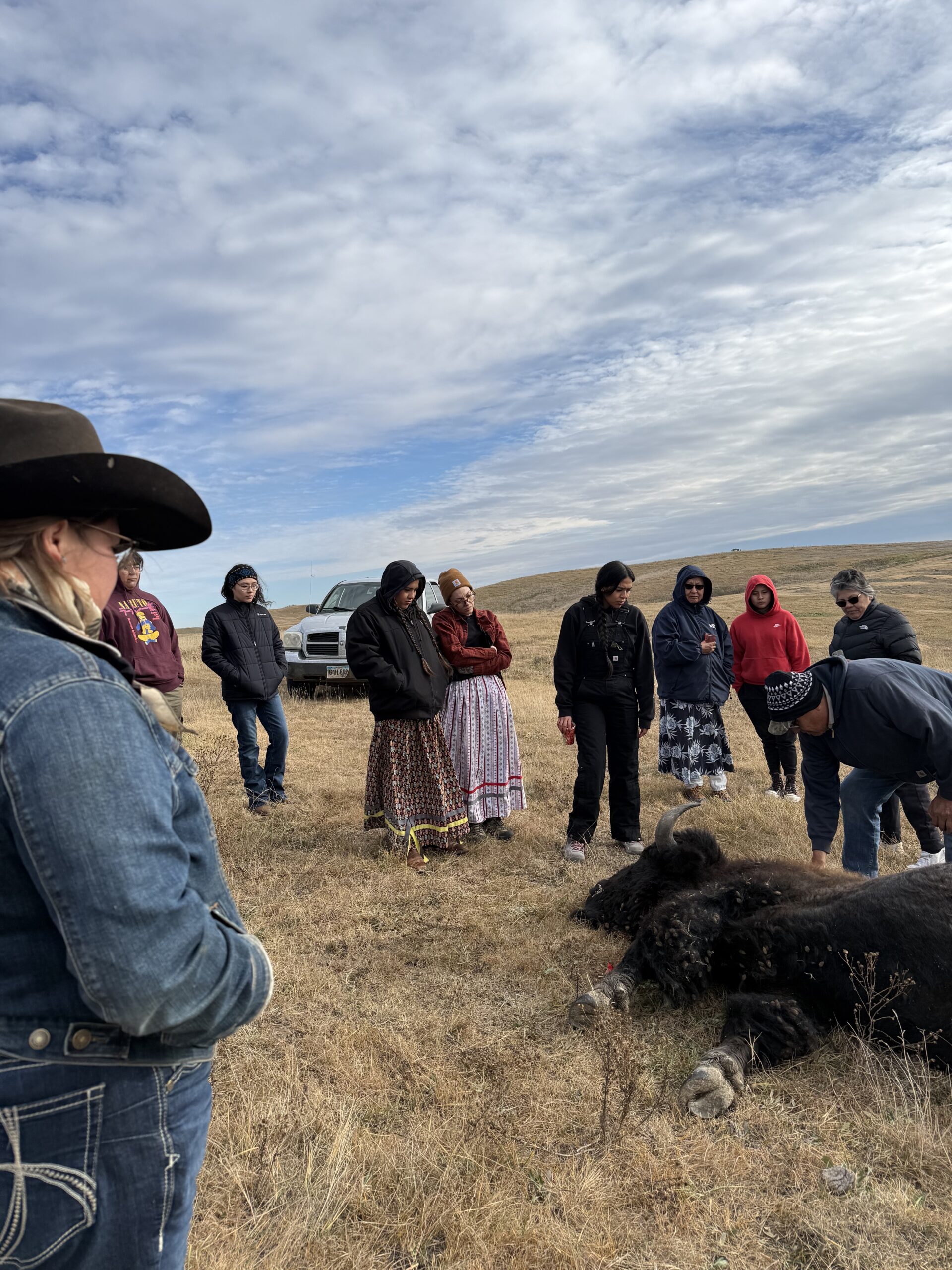
This past season, First Nations’ Native Agriculture and Food Systems Investments program sponsored the first Young Women’s Buffalo Harvest at the DuBray Buffalo Ranch, alongside community partners Cod...
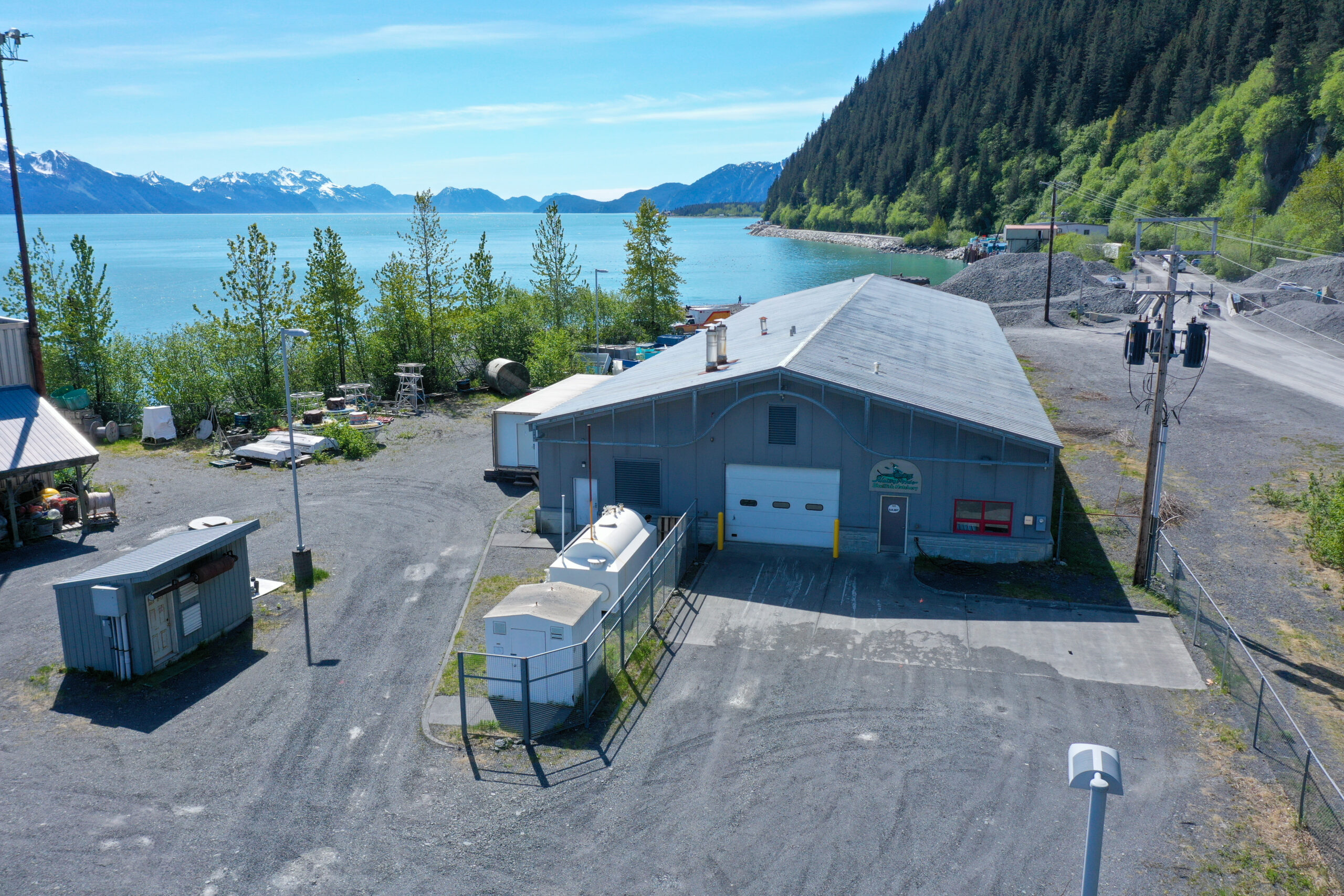
Earlier this year, a monumental achievement came to fruition when — after nearly 20 years of operation — the Chugach Regional Resources Commission (CRRC) secured full ownership of their Alutiiq Pride ...