Cara Flores
CHamoru
CHamoru
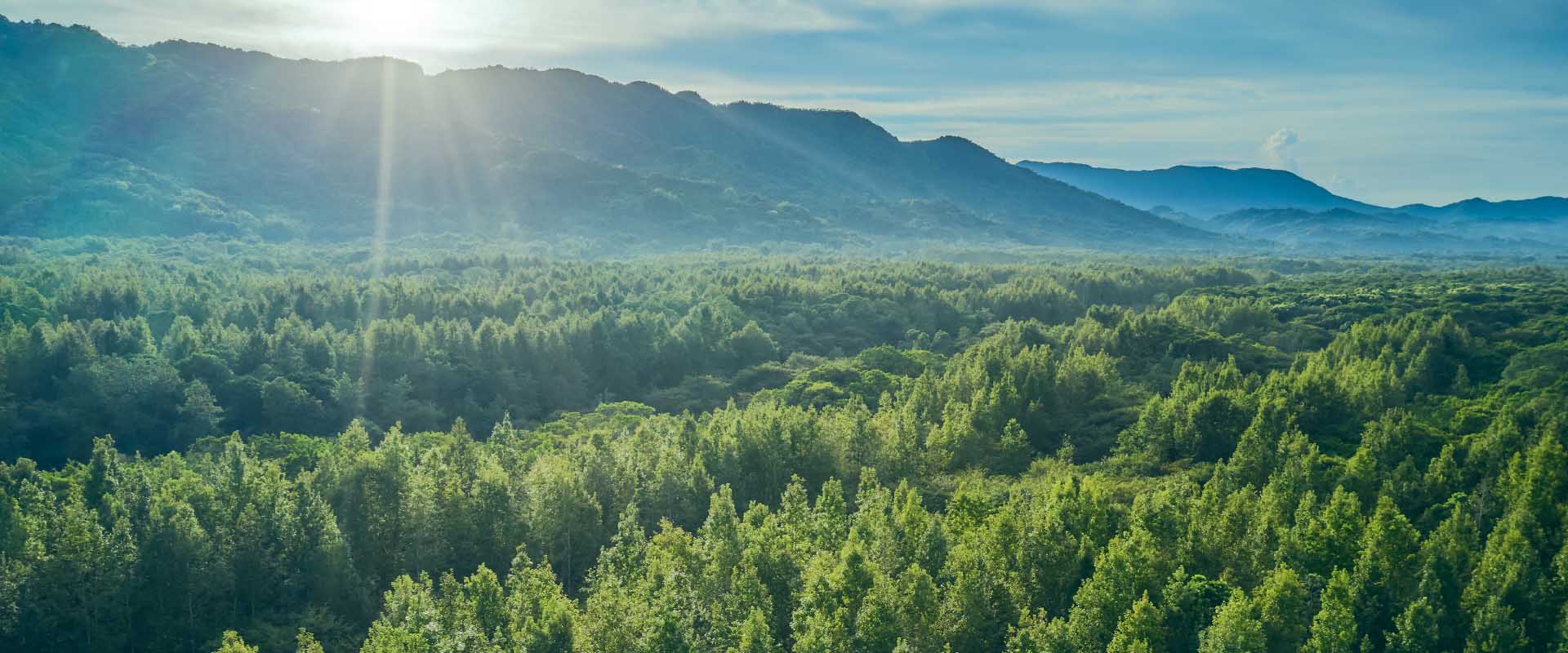
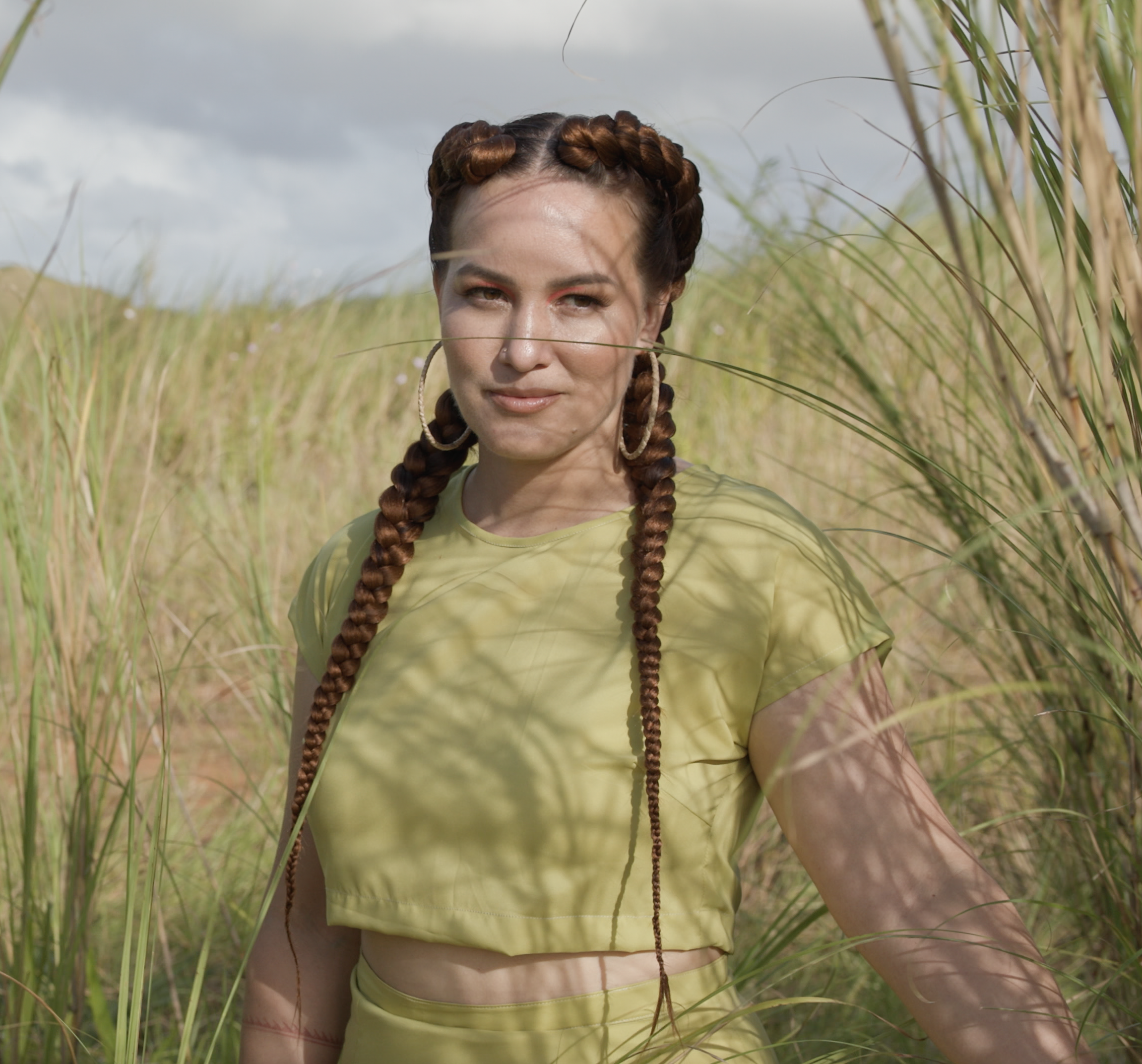
Half a century ago, Guåhan’s jungles were full of bird songs. That’s how her CHamoru elders remember it, says Cara Flores, an Indigenous filmmaker who is proud to be the first-ever Luce Indigenous Knowledge Fellow from the U.S. territory of Guam (Guåhan), the southernmost island in the Marianas archipelago in a subregion of the Pacific known as Micronesia. “It is such an honor to be the first CHamoru to be named a Luce Fellow. And I hope I am not the last,” she says.
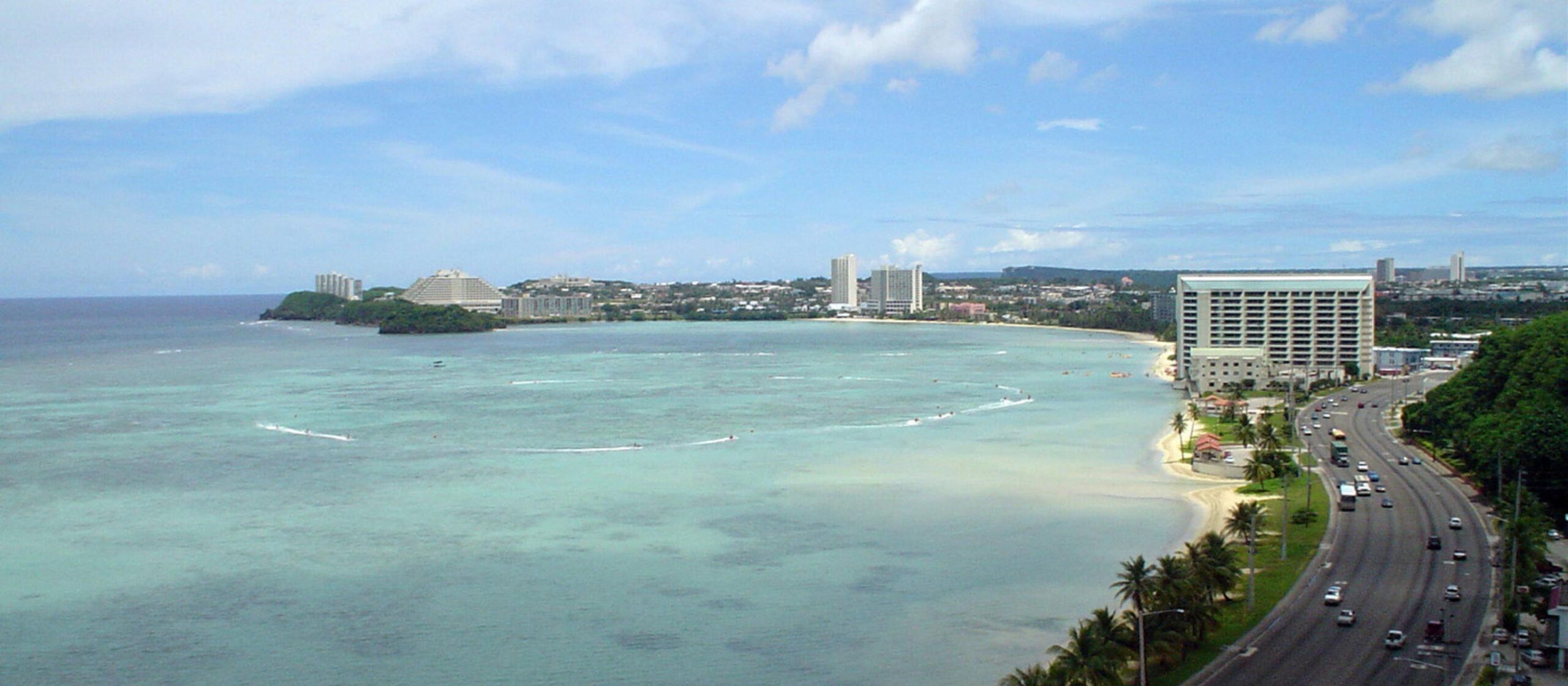
The U.S. territory of Guam is 30 miles long and 12 miles wide, and the largest island in Micronesia. It is home to the CHamoru people, including Luce Indigenous Knowledge Fellow Cara Flores.
Flores has so many stories to tell. Whether it’s to recall for her people the many species of birds that once existed on her ancestral homeland before the U.S. military sprayed DDT and brought in the brown tree snakes, or to spotlight “heroes” of Micronesia, she has made it her life’s work to make media that builds power and community.
In 2013, Flores co-founded Nihi Indigenous Media, a small, Native-led nonprofit organization headquartered in Guam that produces cultural programming “based in community, relationships, restoration, and joy” for the people of Guam, the Marianas, and Micronesia. Nihi stories revolve around language immersion, children, Indigenous art, environmental justice, and Indigenous rights, to categorize a few key projects. “The media we produce is designed to both protect and celebrate our land, ocean, and communities,” says Nihi’s director.
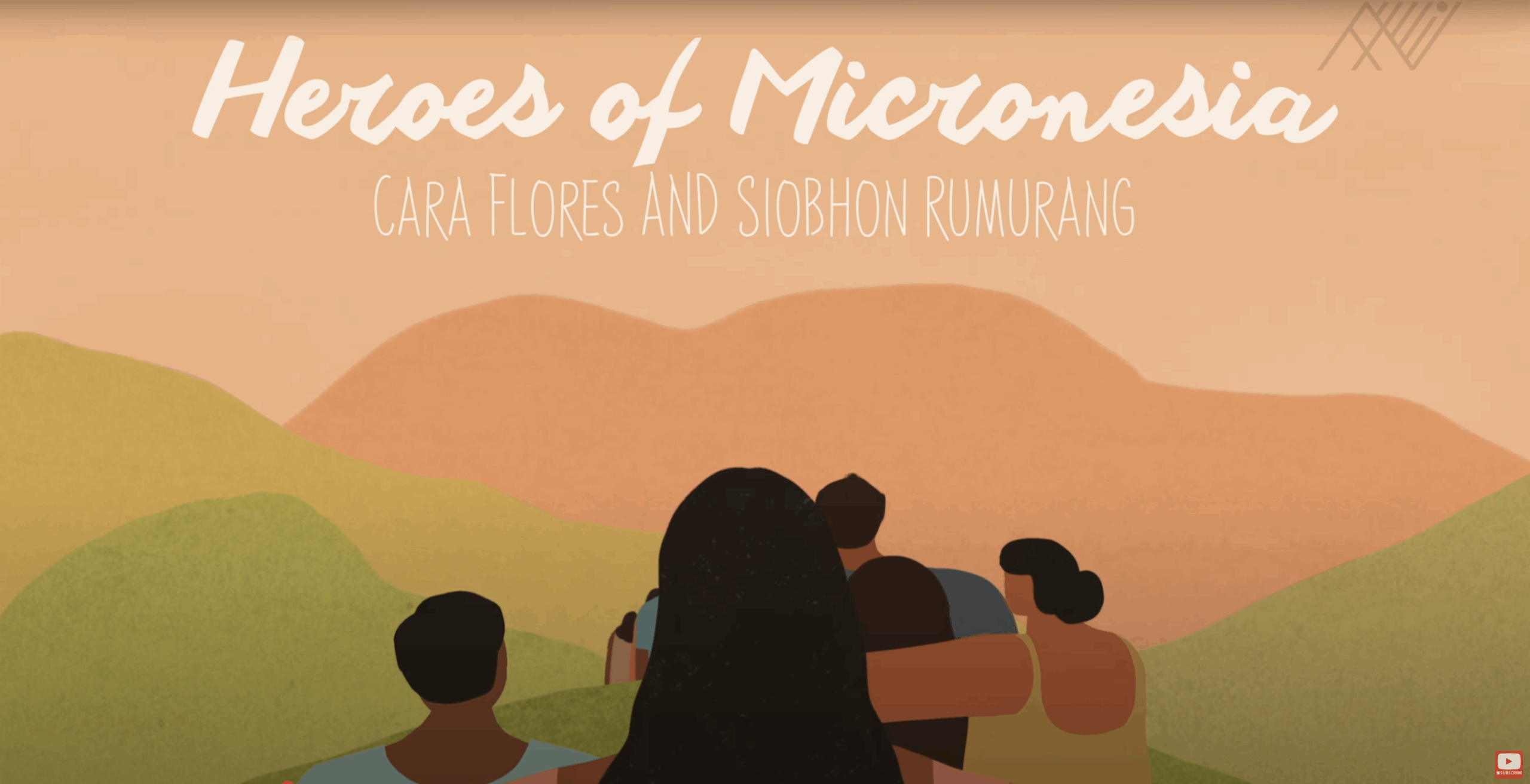
This recent film by Flores tells the story of prominent historical figures of Micronesia. It is available online for viewing.
“Nihi” is a call to action that implies “something you’re doing together.” And over the last decade, the staff at Nihi Indigenous Media have accomplished much together, having grown the organization into a full media production house that has produced hundreds of TV shows and online videos, films, and documentaries for children and adults. One of its newest films recently released online ― and the brainchild of Flores ― is “Heroes of Micronesia,” a three-part, animated art series that tells the story of leaders from across the Micronesia region.
“In Guam classrooms, our kids learn about heroes of the United States, like Martin Luther King, Jr. and Rosa Parks. But they don’t really learn about the people from our region who have held up the sky for us. This series teaches them who these heroes are who have led with love and courage and protected our islands for future generations.”
Flores proudly shares that Nihi’s media was adopted as an official resource for the Guam Department of Education. Most educational resources come from the states that reference things that kids in Guam are not familiar with, like white picket fences, she shares. “Most fences in Guam are made out of rock or metal! Things like this deprive our children of a sense of connection to what they are learning; to what is important to us, as a people.”
Nihi Indigenous Media evolved out of an earlier pioneering endeavor by Flores and her cousin. They created the first-ever children’s show for the children of Guam, also called “Nihi!” This groundbreaking children’s show began as a project for Flores, and provided a fun activity for her young daughter to participate in. The show was originally produced out of a spare room in her grandmother’s home using handmade sets created by local artists. The first two pilot episodes ran on the local PBS channel.
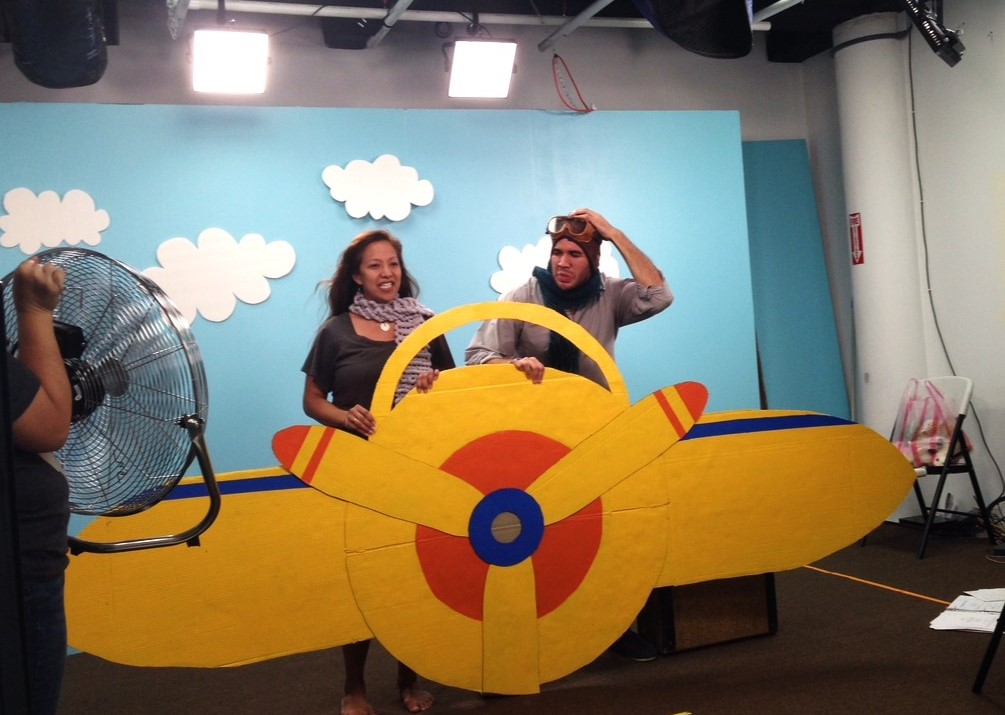
Flores and her cousin created the first-ever children’s show in Guam called “Nihi!” It was originally produced in her grandmother’s home; sets were handmade by local artists. Pilot episodes ran on PBS.
“You could say it was like the ‘Sesame Street’ of Guam. There were two hosts who used songs, chants, skits, and the CHhamoru language to affirm identity and to inspire a deep love for our land and culture,” recalls Flores, who wore multiple hats as the director, writer, and producer. “Nihi!” ran on three local networks 15 to 20 times per week. “It was work that was rooted in love and good intentions.”
Her early years as a community organizer and filmmaker
The 2024 Luce Indigenous Knowledge Fellow was raised in Guam, where her mother, who wrote children’s books, was from. She moved to the states for college and high school. After giving birth to her daughter in her mid-20s, she moved back to Guam to help with care for her ailing grandmother. “I decided that I wanted my daughter to grow up around family and to be connected to the land of my grandmothers,” which is why she stayed.
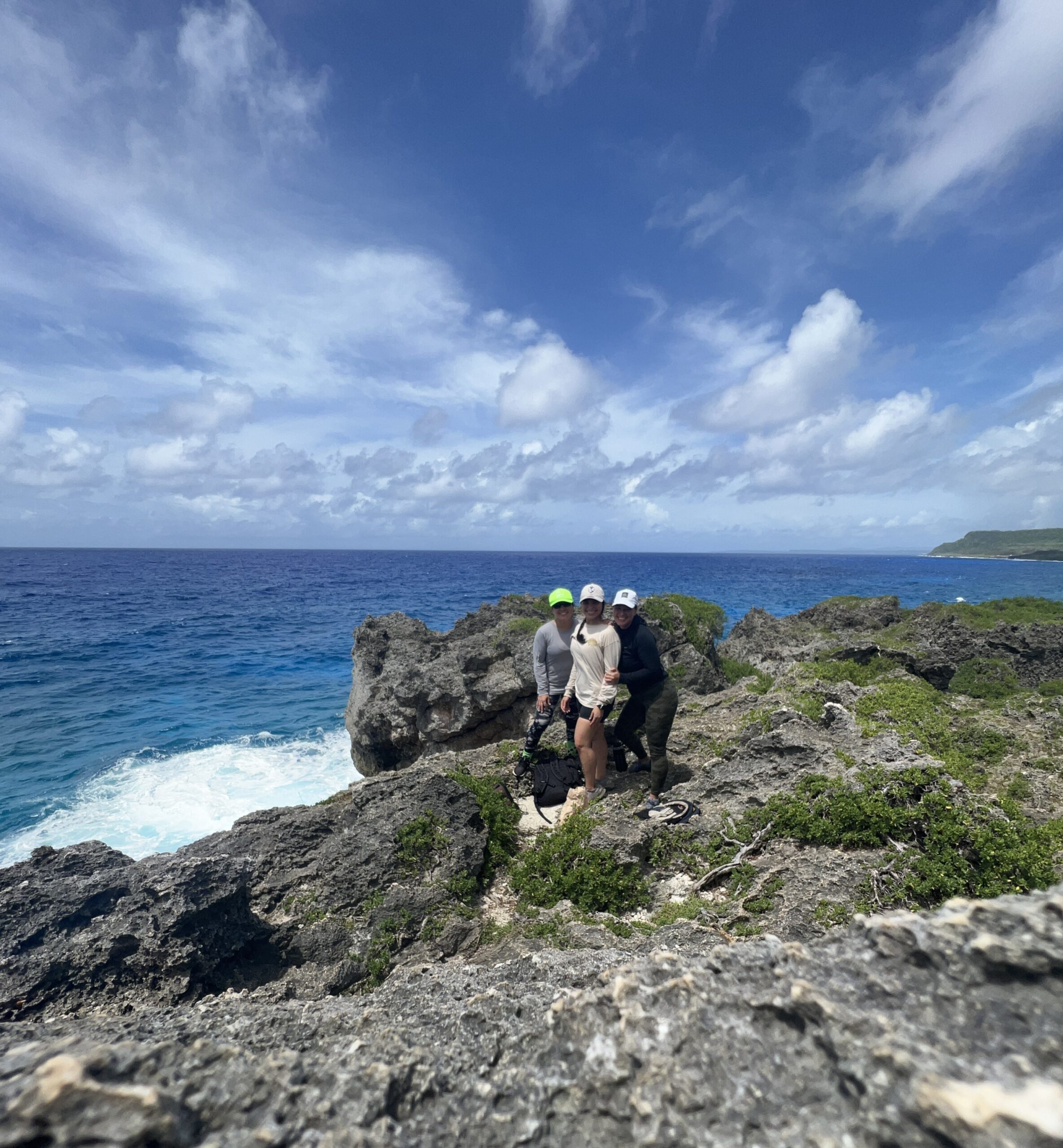
The coastline of Pågat, one of Flores’ favorite destinations in Guam. She helped stop the U.S. Navy from building a massive firing range here that could have contaminated groundwater.
Flores soon became involved in a community group to help her community make sense of a complex 10,000-page environmental impact statement that outlined the plans and impacts that a massive military buildup would have on her community. From rising costs of living to potential contamination of groundwater, the plan also described the destruction of a sacred village and the clearing of ancient limestone forest so that the U.S. military could build a massive firing range complex. “This village means a lot to me because I used to hike there when I was younger, and it is still one of my favorite places to go.”
The community group joined forces with the National Historic Trust for Preservation and the Guam Preservation Trust and won a lawsuit against the U.S. Navy, forcing it to pause construction of the range. The group’s work to save the village inspired Flores’ first solo Guam-based documentary, “We are Pågat.”
Her plans for the Luce Fellowship
Flores is centering her Luce work on developing a guide to Indigenous filmmaking, focusing on “the wealth of critical knowledge” she has acquired as a CHamoru director and producer over the last 15 years.
Indigenous filmmaking is different than industry filmmaking in that it is based on relationships you have with your community, she says. “Indigenous filmmaking is like a canoe carrying the stories of your people, and collaborating with your community to carry these stories is crucial. You are building community, not just making a film.”
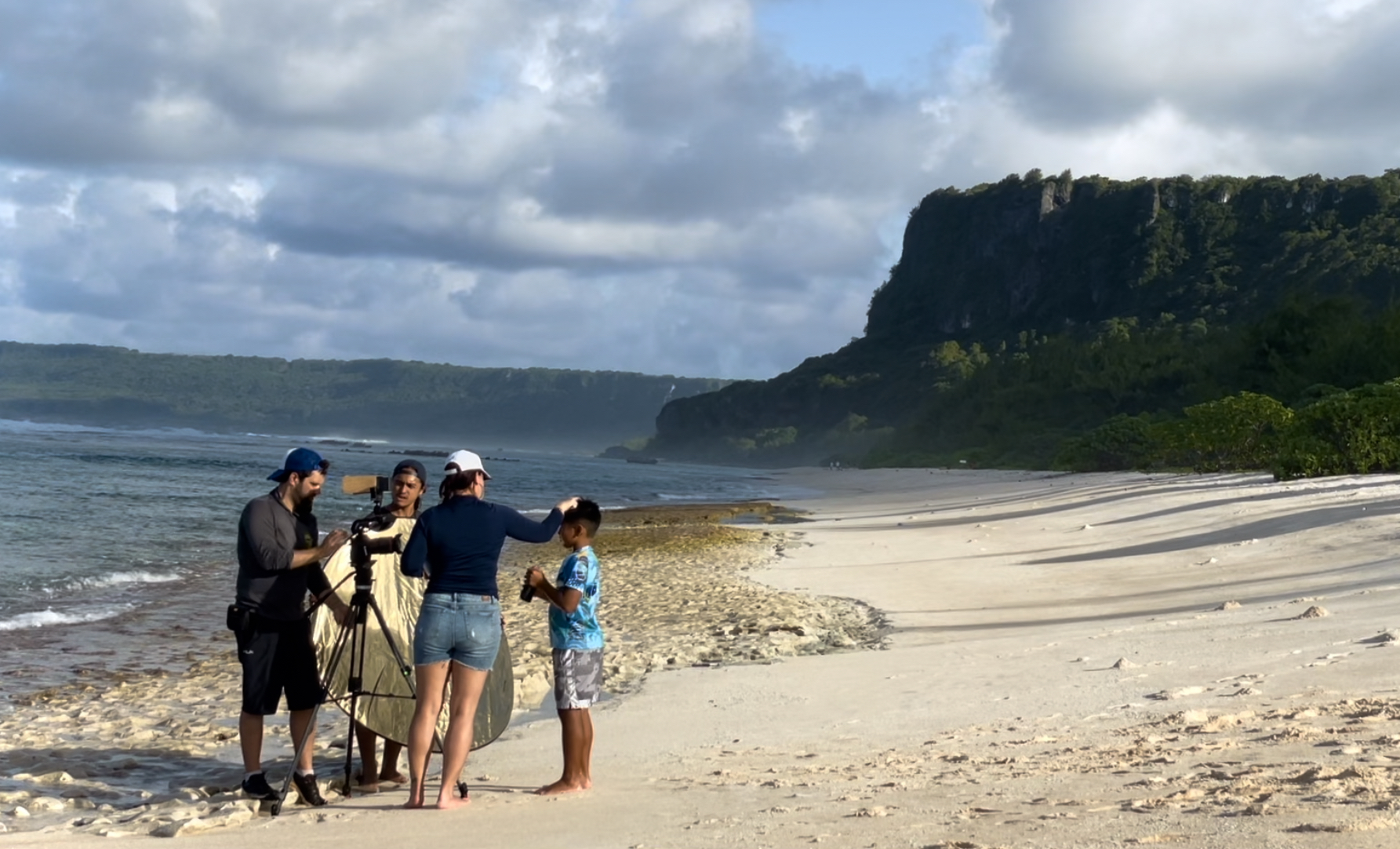
Flores will use her Luce Indigenous Knowledge Fellowship to develop a guide to Indigenous filmmaking,
When she first started out as a filmmaker, Flores shares that she saw industry practices that weren’t reciprocal or respectful to the communities in which they were filming. She writes in her Luce application, “This road map would benefit the filmmaking community in Guåhan and across our region. It will ensure that the values, intentions, and practices that our nonprofit was founded on endure past my time, continued by the next generation of Indigenous filmmakers.”
While her Luce project is still in its early stages, Flores plans to create a downloadable PDF of the Indigenous filmmaking guide and release it online, supplemented by in-person and online workshops, once it is completed.
Blazing her own trails
In addition to her work as the director of Nihi Indigenous Media, the Luce Fellow is developing her own film projects independent of the nonprofit organization. A key priority for this filmmaker is “to advocate for our people in creative spaces where they have been marginalized and undervalued.” Too often, says Flores, production companies don’t adhere to cultural protocols or fairly compensate Indigenous talent and knowledge-keepers.
“One of my greatest honors was to produce and direct the media for the Guam Museum permanent exhibit, including a short film on the origins story of the CHamoru people called ‘i-Hinanao-ta.’ I made sure that our people were heard, respected, valued, and compensated, that cultural protocol was observed, and that the media that visitors and schoolchildren would watch for years to come was actually for us, by us,” she writes in her Luce application.
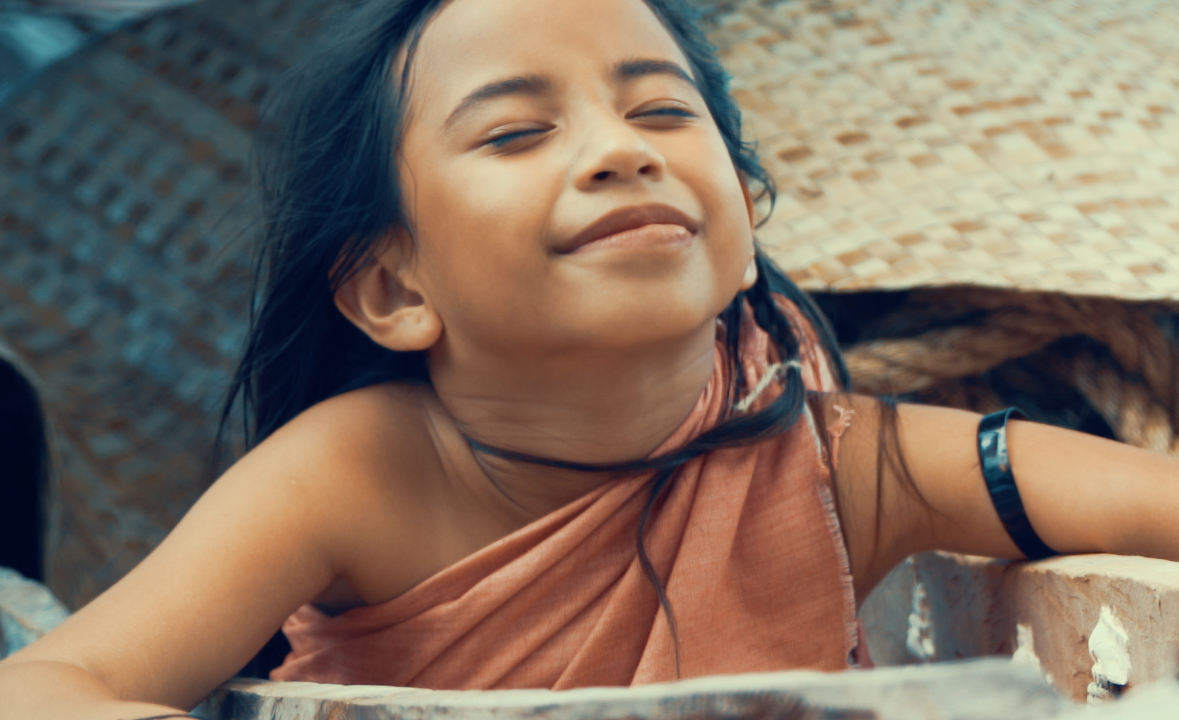
Flores produced and directed a short film for the Guam Museum on the origins story of the CHamoru people called “i-Hinanao-ta.” She considers the filmmaking project one of her “greatest honors.”
The making of “i Hinanao-ta” was the largest local film production in Guam and the production crew was almost entirely Indigenous. It is the first media piece you see when you enter the museum exhibit, and Flores has been told that someone cries in each showing, “without fail.”
Currently, she is working with another CHamoru filmmaker on a film called “Healers,” a docuseries pitch that follows a traditional healer from her island. She is also working on the script for the first episode of a comedy series that follows two cousins who are working to rebuild their lives in Guam, where the most mundane events can become top-tier gossip.
She especially enjoys screening her films in public school classrooms. “What’s always meant the most to us is classroom outreach. You can see a visible shift in pride that happens. We all forget sometimes how special our culture is.”
For the CHamoru people, Guam and the Northern Mariana Islands are their homes. Her home island of Guam ― the largest island in Micronesia ― is just 30 miles long and 12 miles wide. But as Flores says, it is an extraordinary place where neighbors care about each other, and reciprocity and relationships are valued.
“Our culture is a special gift that the world needs,” she says.
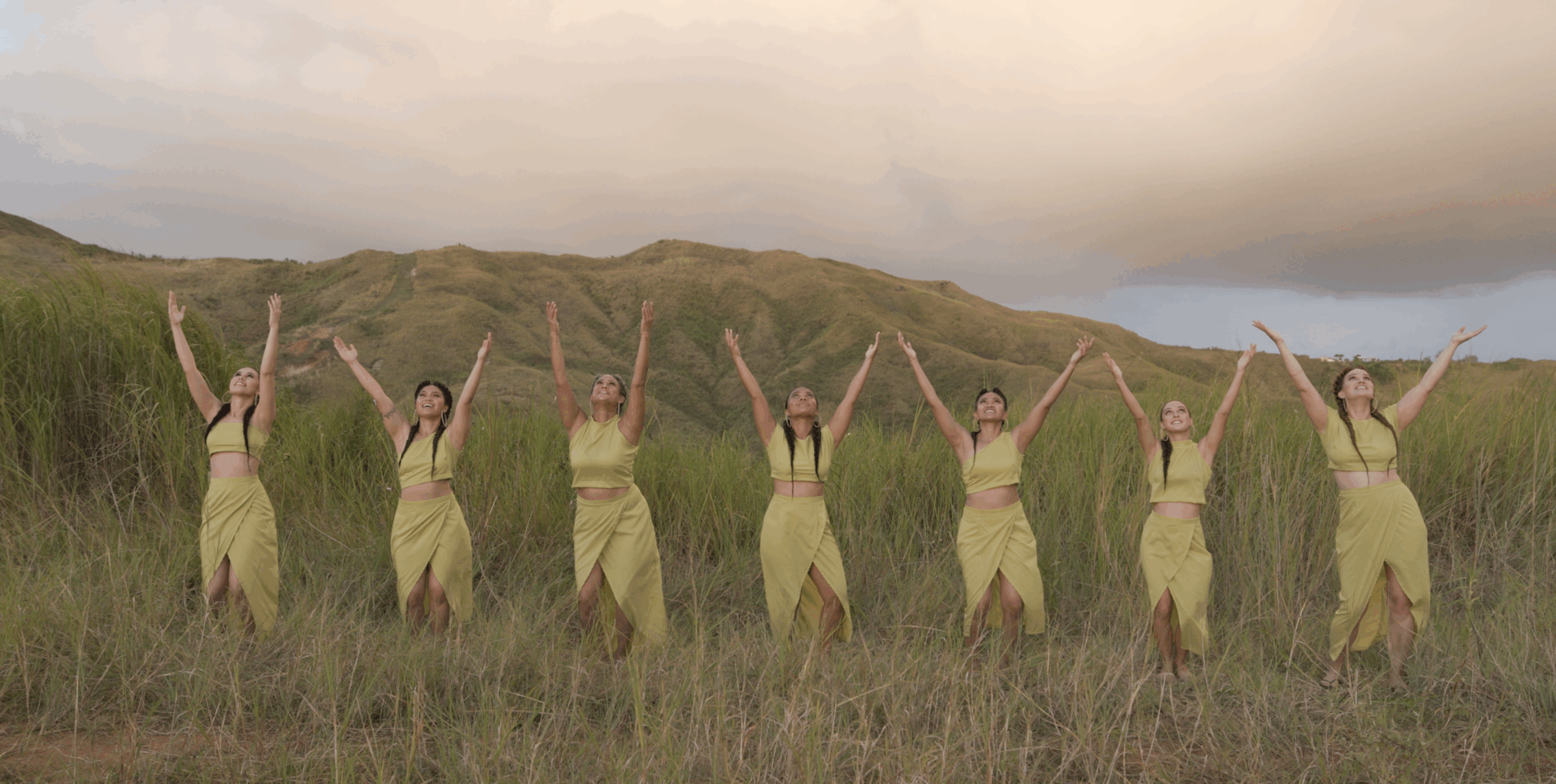
A scene from the music video, “Protectors Anthem,” produced by Nihi Indigenous Music and directed by Flores.