Roxanne Swentzell
Santa Clara Pueblo
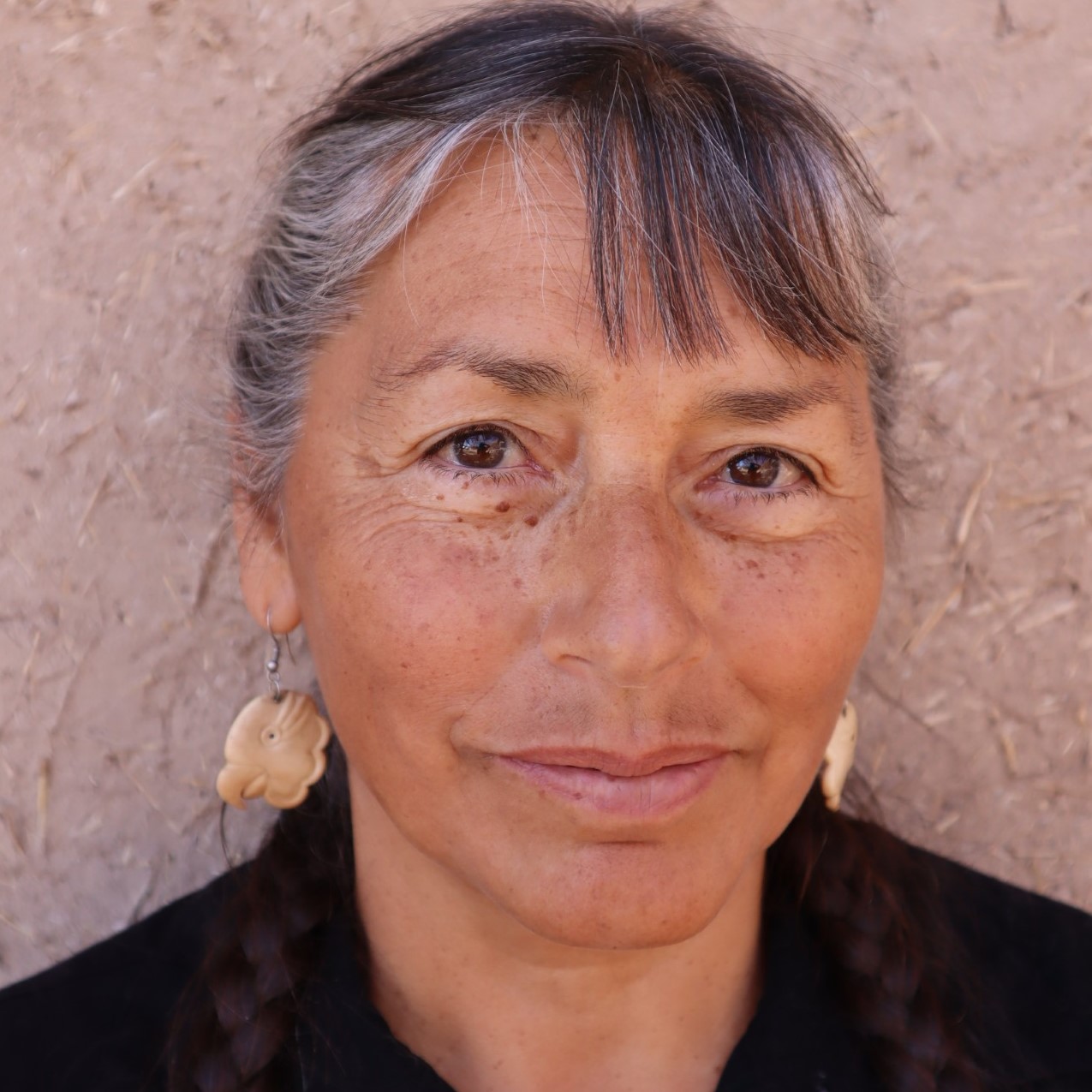
Santa Clara Pueblo
Roxanne Swentzell’s first language was clay. Having a speech impediment made it difficult for her to communicate with people. “My mother, who was a Pueblo potter, handed me some clay and I began making figurines as a way to communicate with her.” She recalls coming home from a frustrating day at school and molding a figure sitting at a desk with her head down, crying. “I handed the figure to my mom who could then understand how awful school had been for me. So, I wasn’t trying to become an artist. I was just trying to talk to my mom.”
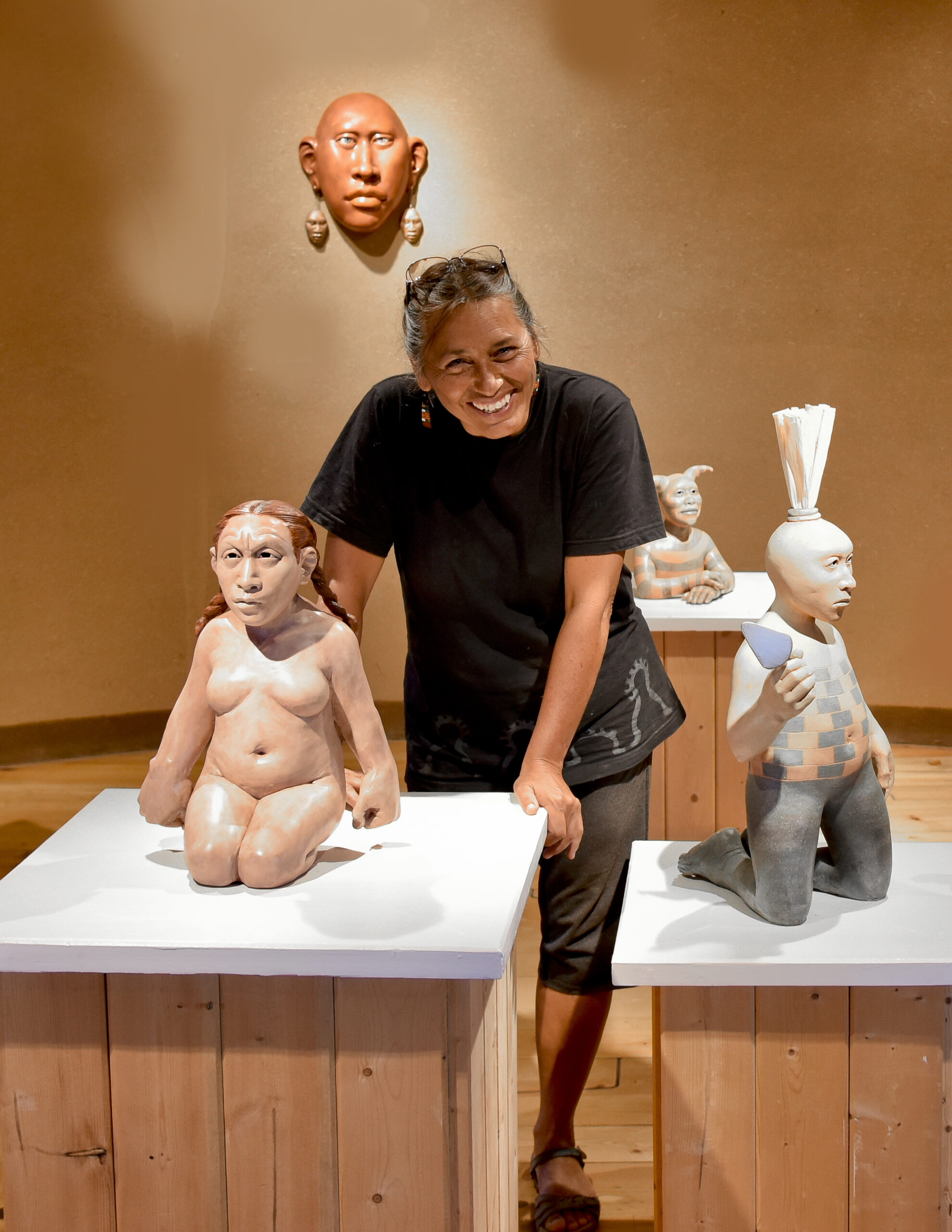
2025 Luce Indigenous Knowledge Fellow Roxanne Swentzell is known the world over for her emotive clay sculptures.
As it turned out, Swentzell did become an artist — an internationally celebrated sculptor. She is renowned for her award-winning, signature clay and bronze creations that have been commissioned by numerous organizations, such as the National Museum of the American Indian, Denver Art Museum, and Colorado State University, and are exhibited in museums, galleries, and private collections all around the world.
However, when the acclaimed sculptor recounts her 63 years of life, she lights up when discussing the work she does with cultural revitalization for her Santa Clara Pueblo community. “I love my culture and want to help keep it alive in any way that I can,” says the 2025 Luce Indigenous Knowledge Fellow.
In 1987, she and her then-husband co-founded Flowering Tree Permaculture Institute, a nonprofit organization dedicated to “educating and empowering my community to live healthier by studying and implementing our ancestors’ lifeways.” Through Flowering Tree, she teaches sustainable practices based on Indigenous ways of knowing, such as building with adobe, cultivating ancestral crops, saving seeds, crafting pottery, weaving baskets, and helping to preserve the Tewa language.
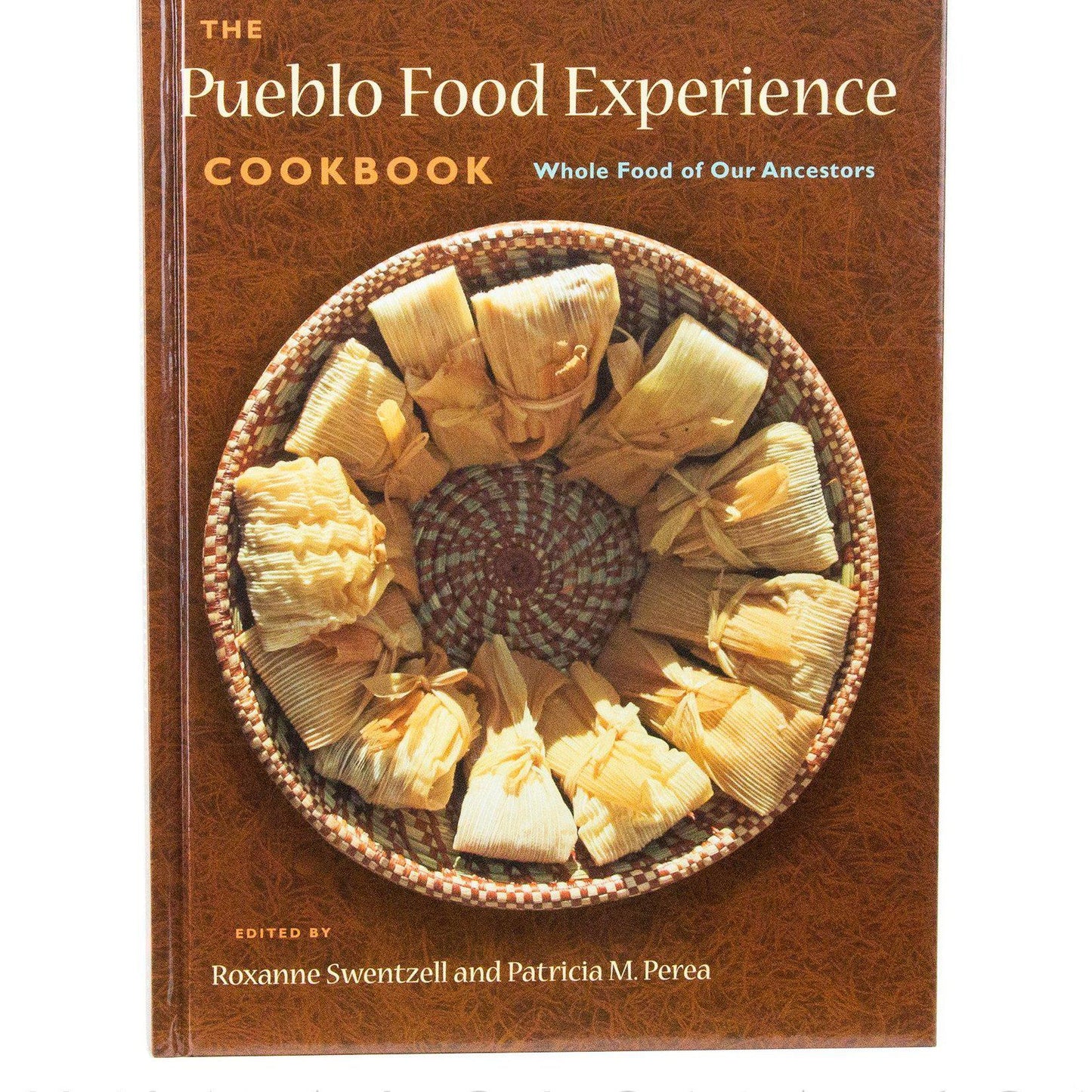
Swentzell’s cookbook evolved from a three-month study on eating ancestral foods of southwest desert Natives.
Another notable community project pioneered by Swentzell was “The Pueblo Food Experience” study. Concerned about the many health issues facing her people, such as diabetes, obesity, depression, and high blood pressure, she and 13 tribal members, ages 6 to 65, ate nothing but pre-European contact foods for three months. “My son and I were looking at old pictures from 100 years ago, and everyone looked so healthy. We thought that if we could just eat the way our ancestors did long ago, maybe it would improve our overall health.”
During the study, participants ate ancestral foods specific to the DNA of Natives in the southwest desert, such as corn, beans, squash, amaranth, elk, deer, bison, packrats, and insects. “We blew the doctors away with the results at our checkups. Everything had improved across the board. And two people lost 100 pounds each!” exclaims Swentzell.
For her groundbreaking food study and artwork, she was given the “Spirit of the Herd” award in 2016. She created a cookbook, “The Pueblo Food Experience, Foods of Our Ancestors,” to share recipes and knowledge with other tribes in the Southwest. “Five years after we created the cookbook, an interest in Native cuisine exploded around the country. And I’d like to think that maybe we had something to do with that,” she adds thoughtfully.
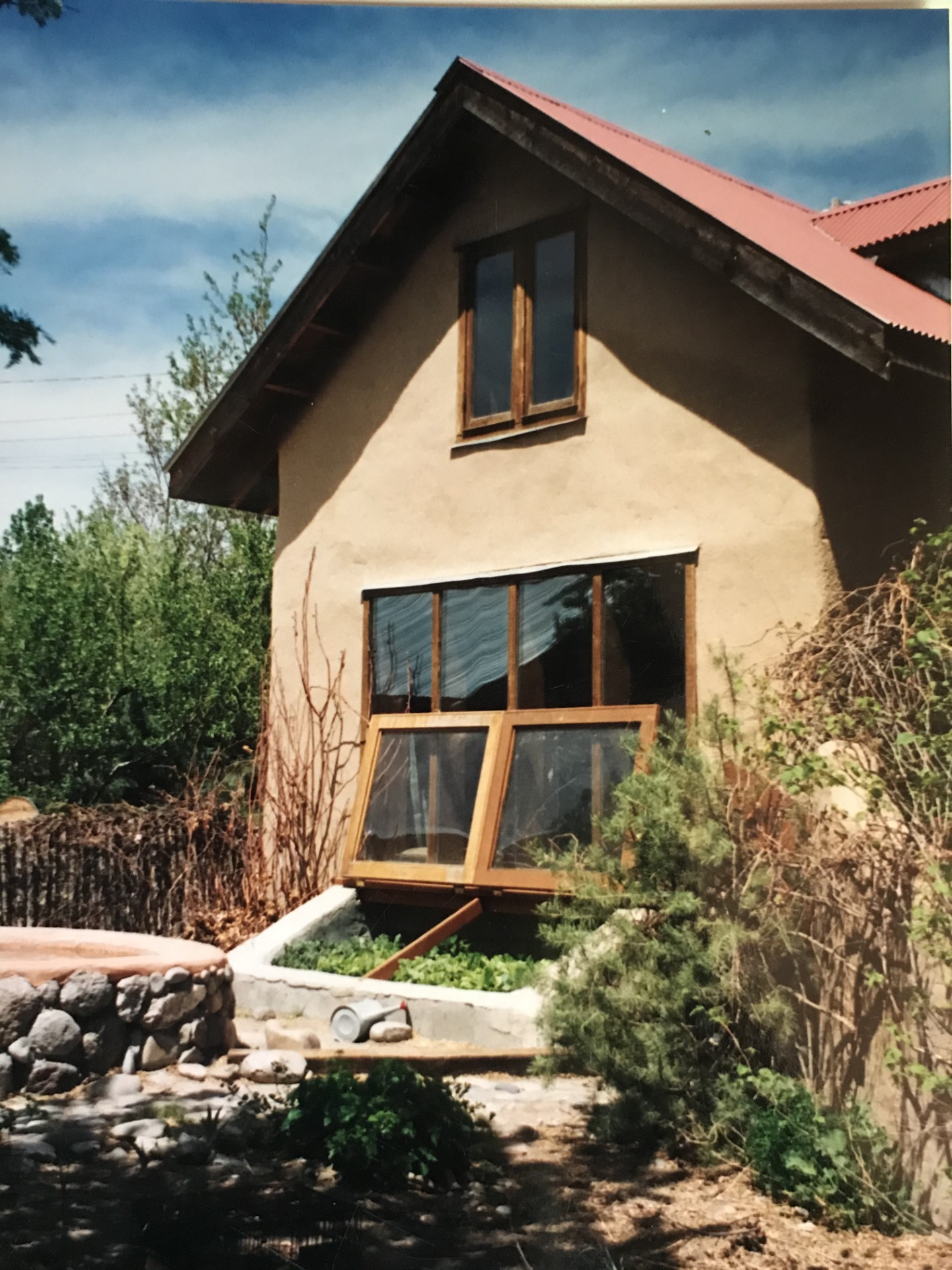
The Luce Fellow built her solar adobe home with her own hands, which is the oldest permaculture site in New Mexico.
A builder at heart
Building things is in Swentzell’s blood. “I was raised by a family of builders, and I have continued teaching and sharing these practices my entire life” she says.
When she was 23 years old and a mother of two babies, she built the three-bedroom solar adobe home at the Pueblo where she still lives. She built the home brick-by-adobe-brick, using techniques she learned from her ancestors. Her home is the oldest permaculture site in New Mexico.
One of the earlier projects initiated through Flowering Tree was the building of 25 hornos, or outdoor cooking ovens. Each oven took about a week to build. She enlisted the help of Pueblo volunteers. “I wanted them to learn how to build with adobe. We built them at houses hoping that the women would use them to make traditional bread for our feasts. And they are still around today!” she shares proudly.
Swentzell has also built a traditional women’s house in the village, as well as a cooking space, where she has helped teach over 90 women from her tribe and surrounding pueblos how to make their traditional paper-thin corn bread called “buwah.”
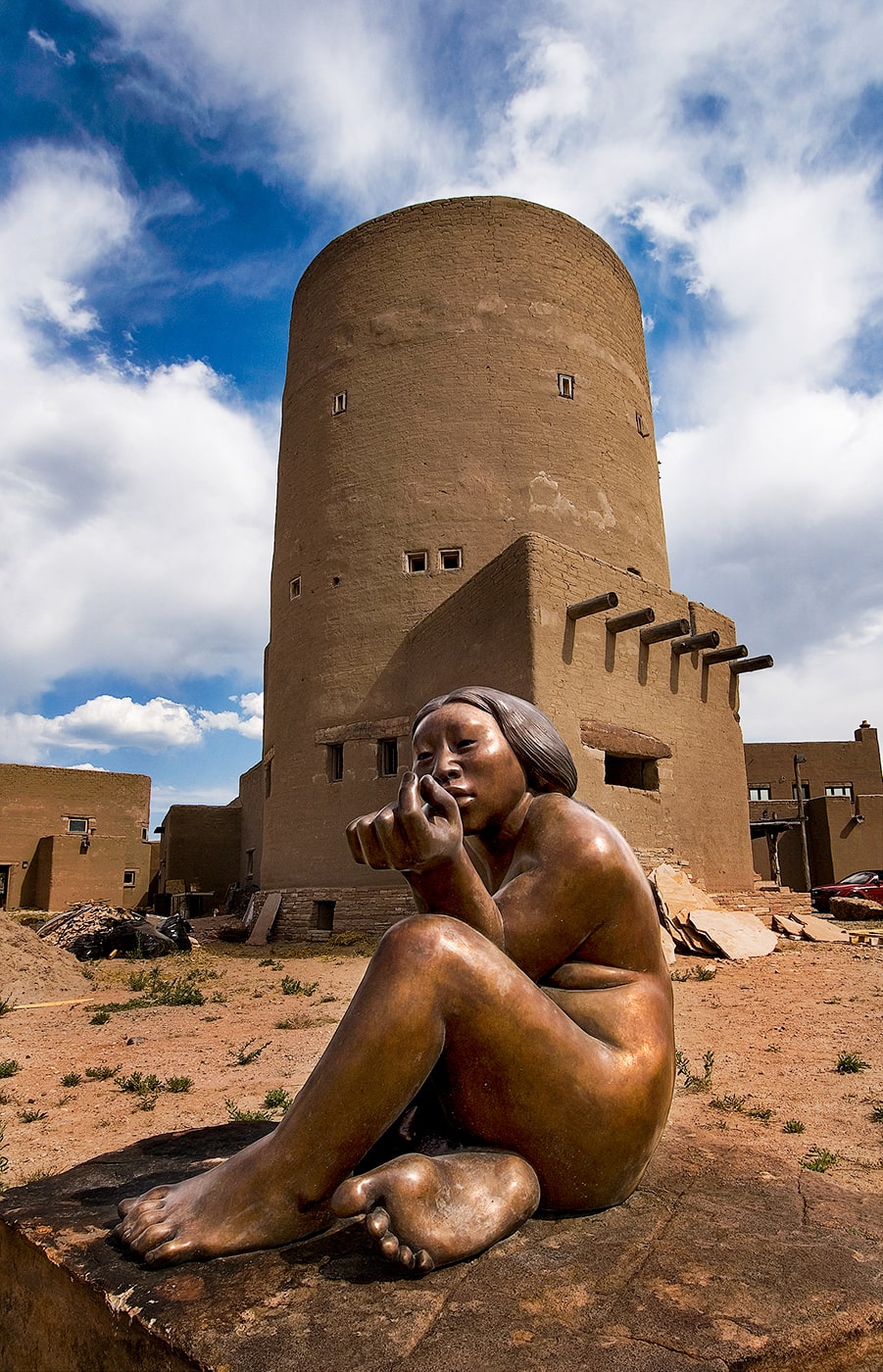
In 2006, Swentzell converted an unfinished, three-story adobe building into her famed art studio, “The Roxanne Swentzell Tower Gallery” at the Poeh Cultural Center. She recently moved out and it was renamed “Tower Gallery.”
In 2006, the longtime builder helped complete the interior of an unfinished three-story adobe tower built in the early 1990s and converted it into her own art gallery at the Poeh Cultural Center in Pojoaque Pueblo called “The Roxanne Swentzell Tower Gallery.” The sculptor recalls, “It was a dream to have my own space and set it up the way I wanted.”
After running the gallery for 20 years, Swentzell recently moved out. It was renamed “Tower Gallery” and continues to be a popular tourist attraction and exhibit space for other Native artists.
Her plans for the Luce Fellowship
Forever a builder at heart, Swentzell is using her fellowship funds to help build an eight-bedroom retreat center in Abiquiu, New Mexico, to “serve tribal members and other local communities, providing a beautiful and healing place to go.”
Never missing an opportunity to teach her community, Swentzell hosts volunteer days, specifically for women and children, to come to the construction site and learn how to build using traditional and alternative building techniques. At the time of publishing this story, the walls of the center were up, and the roof was almost in place. Swentzell estimates that the retreat center will be completed by the end of next year.
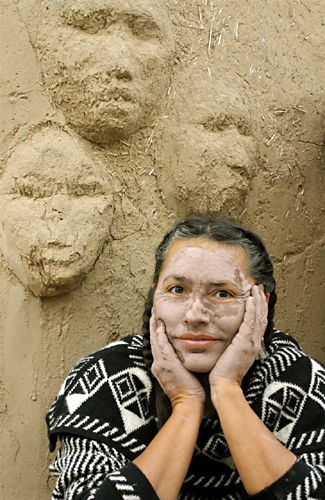
Photo credit: Julien McRoberts
“I am most excited about hosting a Pueblo women’s full immersion retreat there,” she says, explaining that it is her way to give back to the Pueblo women who do so much for their tribes and need a place to rest and refresh.
Her other goals for the Luce Fellowship revolve around maintaining the cultural traditions of her people and reaching a larger audience. She plans to host more workshops to revive cultural arts; promote the eating of more traditional foods; engage and inspire the youth to participate in hands-on learning; teach mud plastering and adobe restoration; continue seed-saving; and teaching tribal members how to make buwah, clay pots, and baskets.
In her own words about what the fellowship means to her: “I have so much that I want to share, and with this fellowship, I can. This fellowship allows me more time to host workshops, teach more programs, save more seeds, build, inspire, share more, learn more, love more.”