Sophia Sutherlun
A Texas Woman’s Journey from Fund Raiser to Fund Giver
A Texas Woman’s Journey from Fund Raiser to Fund Giver
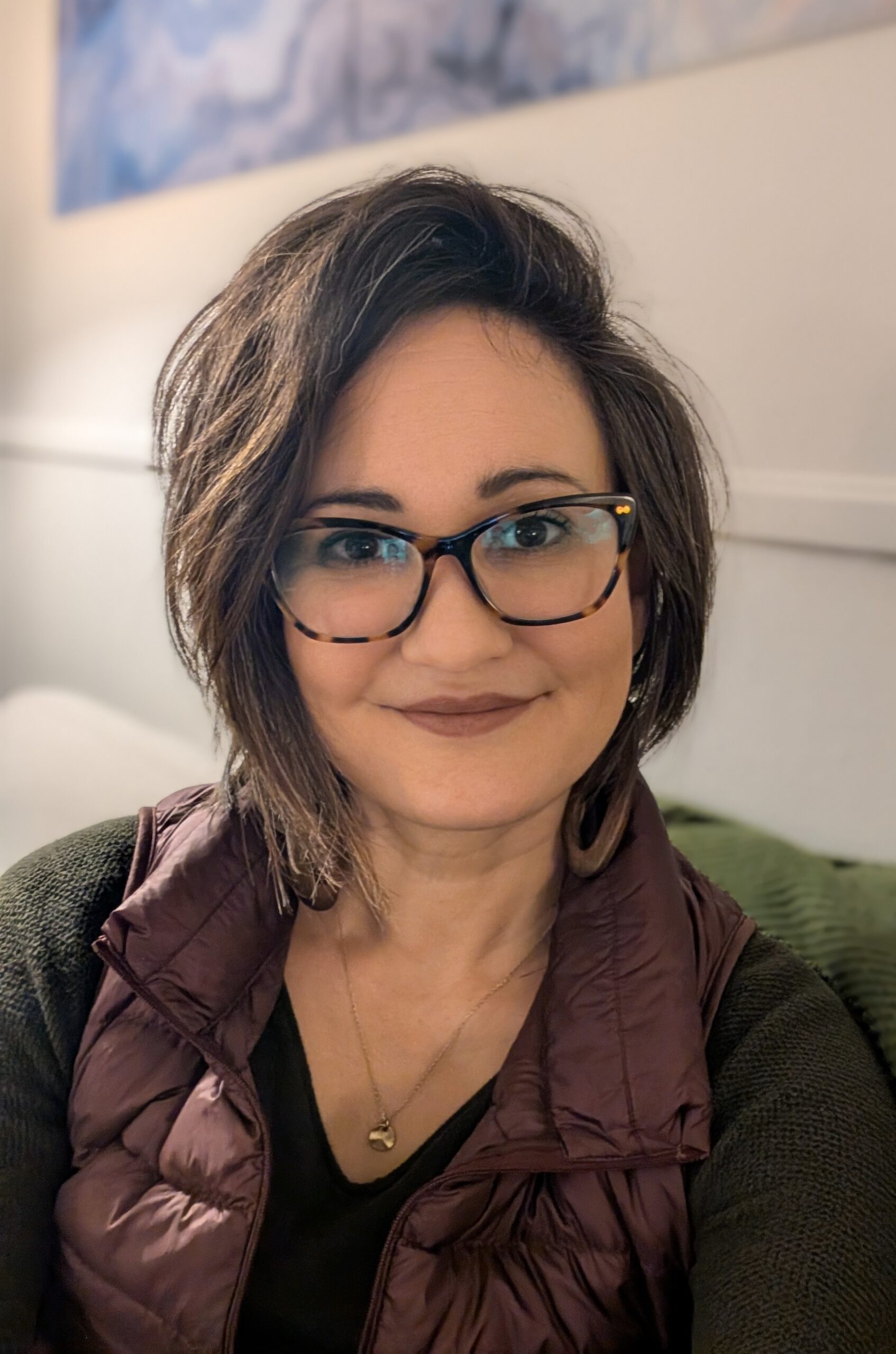
Sophia Sutherlun, a licensed trauma therapist, is passionate about supporting causes centered around Native women.
As a former grant writer for an international human rights organization in Washington, D.C., Sophia Sutherlun has made the jump from seeking donations to giving them.
“’I’ve been on both sides of philanthropy,” says Sutherlun, a longtime First Nations donor who has always valued giving and contributing to causes she believes in, including those related to Native Americans.
Born and raised in California, Sutherlun traded in a temperate climate for even warmer, downright hot weather, and now lives in San Marcos, Texas, with her husband, two children, and two cats that her young daughters have named Rosie and Bluebonnet. “I love our town and the beautiful river that runs through it.”
Sutherlun, 36, earned a bachelor’s degree from Stanford University in human biology, with a focus on global women’s health and briefly considered going into pre-med. “But I hit organic chemistry, and decided it wasn’t for me,” she recalls with some humor. She has always wanted to be in “some sort of helping profession,” and that desire to administer to others led her to the University of Texas at Austin, where she completed a master’s degree in social work.
Soon thereafter, Sutherlun found her calling as a licensed trauma therapist, working with adults, one-on-one, struggling with painful memories, anxiety, and depression. It is both her chosen profession and her ancestry that draws her to many Native causes. “I am humbled by the joy and passion that exist in Native communities despite the generational, historical, and personal trauma that every Native person carries.”
When asked what specifically influenced her decision to support Native communities, Sutherlun shares that she has Native blood, herself. “I am not certain which Indigenous tribe my family comes from. It is not clear. But we can trace it back to the Sonoran Desert in Northern Mexico, and I have always felt very connected to that piece of my family history.”
The First Nations donor goes a little deeper. “Since I was young, I have been drawn to untold stories and seeking out the voices that history has hidden or downplayed ― or outright lied about. As someone with ancestry that includes both Indigenous and colonizer, abused and abuser, I am acutely aware of the corruption and atrocities our country was founded on.”
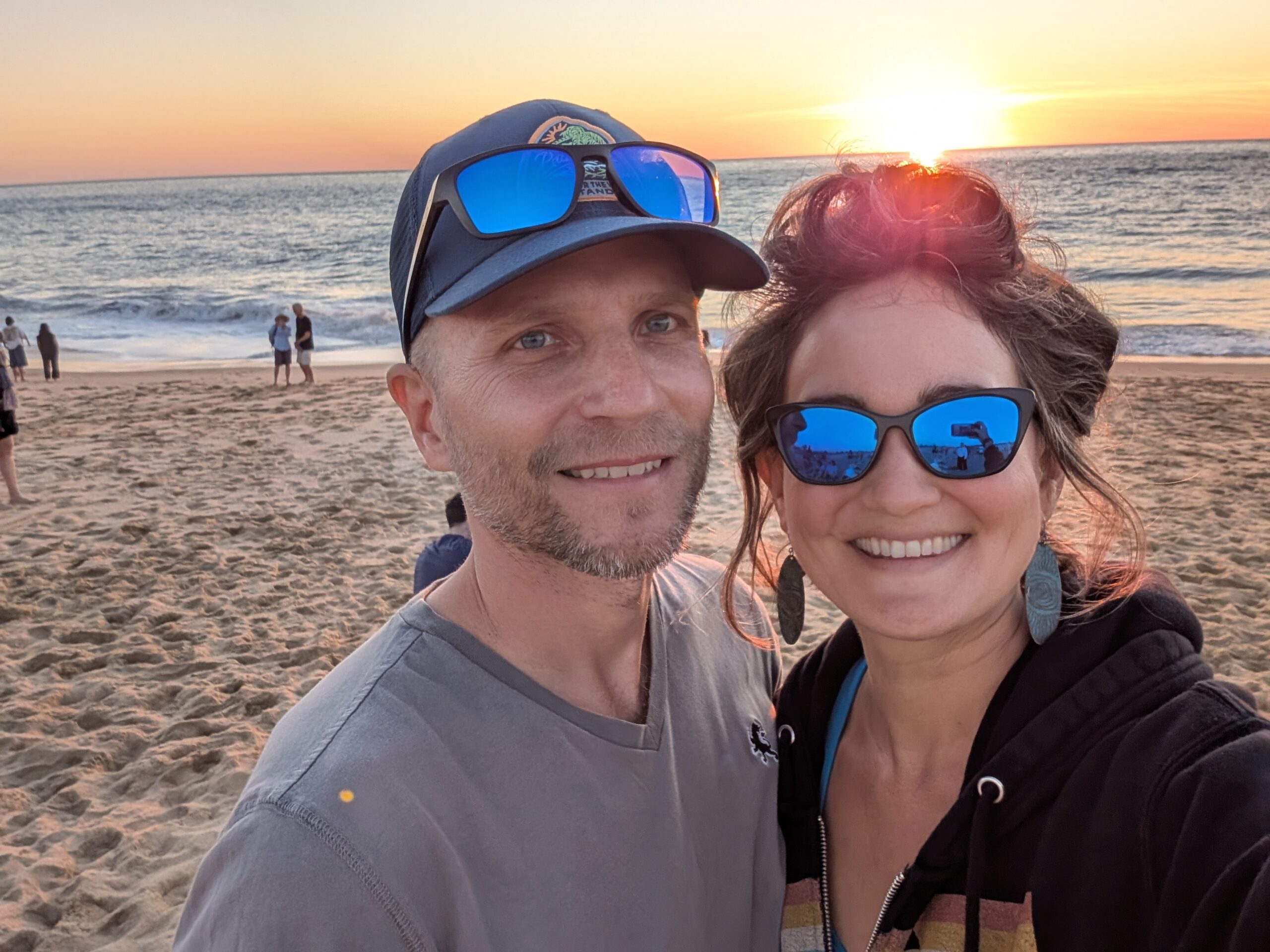
Sutherlun and her husband enjoy getaways to the beach with their two daughters.
A desire to help women heal
While Sutherlun currently donates to First Nations’ general fund, she is most passionate about causes that focus on violence against women, having worked with many women who have been traumatized by their past. “I know that Native women experience much higher rates of violence than other women in the U.S.”
According to the Urban Indian Health Institute, the murder rate for women living on reservations is 10 times higher than the national average. And murder is the third leading cause of death for Native women.
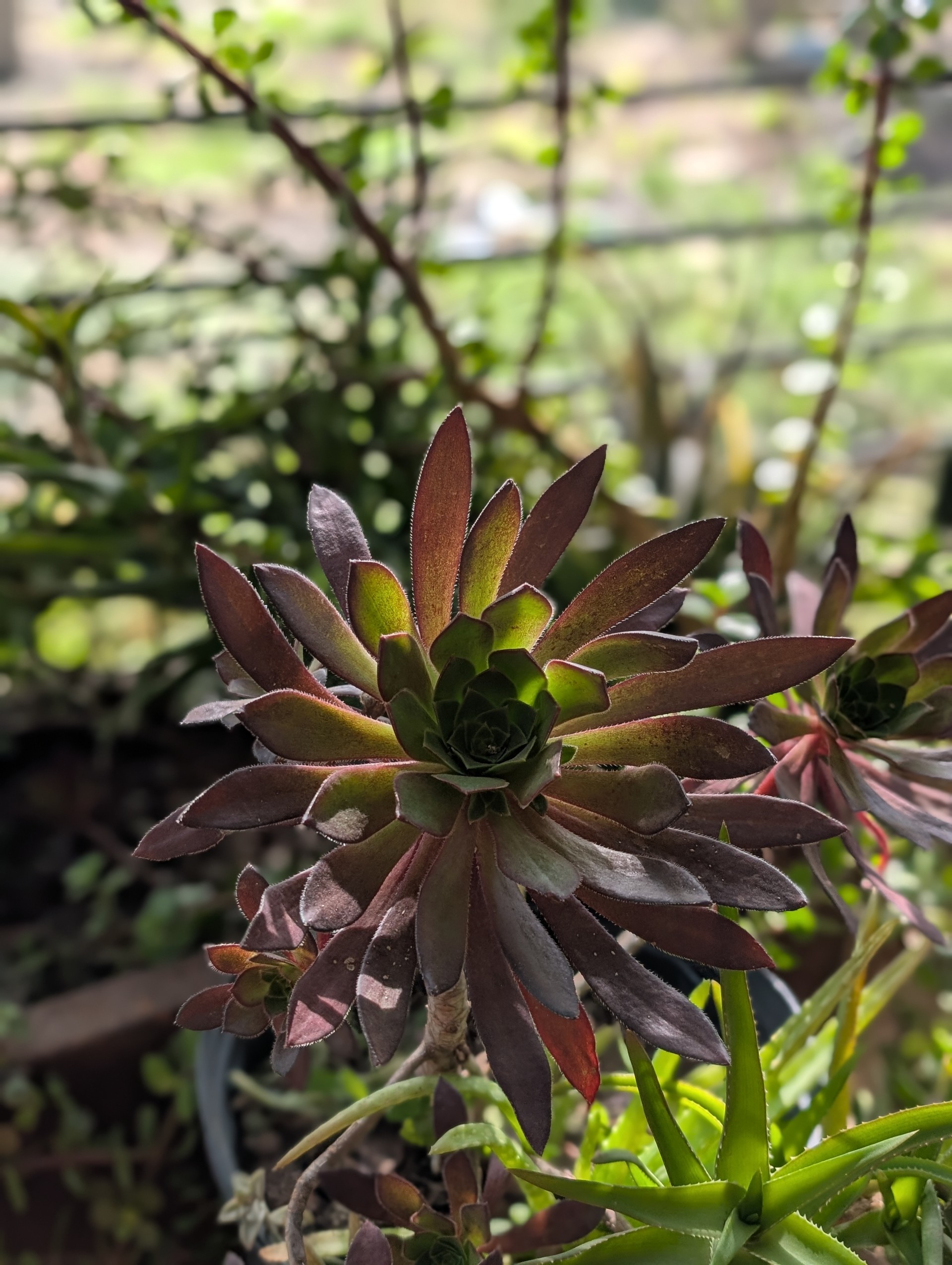
The First Nations donor has a green thumb for growing succulents.
With those alarming statistics in mind, the First Nations donor aims to one day leverage her experience as a trauma therapist to help with the Missing and Murdered Indigenous Women (MMIW) movement that has rocked tribal nations across the country. “As a woman, I want to ally myself with my Native sisters who experience such high rates of violence without justice.” As a mother of two young girls who will be women soon enough, she is further motivated to create a safer world for them, too.
Sutherlun and her husband, who worked for the Peace Corps in Bolivia before they met at a holiday party in D.C., also support national and international human rights organizations, environmentally focused nonprofits, and the local women’s center and food bank. She loves to read, exercise, do crafts with her kids, and tend to her “out-of-control” succulent garden. “I love growing plants, but don’t have a particularly green thumb. Succulents are a happy medium because they grow without much T-L-C.”
First Nations is deeply grateful to Sutherlun for her continued support of our many programs that uplift Native communities economically. She ended the interview with a beautiful quote that stands alone and demands to be shared in its entirety:
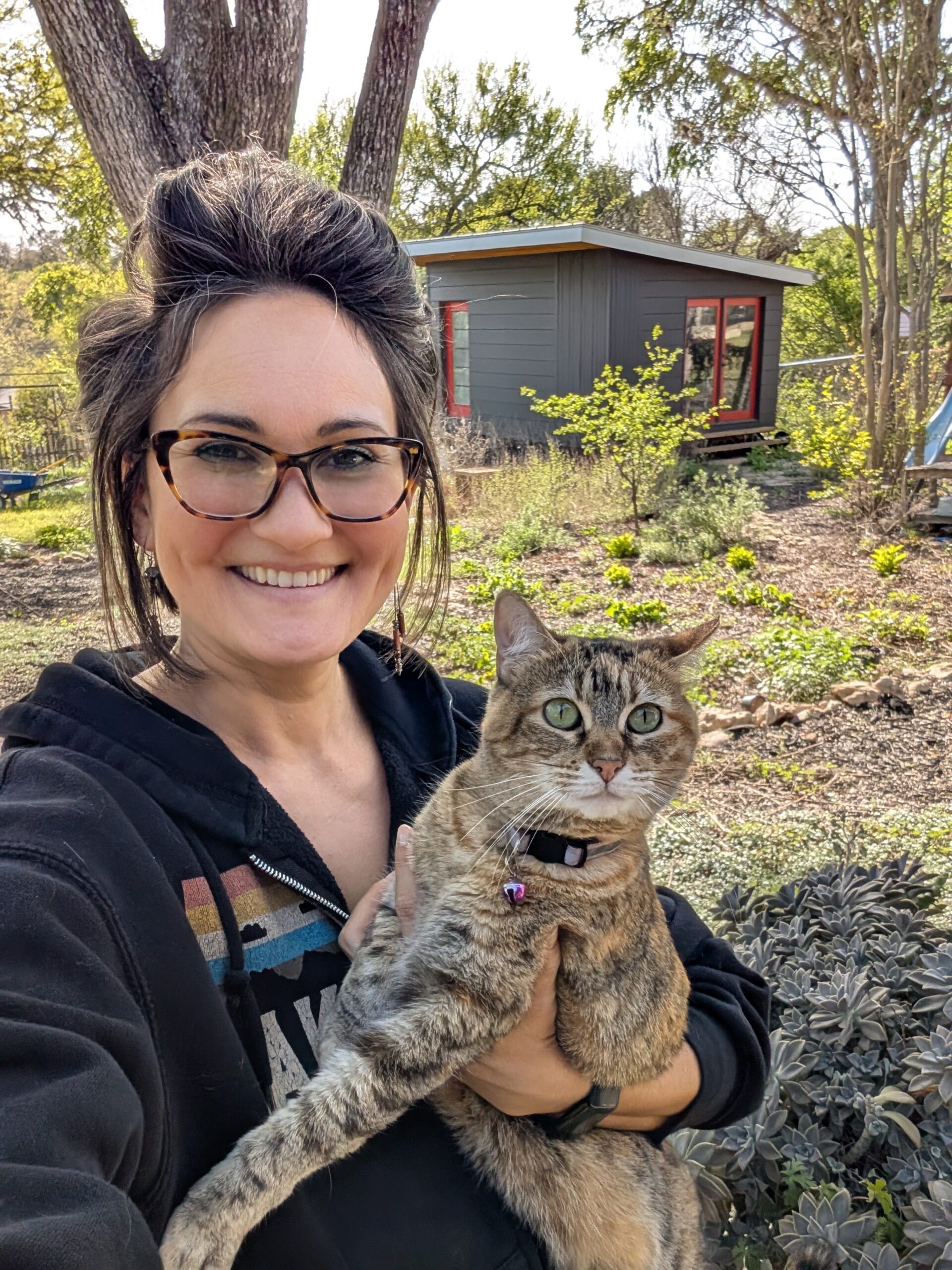
Sutherlun poses with one of her beloved cats, Bluebonnet.
“I believe Native communities have important wisdom for solving the pressing issues of our time ― many of which revolve around disconnection. We are disconnected from the Earth, and so we see environmental destruction. We are disconnected from ourselves and our histories, and so we see high rates of mental health issues, and the loneliness of not knowing ourselves or being at home in our bodies. We are disconnected from each other and stranded in bubbles of technology and isolation, and spew vitriol at one another without actually knowing our neighbors or listening to their stories.
“Native communities have so much wisdom about how to reconnect us to each other, the Earth, and ourselves ― wisdom that’s been passed down and wisdom that’s been gained through surviving forced disconnection.
“I hope that my support through First Nations empowers the further development and amplification of this wisdom.”