This Week at First Nations: August 11, 2023
 Help Our Friends and Partners in Hawaii
Our prayers go out to our friends and allies this week as we continue to learn more about the devastating fires on Maui. The reports from our community partners are heartbreaking, and we’re striving to do all we can to help. We’re encouraging people to give directly to these local fundraising efforts:
- ‘Āina Momona
- Kākoʻo Maui (A campaign for members of the Council for Native Hawaiian Advancement)
- Na Aikane O Maui (via Venmo)
First Nations is donating $25,000 to each of these organizations. To add to this outreach and help ensure we are always ready to respond whenever assistance is needed in the future, visit www.firstnations.org/helphawaii.
 First Nations’ Community Partner Works to Build Urban Farm for Fresh, Local Food
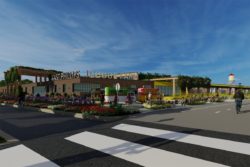
A member of the Lac Courte Oreilles Band of Lake Superior Chippewa Indians, born and raised in Little Band of United Tribes, is working to bring fresh, local food to the East Phillips neighborhood in Minneapolis. Little Band of United Tribes is a community partner of First Nations. Civils Eats sat down with Cassandra Holmes, who is leading multiple efforts to transform an old warehouse site into a thriving community hub, which will contain an indoor urban farm, housing units, cultural markets, community gathering spaces, job training sites, and more. Holmes discusses the impact the project will have on the Little Earth community. Read more here.
Photo credit Civil Eats, courtesy of the East Phillips Neighborhood Institute
 What We’re Reading: How the Blackfeet Brought Buffalo Back to the Land
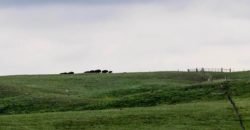
A feature last week on HuffPost showcases the Blackfeet Nations’ successful efforts to free wild buffalo back on their historical lands. The article highlights the hunting and collective butchering of the esteemed animals, marking the climax of Iinnii Days, a three-day festival celebration of all things “iinnii,” the Blackfoot term for bison or buffalo. The article explores the history of bison in America and the biological and political reasons that led to their near extinction, before the Blackfeet Tribe first started bringing buffalo back to the tribal land in the 1970s in a unique movement, ultimately combining social justice and wildlife conservation. Read more.
Photo credit HuffPost, Carolina Ramirez
 DEADLINE EXTENDED: Native Agriculture & Food Systems Scholarship
Attention: Native American, Alaska Native, and Native Hawaiian college students entering agriculture and food systems fields. We encourage you to apply for a scholarship opportunity for the 2023-2024 academic year! First Nations will award 20 to 25 $1,000 to $1,500 scholarships to Native college students majoring in agriculture and agriculture-related fields. Apply here! The deadline has been extended to August 24, 2023.
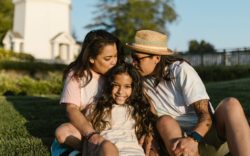 Keeping the Child at the Heart of the Circle
This month in NonProfit Quarterly, three Native American and three non-Native American attorneys provide a vision for the future of Native child welfare in the wake of the 7–2 decision in Haaland v. Brackeen. While the victory in the case means the Indian Child Welfare Act will remain the law of the land, challenges of preserving Native families still persist. The writers discuss what’s needed to remain committed to collaboration and focus on keeping our children at home and at the heart of the circle for future generations. Read the article.
Photo credit NPQ, RDNE Stock project on pexels.com
 More Than 1 Million Acres of Indigenous Land Flooded by Dams
In a first attempt to calculate the amount of land lost by Indigenous Americans due to the construction of dams that re-engineered America’s rivers and lakes, a new study published in Environmental Research Letters finds that over 1 million acres of tribal land have been flooded by dams. Dams are known to harm homes and farmlands and decimate traditional food sources such as salmon populations. This flooded acreage adds to the more than 2 billion acres (97% of tribal territory) taken through treaties, laws, purchases, violence and coercion since the arrival of colonial settlers more than 500 years ago, reports The Guardian. Read more.
Photo credit The Guardian, Edwin Verin/Alamy
 Career Opportunity Through Colorado Public Health Works
As a first-ever apprenticeship program through AmeriCorps and Trailhead Institute, Colorado Public Health Works is encouraging people to enter the field of public health in an effort to bolster the capacity of public health workers in the state. Participants in the program will receive hands-on training at approved host sites, stipends and living allowances, and an opportunity to become certified as community health workers. Individuals seeking a pathway to a career in public health are encouraged to participate. To learn more about being a host site, serving as a mentor, or applying for the apprenticeship, contact Workforce@trailhead.institute. To learn more about public health training opportunities nationwide, contact PublicHealth@americorps.gov.