Impact Story
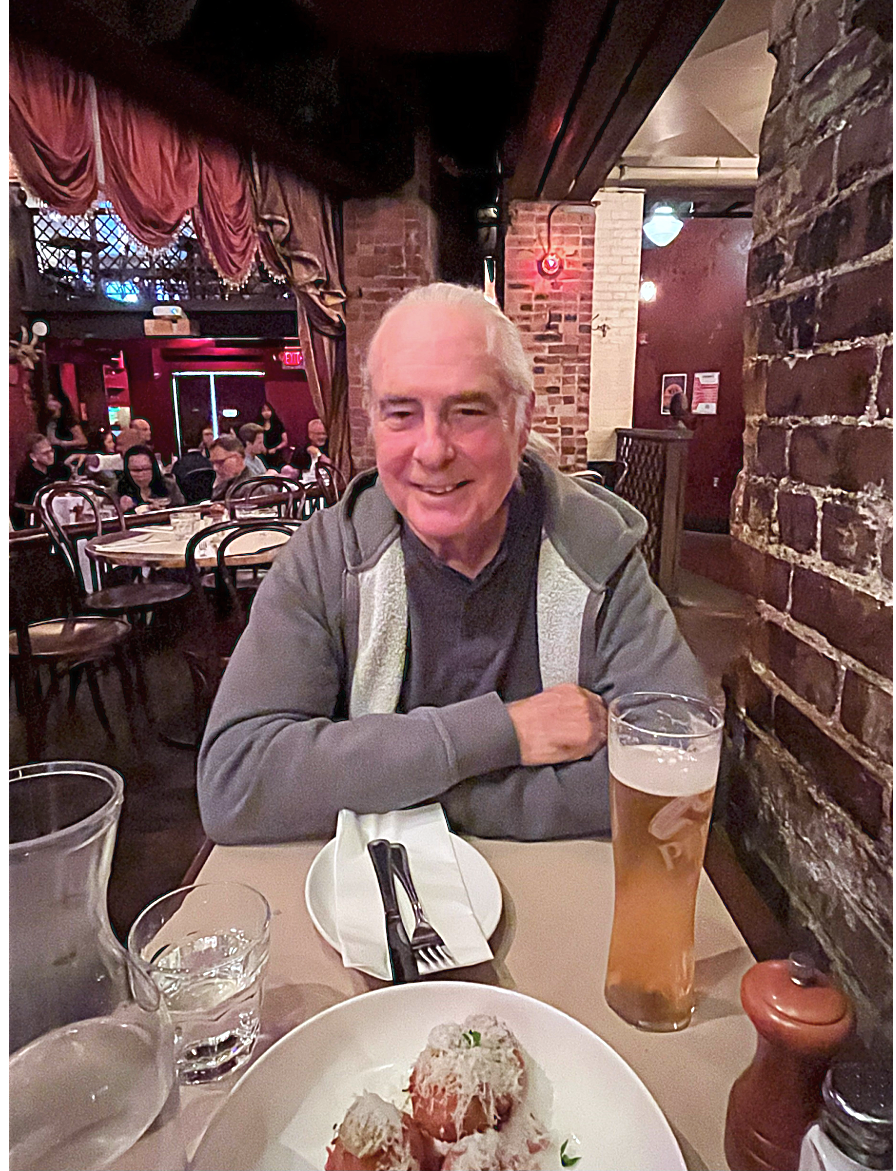
First Nations is grateful to Rob Jackson, a professor of neuroscience at Tufts University, for his generous donations over the years.
Rob Jackson has an ironic life story. He dropped out of high school, but later became the director at the NIH-funded Center for Neuroscience Research at Tufts University, where he has been a professor for more than 20 years.
“I think I am a model for other high school dropouts who might think they can never do anything with their life. I am proud that I ended up getting it together and went back to school,” shares the longtime First Nations donor.
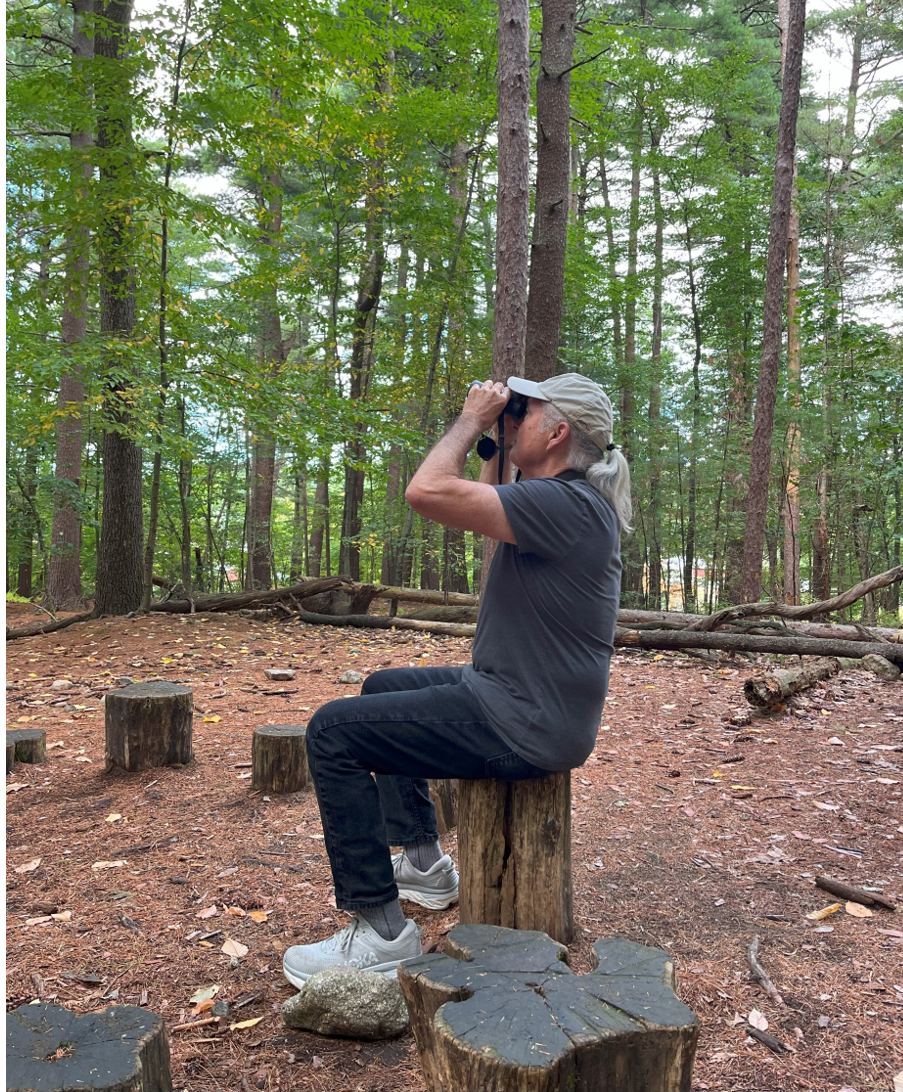
And continuing the irony, while the professor’s research specialty is in sleep and how it is controlled by the brain, he sometimes gets up with the birds to pursue his favorite pastime. “I am a birdwatcher and have been birding all over the country. My favorite bird these days is a Northern Parula, a small warbler.”
Jackson grew up in a Navy family. “I was a military brat,” a term often associated with children of service members. He traveled the world, moving every year up until he was 18. His family lived in Japan, the Philippines, Cyprus, Morocco, Maryland, and Washington, D.C. “The advantage was that I got to see other cultures and countries. The disadvantage was that every year or two, I moved to another school and had to make new friends.”
Relocating so often was hard on Jackson, emotionally and socially ― especially in places where he didn’t speak the language. After dropping out of high school, he worked for a bit in various factories. A few years later, he decided to return to school and attended a small community college in Fullerton, California.
So began an impressive ascent into the world of education.
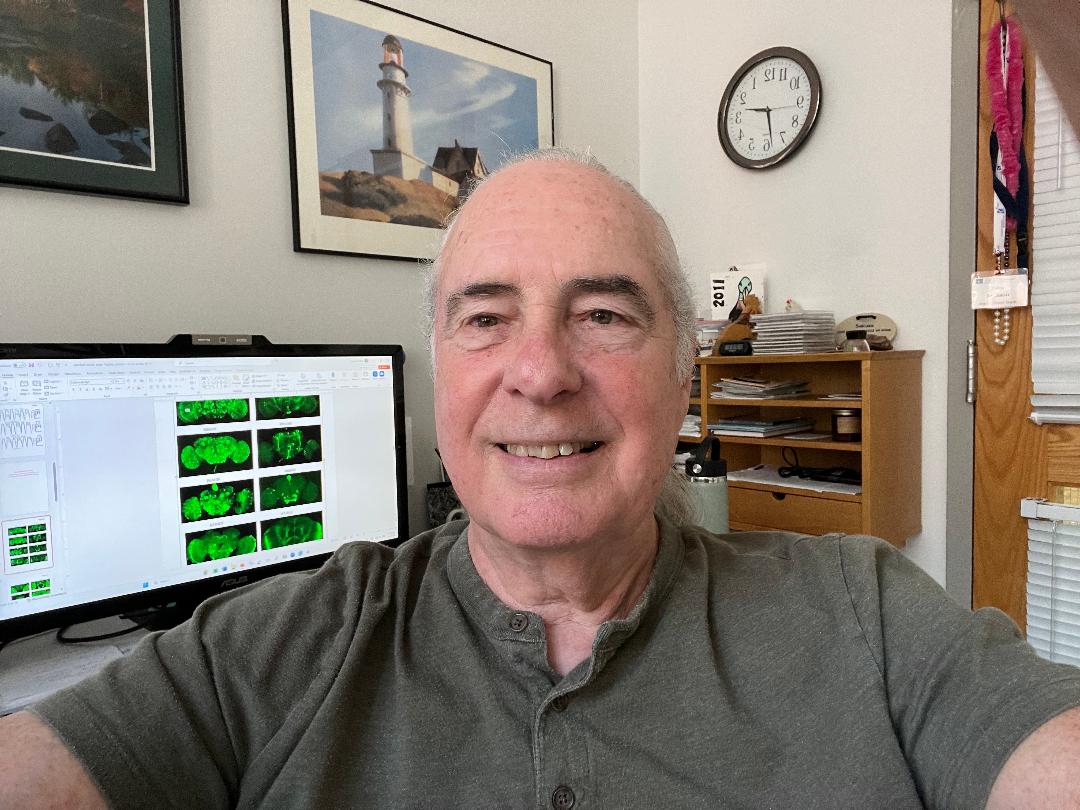
The First Nations donor has taken a special interest in supporting Native language preservation and food sovereignty.
Jackson earned a Bachelor of Arts degree from Sonoma State University, and a doctorate degree from UCLA. He further trained at Einstein College of Medicine and The Rockefeller University in New York. His research interest in circadian behavior ― “It’s the clock in your brain that controls waking and sleeping,” he explains ― led him to start his own lab at the Worcester Foundation for Experimental Biology, a private research foundation in Massachusetts.
“It was like running a small business because each lab required funding to keep it going.” Around the 11-year mark, Jackson started to miss academia and moved on to teach at Tufts University, where he has been ever since.
Jackson lives in Gloucester, just north of Boston, with his wife. “Gloucester is the oldest seaport in the country,” he says, putting on his professorial hat. “And it has really great seafood, too.”
The First Nations donor has two adult stepchildren. His daughter, who also has an interest in supporting Native communities, lives in Alaska and heads up a division of Alaska Health Services, often working with Alaska Natives on various health issues. His son lives in the Boston area and works in computer science at a content marketing company.
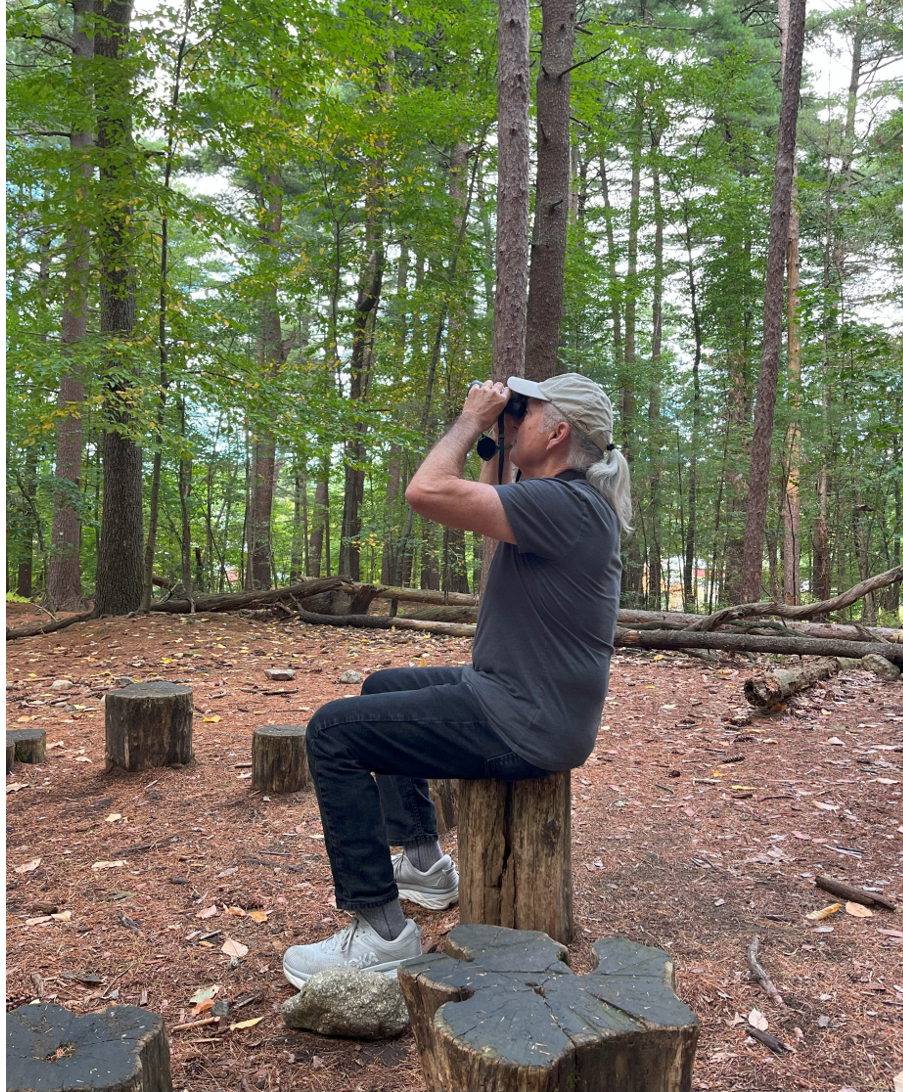
Jackson enjoys birdwatching in his spare time. Lately, he has his sights set on observing warblers.
An interest in Native causes
Jackson tells First Nations that as a college student, he visited Arizona many times as his parents lived in Phoenix and later in Prescott. During these visits, he grew familiar with the Navajo people, whose reservation was nearby, and the world traveler became intrigued by Native American culture.
“I have also always been amazed at how Native Americans were willing to fight in the U.S. military, even after how our government treated them. For hundreds of years, they were willing to stand up for our country, and that’s pretty incredible,” he says, with admiration.
The First Nations donor is particularly interested in supporting Native language preservation and food sovereignty. “I am interested in languages, in general. I speak a little French and Korean. But it is crucial that Native languages, especially, are saved from extinction.”
Having lived in many exotic locations around the world, Jackson appreciates food from other cultures. He understands the importance of Native Americans taking control of their own food systems, and he supports those efforts. “What I like about Native American food is that everything is sourced the way it was hundreds of years ago. Native people eat in a way that is both good for the environment and is healthy.”
He has high praises for “The Sioux Chef” Sean Sherman’s restaurant, Owamni ― a James Beard-award-winning eatery in Minneapolis, Minnesota. “I had buffalo and elk there. And all kinds of vegetables that I normally wouldn’t eat. It’s a fabulous restaurant!”
In addition to his donations to First Nations, Jackson also supports other causes and foundations, including Children International, Safe Passage, IndiJ Public Media, NPR, and the Native American Rights Fund. “It is a group of Native lawyers who are fighting legal battles that Native Americans need to fight.”
Why First Nations?
“I have been incredibly impressed by First Nations’ all-Native board and the way that funds are spent. These people have a vested interest in doing good things in the communities that they live in,” he explains why he chose to support First Nations over other options suggested by Charity Navigator.
His advice to other prospective donors: “Look at the administrative costs. I have seen many charities whose administrative costs are 20% to 30% of the overall budget. The admin costs for First Nations are very low, and that made a real difference to me.”
First Nations thanks Jackson for his many contributions through the years that help keep our important programs and projects running. “First Nations Development Institute is grateful to compassionate supporters like Rob. It is because of people like Rob that we can, and continue, the work we do in the Native communities we serve,” shares Director of Individual Giving Jona Charette (N. Cheyenne/Turtle Mountain Band of Chippewa). “We remain thankful to Rob for his continued support.”