Language is Life

Language Is Life

Language is a vital asset for Native people and communities. It defines who we are and where we come from, capturing value systems that cannot be translated into English. In celebration of Native languages, First Nations launching our spring giving campaign, “Language is Life” in support of our Native Language Immersion Initiative.

The campaign ended June 30, 2025, with all donations made through the campaign being doubled up to a goal of $500,000. Thank you to everyone who gave in support of keeping Native languages alive.

Scroll down for webinars, materials, and videos shared during the campaign, and stay tune to our Native Language Immersion Initiative to learn about how funds are being deployed.

Starting the Conversation

Learn about First Nations’ Native Language Immersion Initiative and our community partners who are keeping Native languages alive and thriving. In April, we were honored to host this webinar featuring our community partner Xine:wh-ding Inc., an Indigenous women-led nonprofit based on the Hoopa Valley Reservation in Northern California, and Abi Whiteing (Blackfeet), Director of Native Arts, Language and Knowledge. Check out the webinar recording below!

Access the presentation materials.


Protecting the ‘Official Intelligence’ of Our Native Language

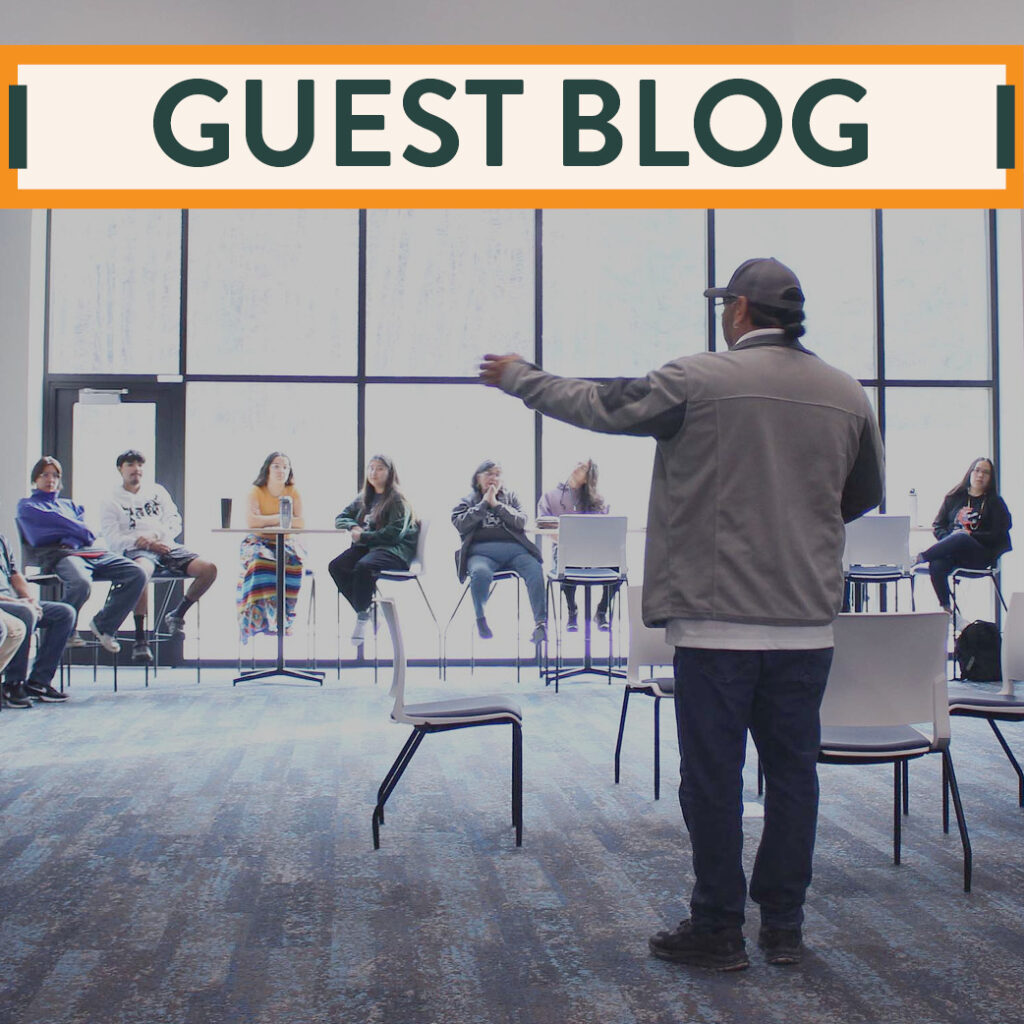
As part of First Nations’ “Language is Life” campaign, we are honored to welcome this guest blog post from Kcheyonkote (Burton W. Warrington), co-founder and executive director of Menomini yoU, Inc., in Keshena, Wisconsin. Menomini yoU is a community partner through First Nations’ Native Language Immersion Initiative and is one of the many organizations supported through our campaign.

Here, Kcheyonkote talks about the importance of revitalizing Native languages, and how his path led him home to help “renormalize” the Menominee language and the centuries of lived knowledge and experience that are tied to every word.

Read Protecting the ‘Official Intelligence’ of Our Native Language here.

About the Artwork

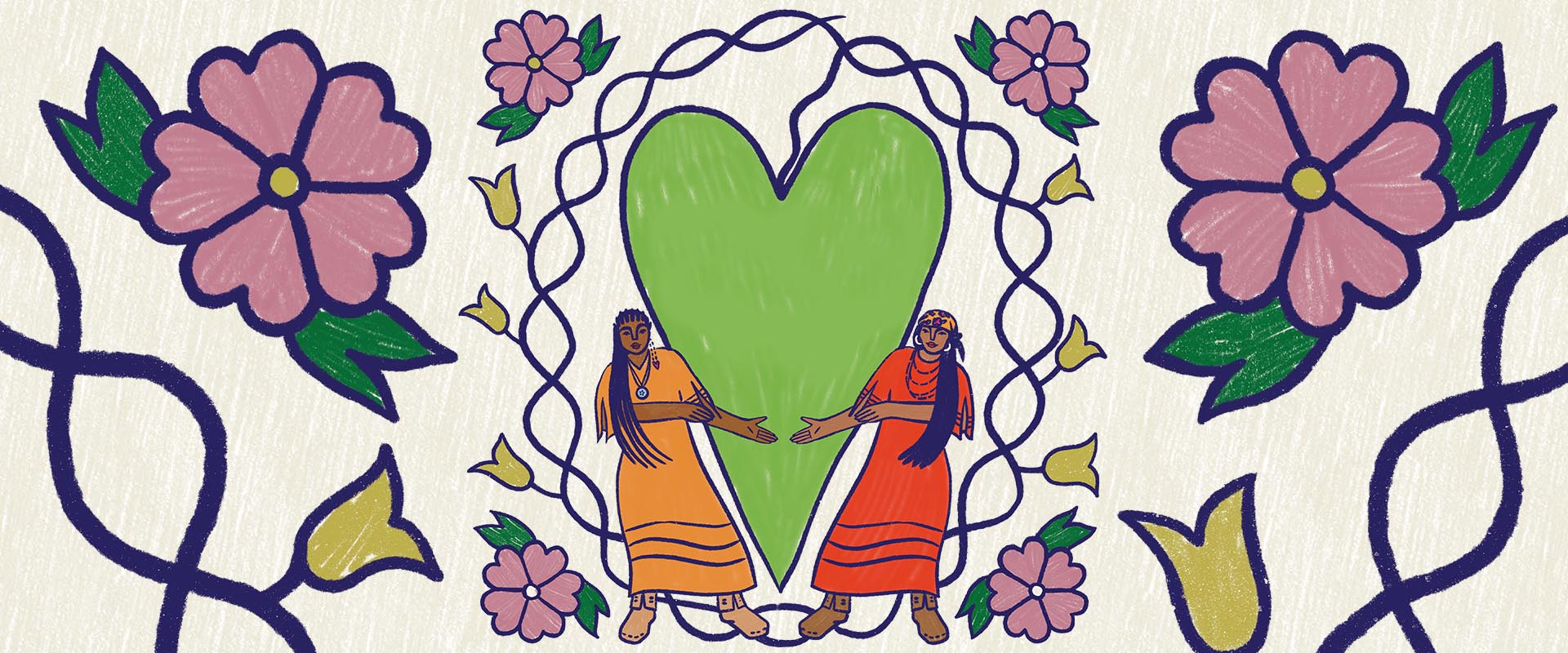
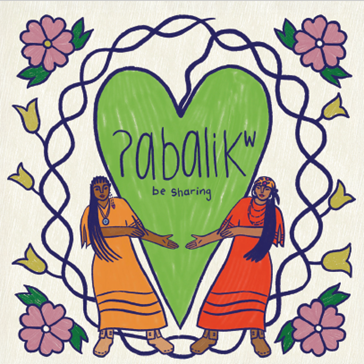
The “Language is Life” campaign features imagery by Paige Pettibon. The word ʔabalikʷ means “to be sharing” in Twulshootseed, which is the Indigenous language of the south Puget Sound.

Paige writes, “This piece is based on plateau beadwork. Thinking about how we shape our community, the first shape that comes to mind is a heart. I used the heart shape as the leaf along with the vine and flowers to symbolize growth, nurture, and love. This is how I see art come together in creating community as a diverse and thriving group of kin linked together shaping representation.”

Scroll down to read more about Paige.

Donate to Language is Life!

While the one-for-one match opportunity ended June 30, 2025, you can still contribute to this important work. Thank you!

About the Native Language Immersion Initiative

There are only about 150 Native Languages still alive today in the United States, many spoken by a few elders. Without interventions, many of these languages will become extinct within 50 to 100 years. Loss of a language brings a loss of knowledge, culture, and identity and ties to our ancestors.  

In 2017, First Nations Development Institute launched the Native Language Immersion Initiative to support Native American language speakers and communities to build sustainable language immersions programs.  

Learn more about the Native Language Immersion Initiative


Campaign Impact 

Funding through the “Language is Life” campaign will help tribes and Native-led organizations support new generations of Native American language speakers, and help Native communities establish infrastructure and models for Native language immersion programs that may be replicated throughout Indian Country. 

A few examples of our community partners include: 
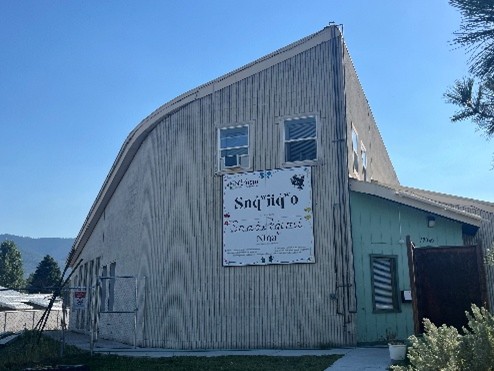
Nkuwsm – Salish Language School 

Serving the Salish and Pend d’Oreille communities on the Flathead Reservation in northwestern Montana, Nkuwsm has provided Salish language immersion education to children ages 2 to 14 since 2002. By fostering community engagement and offering comprehensive Salish language education programs for youth and adults, Nkuwsm helps ensure the Salish language thrives for future generations. 
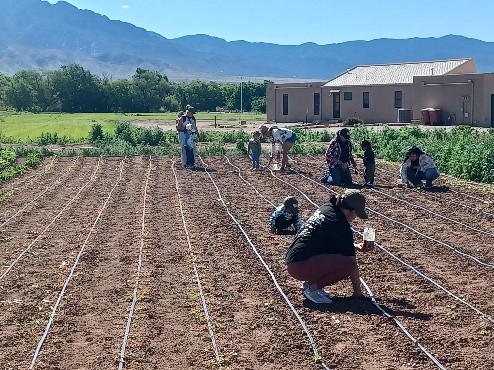
 

Saad K’idilyé, which translates to “The Planting of the Language Seed,” is the first Diné language nest immersion program focused on revitalizing and sustaining the Diné language and culture. Located in Albuquerque, New Mexico, this licensed Early Childhood Education and Care Department child care center serves children from infants to age 3.  
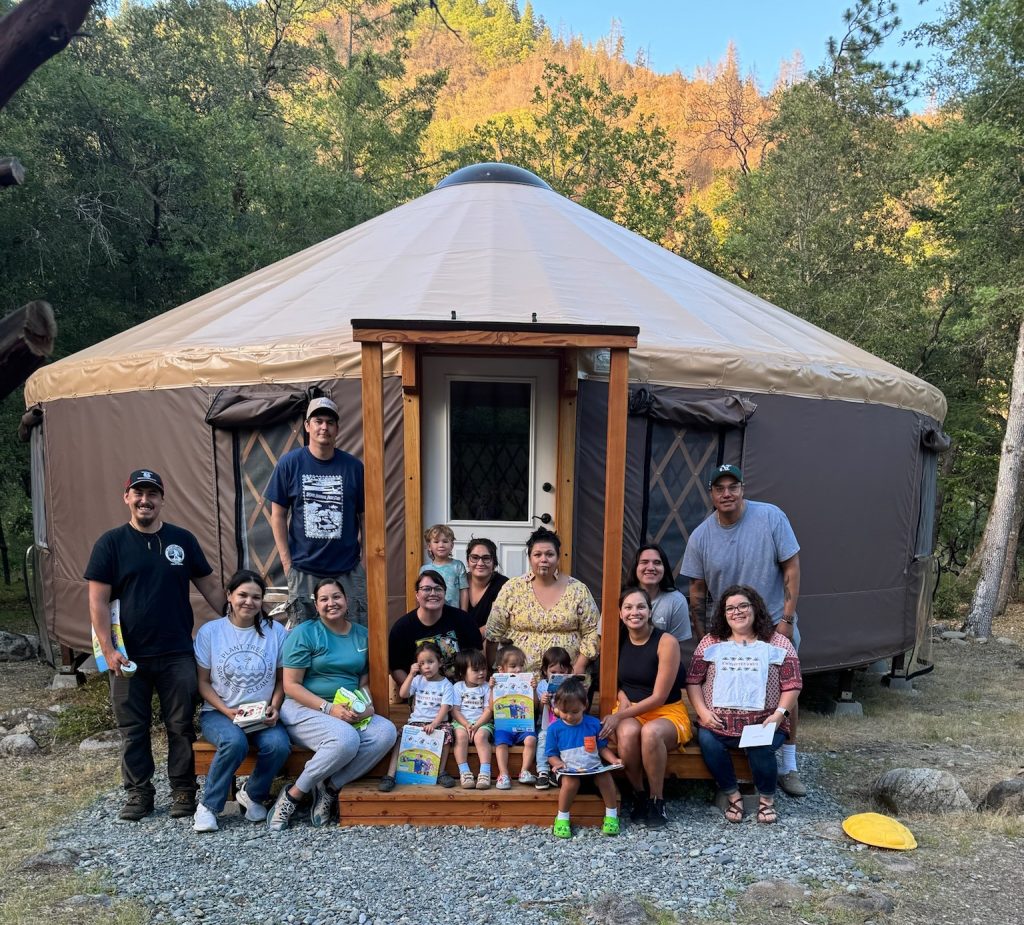
 

Xine:wh-ding Inc., meaning “a time and place for language,” Xine:wh-ding offers a full-time language nest for babies and their families, summer immersion programming for youth, high school and college internships, social media lessons and education for community members, and training for new Hupa language teachers.


About the Artist

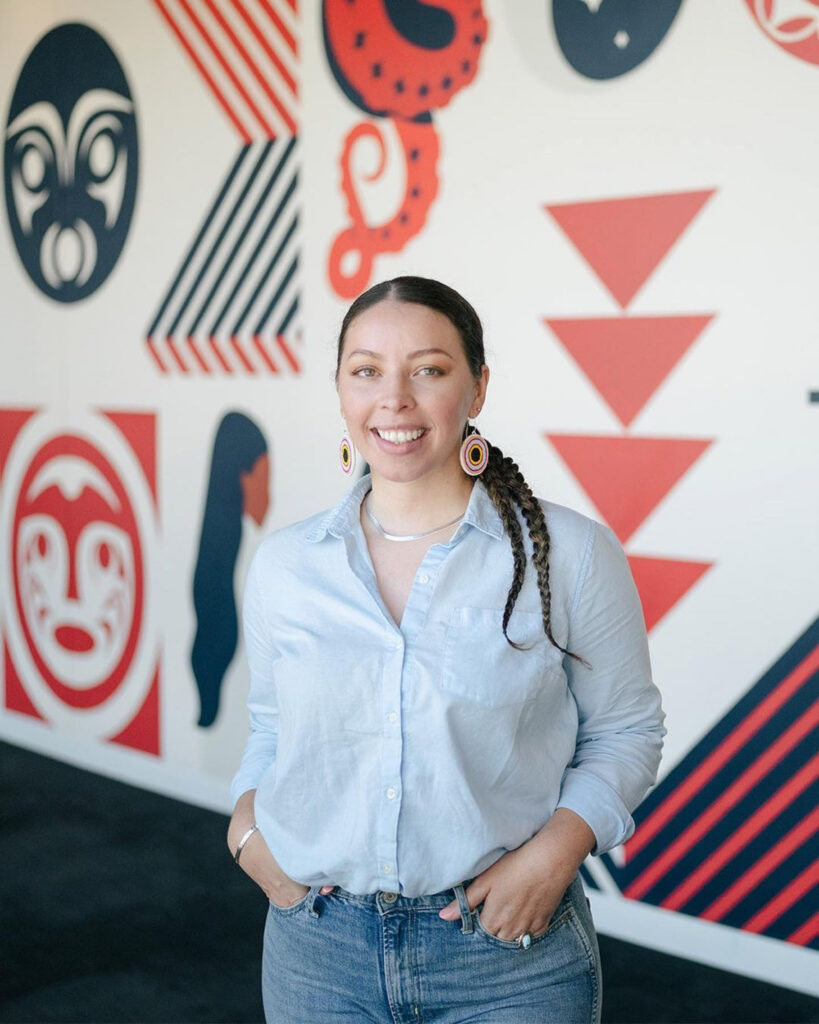
A multidisciplinary artist based in Tacoma, Washington, Paige Pettibon work reflects her Black, White, and Salish heritage (Confederated Salish and Kootenai Tribes). While Pettibon began her creative journey as a painter, her practice has since expanded to include sewing, creative writing, digital art, and jewelry making. Known for her distinctive figurative style, her work explores themes of identity, culture, and the intersections of her multicultural background. Through an exploratory approach, Pettibon continuously embraces new techniques and ideas, fostering dialogue and connection through her art. 

Her work has been exhibited at prominent venues such as the Tacoma Art Museum, Smithsonian Institution, Stonington Gallery, University of North Carolina, University of Washington, University of Puget Sound, North Seattle College, Surrey Art Center, and Kraken Iceplex, as well as galleries throughout the Puget Sound region. Her jewelry line, Plain to Sea, enjoys strong support from collectors nationwide. Pettibon’s artistic practice is rooted in building community and bridging cultural connections, using art as a powerful tool for storytelling and allyship.