News
Thought Leadership
Every year on May 5th, red dresses sway silently in the wind; tobacco, sage, sweetgrass, and cedar fill the air; and communities come together to honor the lives of relatives who never came home.
 Today, on Missing and Murdered Indigenous Persons (MMIP) Day, we stand. We stand for Native justice. We stand to raise awareness about the human rights violations—assault, abduction, and murder—that occur every day in North America to Native American and Alaska Native peoples. On MMIP Day, Native communities come together to advocate for the right to live safely, for Tribal Sovereignty to be respected, and for change: change to ensure future generations do not have to live in fear or with trauma that devastates families, communities, and Tribal Nations.
Numbers aren’t just numbers
A 2008 National Institute of Justice study found that the rates of violence on reservations are much higher than the national average. A 2016 National Institute of Justice study found that 83% of American Indian and Alaska Native adults have experienced some form of violence in their lifetime.
In 2021, homicide ranked as the 13th leading cause of death for American Indian and Alaska Native people, in comparison to 20th for white persons. The Urban Indian Health Institute identified 5,712 cases of missing Indigenous women in 2016, yet officials recorded only 116 in the Department of Justice database. In 2021 the National Center for Missing & Exploited Children recorded 85% of the Native children reported missing between 2009 and 2018 were considered endangered runaways (children between the ages of 11 and 17 who left home and whose whereabouts are unknown to their parent or guardian).
Although numbers cannot carry our prayers, hold our grief, or reveal our strength, they do drive action.
Community members, allies, and politicians are using these numbers (and lack of numbers) to bring justice to Native families. Though much work is needed, progress has been made. Savanna’s Act, a federal law signed in 2020, improves the federal response to MMIP by increasing coordination among federal, state, tribal, and local law enforcement agencies. Also, in 2022, the Not Invisible Act was signed into law, creating a cross-jurisdictional advisory committee to develop recommendations to address public safety challenges, including how to track and report data on MMIP and human trafficking cases and increase tribal-state-federal resource coordination. In 2022 the Violence Against Women Act was passed, reauthorizing programs and activities that aim to prevent and respond to domestic violence, sexual assault, and stalking.
A new tool: The Missing and Endangered Persons (MEP) Alert
First Nations’ Stewarding Native Lands community partner, Native Public Media (NPM), has spent years developing and advocating for a comprehensive framework that enhances public safety and includes a tool for addressing missing, murdered, and endangered persons. In 2024, NPM advocated for the Missing and Endangered Persons (MEP) Alert, a groundbreaking national emergency alert system modeled after the AMBER Alert, explicitly created to respond to the crisis of missing Indigenous people—both adults and minors—and others at risk. Set to launch in September 2025, the MEP Alert addresses a long-overdue need to rapidly disseminate critical information when a person disappears under urgent, life-threatening conditions.
Through this system, Tribes, states, and law enforcement agencies can share details across television, radio, highway signs, and mobile phones. Most significantly, Tribal Nations can serve as Alerting Authorities, issuing alerts directly and immediately—without external approval. Nationwide alerting that includes Tribal communities is a transformational shift for rural and reservation communities, where time is a critical factor in life-saving responses.
Native Public Media has played a critical role in this achievement. As a trusted advocate for tribal media and public safety, NPM worked diligently with tribal partners, public broadcasting stations, and national policymakers to influence the Federal Communications Commission (FCC)’s establishment of the MEP Alert. Native voices helped shape a national policy that now recognizes the unique threats Indigenous communities face when someone goes missing. Today, NPM continues to lead the charge by collaborating with Tribal Nations and federal agencies to develop national MEP Alert criteria—a framework that will guide when and how alerts are issued with fairness, speed, and cultural sensitivity.
The MEP Alert is just one part of a larger MEP Ecosystem—a coordinated network that ensures missing and endangered cases are met with urgency, justice, and community-based response. This ecosystem is grounded in public safety and is only as strong as the systems that uphold it.
What we must do
In addition to raising awareness and advocacy for tools like the MEP Alert, there remains more we all must do to project families, communities, and Tribal Nations.
Build a national database for Indigenous cases
Today, data on missing Indigenous persons is scattered, incomplete, or misclassified. A centralized, publicly accessible database that respects Tribal data sovereignty is essential. Such a system would empower Tribes to track trends, prevent cases from falling through the cracks, and coordinate responses. Data must become our armor—a proactive tool that saves lives, not just a record of loss.
Expand Indigenous-led search and rescue
Many Tribes lack access to trained personnel or modern equipment like sonar, drones, and geo-targeting. The ecosystem must be resourced with funding for specialized response teams that understand local terrain and cultural context. Research shows that recovery rates increase dramatically when community-informed teams lead search efforts.
Strengthen inter-jurisdictional cooperation
Missing Indigenous persons cases often cross federal, state, local, and tribal lines. Clear protocols must guide these overlapping authorities to work together, not apart. Unified communication and voluntary cooperation—hallmarks of a strong MEP ecosystem—can help prevent critical delays.
Invest in cold and current case units
Thousands of Indigenous families are still waiting for answers. Cold cases deserve fresh eyes and technological tools, while new cases must be handled with speed, dignity, and cultural care. The MEP ecosystem supports dedicated investigators and legal teams trained to work respectfully and transparently with Native communities.
Train tribal authorities for immediate response
Becoming an alerting authority isn’t just symbolic—it’s a life-saving responsibility. Through programs like FEMA’s Wireless Emergency Alerts (WEA) and the Emergency Alert System (EAS), training tribal authorities can become fully equipped to issue alerts independently, marking a significant step toward Tribal Sovereignty and safety.
May 5th is a call to action
In addition, we can continue the charge of remembrance with a call to action. Both Native and non-Native people can be advocates:
On this Day…
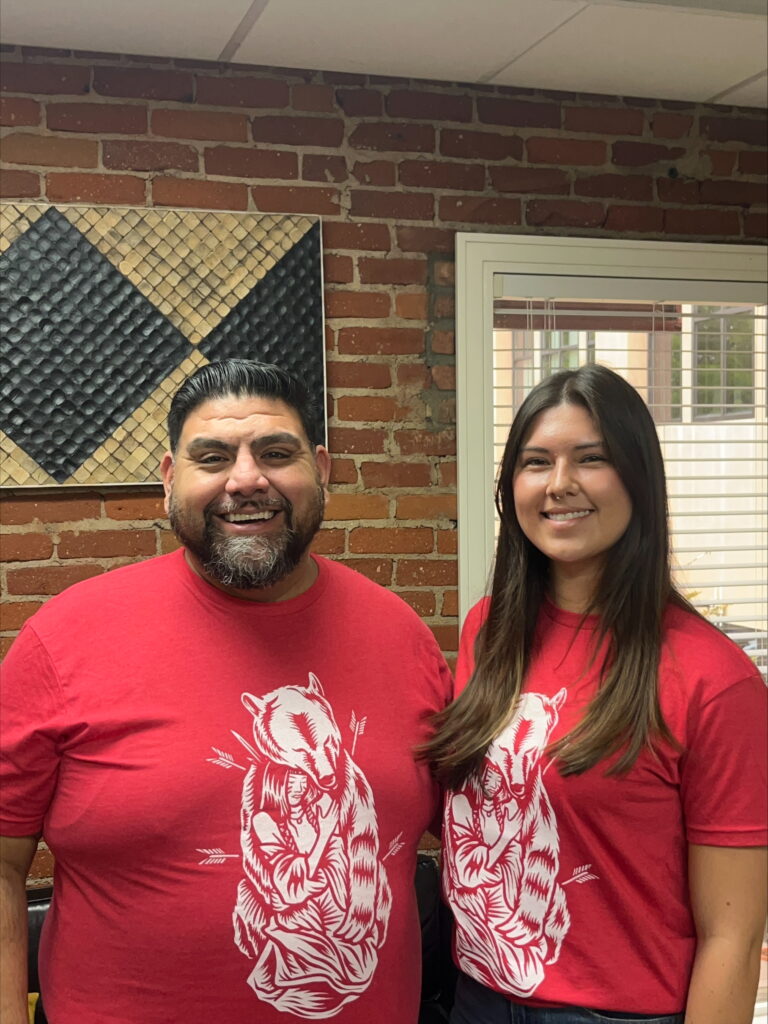
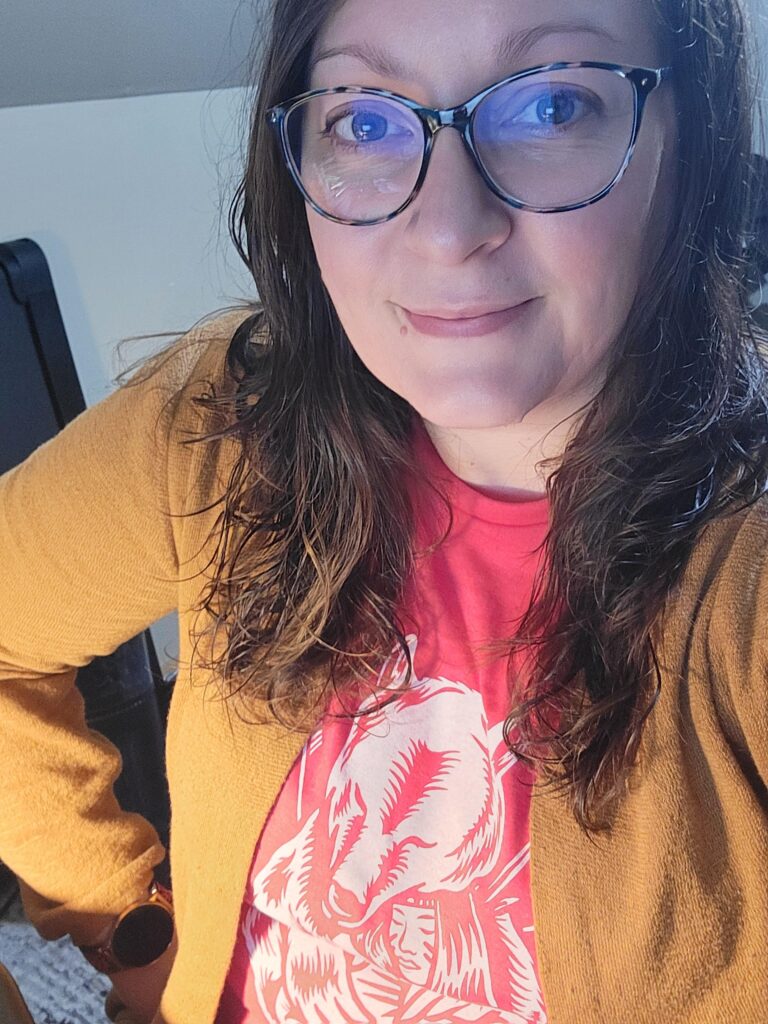 Finally, join us on this day in remembering those we’ve lost and advocating for Native justice. The red dresses do not simply mark absence, loss and pain—they carry memories and voices, which radiate presence and power. They remind us that love transcends generations and justice remains possible.
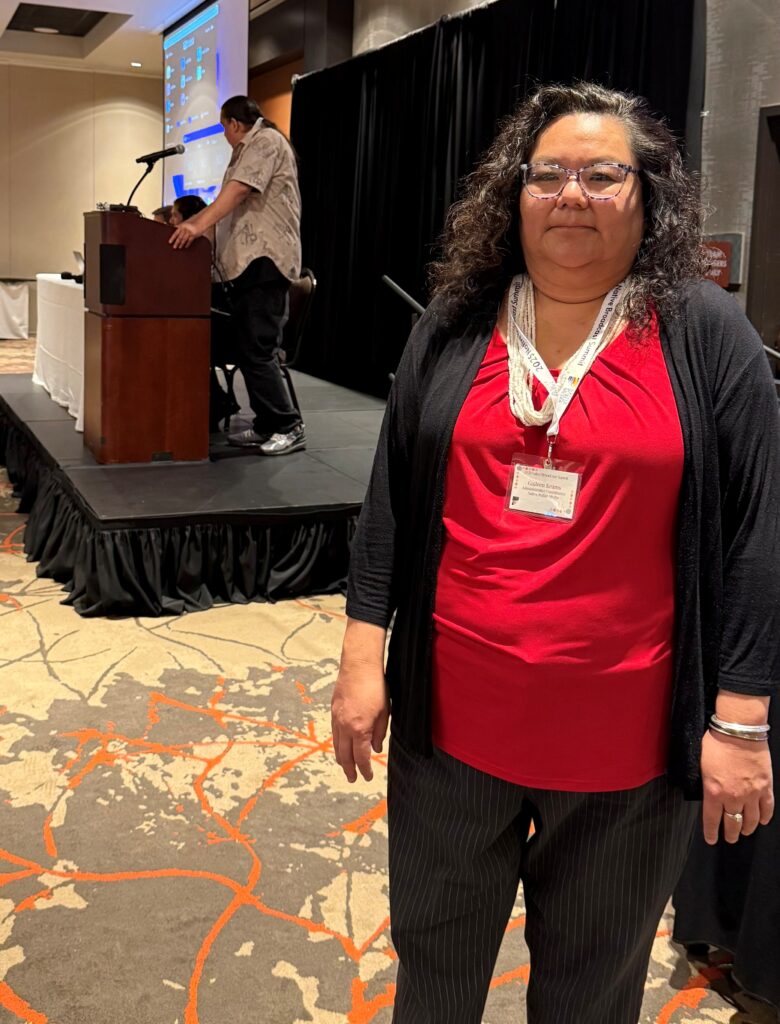
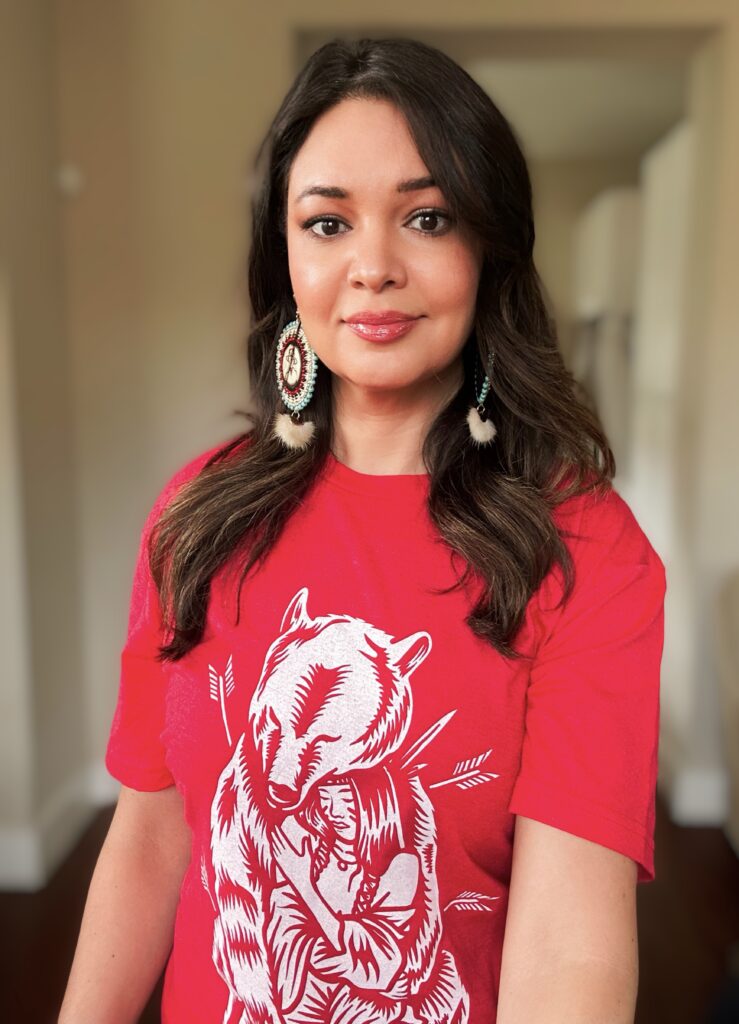
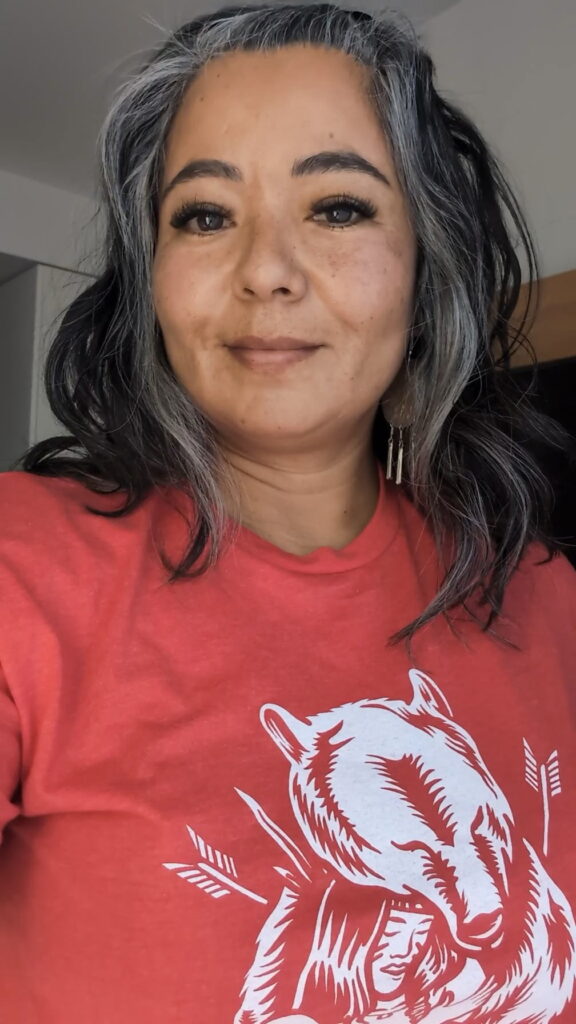
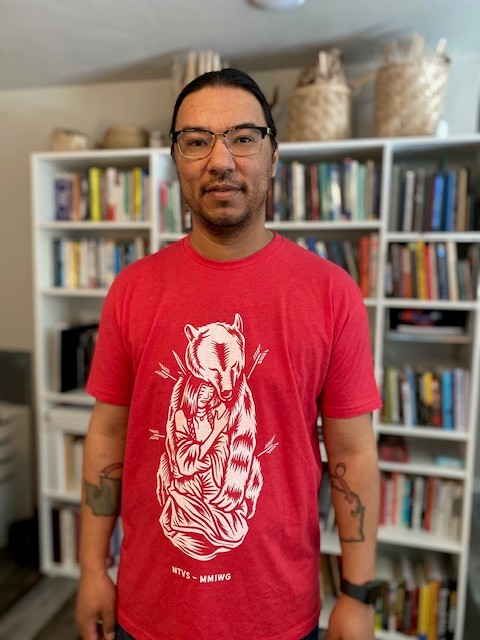
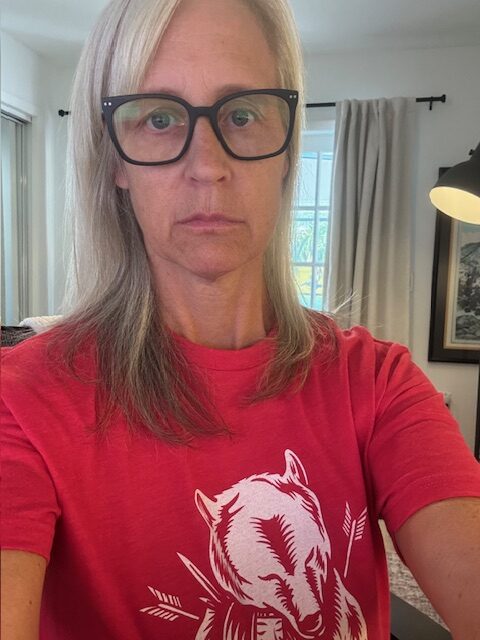
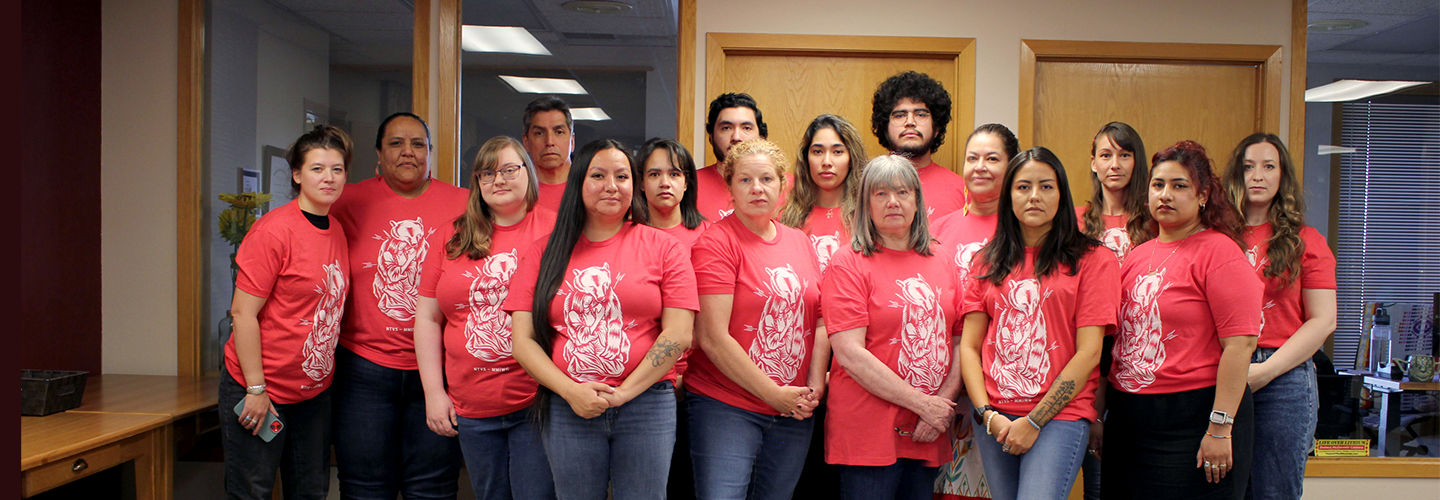
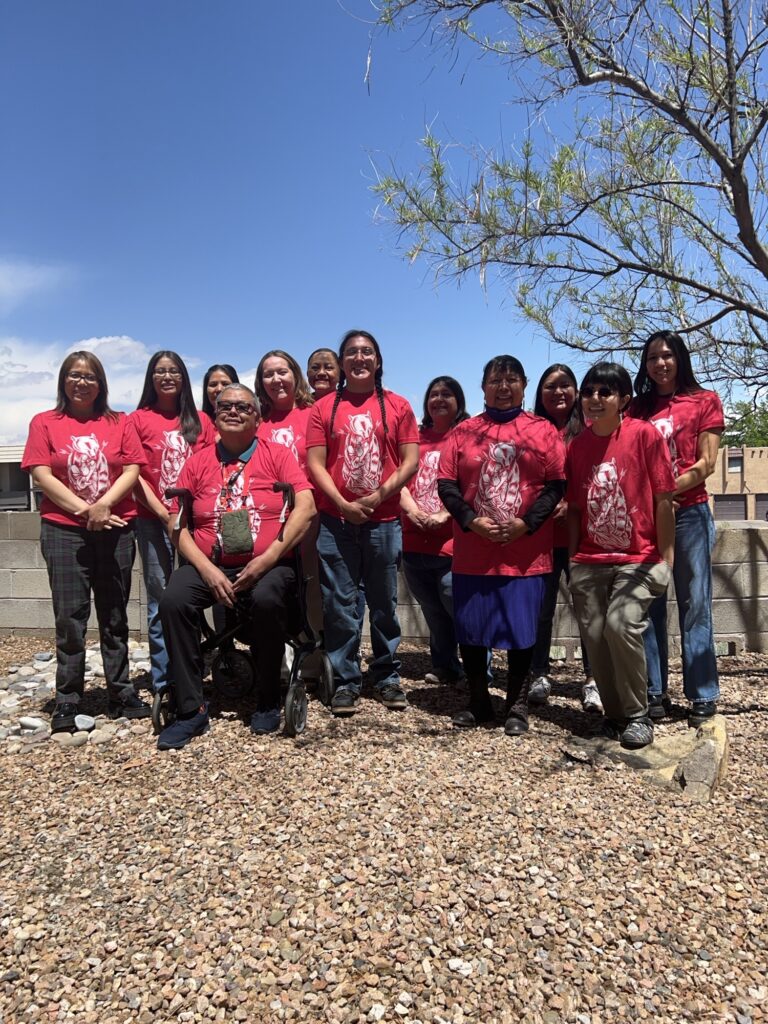
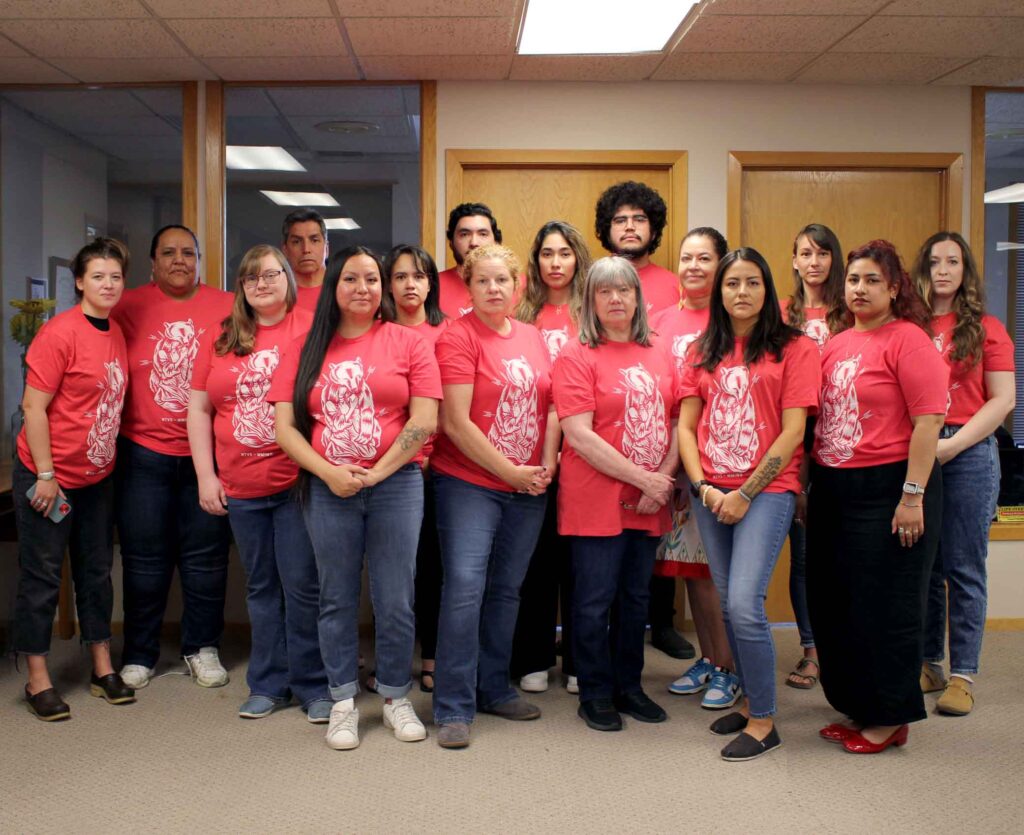
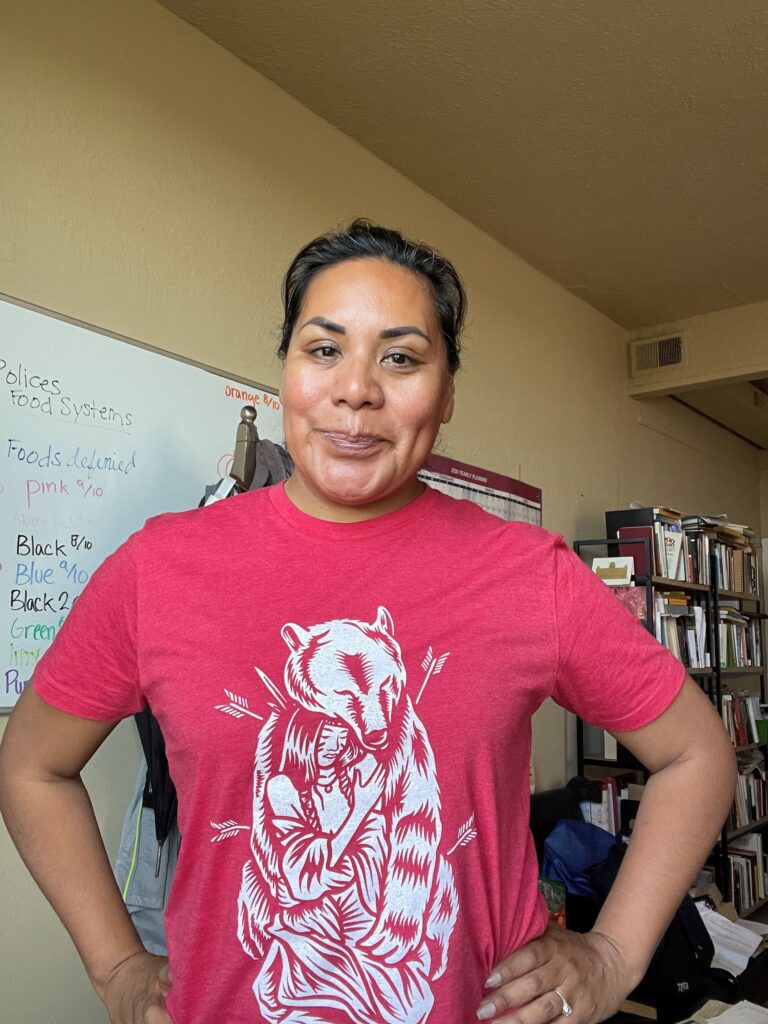
 Today, First Nations hosted a hybrid gathering with our Longmont, New Mexico, California, and remote staff and watched Who She Is. We wore red in solidarity and stood in prayer for our missing and murdered relatives. Wherever staff were, from Florida to California, Vancouver to Texas, we wore red.
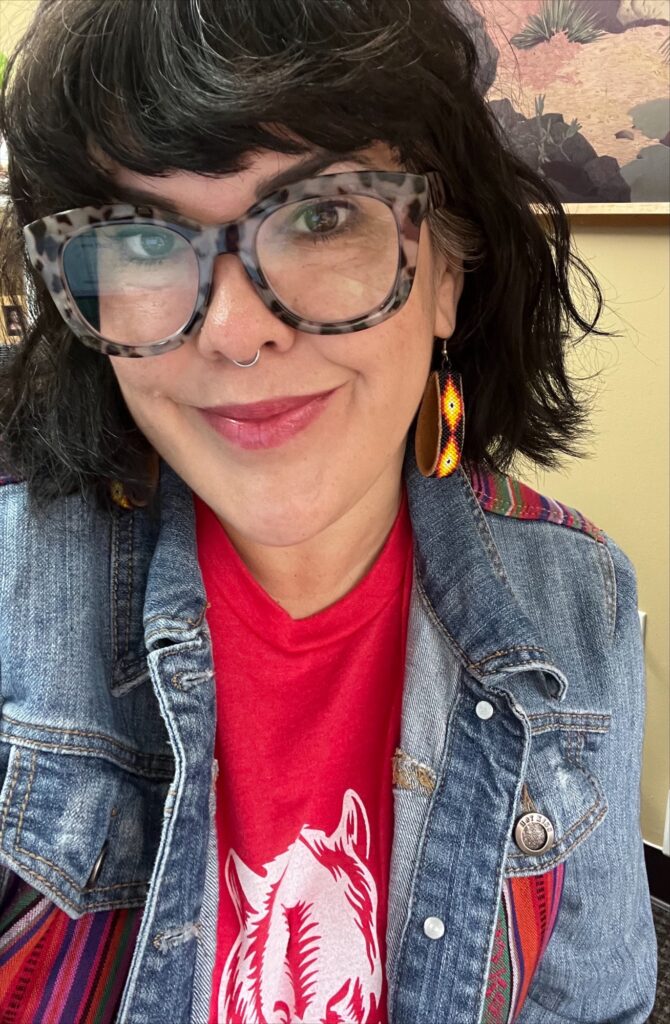
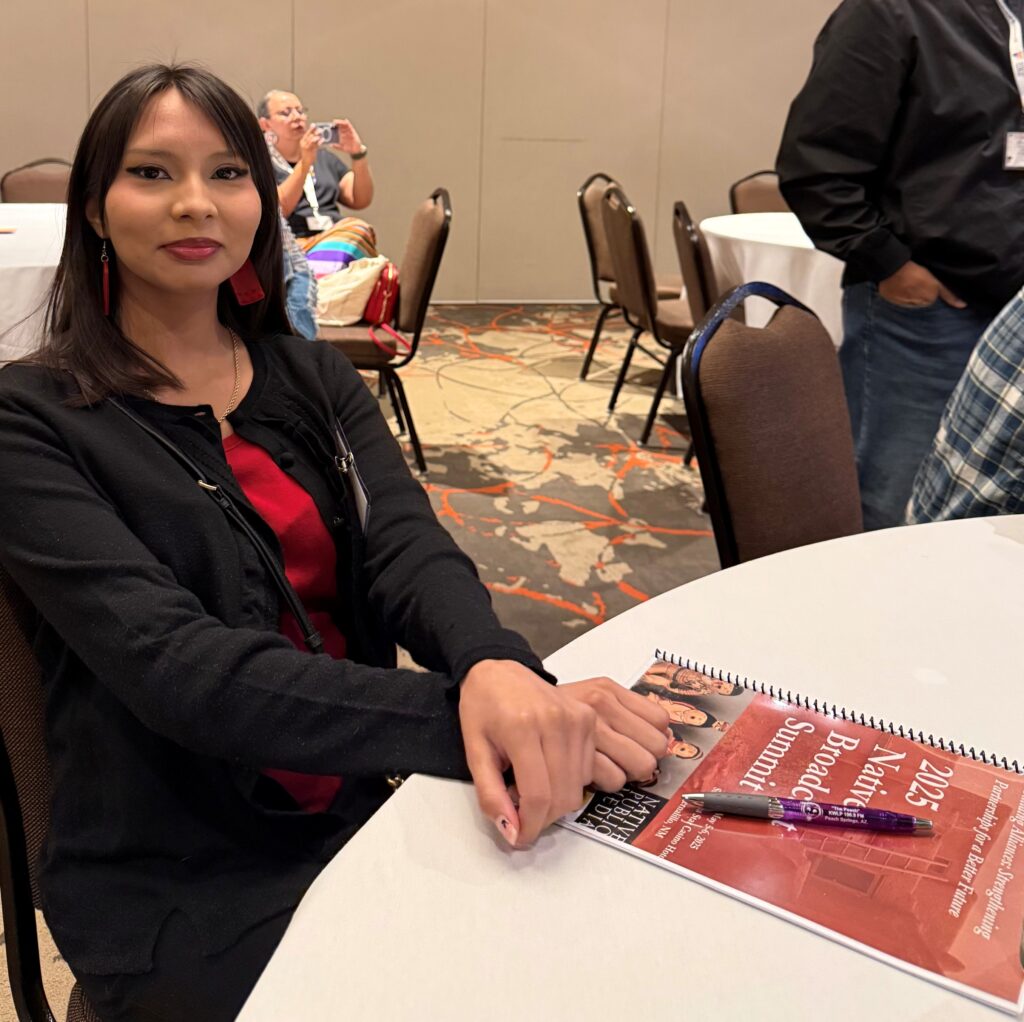
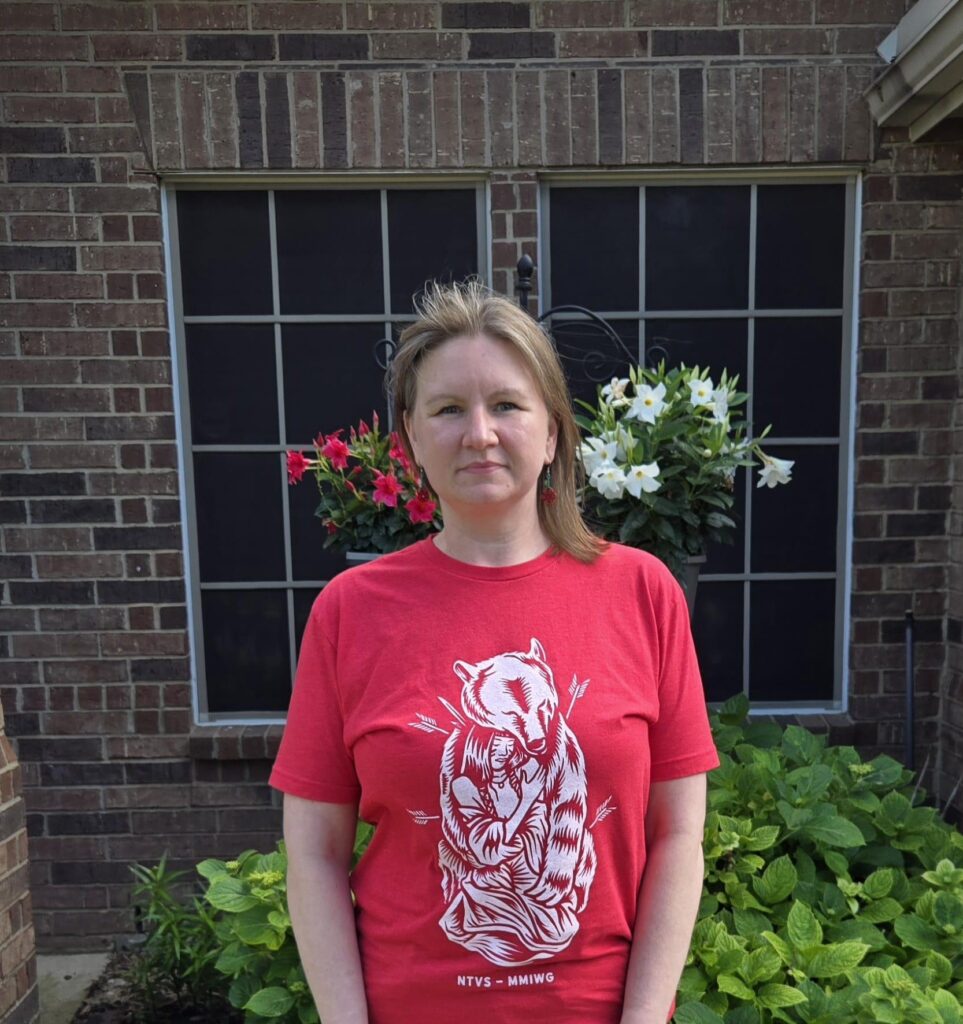 First Nations’ community partner Native Public Media hosted its 2025 Native Broadcast Summit in Bernalillo, New Mexico. Janell Rasmussen from AMBER Alert provided the keynote focusing on child abductions, leading to her service on NPM’s Missing and Endangered Persons Working Group. NPM staff wore red. On May 6, 2025, NPM will host a half-day workshop on the national MEP Alert criteria, Alerting Authorities, and broadcast station readiness for Wireless Emergency Alerts (WEA) and the Emergency Alert System (EAS).
Thank you for your interest and support.
Loris Taylor (Hopi/Acoma), President and CEO, Native Public Media
Jacque Demko (MHA Nation), Associate Director of Stewarding Native Lands, First Nations Development Institute