News
Press Release
First Nations Development Institute to present findings November 10 from over 1,000 Native American voters, offering a detailed look at an electorate often overlooked in national election polling
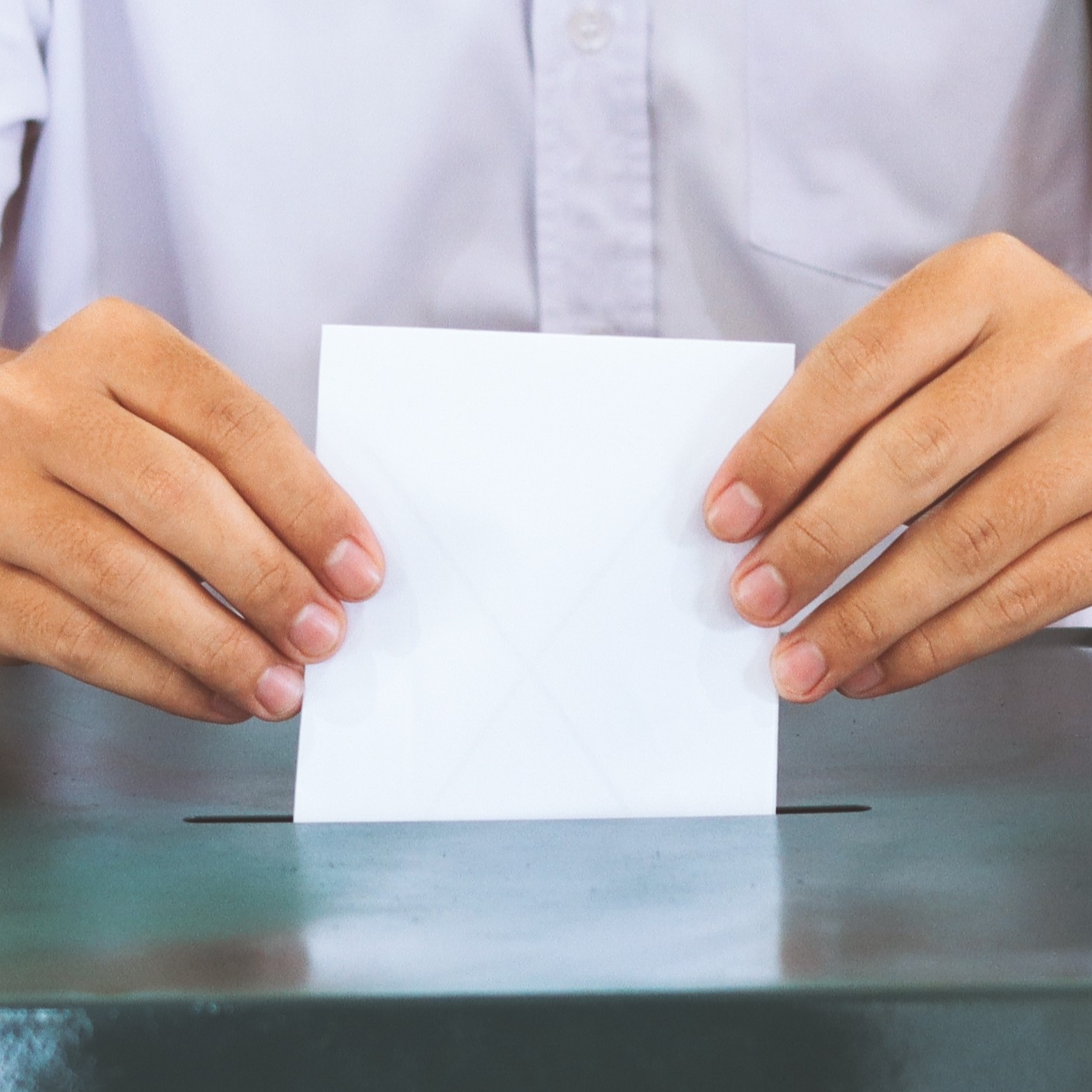
LONGMONT, Colo. (Nov. 4, 2026) — In a commitment to research and advocacy for Native justice, First Nations Development Institute co-sponsored the 2026 Midterm Election Voter Poll to deepen understanding of why and how Asian American, Black, Latino, Native American, and White voters voted.
Conducted by the African American Research Collaborative (AARC) and BSP Research, the poll surveyed more than 10,000 voters nationwide, including over 1,000 Native American voters. Building on more than a decade of multiracial election polling, the research provides an important opportunity to examine voting decisions, motivations, and policy priorities across racial and ethnic communities.
In a virtual briefing on Tuesday, November 10, 2026, at 12 pm ET, presenters will examine results about Native American voting decisions, key policy priorities, and perspectives on issues affecting Native communities.
First Nations President and CEO Michael Roberts will share insights on poll findings focused specifically on Native American voters. Register here.
Native American voters are often overlooked in national election analyses, where small sample sizes can limit understanding of their political priorities and voting behavior. With a substantial Native American sample, this research offers a more detailed picture of how Native voters participated in the 2026 midterm elections, the issues that influenced their decisions, and what they want elected officials to prioritize.
Among the key findings: Nearly nine in 10 Native American voters (89%) say a candidate’s positions on Tribal Sovereignty, treaty rights, and the federal government’s responsibilities to tribal nations are important in deciding their support. When asked about the most important issues facing Native communities, respondents identify tribal land rights, land protection, and restoration (28%); Tribal Sovereignty and self-determination (26%); and the crisis of missing and murdered Indigenous people (26%) among their leading priorities.
Economic concerns also weigh heavily on Native voters, with 55% ranking cost of living and inflation among the three most important issues they want Congress and the President to address. One-third (33%) report struggling to make ends meet or experiencing major financial troubles.
Findings also highlight gaps in political engagement, with nearly half (49%) of Native respondents reporting no voter registration or voting outreach from a political party, campaign, or other organization during the 2026 election cycle. Additionally, 61% opposed the construction of artificial intelligence data centers near their communities, reflecting concerns raised about water and electricity consumption and utility costs.
The poll and webinar reflect First Nations’ ongoing efforts to lead studies and produce resources that amplify Native voices and ensure Native communities are invested in, supported, and included in decisions that pertain to them.
In an initial briefing on Wednesday, November 4, 2026, Roberts explained how First Nations’ polling in the 2024 election revealed that both political parties largely ignored Native voters. “This seems absurd given that Native voters loom large in key states like Alaska, Michigan, and Maine. Couple that with the fact that organizations like CNN badly misrepresented the 2024 Native vote, makes First Nations’ polling in the mid-terms and reflecting Native truth that much more relevant.”
Unlike national election polls that frequently include too few Native respondents to provide meaningful analysis, this research includes a substantial Native voter sample and additional screening questions to better identify and understand Native respondents. In addition to racial and ethnic self-identification, the screening process asked about Tribal citizenship or enrollment, Native identity without enrollment, and close family connections, including Native parents or grandparents.
The November 10 briefing will go beyond national election headlines to examine the distinct political, cultural, and economic contexts that shape Native American voting decisions.
TOPICS TO BE DISCUSSED
FEATURED SPEAKERS
Michael E. Roberts (Tlingit), President and CEO, First Nations Development Institute
Jordan James Harvill (Cherokee, Choctaw), Senior Director of National Programs, Advance Native Political Leadership
Henry Fernandez, CEO, African American Research Collaborative
Gabe Sanchez, Ph.D., Director of Research, BSP Research; Director, University of New Mexico Center for Social Policy
More information about the study can be found at 2026 Midterm Election Voter Poll
ABOUT FIRST NATIONS DEVELOPMENT INSTITUTE
Founded in 1980, First Nations works to uplift and sustain the lifeways and economies of Native communities through advocacy, financial support, and knowledge sharing. Through year-end 2025, First Nations has successfully managed 4,405 grants totaling over $110 million to Native American projects and organizations in 46 states, the District of Columbia, U.S. Territory American Samoa, and Guam. We envision a world in which Tribal Sovereignty is upheld, and Native ingenuity and knowledge are honored and respected. For more information, visit www.firstnations.org.