INDIAN GIVER is published quarterly by First Nations to share the impact of the Native-led projects and initiatives we invest in and to celebrate the strength and future of Native communities. The phrase INDIAN GIVER entered the English language under historical circumstances that distorted its meaning within Native American culture, where it never carried the negative cargo we know it by today. The true meaning signifies a willingness to care, an expectation of sharing; and a cultural commitment to reciprocity that was not to be questioned. Indian giving was, and is, the future wealth of society.
June 2025 Newsletter
Highlights from First Nations, Gratitude for You
Dear Friends,
Welcome to the June 2025 issue of Indian Giver, First Nations’ quarterly newsletter.
In this summer issue, we share news of First Nations’ community partner, the American Indian Business Leaders chapter at Sitting Bull College and its work to nurture the next generation of Native entrepreneurs. We also check in with a few of our Native Youth and Culture Fund community partners who are helping young Native campers build confidence and lifelong friendships while accessing traditional knowledge.
We feature 2024 Luce Indigenous Knowledge Fellow Cara Flores (CHamoru), an Indigenous filmmaker and co-founder of Nihi Indigenous Media, a Native-led nonprofit headquartered in Guam. And, in our Donor Spotlight, we introduce you to Judy Favell and share her inspirational and systematic approach to philanthropy.
Thank you for your continued support of First Nations.
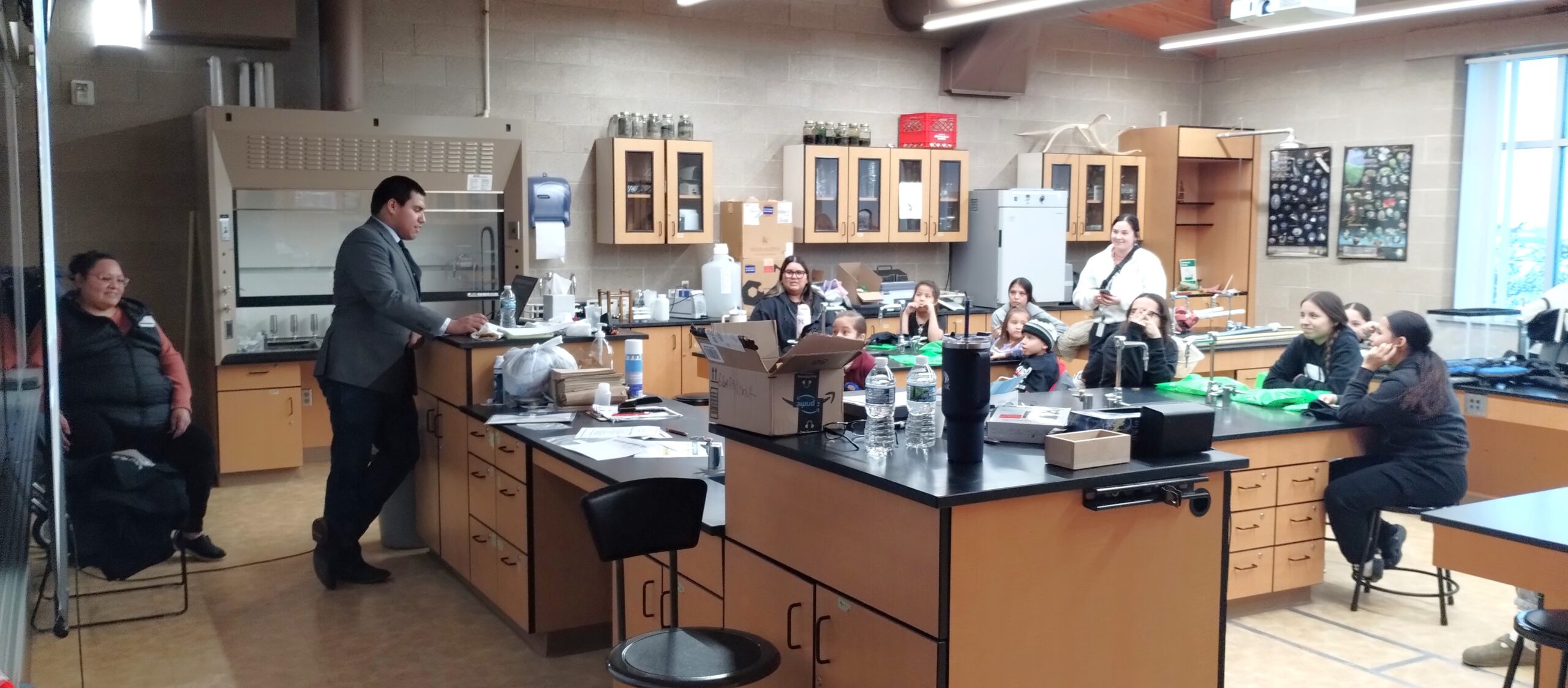
Young Leaders Push Beyond Comfort Zones to Inspire Change
In a classroom at a small tribal college on the Standing Rock Sioux Reservation in Fort Yates, North Dakota, students belonging to the American Indian Business Leaders chapter at Sitting Bull College are collaborating on any number of projects — from working out the nuts and bolts of a business plan to present at a national competition, to organizing a Halloween zombie paintball hunt, to creating original designs for an apparel line to be sold through an online marketplace. With each of these activities, a new generation of young entrepreneurs and business leaders is being shaped. Now, with support as a First Nations community partner, the chapter is extending its reach to area high schools. Read more.
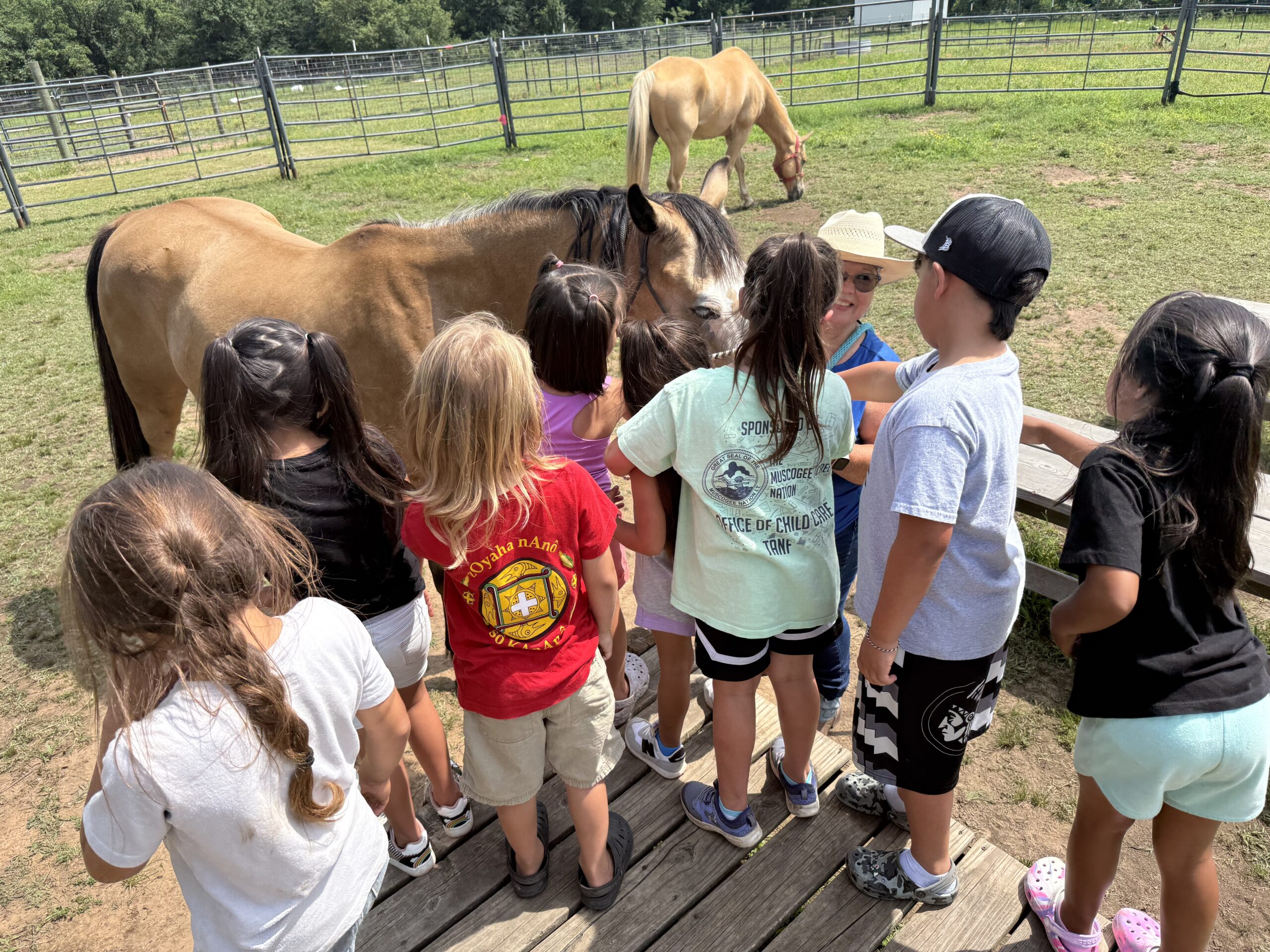
More Than Camp: Promoting Language, Land, and Culture Access for Youth
Through generous funding from the Margaret A. Cargill Philanthropies, First Nations distributed $600,000 through 10 two-year grants across tribal communities. While these camps include many conventional activities found in non-Native programs, their teachings dive deeper and play an important role in promoting traditional cultural activities and language. Many camps include instruction in their traditional languages and cultural practices, and their structure and staff provide the space and cultural foundation for campers to build confidence and lifelong friendships, while accessing traditional knowledge. Right now, the 10 Native Youth and Culture Fund community partners have camps underway, and we are connecting with them throughout the summer to check in on their programs. Read more.

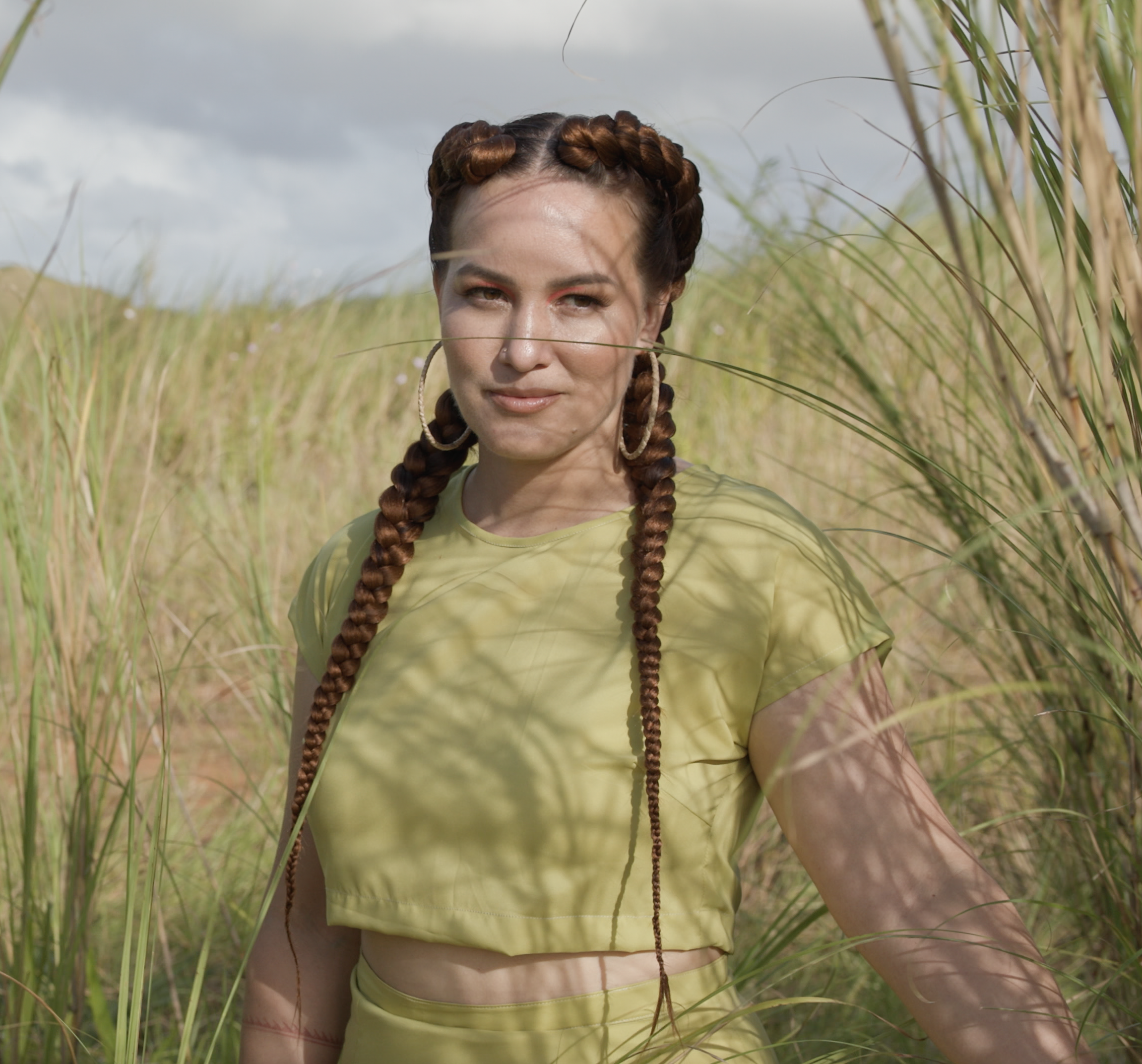
Meet 2024 Luce Indigenous Knowledge Fellow Cara Flores
Cara Flores, the first-ever Luce Indigenous Knowledge Fellow from Guam (Guåhan), has many stories to tell about her people, the CHamoru. In 2013, Flores co-founded Nihi Indigenous Media, a Native-led nonprofit organization that evolved out of an earlier groundbreaking children’s show created by Flores. Nihi, headquartered in Guam, has grown into a full media production house. It has created hundreds of TV shows, online videos, films, and documentaries for children and adults ― and some media has been adopted as an official resource for the Guam Department of Education.
Through her Luce Indigenous Knowledge Fellowship, Flores is developing a guide to Indigenous filmmaking to ensure that “the values, intentions, and practices that our nonprofit was founded on endure past my time, continued by the next generation of Indigenous filmmakers,” she says. Read more.

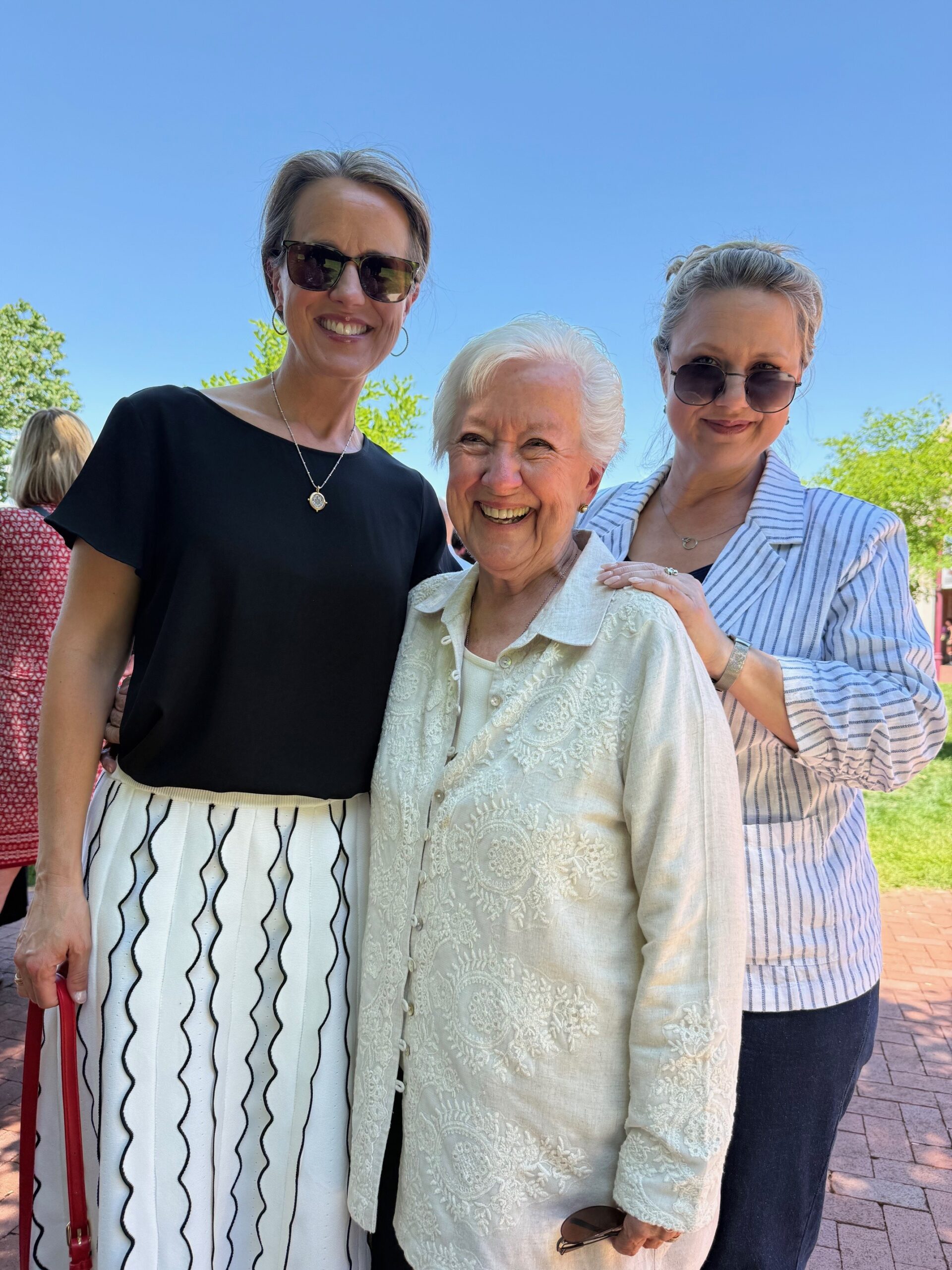
Giving Back: In Her Life and in Her DNA
For First Nations’ longtime supporter Judith Favell, philanthropy is a part of who she is, baked into her personality and history, for as long as she can remember. Whether through service in her career or through her systematic approach to effective philanthropy across a range of causes, interests, and organizations, she upholds what she knows innately: “It’s not a question, it’s an obligation. You have to give back.”
In this Donor Spotlight, Judy reflects on her philanthropic spirit, the causes she cares about, and how she is inspired by program strategies and outcomes where the “data meets the road.” Read more.