Project

Native Youth and Culture Fund

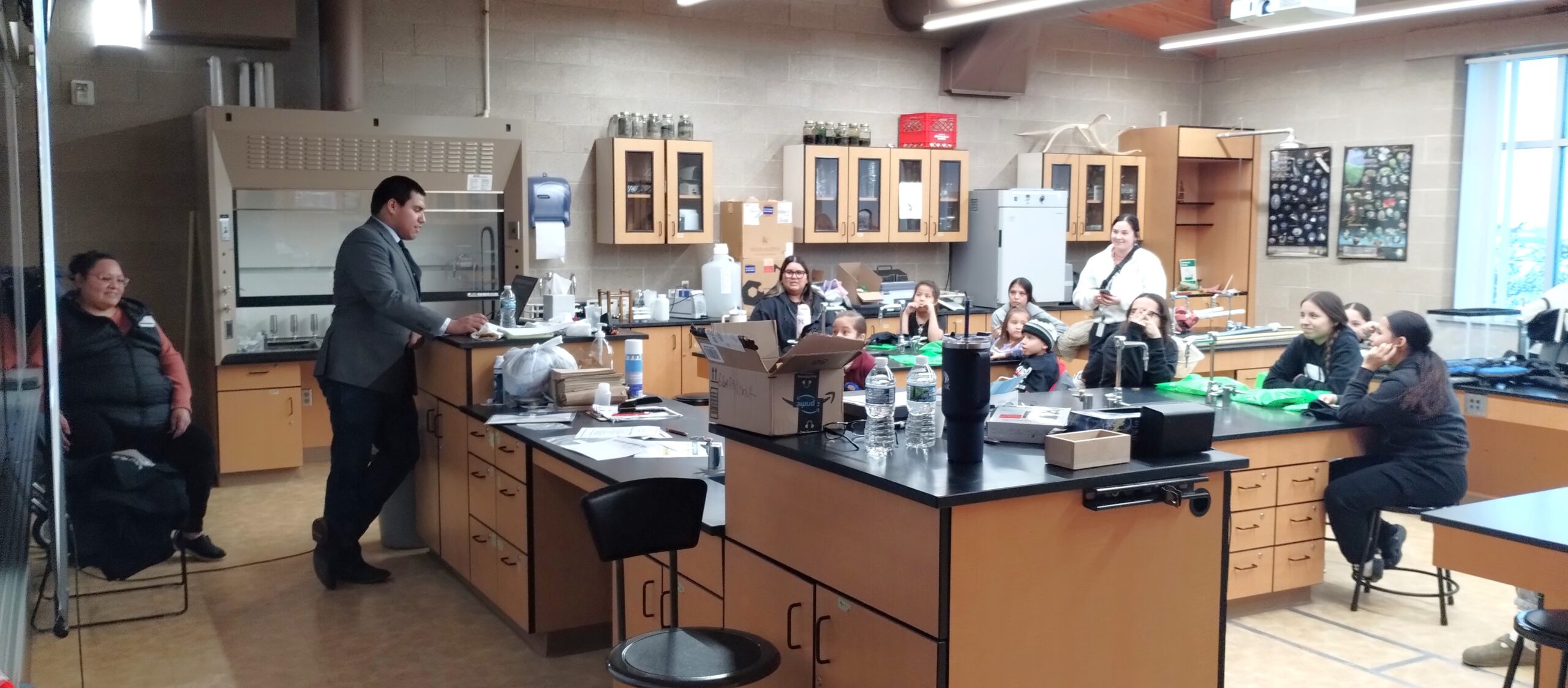
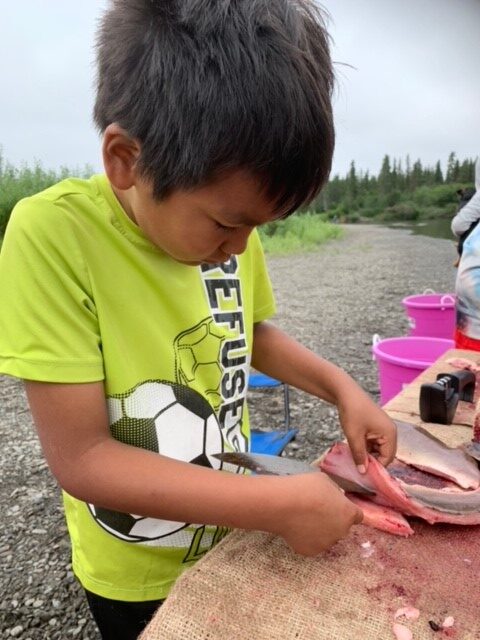
First Nations believes that Native youth represent the future of Native communities and that investing in youth and giving them a sense of place and tradition in the community ensures a future of bright and capable leaders.

First Nations’ projects supported by the Native Youth and Culture Fund meet youth where they are, support them in accomplishing their goals and dreams as future leaders, and shape pathways that prepare them for an empowered adulthood guided by their cultures and families.


2024 to 2026 Native Youth and Culture Fund Grantees 

Through the Native Youth and Culture Fund, First Nations awarded multiple two-year grants ranging from $20,000 to $60,000 to 33 Native-led nonprofits and tribes to develop and enhance projects that empower and inspire Native youth. Grants will help advance programs that focus on increasing youth leadership and providing opportunities for intergenerational transfer of knowledge.

The two-year grants were made possible with support from the Bezos Family Foundation, Margaret A. Cargill Philanthropies, Weingart Foundation, Conrad N. Hilton Foundation, the California Endowment, and the 11th Hour Project. Access the press release.

The following tribes and nonprofit community partners were chosen through a competitive application process, and grants were awarded across three funding areas:

Support for programs serving youth

  • Aha Kukui O Molokai, Hoolehua, Hawaii, $60,000
  • Boys and Girls Club of the Northern Cheyenne Nation, Lame Deer, Montana, $20,000
  • Chickahominy Indian Tribe of Virginia, Providence Forge, Virginia, $60,000
  • ‘Ekolu Mea Nui, Hauʻula, Hawaii, $60,000
  • Ho-Chunk Community Development Corporation, Winnebago, Nebraska, $60,000
  • Huliauapa’a, Kailua Honolulu County, Hawaii, $60,000
  • Igiugig Village, Igiugig, Alaska, $60,000
  • Knik Tribe, Palmer, Alaska, $60,000
  • Kul Wicasa Wopasi, Lower Brule, South Dakota, $60,000
  • Sicangu Community Development Corporation, Mission, South Dakota, $60,000(This organization received an additional grant of $25,000 through a generous individual donor, Marjie Findlay.)
  • Summit Lake Paiute Tribe of Nevada, Sparks, Nevada, $60,000
  • Zuni Youth Enrichment Project, Zuni, New Mexico, $60,000

California grantees:

  • Advocates for Indigenous California Language Survival, Fresno, California, $60,000
  • Habematolel Pomo of Upper Lake, Upper Lake, California, $60,000
  • Indigenous Youth Foundation, Inc., Willits, California, $60,000
  • Mechoopda Indian Tribe, Chico, California, $60,000
  • Paah Aama Paddle Club, Lower Klamath Basin, California, $60,000
  • Potter Valley Tribe, Ukiah, California, $60,000
  • Rincon Indian Education Center Inc, Valley Center, California, $60,000
  • Save California Salmon, Orleans, California, $60,000
  • Scotts Valley Band of Pomo Indians, Lakeport, California, $60,000
  • Tubatulabals of Kern Valley, Lake Isabella, California, $60,000
  • Wilton Rancheria, Elk Grove, California, $60,000

Support to provide structured day or overnight camp programs

  • Ahtna Intertribal Resource Commission, Glennallen, Alaska, $60,000
  • Camp Laugh A Lot, Custer, South Dakota, $60,000
  • Euchee Yuchi Language Project Inc, Supulpa, Oklahoma, $60,000
  • Movement Strategy Center: Return to the Heart Foundation, Oakland, California, $60,000
  • Native Movement, Fairbanks, Alaska, $60,000
  • Native Village of Shaktoolik, Shaktoolik, Alaska, $60,000
  • Piikani Lodge Health Institute, Browning, Montana, $60,000
  • Sacred Bundle, Cass Lake, Minnesota, $60,000
  • Tulalip Foundation, Tulalip, Washington, $60,000
  • Wallowa Band Nez Perce Trail Interpretive Center, Inc., Wallowa, Oregon $60,000
 

2022-2023: $460,000 in General Operating Support

ANHC offers diverse programming that serves the statewide Alaska Native community. ANHC hosts workshops, dance performances, and other activities, which connect Alaska Native individuals to their cultures and heritage. ANHC also works to provide culturally grounded opportunities for career growth and social enterprise within the Alaska Native community.

Camp Laugh A Lot provides active, healthy, outdoor learning opportunities for Lakota youth ages 7 to 13 living on the Pine Ridge Reservation that inspire good physical and mental health, closer connection with nature, enhanced caring for animals, and strengthened cultural connections. Camp takes place in the Black Hills, which is ancestral land of the Lakota but is no longer easily accessible to many tribal members. Activities perpetuate traditional knowledge related to nature, Lakota games, Lakota language, songs, and stories through intergenerational transfer of knowledge.

Preserving the cultural skills and values of the Cachil Dehe Band of Wintun Indians of the Colusa Indian Community Council (CICC) has been a focus of the tribe for generations. The tribe has developed a community service department centralized around empowering its youth. The education programs at CICC include an early learning center for children under the age of 5, an after-school tutoring program and mental health services program for grade age students, a mentorship and aide program for students seeking higher education, and a summer program to ensure tribal children of all ages have a safe and structured environment all year-round.

The Dinétah Drama Festival for youth combines the benefits and creativity of theater with language revitalization. Through the writing and performance of plays in the Diné language based on traditional themes such as women, the land, and oral history, high school-aged youth on the Navajo Nation and its border towns discover their own voice, learn to work as a group, use or improve their Diné language skills, and create economic possibilities for their future.

Endazhi-Nitaawiging serves students K-6th grade on the Red Lake Nation in what is today known as Minnesota. It  fosters a learning environment for young people grounded in Anishinaabe culture that focuses not just on instruction in academics but also on social-emotional well-being. Students attending Endazhi-Nitaawiging are provided culturally relevant after-school programming, including storytelling, archery, and reading support, and the school is facilitated by culture keepers from the Red Lake Nation.

Yuchi Language Project (YLP) serves the entire Yuchi community through language classes for all ages, culture camps, master-apprentice sessions, and curriculum development, and by providing a wide range of opportunities for youth that promote health and wellness.

Fairbanks Native Association provides academic and social emotional support services in seven high-needs schools; youth cultural activities, such as beading groups, talking circles, drumming and dancing, and language lessons; youth leadership development for youth grades 7-12; and family engagement activities to encourage adult caregivers’ engagement in their children’s school-based education.

 The Hopitutuqaiki Arts Program hosts a series of arts and crafts classes for students of all ages. Classes include endangered Hopi arts and crafts, such as belt weaving, kilt weaving, wicker plaque weaving, crochet for leggings, embroidery for kilts, and Hopi cooking using Indigenous plant life. The classes utilize a mentorship approach to learning, where one master craftsperson works with up to six apprentices to master a craft or an element of a craft. These classes have resulted in an increased number of new artists and crafts persons in the community.

The Huliauapa’a mission is to grow Hawaii’s communities through culturally based dimensions of innovative learning, leadership development, and collaborative networking in wahi kupuna (ancestral places) stewardship. Over the last decade, it has led the way in the process of decolonizing the field of archaeology and cultural resource management (CRM) on the islands through culturally based initiatives and advocacy while cultivating opportunities for youth, university students, young professionals, and communities. The programmatic focus is to transform CRM in Hawaii, remaining steadfast in beliefs to protect, honor, and maintain deep seeded relationships with kupuna (ancestors).

KAʻEHU coordinates cultural and educational programs for youth and community members in the area of traditional land and ocean stewardship practices, STEM-grounded resource management, and cultural arts and crafts.

Kwiyagat Community Academy (KCA) provides educational programming where Núchíú (Ute) culture and language guides educational experiences and is characterized by small class sizes with an interdisciplinary, Indigenous, and project-based approach that results in high academic expectations and desired character skills, personal wellness, and community involvement.

The Miss Navajo Council, Incorporated (MNCI) works to promote the preservation of the Diné/Navajo language, culture, and tradition, specifically to advocate for the enduring qualities, which identify the Diné/Navajo woman as the foundation, strength, and keeper of cultural teachings. Furthermore, MNCI consisting of 64 former Miss Navajos who work to promote and foster partnerships between former Miss Navajo Nations and the community, including elders, youth, educators, government entities, and businesses, through community-based programing to increase the appreciation and pride of Diné heritage, culture and traditions and to positively impact the future of the Navajo Nation.

Nimiipuu Protecting the Environment (NPE) works with tribal youth and adults on the Nez Perce reservation, teaching them about the environment, traditional plants and medicines and foods, traditional arts and crafts, paddle making, beadwork, and early Nimiipuu language instruction. NPE also hosts activities such as the Youth Salmon Summit to promote kids’ voices surrounding salmon.

Nkwusm has operated a language immersion program for 20 years and serves the Salish and Pend d’Oreille communities on the Flathead Reservation in northwestern Montana. Nkwusm works to ensure the continuation of the language in the community by creating, maintaining, and enhancing comprehensive Salish language education programs for youth and adults and ultimately recreating the process whereby the Salish language is passed from parent to child.

The Oceti Sakowin Community Academy is grounded in the thought and philosophy of Lakota culture with a mission to provide an inclusive and diverse education that centers on rigorous, culturally-relevant instruction in a Lakota, community-centered framework with a vision to provide students with a deep sense of belonging, higher engagement, and motivation, leading to improved academic outcomes, holistic wellness, strong cultural identities and deep personal confidence.

One Positive Thing in Kiana (OPT-In) is a community-based, all-inclusive youth group focused on empowering youth to find their voices and develop their abilities to contribute to the community through training opportunities for youth to develop leadership, cultural, and subsistence skills. A new internship program helps youth increase knowledge and understanding in planning, grant writing, presenting, and activity planning and development.

The Pala Learning and Youth Centers are devoted to meeting the core educational needs of children and their families in the Pala community and to providing a safe environment for youth to participate in health-promoting activities. The Learning Center is home to a rich library of Native literature and the Language Revitalization program. It operates Little Feathers Preschool, and offers tutoring and parental guidance. The Youth Center offers supervised activities such as arts and crafts, outings, and access to a computer lab.

Save California Salmon provides free culturally appropriate Native and environmental curriculum, youth mentorship and internships, and cultural opportunities.

Society of Native Sovereigns (SONS) of Mvskoke provides mentoring to Native American males about the importance of manhood through a structure of spirituality, Native American culture, physical wellness, and leadership.

Tsiakwawennatonhe’ts’ “They bring the life fire back to the language” mission is to re-ignite the life fire of language by returning to the multi-generational and nurturing familial approach of language and culture acquisition, thus, reversing the historical impacts of the residential school system. Tsiakwawennatonhe’ts’ focus is a family-style approach that is guided by mother/auntie/grandmother figures in a safe and nurturing home environment, supported by father/uncle/grandfather figures to ensure that children’s gifts are nurtured and supported as teachings were intended, so children become fluent speakers and cultural knowledge holders.

The Nez Perce Reservation Extension and 4-H program’s mission is to provide education and resources to reservation communities focused on youth life skills, agriculture, and community development. Programming focuses on tribal priorities to support the strong culture, language, and traditions of the Indigenous people and provides opportunities for all ages to participate in hands-on workshops to learn traditional arts and crafts, including sewing, beading, weaving, and drum making, in an intergenerational setting to honor and strengthen youth and elder relationships.

Wambli Ska provides structure, stability, and love to Native American youth and their families and is committed to reviving culture as a solution to bring forward the sources of strength and resiliency to address the challenges the tribe faces. Programs include Reviving Culture and Ceremonies, children and teens programs (homework help, gaming, basketball, feeds) and Community Resilience (role models, team building, safe spaces).

2021-2022: $800,000

The Empowering Blackfeet Youth Summer Camp supports 100 children from ages 6 to 18. Blackfeet language, culture, arts and crafts are taught in tandem with sports, hikes, swimming, and horseback riding.

Tribal Youth Ambassadors (TYA) is an empowerment program for Native youth ages 10 to 24. TYA draws on and amplifies strengths and creativity by engaging Native youth in projects that challenge them to identify and find solutions to critical issues in their communities. The program supports Native youth with mentoring from Native elders, adults, and peers to transfer knowledge and skills intergenerationally and keep youth connected to their cultures.

The Carrizo Comecrudo elder and youth cultural workshops is a series of workshops that brings tribal members together to connect elders and youth to traditional lifeways and customs. Activities include basket-weaving, dressmaking, food harvesting and preparation, drum-making, plant identification, crafts, and other traditions.

The Salmon People Research Project and Podcast is a two-part project that supports youth elders interviewed and the broader community by strengthening traditional Indigenous knowledge around the survival of salmon.

The Chippewa Cree Tribal Revitalization Trainee Program Enhancement Project increases language capacity on the Rocky Boy’s Reservation by creating an enhancement to the Mahchiwminahnahtik Chippewa Cree Language Revitalization (MCCLR) trainee Program. The MCCLR mission is to revitalize, promote, teach, and perpetuate the languages of the Chippewa Cree People. The enhancement program focuses on teacher training, resources, and documentation including language instruction modules, recordings, transcribing, and curriculum development.

The Isnati Ca Dowanpi (“Becoming a Woman” for young Dakota women) Ceremony supports 10 young women from the Upper and Lower Sioux communities of Minnesota and prepares them for the coming of age ceremony, one of the seven original ceremonies brought to the Dakota by the White Buffalo Calf Woman. Each young woman, sponsored by her mother, aunt, grandmother, or trusted adult female mentor, attends monthly preparation meetings prior to the four-day summer ceremony.

The Awareness, Connection, Action: Preparing our Next Generation of Indigenous Leaders project focuses on First Alaskans Institutes’ Indigenous Leadership Continuum (ILC) initiative, which operates with the knowledge that Alaska Natives carry leadership responsibility to their people and community. It is the communal belief that young people have an inherent ability to lead in their own right, with unique strengths to promote culture, leadership, and community connections.

The Aaniiih and Nakoda Youth Leadership Development project creates cultural and educational opportunities for Native youth by increasing access to traditional ecological knowledge, and Aaniiih and Nakoda languages. These activities focus on teaching medicinal plant harvesting, Native games, horse therapy, sweat ceremony, powwow singing and dancing, powwow regalia-making, ceremonial teachings, and traditional arts and crafts.

This project created two land-based bilingual storybooks in English and Dinjii Zhuh K’yaa. Two Beaver Village elders worked with students to develop and translate two narratives about ecological issues affecting the Gwich’in community. The Gwi’chin Social and Cultural Institute of Alaska illustrated, printed, and distributed the books to the students and larger Gwich’in community, and are available on its website.

The Hopitutuqaiki Arts Program hosts a series of arts and crafts classes for students of all ages. Classes included endangered Hopi arts and crafts, such as belt- weaving, kilt-weaving, wicker plaque-weaving, crochet for leggings, embroidery for kilts, and Hopi cooking using Indigenous plant life. The classes utilize a mentorship approach to learning, where one master craftsperson works with up to six apprentices to master a craft or an element of a craft. These classes have resulted in an increased number of new artists and crafts persons in the community.

The Traditional Ecological Knowledge and Contemporary Story Work Project connects youth with elder knowledge keepers to foster a deeper understanding about how the local ecology serves as the foundation for developing and passing on Indigenous ways of walking through the world. Central to this project is instruction in contemporary ways of communicating knowledge through multi-media story work and printmaking, providing participating youth the opportunity to translate historical knowledge into mediums relevant to their modern lived experiences.

Mele Hoopulapula operates to provide the Native Hawaiian population with a repository of knowledge on aina hoopulapula (homestead lands), established by the Hawaiian Homes Commission Act of 1921. Mele, the Hawaiian practice of knowledge through song, served as the nexus of this repository. Through mentorship in mele composition, expert composers are paired with emerging mele practitioners and collect cultural data and encode them within mele compositions–to be recorded and made available as an educational resource, alongside a written curriculum.

The Opio Leadership Academy supports Waimanalo youth by enabling them to walk the path of their ancestors and provide them with programming that is essential in sustaining health, happiness, and increased engagement in cultural lifeways. Through hands-on activities steeped in traditional ways and necessary for future generations to know, youth are engaged in programs designed to ensure preservation and perpetuation of traditional practices.

Through language and culture curriculum, using an intergenerational approach that supports students’ and families’ language and culture, Keres Children’s Learning Center provides children from ages 3 to 12 learning opportunities in the following developmental domains: physical, spiritual, social, intellectual, emotional, linguistic, grace, and courtesy.

The Teachings from Our Relatives: The Pte Oyate (Buffalo) project provides educational opportunities and cultural healing camps for 40 children, ages 12 to 17, and their families based on the teachings of the Buffalo Nation. These opportunities are provided in response to experiences of, and exposure to, trauma. COVID-19 increases trauma, grief, and loss experienced by many isolated children and families. The curriculum focuses on healing for a balanced lifestyle.

Malama I Na Hulu Kupuna serves 75 Native Hawaiian youth in the rural district of Hana, East Maui, through training opportunities in building, farming, and reviving Hawaiian food systems, all designed to support kupuna (elders) aging in place. Patterned after traditional social structures, the project restores the rightful role of youth, in their physical prime, as caregivers of their kupuna—in their spiritual prime—through culturally grounded activities.

Paddling Tribal Waters supports youth from the Klamath Tribes, the Confederated Tribes of Warm Springs, the Hoopa Valley Tribe, and the Nez Perce Tribe in traveling to three paddling clinics across three states in collaboration with Otter Bar in Salmon Fork California and Barker River Trips in Lewiston, Idaho. While focusing on whitewater paddling, Maqlaqs bridges the sport with the cultural aspects of the Ewksiknii, including first-foods gathering, hunting, and language revitalization.

Mewinzha expands opportunities for youth to connect, learn, engage, and apply traditional teachings and lessons from elders through the establishment of a youth and elder group in the Bemidji region.

Project Pre-Venture is a positive youth development model geared to 4th–5th grade American Indian children composed of experiential, outdoor activities organized around traditional food systems, healthy eating, physical activity, service learning, and intergenerational connections.

The Connecting with Our Land – Together in Georgetown project is an intergenerational program which connects youth and elders through mentorship opportunities.

The Omaha Way program increases youth access to cultural activities, traditional Native American values, elder knowledge of cultural values and meanings, spiritual beliefs/practices, language, and history. The population served by this program is Native American children and youth ages 15-24 residing within the boundaries of the Omaha Tribe’s reservation.

The Youth Development Project provides traditional one-on-one teaching on all aspects of Onkwe’s mission, which is gardening, cultivation, preservation, foraging medicines and foods, language, ceremonies, making maple syrup, traditional clothing, jewelry, instruments, medicines, and the overall Mohawk traditional way of life.

Onkwe is made up of over 200+ volunteers, which provides the program with the valuable knowledge to pass to youth and to continue on with a strong heritage.

One Positive Thing in Kiana (OPT-In) is a community-based, all-inclusive youth group focused on empowering youth to find their voices and develop their abilities to contribute to the community through training opportunities for youth to develop leadership, cultural, and subsistence skills. A new internship program helps youth increase knowledge and understanding in planning, grant writing, presenting, and activity planning and development.

The Penobscot Youth Program’s mission is dedicated to enriching youths’ lives through a safe, caring atmosphere and structured environment while utilizing culture as a catalyst to strengthen responsibility, communication, and life skills. The Traditional Teachings program creates a sustainable cultural program for the youth while growing cultural practices in the community by modeling a train-the-trainer approach to learning. This internship opportunity teaches the youth so that the Penobscot culture can be passed down to the next generation.

The Stronghold Society inspires confidence, creativity, hope, and ambition for Native youth through arts programs and skateboarding. Funding supporting strategic planning and capacity-building is due to increased interest from other reservations to build skateparks, host gatherings, and continued development of inter-tribal youth leadership opportunities.

The Ute Youth Photography and Storybook Project supports approximately 400 youth enrolled in the Ute Mountain Ute youth programming. This project funds youth photography classes that focus on the ecology of, and changes on, the Ute Mountain Reservation. This project also will culminate in a photo exhibit and the production of a storybook developed by Ute youth and elders featuring photographs from the youth photography class.

The Growing Young Apache Farmers project is an apprenticeship project for four Apache youth, ages 18-25, so that they can grow into the next generation of farmers, gatherers, and food sovereignty advocates. The apprenticeship occurs during the growing season and includes hands-on skills-building, classes, field trips, community outreach, as well as planning, implementing, and engaging community youth group visits at the farm.

Native Connections supports Winnebago youth ages 14-24 in suicidal ideation, suicide, and substance abuse prevention, while approaching cultural trauma through exploration of traditional cultural practices. Workshops in regalia, instrument, and tool-making are an outlet for empowerment. A Ho-Chunk language component supports ownership in traditional ways. The Winnebago Comprehensive Healthcare System mental health therapists promote familiarity and trust in counseling as a further tool to support young people’s healthy choices.

The Elder-In-Residence Program provides opportunities for Wiyot youth to learn a cultural practice through workshops presented by elders, which facilitate the revitalization, reclamation, and reintroduction of cultural practices. The program was developed so new learners would benefit as much as individuals who already possess and continue to develop a skill, as well as develop an interest in furthering their knowledge.

The Woodland Boys and Girls Club works to support Menominee youth ages 6-18 in speaking the Menominee language and practicing Menominee traditions and culture. The funds helped to increase program sustainability by hiring additional staff and elders who work to support Menominee language learning.

Project Paakai Inquiry with Kaupulehu Ohana (PIKO) monitors microplastics in paakai, and explores Indigenous solutions to food security by using consumable paakai, a school community garden and imu (underground oven) to learn about Native Hawaiian food systems. Participants/students were able to enroll at Innovations Public Charter School. Kupuna (elder) mentor students by sharing their knowledge and experiences. Foods prepared by PIKO participants are distributed to families in the community, with priority to those affected by the COVID-19 pandemic.

The Mother Moon project connects youth and elders to cultivate gardens to understand the growth cycle of medicinal plants and the relationship between bees and other insect pollinators, native flora, and lunar phases. The project encourages and strengthens youth leadership, intergenerational learning, and revitalizes traditional knowledge and community-based activities around traditional midwifery and how these processes relate to Mother Moon.

The Yurok Youth and Culture project supports an intergenerational traditional food education program for elementary school youth within the Yurok Indian Reservation (YIR). With an emphasis on traditional foods (collection, processing, and cultural relevance), lessons focus on the collection of basket materials, traditional medicines, and/or regalia– as all of those lessons are related to the continuance of Yurok traditional foodways. This program benefits Yurok youth, elders, and the wider Yurok community through cultural education and connection.

2020: $377,500

Bishop Paiute Tribe’s project supports and provides local tribal youth the opportunity to create, document, and retain cultural heritage through technology; create and provide educational space and tools to build and increase cultural knowledge; and advocate for and encourage youth participation in annual cultural events and activities.

From the Lummi Nation, this program focuses on sharing Indigenous values of gratitude, generosity, respect, and responsibility through storytelling.

Dakota Wicohan is a cultural resource center focused on the celebration and transmission of Dakota cultural lifeways, arts, and language that offers intergenerational programs to a growing circle of learners, elders, youth, masters, and apprentices.

The Summer Internship Program (SIP) is designed to help Alaska Native, American Indian, and Indigenous students who show a high level of community leadership and commitment prepare for their careers, further or advance their education or training, and engage in other professional opportunities that strengthen their ability to help serve and advance the Alaska Native community.

Through this project, modified activities with a Iñupiaq cultural focus are promoted throughout the campus and within the community that allow for the intergenerational transfer of knowledge through virtual events and cultural workshops.

The Kāwao Kaʻamola -ʻUmeke ʻAi project expands upon Ka Ipu Makani Cultural Heritage Center’s current Kāwao Kaʻamola stewardship program efforts at Kaupapaloʻi o Ka’amola, a spring-fed kalo agricultural system, and specifically focuses on strengthening and renewing Native Hawaiian youth engagement in traditional kalo farming, harvesting, and food processing practices.

The Kaʻehu Community Environmental Stewardship Programs focuses on restoring and maintaining the Kaʻehu Bay coastal wetlands and shoreline using community-based, inclusive, family-oriented approach to traditional environmental stewardship.

This project provides a communal support to gather and provide history and language skills. It assists youth in developing their language and provides an opportunity for Elders to work with youth and create a media presentation of a Mvskoke translated book.

The project “I:mig, Language and Sacred Sites in The GuVo District of the Tohono O’odham Nation” is a youth-centered project integrating O’odham language (OOD) and traditional ecological knowledge (TEK) transfers between elders and youth. This is a preservation and revitalization project based in language sharing and sacred geography engagement.

The Mitakuyapi (All My Relatives) project helps maintain and strengthen traditional forms of Lakota and Dakota art and spiritual practices for future generations through new cultural programming. The project engages elders to mentor youth in seasonally aligned cultural activities to enable youth to lead and share their cultural knowledge and newly gained skills at a public exhibition.

This elementary school-based project conducts activities at the outdoor Nimiipuu Canoe site for arts and cultural activities while also focusing on environmental issues that are impacting the lands, forests, and water. The  summer extension of this project includes outings or camps that are geared toward learning about traditional practices, gathering, fishing, plant/tree identification, canoe carving and other crafts.

The mission of Nk̓ʷusm is to recreate a process whereby the Salish Language is passed from parents to children, elder to youth in an effort to holistically preserve the language, perpetuating the Salish way of life and worldview. The commitment to revitalization of the Salish Language is ongoing through development of an immersion school and curriculum, and other community learning programs.

OPT-In Kiana seek to increase resilience by strengthening cultural connection and instill a sense of ownership and control through leadership development with a mission to empower all youth to find their voices and develop their abilities to contribute to the community through training and opportunities valuing each youth’s strengths.

The Acoma Learning Center’s mission is to provide adequate services, and improve and enrich the lives of patrons through information, education, tradition, culture, and recreation. Through the Niutemahgú Project (It will sprout) Waffle Garden Project, the continuation of traditional practices of Pueblo farming provides and teaches youth how to ensure their own sustainability for growing food for their community and family.

Pojoaque Pueblo’s “Language and Land” teaches tribal youth, in a traditional ecologically-based learning environment, holistically, through an exploration of the land, water, plants, traditional foods, agriculture, and a new way to engage in a rapidly changing world.

The Salamatof Tribe Education Program Culture Camps project provides Native youth ages 13-18 with an overnight camp opportunity on the Kenai Peninsula. The focus of the camp is based on traditional fishing, hunting and gathering; Dena’ina language, culture, dance and art; and archaeology and cultural resource management.

The Salmon People and Water Protectors Youth Project focuses on intergenerational learning. Save California Salmon serves native youth and families on Klamath, Sacramento, Bay Delta, and North Coast watersheds.

The Seneca Nation’s Department of Education promotes individual wellness of all Native people it serves in a holistic manner through cultural awareness/foundation, respecting traditions and history, empowering individuals in their lifelong pursuits, and  providing learning opportunities to help challenge individuals to achieve financial literacy and higher education services.

The Three Sisters Youth Mentorship Program for Mohawk youth teaches traditional ecological knowledge, seed songs and ceremonies, and the connection between language, land, and the Great Law of Peace. Youth receive mentorship from elders that is instrumental in building gardens, traditional lodges, and an educational Longhouse.

The MeWul Youth Cultural Enrichment is an intergenerational project in which older youth learn and expand their cultural knowledge in order to pass on that knowledge to the younger youth and community through cultural and traditional activities. Youth actively work on preserving and replenishing native plants and resources for future generations.

PIKO (Paakai Inquiry with Kaupulehu Ohana) project preserves paakai (salt) traditions through a blend of cultural practices and modern scientific research, and incorporates ike kupuna (ancestral knowledge) and place-based learning to Native Hawaiian students who attend Innovations Public Charter School and are mentored by elders who share cultural knowledge and the Hawaiian language.

Yakanal engages Indigenous youth in cultural exchanges and cultural preservation programs of local relevance, offering unique opportunities to share rich cultures and traditional knowledge. The program brings together multi-generational groups of Pueblo participants from New Mexico with Maya and other Indigenous groups from Latin America to engage them in immersive cultural exchange experiences.

ZYEP’s mission is to promote the resilience of Zuni youth so they will grow into healthy adults who are connected to Zuni traditions. Through the integration of Zuni culture into education, physical activity, nutritional, and art activities, ZYEP is promoting the resiliency of Zuni youth by giving them a deeper connection to their traditions.