Impact Story
Based in Cannon Ball in the northern plains of North Dakota, just steps from the setting of the Standing Rock pipeline protests, Wozu Inc. is healing its community through a Native-led movement to regenerate the land, invigorate the people, and bring back buffalo to the Standing Rock Sioux Tribe.
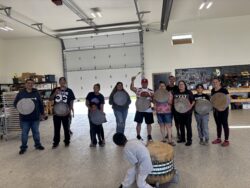
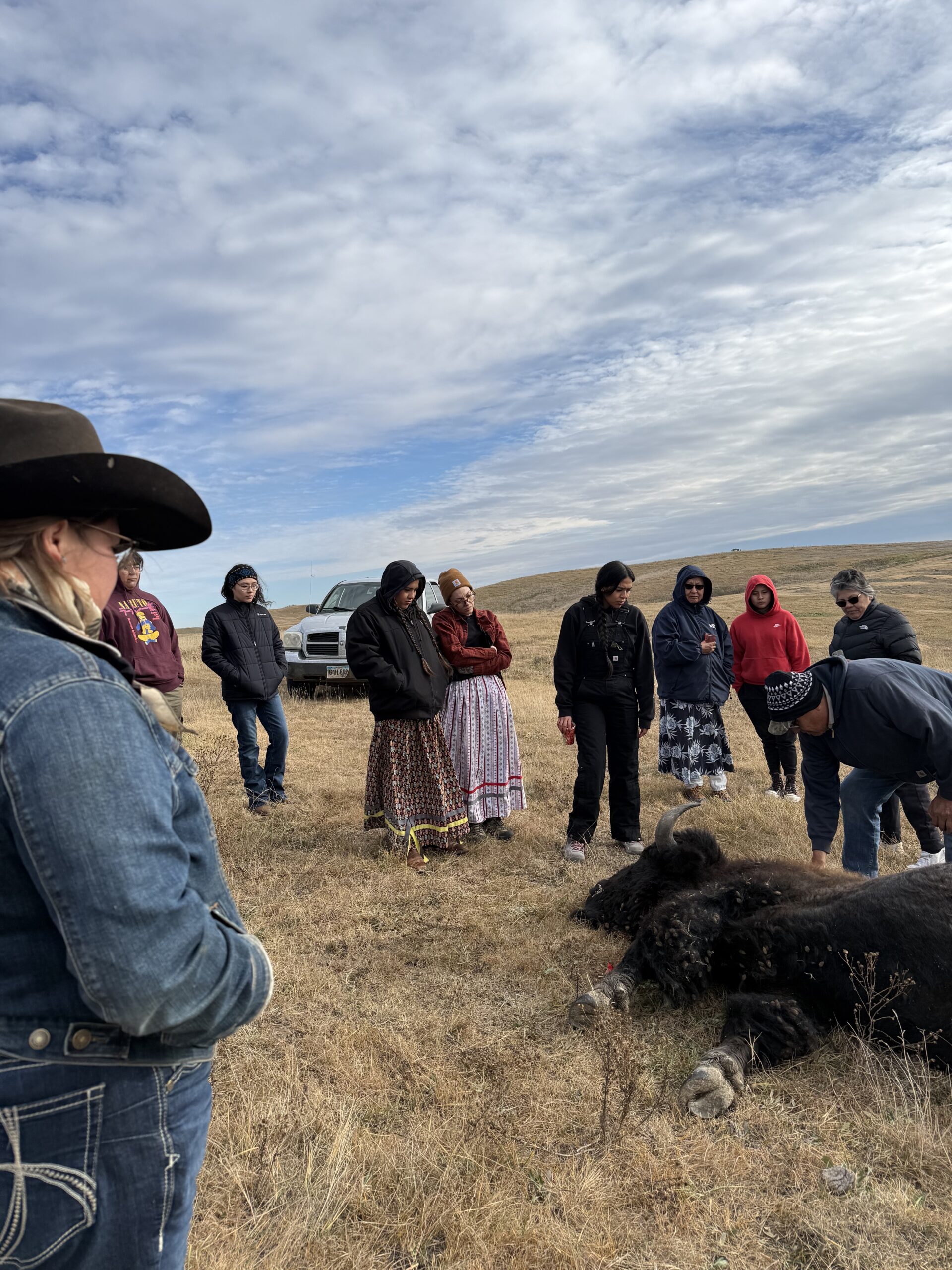
One buffalo is harvested each month to share in ceremony with the Standing Rock community.
Wozu, which means “to plant and grow” in Lakota, was founded in 2021 with the mission of planting seeds of change. Its vision is rooted in ancestral teachings and ways of knowing: to live in balance with the earth, beside clean water, with love, humility, generosity, and respect. One of the ways Wozu is achieving this vision is through the Buffalo Herd Program: Advancing Regenerative Agriculture as Indigenous Climate Action.
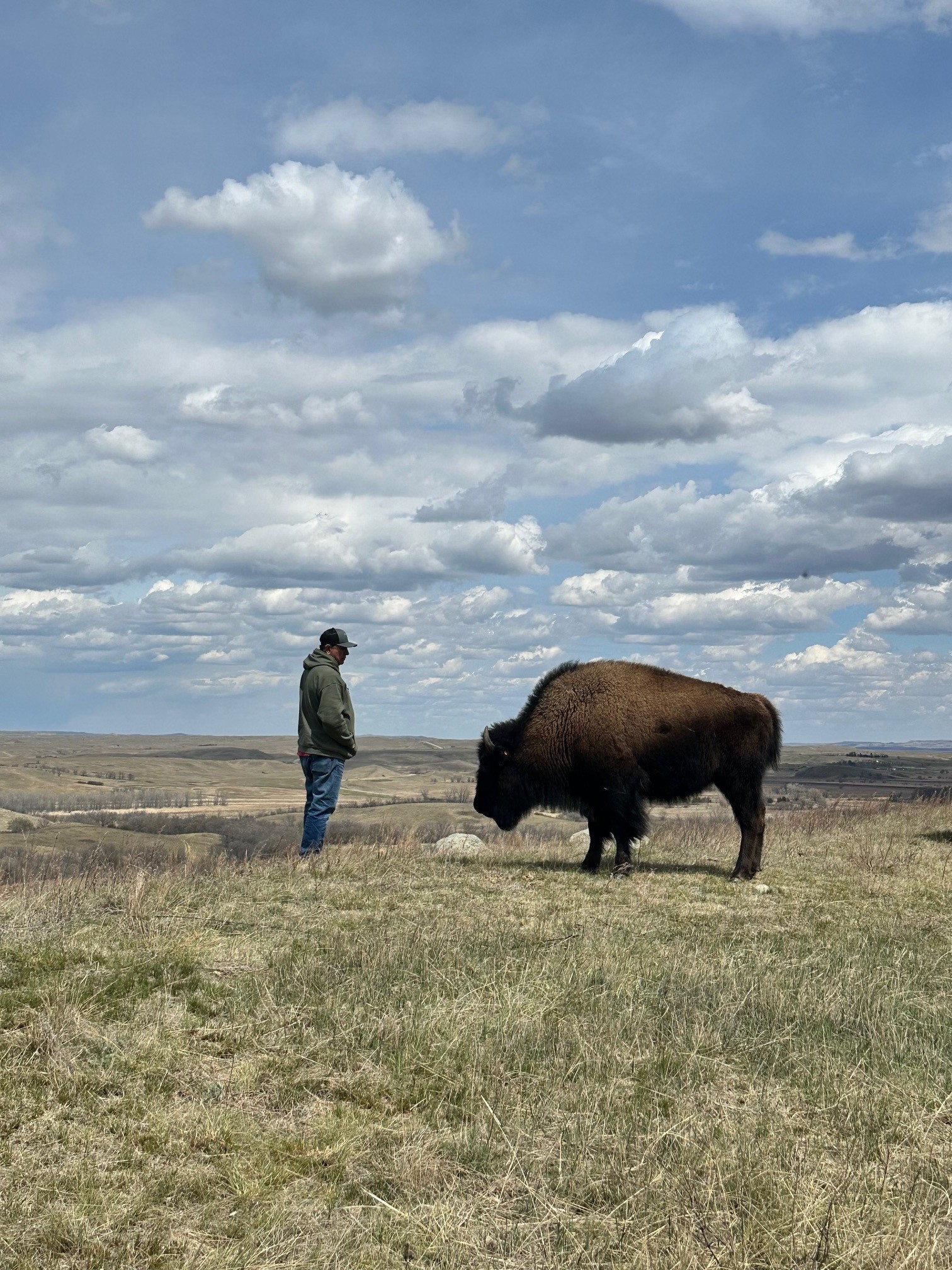
Wozu CEO Dave Archambault shares how the buffalo are more than animals — they are teachers, relatives, and a bridge between people, land, and culture. He says the Wozu project builds on the traditional knowledge that buffalo are central to the creation story and way of life of the Lakota people. They’ve provided food, shelter, tools, and spiritual guidance for generations, while contributing to healthy soil, water, prairie grasses, wildlife, and countless plants and insects.
Colonization and the deliberate destruction of buffalo herds severed Native peoples’ relationship with buffalo, but the knowledge of how to live in harmony with the buffalo was never lost. Wozu’s work ensures that this sacred relationship is renewed.
“At Wozu, we see the buffalos’ return as a way to heal the soil, feed our community, and reconnect with the values that have sustained our ancestors for generations. Each step with the buffalo is a step toward regeneration and resilience for our people and the land we call home,” Archambault says.
A holistic approach
Supported in part with financial and technical assistance through the Food Sovereignty focus area of First Nations’ Native Agriculture and Food Systems Investments program, Wozu’s project is about more than conservation. It is a holistic effort to address climate change, food sovereignty, and cultural revitalization all at once by growing its herd from 16 to more than 100 buffalo in the coming year.
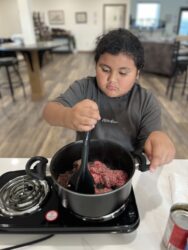
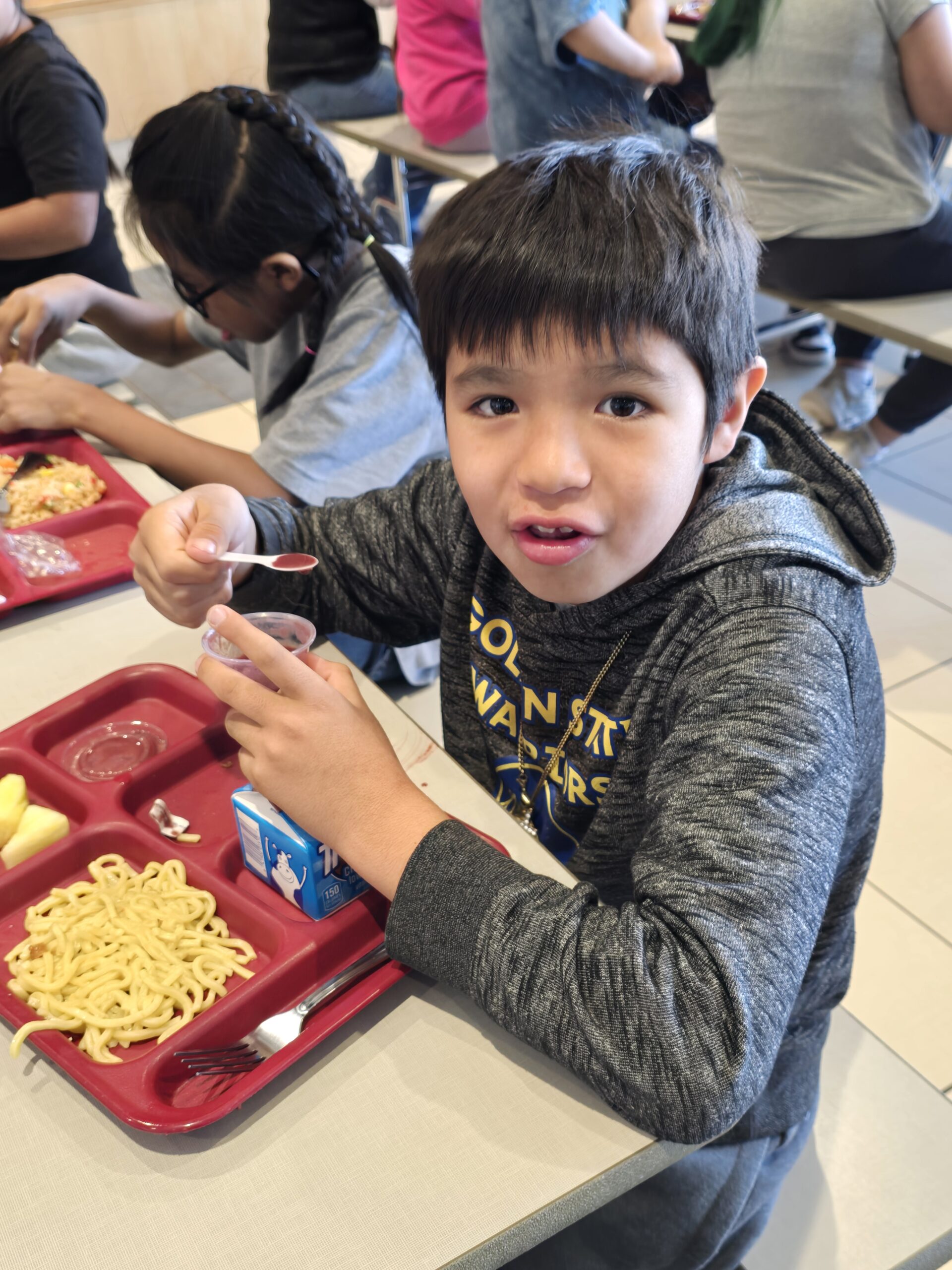
Through the program, children learn how to prepare buffalo in traditional ways.
By restoring buffalo to 780 acres of Native land, including 400 acres that are being transitioned from conventional farming, the organization is revitalizing Native grasslands, increasing biodiversity, and creating healthier soils and watersheds that are more resilient to drought and climate extremes. Returning buffalo sparks noticeable ecological changes that revitalize the land and all beings surrounding the land. Working with community knowledge-keepers, staff, and partners, the Buffalo Herd Program also increases access to healthy buffalo meat, leading to increased nutritional health for community members.
In addition to environmental and food access benefits, the Wozu program revitalizes culture. Wozu offers monthly classes where participants learn cultural practices, such as preparing buffalo meat in traditional ways, tanning hides, and using every part of the buffalo relative with respect. Through the buffalo return program, Wozu plans to harvest one buffalo per month in a culturally appropriate manner, sharing the nutritional and spiritual benefits with the Standing Rock community. At least 250 people will be directly engaged through training, employment, and participation in these programs, with indirect benefits reaching hundreds more across Cannon Ball and Standing Rock.
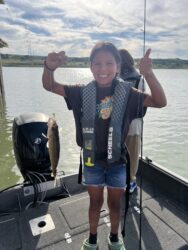
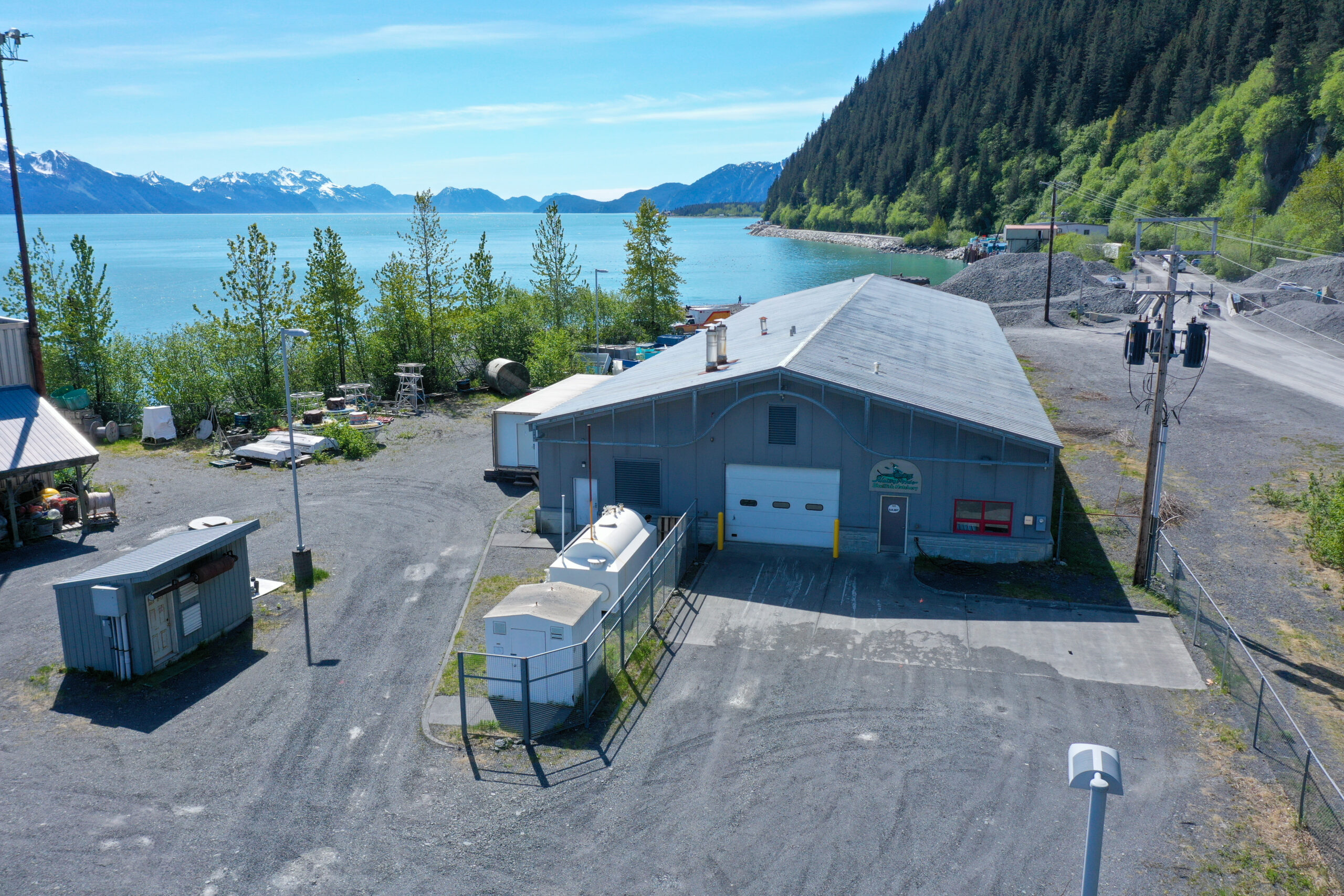
For Wozu, bringing back the buffalo and teaching sustenance fishing to the next generation is about more than food. The practices are about healing land, restoring a way of life, and preparing for a resilient future.
The Buffalo Herd Program is also an investment in the future. Wozu is training staff in regenerative herd management, implementing GPS systems to protect both land and herd, and collaborating with experts to ensure the program thrives for generations to come. As part of this training, Wozu staff also received travel scholarships from First Nations to attend the North American Bison Summit in Loveland, Colorado, and gain valuable knowledge and connections to strengthen their work, ensuring Native voices are present in conversations surrounding buffalo work.
Through the Buffalo Herd Program, Wozu Inc. is demonstrating how Native knowledge and Nature-based solutions can address today’s greatest challenges, while nurturing cultural pride, ecological health, and community well-being. Its solutions rely on the buffalo to restore Native grasses and increase the biodiversity of the lands to reverse the damage of commercial agriculture. Its story is a reminder that resilience is grown seed by seed, acre by acre, and buffalo by buffalo.