Impact Story
(Photo credit above: Lisa Mni)
One focus area of First Nations’ Native Agriculture and Food Systems Investments program is Native Food Networks. By supporting tribes and Native nonprofit organizations in this area, First Nations invests in opportunities for sharing knowledge and navigating challenges, and builds intertribal networks of community leaders to grow, protect, and advocate for their Native food systems.
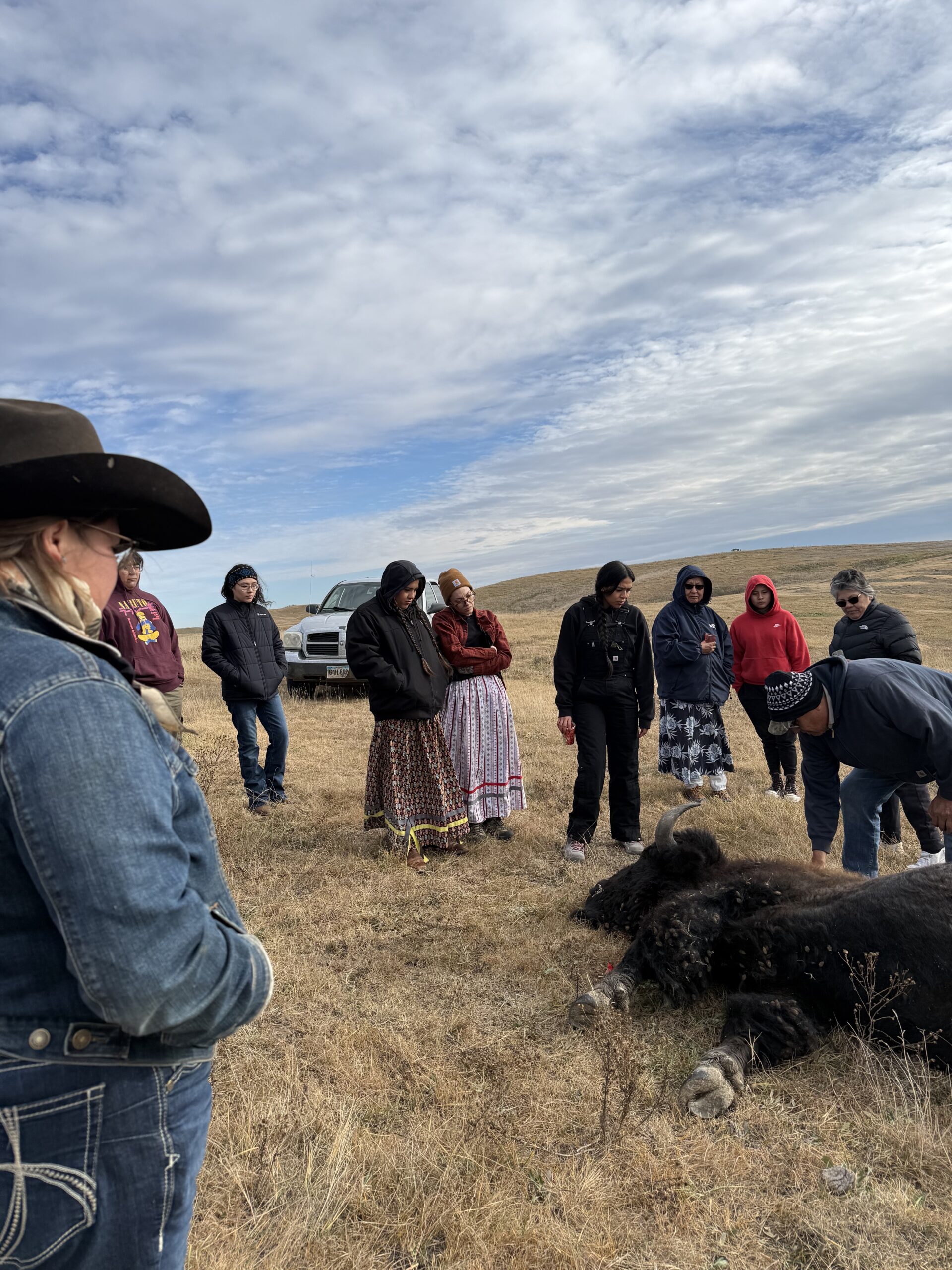
Helping us create communities of learning knowledge exchange are First Nations’ trainers, Lisa Mni (Oglala Lakota) and Arlo Iron Cloud (Oglala Lakota, Diné). The two knowledge-holders visit Native communities nationwide to share cultural teachings by providing hands-on workshops on buffalo harvests, salmon harvests, and wild food gathering. They work to always create a safe and supportive learning space for all. Their approach is rooted in patience and grace, ensuring that each person feels comfortable, respected, and welcomed into the process of reconnecting with tradition. They ensure that no matter the participants’ prior experience, they’re given the opportunity to ask questions, learn, and grow.
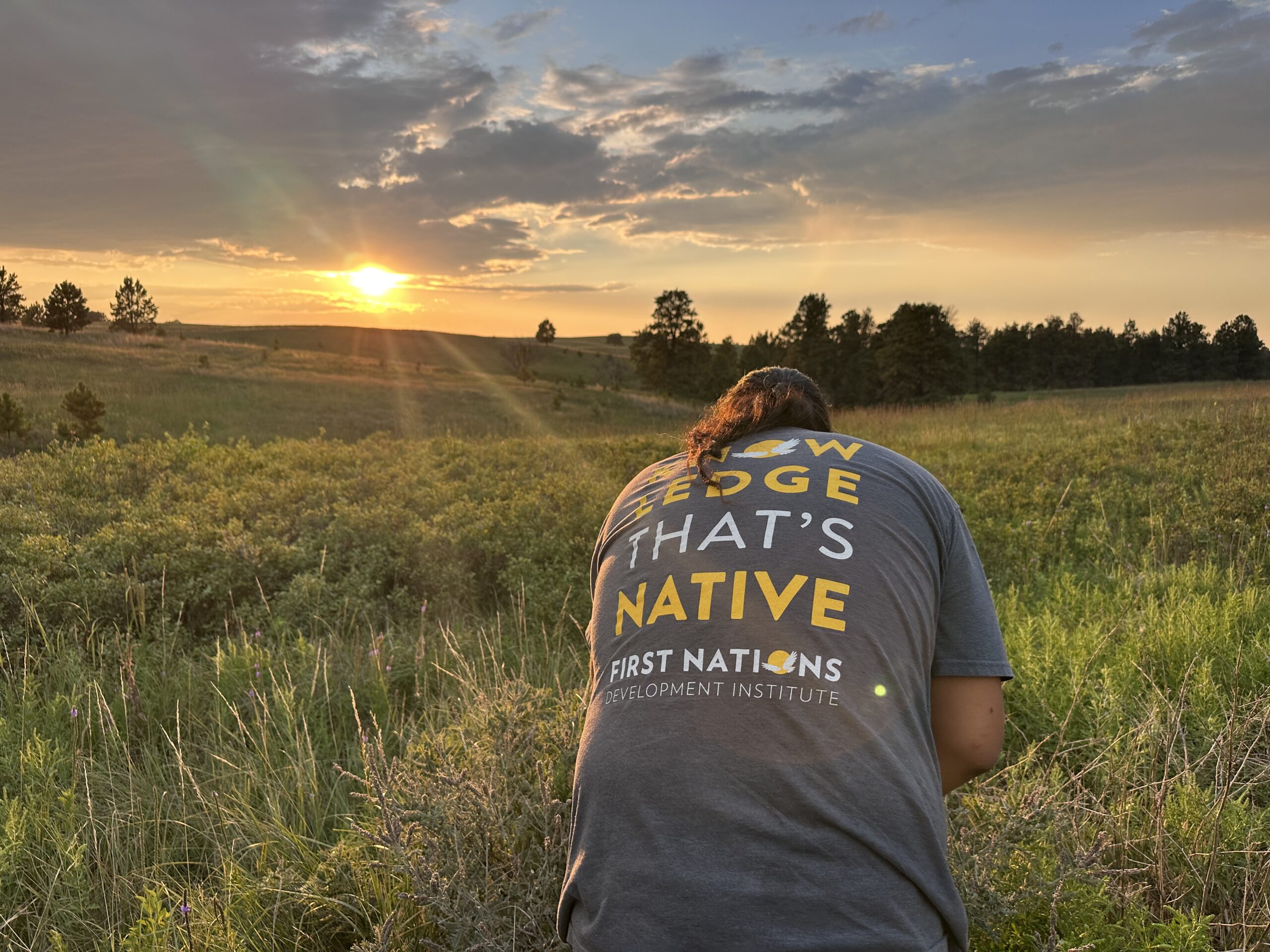
This featured video, “Learning Together,” shows how the couple’s commitment to teaching and sharing knowledge with their own children extends to their community life, as well. The film begins with Lisa and Arlo and their children harvesting maple tree sap and processing it into maple sugar (čhaŋháŋpi) at the start of the year, modeling how cultural traditions can be carried forward through family. From there, the seasons carry them to the Black Hills (HeSápa), where they forage for plums (kȟáŋta), carefully dehydrating them for storage. They also gather cattail pollen from the wetlands, as they learn as a family to incorporate more traditional foods into their diets.
The video also highlights Lisa and Arlo’s methods to guide others through the deeply meaningful process of buffalo harvests, bringing their teachings into schools and communities. With gentle instruction and hands-on practice, Lisa and Arlo open a doorway for participants to reconnect with ancestral foodways in a safe, encouraging environment.
Their work reflects the heart of cultural education: honoring tradition, building confidence, and strengthening connections across generations.