Impact Story
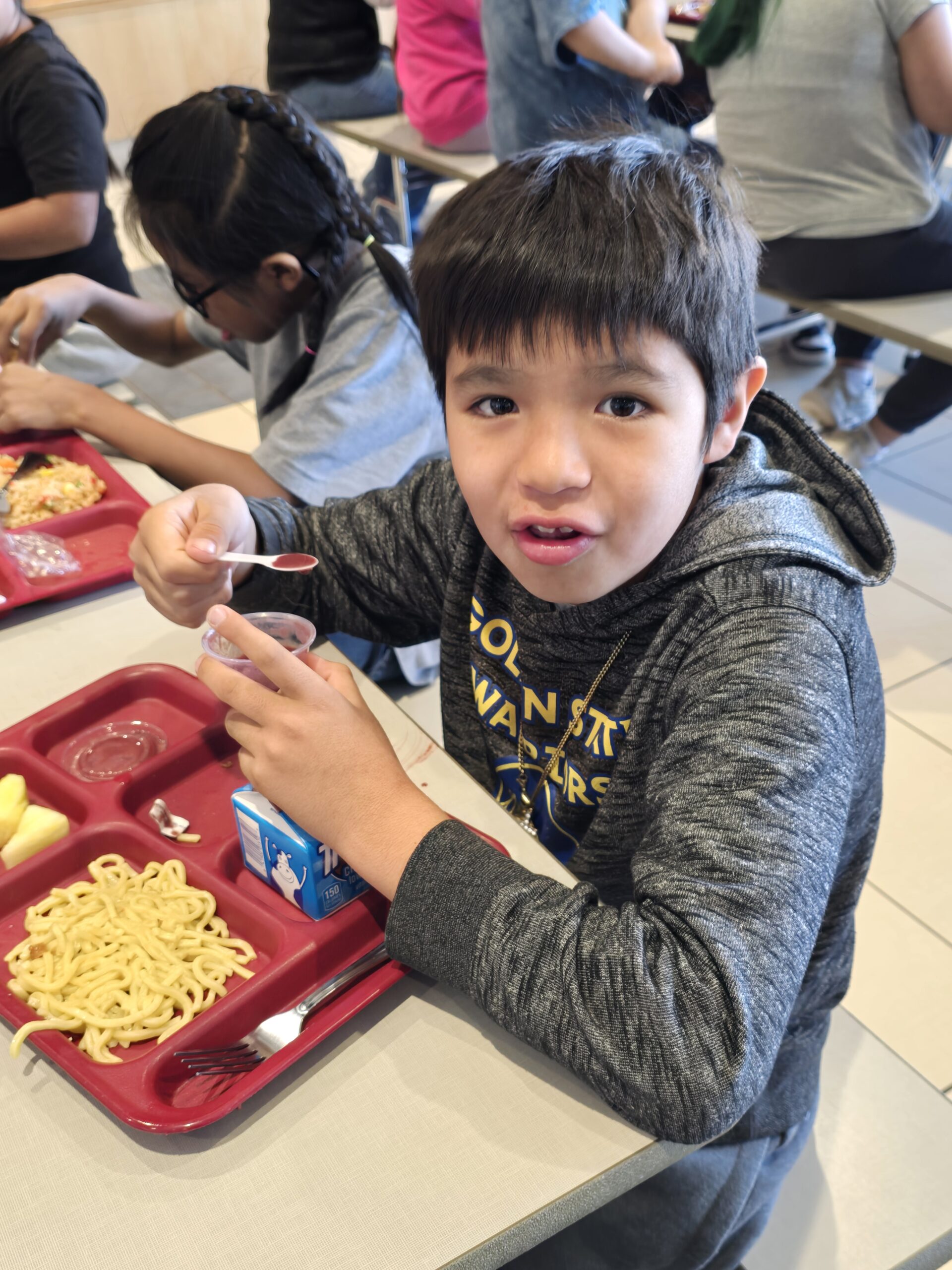
 Since 2019, First Nations has provided educational opportunities and support to program coordinators, school staff, teachers, community and youth organizers, and knowledge-keepers of all ages to ensure that young tribal leaders can experience traditional foodways within culturally inclusive school food systems.
As part of the Food Sovereignty focus area of the Native Agriculture and Food Systems Investments program, which advances the inherent right of Native communities to exercise self-determination and self-governance in all aspects of their food systems, First Nations’ Farm to School project empowers tribal communities through the revitalization of Indigenous food systems, languages, and cultural practices in schools across Indian Country.
Schools that provide Native farm-to-school programs are able to:
- Introduce students to traditional foods and practices as part of their curriculum;
- promote Native health, self-reliance, and sustainability;
- help increase knowledge of traditional foods, languages, and ceremonies; and
- boost tribal economies, as many locally produced food items can be purchased and utilized in school lunch programs.
Since launching the 2023-2025 project cohort, First Nations has provided financial and technical assistance to 16 Native Farm to School community partners representing a diverse array of Native communities nationwide. These partners include agricultural cooperatives, educational institutions (tribal schools and Native-serving schools), tribal governments and corporations, and Native-led organizations.
In addition, First Nations has created and shared a Farm to School Resource Guide, a comprehensive manual for planning and implementing Farm to School programs in Native American communities, along with a series of resources including curriculum booklets, webinars, a network directory, and a report of best practices.
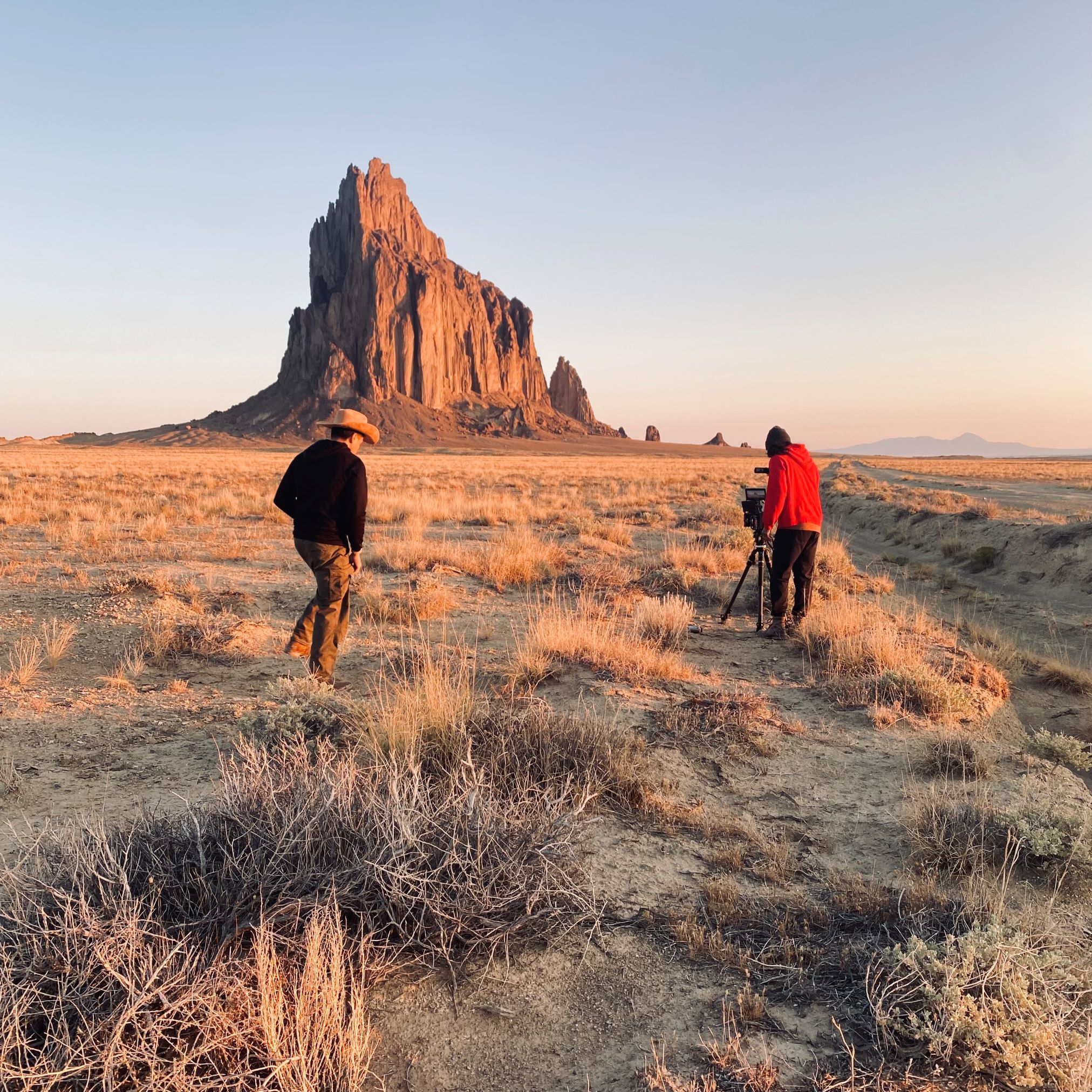
Esai Saenz (right) and buhito (John W. Austin) emphasize the importance of place in storytelling. Photo credit: Cetan Christensen
Introducing Farm to School Storytellers Toolkit
Adding to these resources is a new Storytellers Toolkit, which First Nations is developing in response to community feedback, particularly from people working in schools. These communities identified storytelling as a critical method for connecting and engaging with community members, building relationships, and securing resources for long-term success of food sovereignty projects.
The toolkit is being produced with documentarian buhito (John W. Austin) and filmmaker Esai Saenz, and will consist of a technical assistance framework and film supporting storytelling as a vital resource in advancing food sovereignty. The toolkit is designed to help community partners share their stories in ways that are meaningful, responsible, and aligned with their community’s goals.
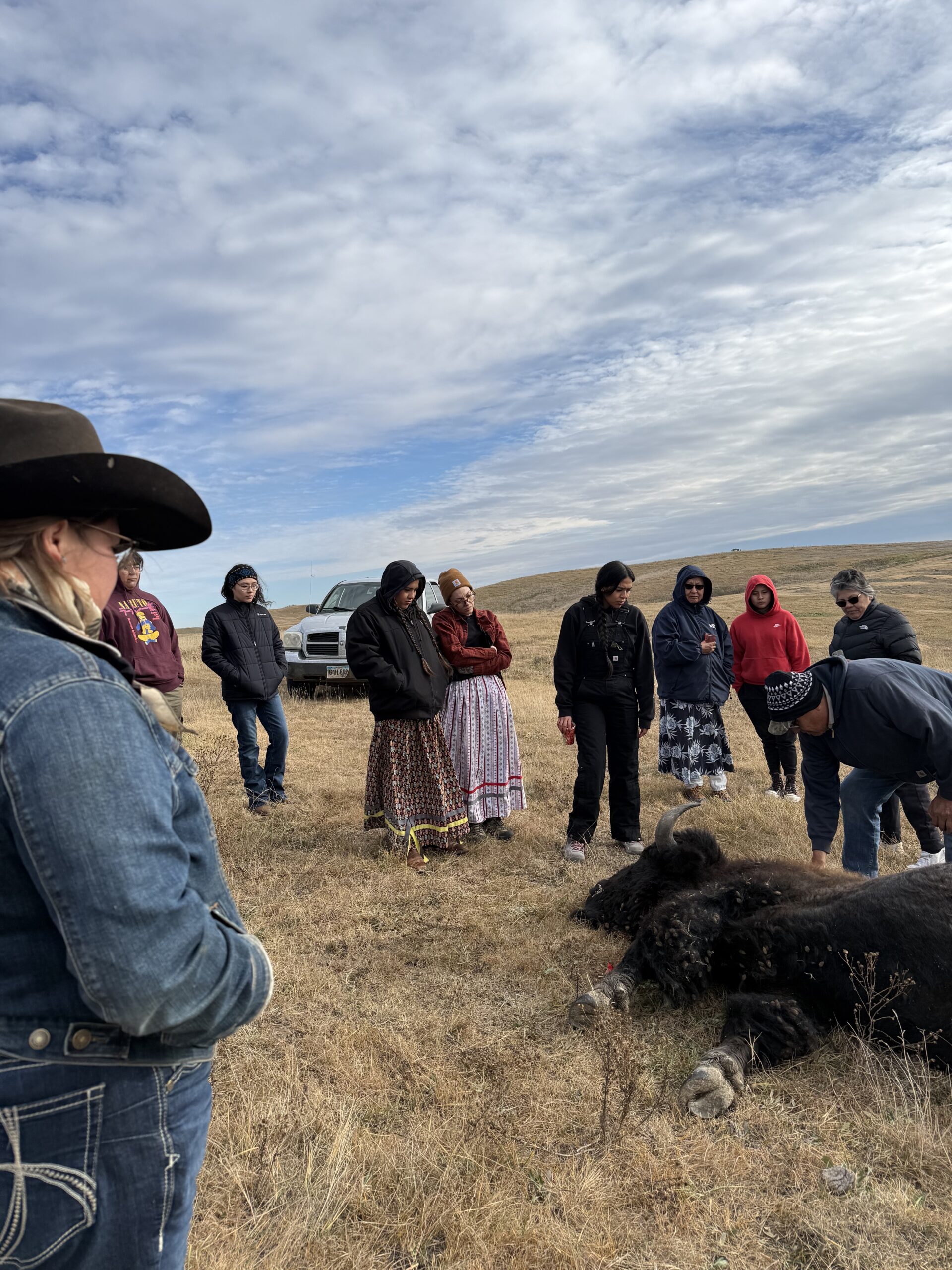
The supporting documentary for the toolkit will highlight Native Foodways, and exemplify teachings from the toolkit. The film follows the work of Texas Tribal Buffalo Project (TTBP) in Walsenburg, Texas, and Bidii Baby Foods, LLC, in Shiprock, New Mexico, showcasing the diverse approaches tribal members and communities are taking toward food sovereignty.
The work of these two partners emphasizes the unique histories and experiences of tribes in the face of colonial impacts on place, knowledge, and traditional food systems, and highlights how these cultural histories drive their work.
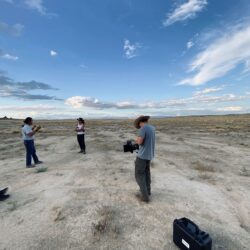
(Pictured from left) Zachariah Ben, CEO of Bidii Baby Foods, buhito (John W. Austin), and filmmaker and actor Esai Saenz discuss the filming plan in Shiprock, New Mexico. Photo credit Cetan Christensen
TTBP develops K-2 curriculum on topics such as food sovereignty, regenerative agriculture, holistic grazing, and Texas Indigenous history, with each topic connecting to Indigenous agriculture and Iyane’e (Buffalo). Additionally, the project expands access to buffalo meat in school programs, growing from one to three K-12 school districts. The project fosters opportunities for K-12 Texas Indigenous lineal descendants to reconnect with their traditional lifeways and foods.
Bidii Baby Foods increases the availability of locally grown and traditional foods in schools by providing mentorship, shared farming resources, and Native farm-to-school procurement policies. Through their annual “Farmer-in-REZidence” program, the initiative creates accessibility to Native mentorship and supports the development of standardized policies and tools. Participants in the “Farmer-in-REZidence” program gain access to land, water, and farm-to-school certification. These efforts ensure sustainable food systems in tribal schools, enabling them to procure foods from local farmers and incorporate them into school lunch menus.