Impact Story
Earlier this year, a monumental achievement came to fruition when — after nearly 20 years of operation — the Chugach Regional Resources Commission (CRRC) secured full ownership of their Alutiiq Pride Marine Institute (APMI), reclaiming space that will continue to uplift and honor tribal culture and sovereignty.
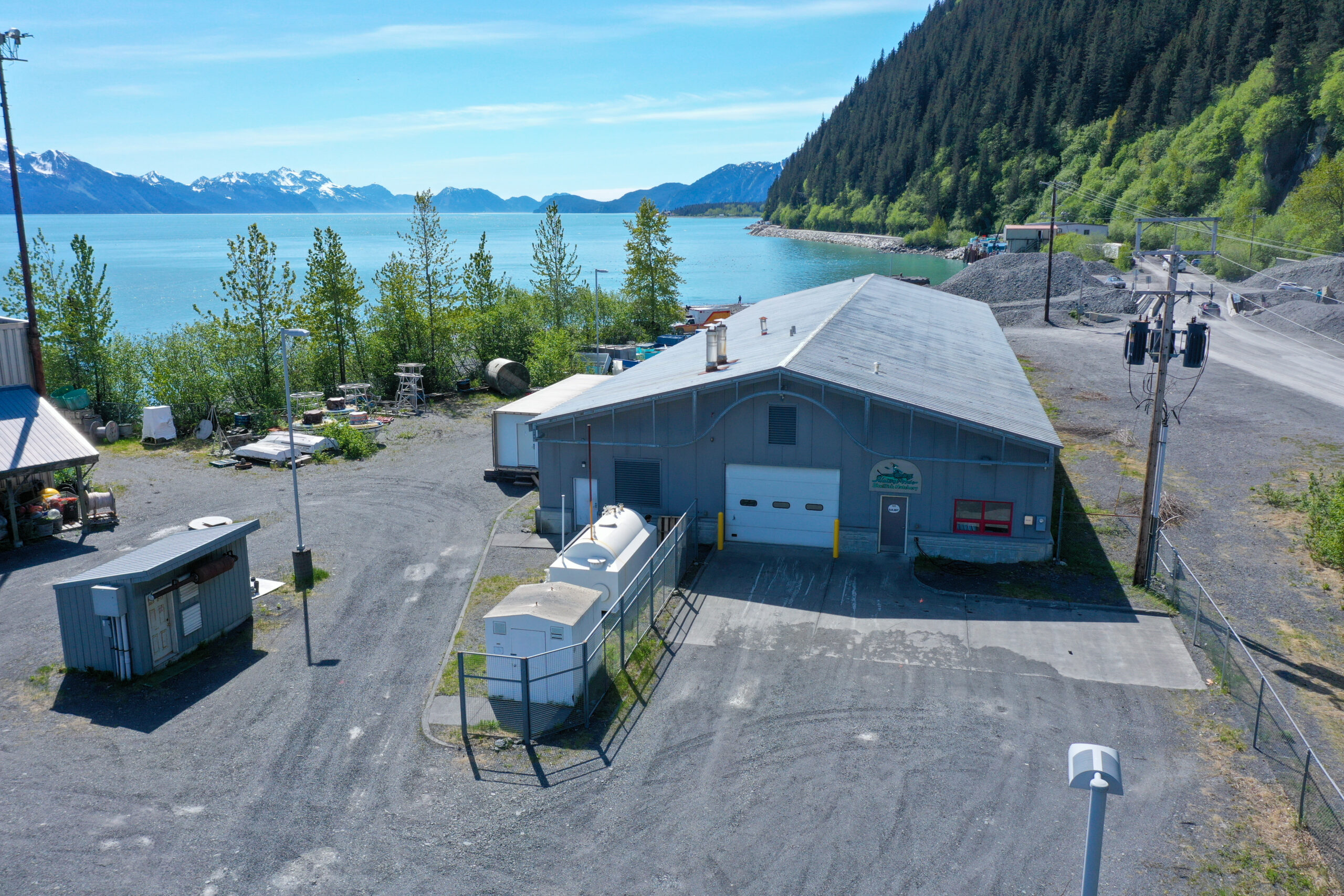
Formerly known as the Alutiiq Pride Shellfish Hatchery, the APMI is Alaska’s only mariculture technical center and tribally owned shellfish hatchery located in Seward, Alaska. CRRC celebrated this milestone with a ribbon-cutting ceremony in mid-September, during which community members, government officials, CRRC board and staff, as well as representatives from First Nations and NDN Collective, were present.
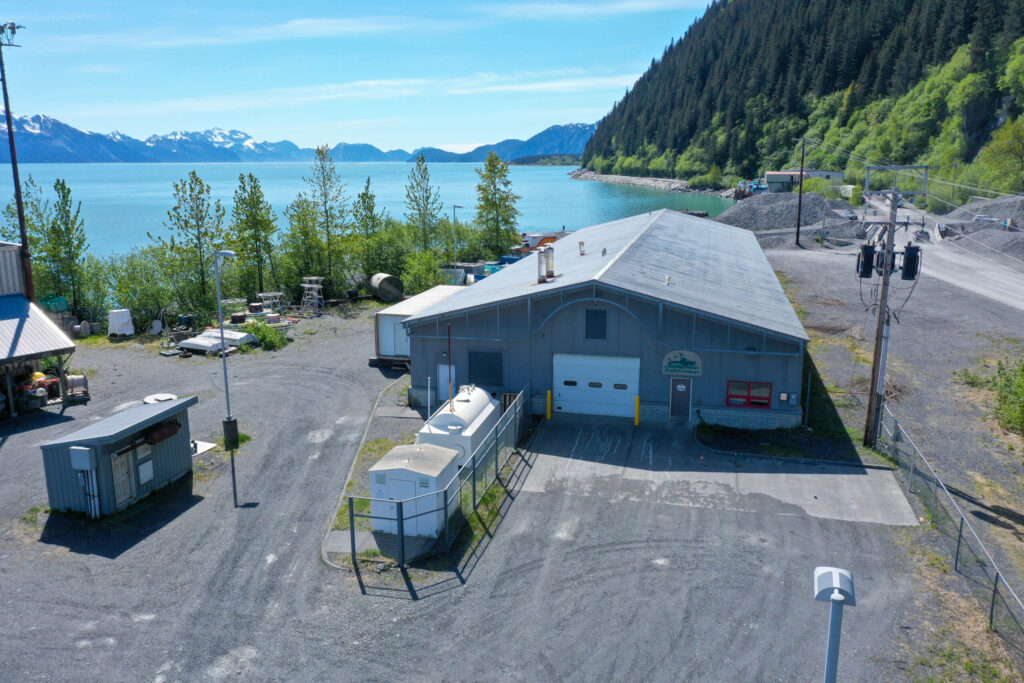
The APMI is located on an inlet of the Kenai Peninsula in Seward, Alaska.
First Nations applauds the Chugach Regional Resources Commission on this historic accomplishment, which involved a lot of passion, patience, and persistence. This long-standing goal of acquiring the Alutiiq Pride Marine Institute spans decades beginning with the inception of Chugach Regional Resources Commission as a 501(c)(3) nonprofit in 1990. This includes their ongoing efforts to fulfill their mission supporting the seven tribal communities in the Chugach region: the Native Village of Eyak, Qutekcak Native Tribe, Valdez Native Tribe, Port Graham Village Council, Chenega IRA Council, Nanwalek IRA Council, and Tatitlek IRA Council. These communities have stewarded the Chugach region for over 10,000 years.
First Nations began partnering with Chugach Regional Resources Commission through our Native Agriculture and Food Systems Investments Program in 2016. This partnership has evolved over the years and in 2023, CRRC was awarded funding from our Tribal Lands Conservation Fund, which would be instrumental in acquiring the Alutiiq Pride Marine Institute and entire 1.52-acre site that the facility sits on.
The Tribal Lands Conservation Fund is a vehicle designed to direct more funding to tribes and Native-led organizations that are developing innovative environmental solutions and upholding traditional knowledge and stewardship practices that will protect our lands, waters, and ecosystems for generations to come.
Back to the beginning
In 1989, Exxon Valdez, the largest oil spill in North America at that time, greatly impacted the Prince William Sound and Lower Cook Inlet areas, located within the Chugach region and home to the seven tribal communities. The spill disrupted fishing and subsistence harvest activities and decimated salmon, shellfish, seals, bald eagles, and other culturally relevant species.
Using Exxon Valdez oil-spill settlement funds, the state of Alaska built a first-class Mariculture Technical Center and Alaska’s only shellfish hatchery in Seward. Construction began in 1992 and upon completion of the facility in 1998, the Alaska Department of Fish and Game transferred ownership to the city of Seward, who then leased the building to the Qutekcak Native Tribe (formerly the Marathon Native Association). The tribe operated the facility for several years (1998-2001) and continued ongoing efforts of clam restoration before turning over operations to CRRC in 2002.
The business plan spearheaded by the Alaska Department of Fish and Game, prepared by the Mariculture Technical Center Steering Committee, called for Alaska Department of Fish and Game, University of Alaska campuses, the National Oceanic and Atmospheric Administration, and Alaska Sea Grant, and others to co-locate research at the new MTC.
That level of shared use never fully materialized; instead, the facility’s work concentrated on hatchery production and CRRC-driven projects, while agencies and universities focused on their own facilities in Seward and beyond. As a result, CRRC shouldered most operating responsibility for APMI, which was financially challenging at times.
Addressing community needs
The Exxon Valdez Oil Spill Trustee Council was formed in 1992 to address the devastating impacts and injury caused by the oil spill. Two years later, the 1994 Exxon Valdez Restoration Plan was adopted and used as a guide for how restoration and recovery efforts would be addressed and implemented.
Within the Restoration Plan, “subsistence” was recognized as an injured service and recovery meant resources used for subsistence must be healthy and abundant, and people must be confident they are safe to eat. Additional services lost or reduced included commercial fishing, recreation, and tourism.
As a means to bridge the gap of lost services and quality of life of the impacted Chugach communities, the APMI facility was, and continues to be, operated to address food insecurity, food safety, seedstock production, shellfish research, training, restoration, and lastly, economic diversification and workforce development.
Initial goals of the APMI were centered on clam restoration and rebuilding confidence in shellfish through hatchery seed production, nursery, and early development of a paralytic shellfish poisoning program.
Today, APMI’s goals and services have broadened into marine research, shellfish biotoxin testing, continuous ocean acidification science and monitoring that directly support safe subsistence harvests, while maintaining commercial shellfish seed stock production and biocultural methods that the species industry and coastal communities rely on, respectively.
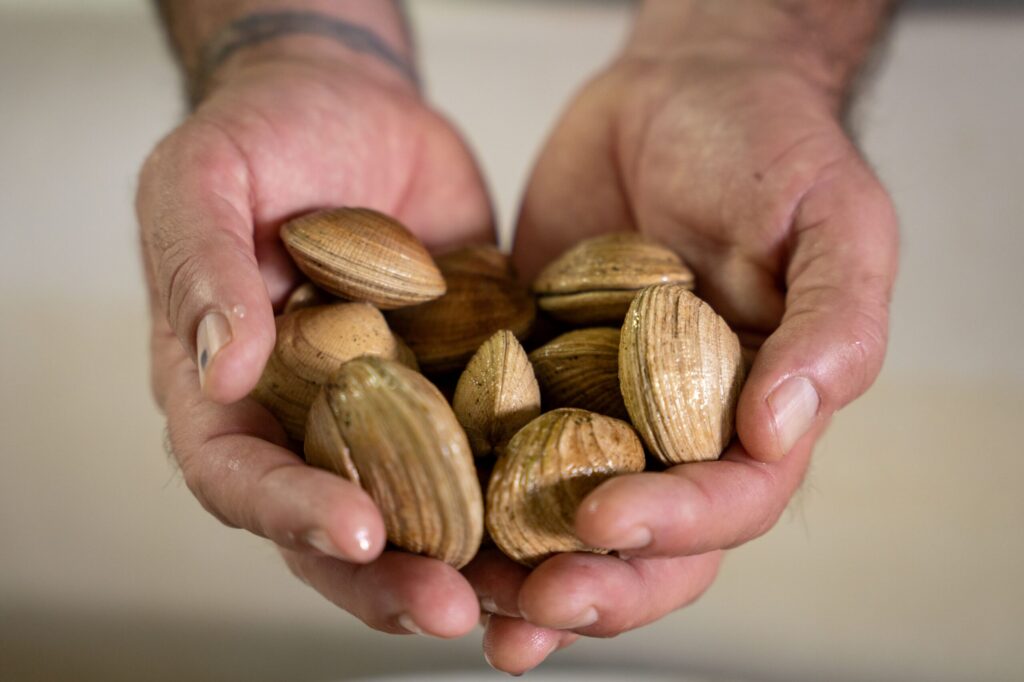
CRRC supports stewardship of natural resources, like little neck clams, in the traditional use areas of the Chugach region.
APMI now raises seven different endemic clam species, oysters, sea cucumbers, abalone, scallops, bidarki, kelp, and king crab species. In 2024, APMI was touted by the industry as the largest kelp nursery in North America and is set to maintain that distinction in 2025 with heightened production underway.
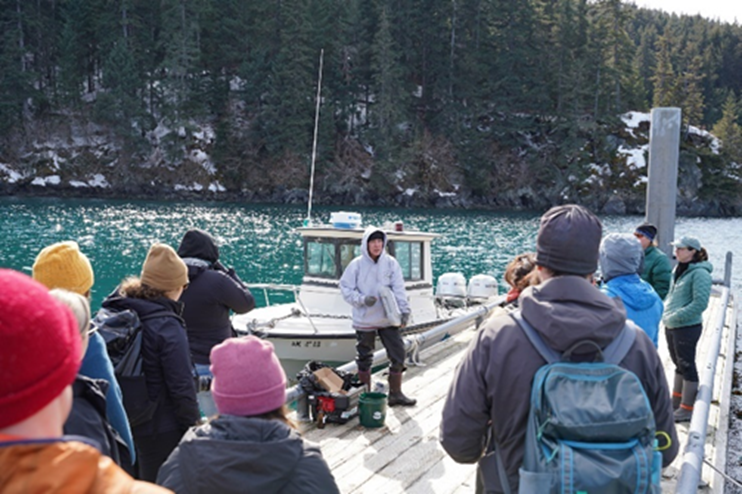
CRRC trains community samplers to monitor water quality and harmful algal blooms in the Chugach region.
The final stretch
In 2022, CRRC’s Executive Director Willow Hetrick was approached by the then-City of Seward’s deputy city manager and was asked if CRRC would be interested in purchasing the building. Once an agreement was reached between the two parties, CRRC had to lobby the city council, attend countless meetings with the city, the University of Alaska Fairbanks, and CRRC Board of Directors, complete a survey and replat with the Kenai Peninsula Borough, and secure financial support to purchase the asset while maintaining operations.
Despite some uncertainty and concerns of what this purchase would mean for CRRC financially, Hetrick shared that this purchase has brought CRRC staff and their board members closer together. “It brings pride to the seven tribal communities, I can see it in their faces, at the board meetings, and at the celebration.” Hetrick emphasized that the organization is predominantly Native and governed by a 100% Native board appointed by tribal governments, and that it is energized by the opportunities in its reclaimed space.
Ownership of this space allows CRRC to root itself in Seward permanently, anchoring cultural restoration, economic development, and stewardship for future generations. This is a momentous achievement that demonstrates how strategic partnerships and Native-led vision can transform access to capital into lasting sovereignty over land and resources. Through partnership, determination, and honoring tribal cultural heritage, anything is possible.
In CRRC’s own words: “This is more than property acquisition. This is Land Back.”
Moving forward
CRRC’s vision is to strengthen Tribal Sovereignty, achieve food security and sovereignty, and to build local adaptive capacity to address climate change. Moving forward, CRRC’s hope is to expand its facility to provide a unified and safe space, and to ensure a healthy future for the Sugpiaq (Alutiiq) and dAXunhyuu (Eyak) peoples.
Hetrick explained that expansion of the facility would include additional office space for staff, installation of a commercial kitchen, housing for interns, and showcase Alaska Native art. “Seward is an expensive place to live, so providing a space for our interns to stay and be taken care of would be beneficial for them and their families.” Further, Hetrick shared their hopes of expanding the Healthy Foods Complex, which consists of a hydroponic unit capable of growing lettuce, kale, and other nutritious greens.
“This moment means so much to all of us at CRRC. For years, we’ve worked to build something lasting for our people, and now we finally have a place that’s truly ours. This isn’t just about buying a building; it’s about reclaiming a space, identity, and belonging in the Chugach region,” words shared by Chairman of the Board Boyd Selanoff (Chenega).
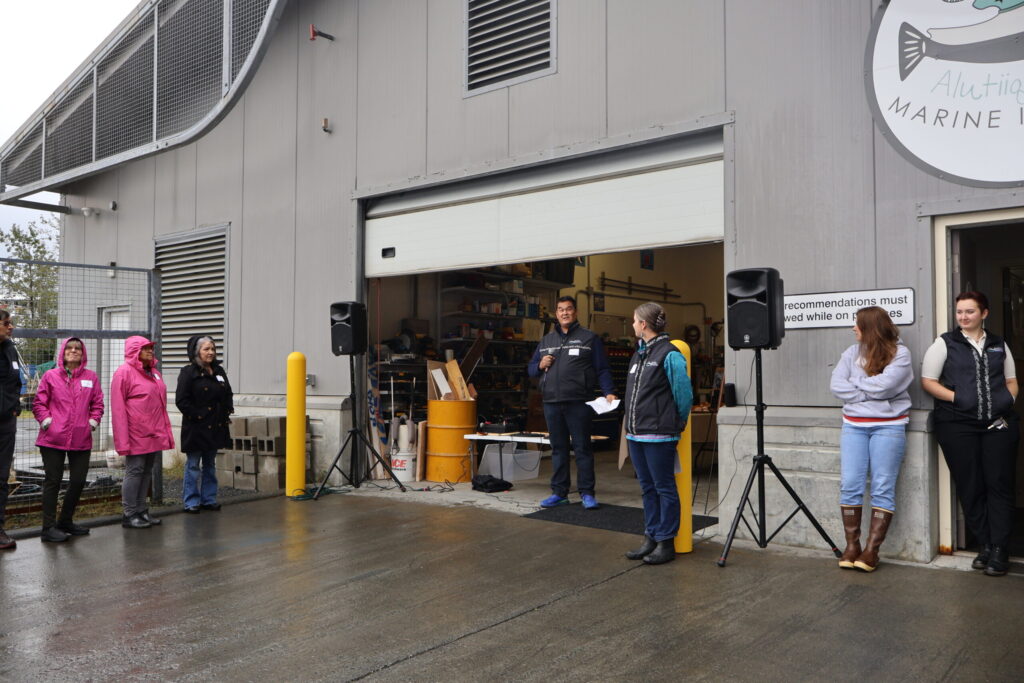
Chairman of the Board Boyd Selanoff giving a speech during CRRC’s ribbon-cutting event in September 2025.