Impact Story
Across the country, Native communities are cultivating traditional knowledge and experience to steward Native resources and lands in ways that are creating long-term benefits for the environment, society, and the future.
First Nations is helping support this knowledge and experience through our Indigenous Partnership to Advance Native American Communities and Producers project, made possible with funding from the USDA Natural Resource Conservation Services (NRCS).
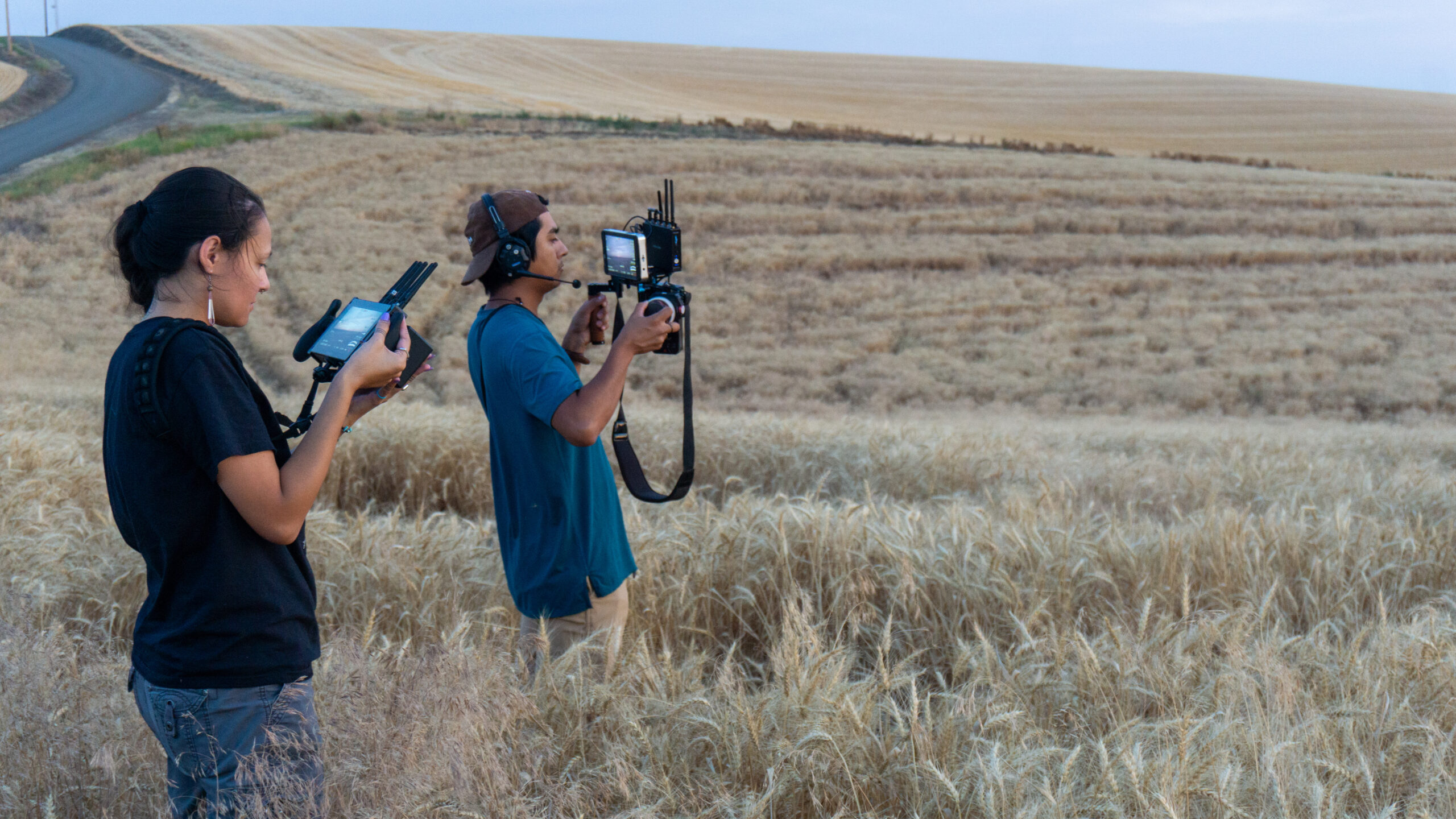
An exciting component of the project is the production of four films highlighting models of successful tribal stewardship practices. First Nations’ Program Director of Stewarding Native Lands Mary Adelzadeh (Navajo) explains that the purpose of the films is to raise awareness of the imperative work happening across Indian Country, with visual and dynamic stories that will increase interest, acknowledgement, and support. “These stories need to be shared, and however we can amplify them for the good of our partners and the sustainability of their knowledge and practices is key to our mission at First Nations,” she says.
Throughout the last year, the films have been featured at screenings and gatherings and through First Nations’ website and social media channels. With the last film wrapping up this month, First Nations highlights them all collectively here.
‘Usugilix Awakun’
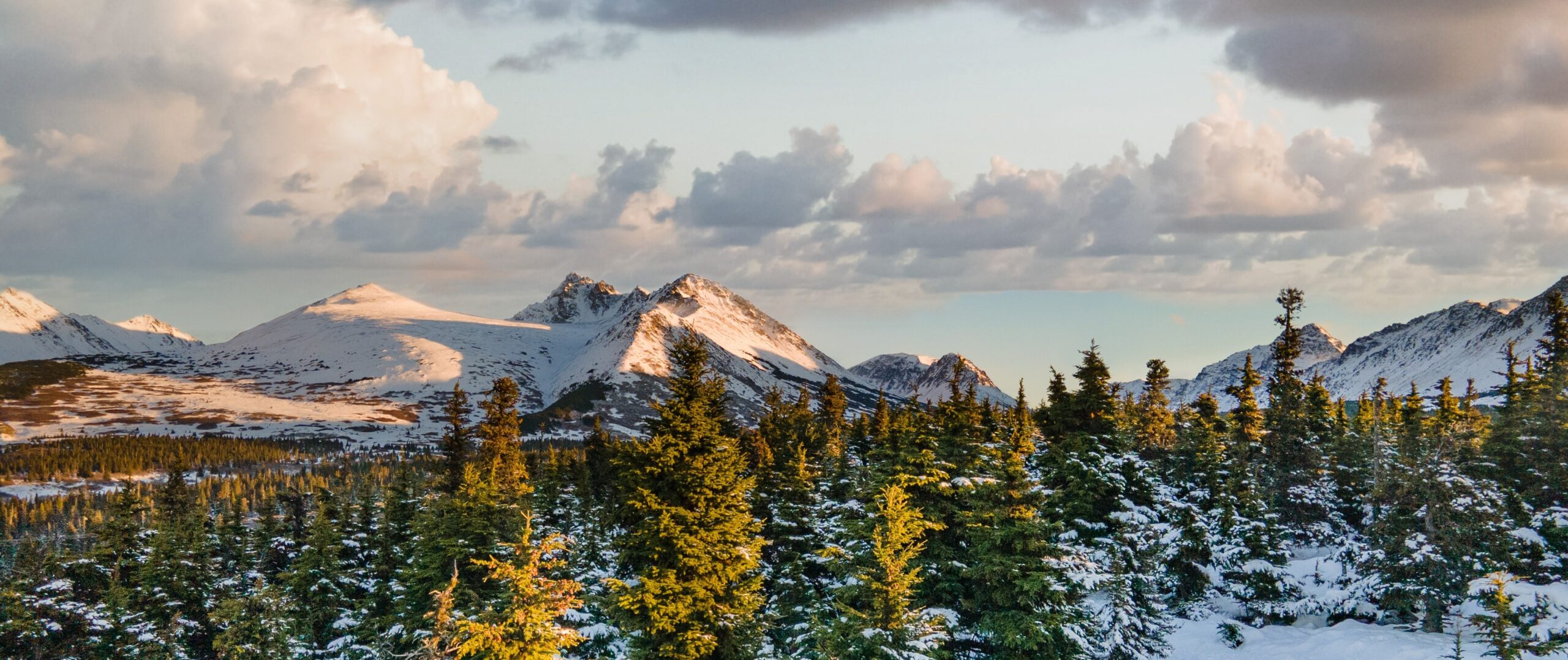
The first film, “Usugilix Awakun: We Are Working Together,” focuses on the unwavering dedication of Qawalangin Tribe of Unalaska and Unangax̂ scientist Shayla Shaishnikoff to preserve ancestral traditions, culture, and the health of her community. As the tribe’s resilience project manager, Shaishnikoff is researching the reasons for unprecedented levels of a paralytic toxin in the area and its impact on shellfish – a staple food for the Unangan people.
As the film investigates the complex interplay of climate change, toxins, and traditional knowledge, “Usugilix Awakun” illuminates the profound connection between the Unangax̂ people and their environment, showcasing the resilience and resourcefulness of a culture in the face of unprecedented challenges.
The film was produced by Spruce Tone Films in collaboration with the Qawalangin Tribe of Unalaska.
‘Héesu’ – Featuring the Nez Perce Tribal Nation
The Nez Perce Tribe is increasing the knowledge and awareness of the Nez Perce Fishing Department and its work for communities and tribal youth.
This second film, “Héesu,” explores the Nimiipuu (Nez Perce) people’s efforts to revitalize the sacred Pacific lamprey, weaving together tradition, resilience, and environmental stewardship to reclaim a vital piece of their cultural and ecological heritage.
This film is directed and produced by Loren Waters of Waters Media production, in partnership with Nez Perce Tribal Nation and with assistance from Spruce Tone Films.
‘Traditional Knowledge: Weaving the Future’ – Featuring the Eastern Band of Cherokee Indians
The Eastern Band of Cherokee Indians is engaged in ongoing conservation activities relative to watershed restoration and air quality monitoring for tribal lands, including furthering a dam removal effort on the lower Oconaluftee River and expanding air quality monitoring in accordance with culturally prescribed burns within community forests.
This third installment, “Traditional Knowledge: Weaving the Future,” showcases the tribe’s work to restore culturally relevant white oak tree stands through the reintroduction of cultural fire. The tribe is using traditional practices to protect these culturally significant trees from invasive species, and redefining what forest management means through a Native lens.
This film is directed and produced by Loren Waters of Waters Media, in partnership with the Eastern Band of Cherokee Indians and with assistance from Spruce Tone Films.
‘Where the Water Remembers: The SAYH2O Legacy’ – Featuring the Santa Ana Pueblo
The Santa Ana Pueblo is working to create habitat for wildlife by installing a guzzler and growing crops for local and migrating wildlife, increasing the community’s understanding of the development and construction of wildlife corridors on their land through a wildlife corridor outreach summit, and supporting youth community outreach.
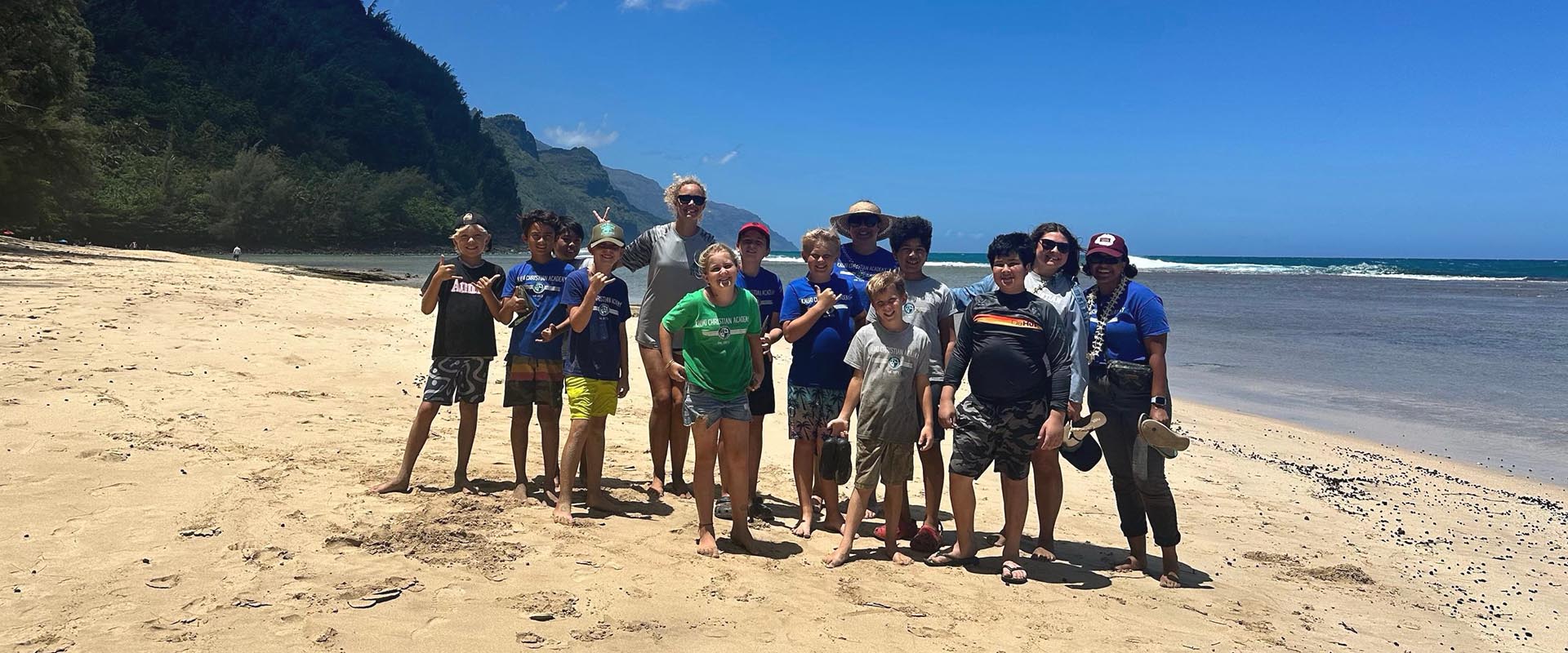
The final film of the series, “Where the Water Remembers: The SAYH2O Legacy,” focuses on the SAYH2O program, which empowers youth to reclaim their ancestral connection to water. The film shows that through hands-on environmental education, language revitalization, and the transfer of traditional knowledge, the next generation learns to protect the land and carry forward a legacy of stewardship.
This film is directed and produced by Loren Waters of Waters Media, in partnership with the Santa Ana Pueblo Department of Natural Resources.
Next Steps
In total through the project, including the four community partners featured in the films, 10 tribes and Native-led organizations received a $28,000 grant from First Nations to advance their conservation and agribusiness strategies. In addition, 60 Native producers from the tribes and Native-led organizations received training and technical assistance to complete stewardship plans for their communities. Many were also brought together during onsite visits and conferences to share knowledge and best practices.
First Nations President and CEO Michael Roberts describes how each partner brings expertise to the field, whether it’s in conservation, policy, advocacy, outreach, or education. “Through this Indigenous partnership, we can learn from and support each other in ways that haven’t been explored. It’s a great opportunity to move forward Native conservation efforts and have long-lasting impact on our environment,” he says.
First Nations has been honored to showcase the work of these partners in advancing conservation, tribal sovereignty, policy, advocacy, outreach, and education. We look forward to continuing our connection and sharing the impact of this work.