Impact Story
The Giant Sequoia is a powerful symbol of strength for the lands and people of the Tule River Indian Tribe. Towering more than 300 feet tall, many of these trees have withstood fires and droughts for over 3,000 years. Their thick bark makes them uniquely adapted to endure frequent fires, allowing them to grow into giants that anchor entire ecosystems.
There are only 75 groves of Giant Sequoias across the Sierra Nevada mountains, and five of them are rooted within the Tule River Indian Reservation. For generations, the tribe has understood the importance of taking care of these majestic trees.
Like the sequoia, the Tule River Indian Tribe has stood strong through centuries of challenges. Today, climate change threatens its homelands with record droughts, catastrophic wildfires, and destructive floods. In 2023, the Windy Fire severely damaged two sequoia groves on the reservation, stripped away protective vegetation, and triggered floods that wiped out downstream homes and contaminated water supplies.
The Windy Fire was a high-severity fire produced by the accumulation of forest debris due to fire suppression, prolonged drought, and wind. Although sequoias are adapted to fire, the Windy Fire had high energy and heat, moving fast with high flames. Yet, just as the sequoia survives fire to grow stronger, the tribe is mobilizing its deep traditional and cultural knowledge to meet the challenges posed by climate change.
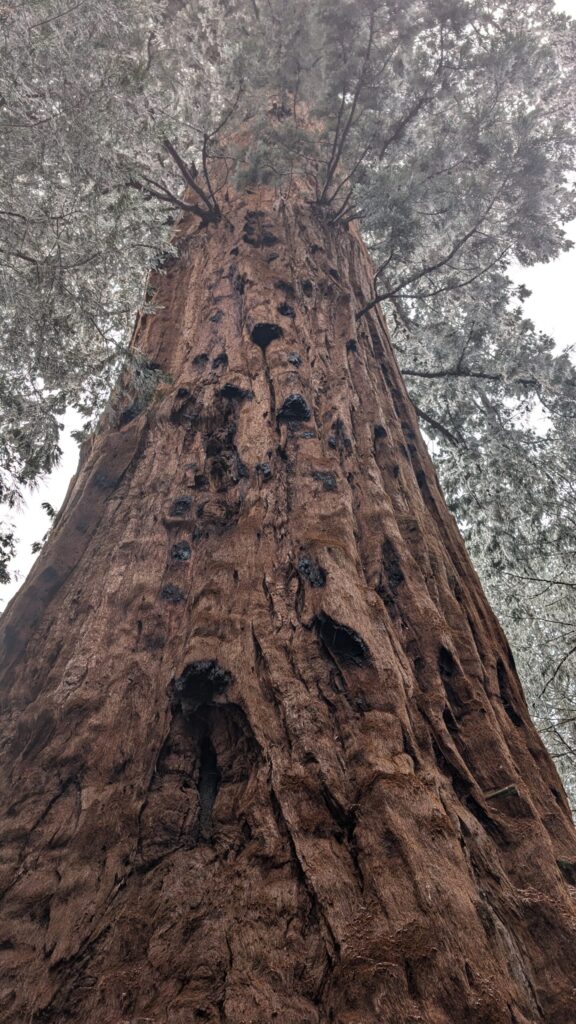
Protection and stewardship of Giant Sequoia trees and groves is a priority of the Tule River Indian Tribe.
Facing climate challenges
Through a project designed to reinvigorate riparian zones and wet meadows, the Tule River Indian Tribe is applying traditional stewardship practices in a variety of active restoration efforts. Over thousands of years, Native Americans have passed down traditional knowledge for stewarding their lands, waters, and plant and animal relatives.
The tribe is drawing on its accumulated knowledge to restore the lands using “nature-based solutions” rooted in emulating and supporting natural processes. This work is also rooted in reciprocity: the understanding that people benefit from the lands and waters, and in return, must care for them. Restoring the tribal traditional knowledge and stewardship practices on the land is essential to healing the land alongside the community.
Support for this work comes from First Nations, which awarded the tribe a $200,000 grant through the Advancing Tribal Nature-Based Solutions project, funded by Margaret A. Cargill Philanthropies and First Nations’ Tribal Lands Conservation Fund.
Bringing back the beaver
Water is at the heart of many climate challenges. Extended droughts stress trees and fuel raging summer wildfires, while intense winter storms cause floods on the burned-over lands.
To restore balance, the tribe has turned to an ancient ally: the beaver.
Once abundant in the San Joaquin River Basin, the subspecies of beaver known as California golden beavers were nearly wiped out in 19th century due to trapping and state policies that favored eradication of the species as a nuisance animal.
For the Tule River Indian Tribe, beavers are relatives who play a vital role in keeping rivers, streams, and wetlands healthy. Bringing back the beaver is about restoring relationships and welcoming them home. A centuries-old pictograph drawn with red ochre at Painted Rock on the reservation depicts a beaver, and tribal elders recall seeing beavers in high-elevation meadows when they were young.
But the animals had been absent from the reservation for decades.
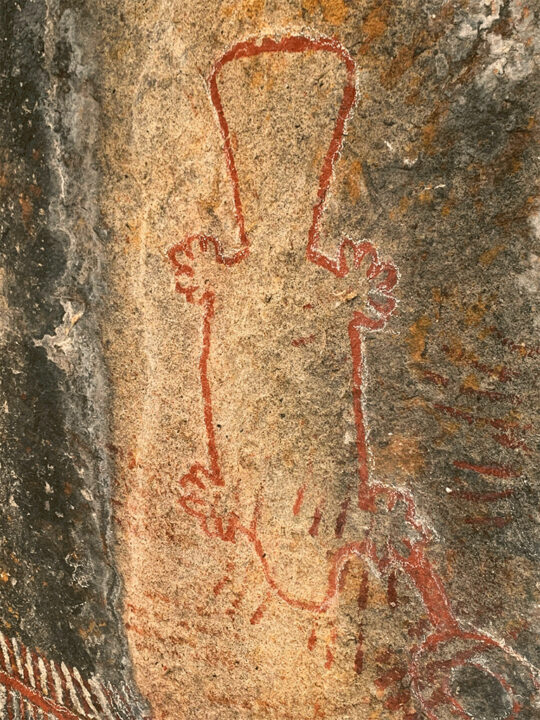
Beaver pictograph at Painted Rock.
In summer 2024, the tribe reintroduced several beaver families to the South Fork of the Tule River and Miner Creek through a partnership with the California Department of Fish and Wildlife. The results of bringing back beavers were immediate: ponds began forming, biodiversity started to increase, and the river system began healing.
Beaver ponds filter water, inhibit erosion, store moisture, sustain water flow through dry summers, and even help prevent fires by maintaining ribbons of green, fire-resistant vegetation.
Helping the helpers
To welcome the beaver home, the tribe is also encouraging and supporting its beaver relatives by planting willows along riparian corridors to stabilize stream banks, improve water quality, and expand natural firebreaks.
Tribal staff have built more than 100 beaver-dam analogs (BDAs) by weaving willow and cottonwood branches into structures that mimic natural beaver dams. These BDAs attract beavers and give them a head start in reshaping the South Fork of the Tule River. In many cases, beavers have built directly on top of these structures, strengthening them further in a positive feedback loop.
Restoring the riparian system is central to drought recovery, and just one strategy for full ecosystem recovery. In 2025, 17,030 acres of land known as Yowlumne Hill were returned to the tribe as part of a historic land deal, the largest of its kind in the Sierra Foothills. This land reconnects tribal lands to the Giant Sequoia National Monument, extending habitat for the beaver, and many more animal relatives to disperse and thrive.
Now under tribal jurisdiction, Yowlumne Hill will be restored with the beaver serving as a keystone species and climate solution. The ecological benefits provided by the beaver are integrated with another essential tribal nature-based solution: cultural fire.
Restoring balance with ‘good fire’
The use of “good fire” — frequent, low-intensity fires to promote healthy plant and animal communities — is another critical part of the tribe’s nature-based solutions. Tribal people have long used cultural fires to clear overgrown brush, regenerate plants, and support wildlife. To the tribe, applying fire is a spiritual practice when used at the right time and in the right way. Good fire heals and purifies land, allowing for new plant growth. Cultural fire is also an expression of reciprocity, a deeply held value that defines the mutual obligation between people and place — the people steward the land, and the land provides for the people.
Since the mid-19th century, state laws prohibited traditional burning, leading to overgrown forests, dangerous fuel buildup, and more destructive wildfires. But over the past several years, the Tule River Indian Tribe — working with partners like the North Fork Mono Tribe and U.S. Forest Service — is reviving cultural burning practices to reduce the risk of devastating wildfires and to restore sequoia groves, oak woodlands, and meadows.
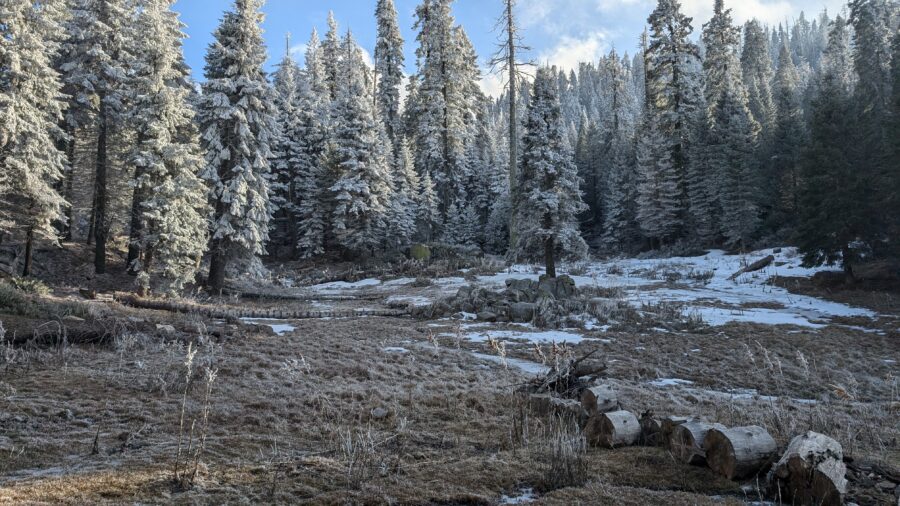
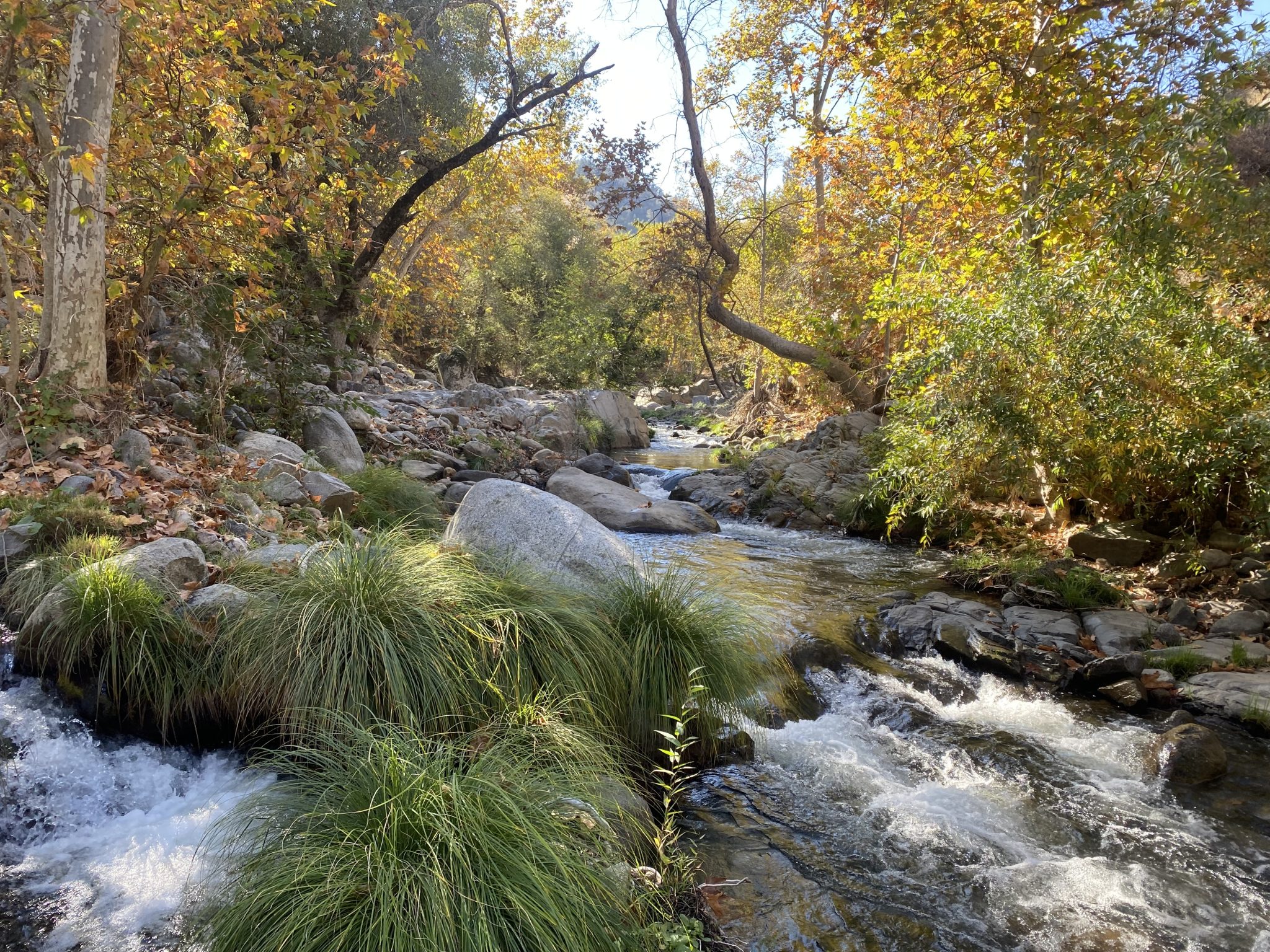
Tule River Indian Tribe is utilizing traditional knowledge and hands-on approaches to restore riparian and aquatic ecosystems.
Meadows: food and medicine pantries
Montane meadows are especially important to the tribe. Meadows provide food, medicine, and materials for basketry. Meadows have been shaped by burning, pruning, and selective harvesting to ensure that plants used for food, fiber, and medicine grow strong and healthy. Without this stewardship, many meadows in the Sierras have deteriorated. Meadows frequently occur near sequoia groves because both depend on well-watered riparian areas and frequent burning to thin out small trees.
In 2022, the tribe hosted a cultural burning and meadow restoration event in a sequoia grove on its reservation with guests from the U.S. Forest Service and neighboring tribes. Starting in 2023, the tribe extended its efforts off the reservation by bringing cultural fire back to Long Meadow, then Alder Creek sequoia grove within the Giant Sequoia National Monument, in partnership with North Fork Mono and Tübatulabal Tribes.
By combining the work of beavers and cultural fire, the tribe is restoring these meadows — bringing back biodiversity, strengthening soils, and ensuring future generations can continue to rely on them as “food and medicine pantries.”
The Tule River Indian Tribe is standing strong against climate change by restoring its rivers, meadows, and forests using traditional ecological knowledge. Through the return of beavers, the revival of cultural fire, and replanting along rivers, the tribe is protecting its lands and ensuring that its sacred relatives — the giant sequoia and beaver — continue to thrive for generations to come.