Impact Story
 First Nations’ Tribal Food Systems Research Fellowship is amplifying the voices of tribal food sovereignty scholars by supporting their research and publication efforts. In partnership with the Journal of Agriculture, Food Systems, and Community Development (JAFSCD), many of the Native scholars are sharing their insights in JAFSCD’s new column, “Revitalizing Indigenous food systems through research and knowledge-sharing.”
Throughout February and March this year, First Nations has highlighted the following fellows’ essential voices in fully understanding our relationships with food systems and how food is interwoven into all aspects of culture, environment, economies, and health.
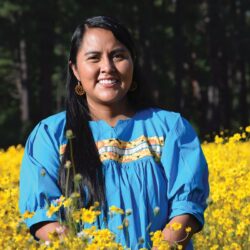 Food Access Interventions in American Indian and Alaska Native Communities: A Scoping Review
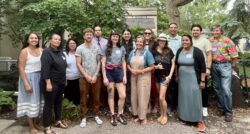
In this article, Tribal Food Systems Research Fellow Dayna Carroll (pictured here) joins Lynn Mad Plume and Dr. Nicole Redvers in highlighting the importance of leveraging strengths in American Indian and Alaska Native communities to enhance food access, including through culturally aligned programs and traditional foods. Researchers share how further collaboration between AI/AN communities and researchers may lead to the development of more informed multilevel interventions that further integrate Indigenous methodological and culturally based approaches. Access the article here.
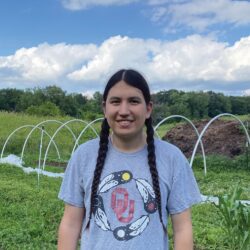 A Framework to Guide Future Farming Research with Indigenous Communities
The knowledge behind Native food sovereignty movements is dynamic, incorporating contemporary tools in ever-changing environments. In this article, Tribal Food Systems Research Fellow Daniel Hayden (pictured here) joins Amber Hayden in highlighting four principles of Indigenous farming that are reflected in both practice and cultural traditions: polycultures, seed-keeping, sustainability, and community. The writers encourage “more applied research in farming and natural sciences that uphold Indigenous ways of knowing as equal to Western science through collaborating with Indigenous Peoples.” Access the article here.
 Understanding Indigenous Knowledge of Conservation and Stewardship Before Implementing Co-Production with Western Methodologies in Resource Management
In this article, fellow Stafford Rotehrakwas Maracle joins Jennifer Tewathahá:kwa Maracle and Stephen C. Lougheed in describing the harms of co-producing knowledge with Indigenous collaborators without first seeking to understand the foundations of Indigenous knowledge itself, and its deep roots in environmental sustainability. The authors contend that Indigenous knowledge must be treated as a distinct framework to inform conservation and stewardship of biodiversity and nature. They also assert that building relationships with local Indigenous nations will help actualize sustainable practices that are rooted in millennia of empirical data. Read the article here.
Restoring an Onkwehonwehnéha Ecosystem
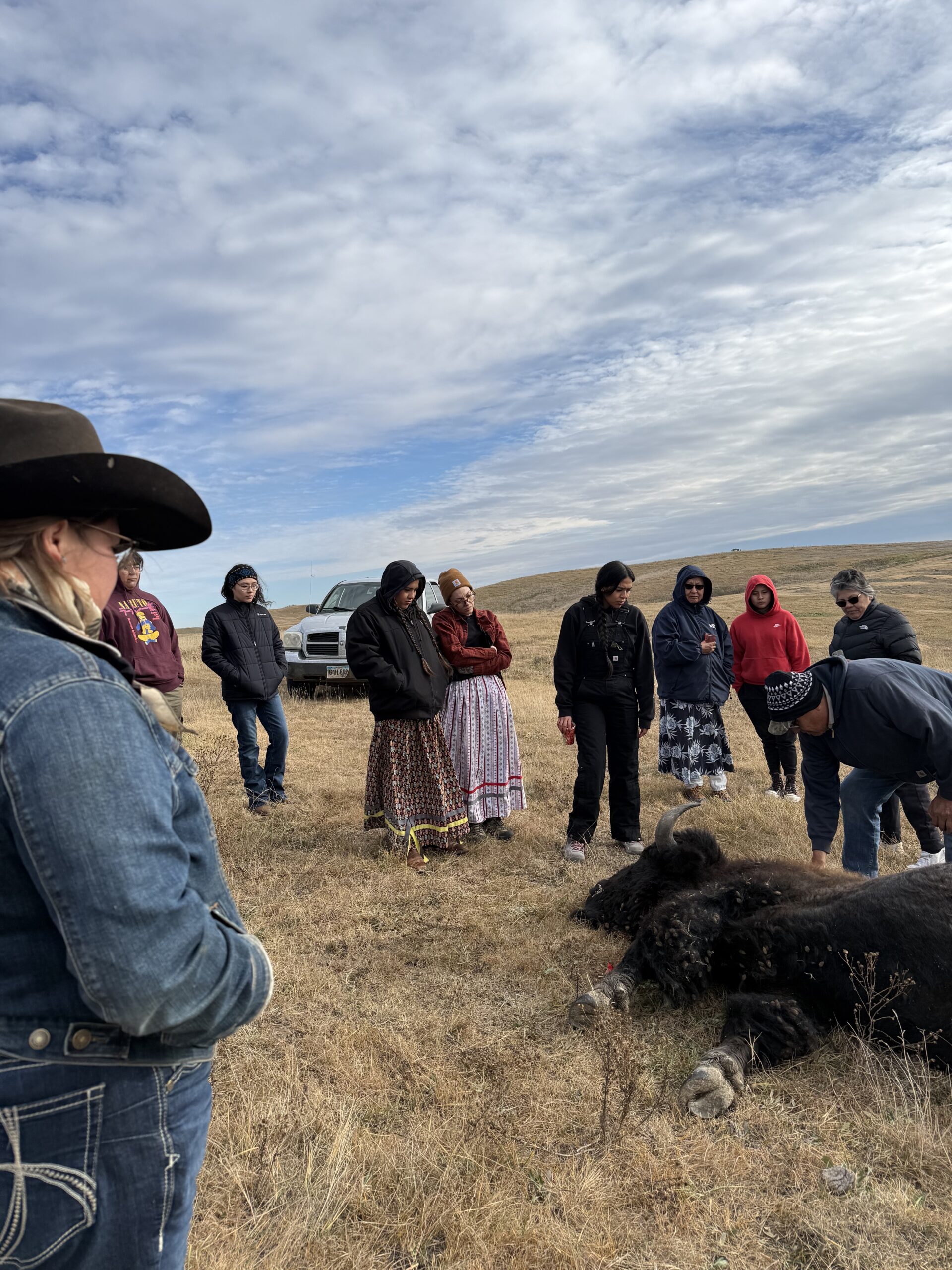
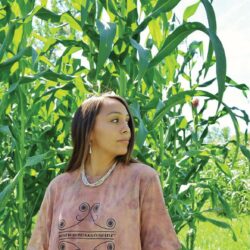 In this article, First Nations Research Fellow Jasmine R. Jimerson highlights the critical work being done at Akwesasne Freedom School in Akwesasne, New York. Her findings confirm that reconnecting with traditional food systems improves physical, mental, and spiritual well-being while fostering the self-sufficiency of Indigenous communities. She encourages the development of more intergenerational learning through land-based immersion education models, along with policies that protect and expand access to land for Indigenous learning and environmental restoration. Read the full article here.
 Hāloa: The Long Breath of Hawaiian Sovereignty, Water Rights, and Indigenous Law
In this final article, Fellow Dr. Puanani Apoliona-Brown shares her research in the moʻolelo (oral histories) of nā kūpuna who were once the “radical” activists of the Hawaiian Renaissance. Their stories shed light on a history unaccounted for in standard textbooks and reveal a genealogy of Native Hawaiian resistance that was reawakened under the banner of Aloha ‘Āina (reciprocal love of land). Dr. Apoliona-Brown recommends an inventory and forecasting of the appurtenant water rights in Maui Komohana (West Maui) and better resourcing of the Hawai‘i Commission on Water Resource Management to uphold its constitutional mandate. Read the article here.