Impact Story
How a First Nations Apprenticeship Network is Advancing Native Entrepreneurs Across Indian Country
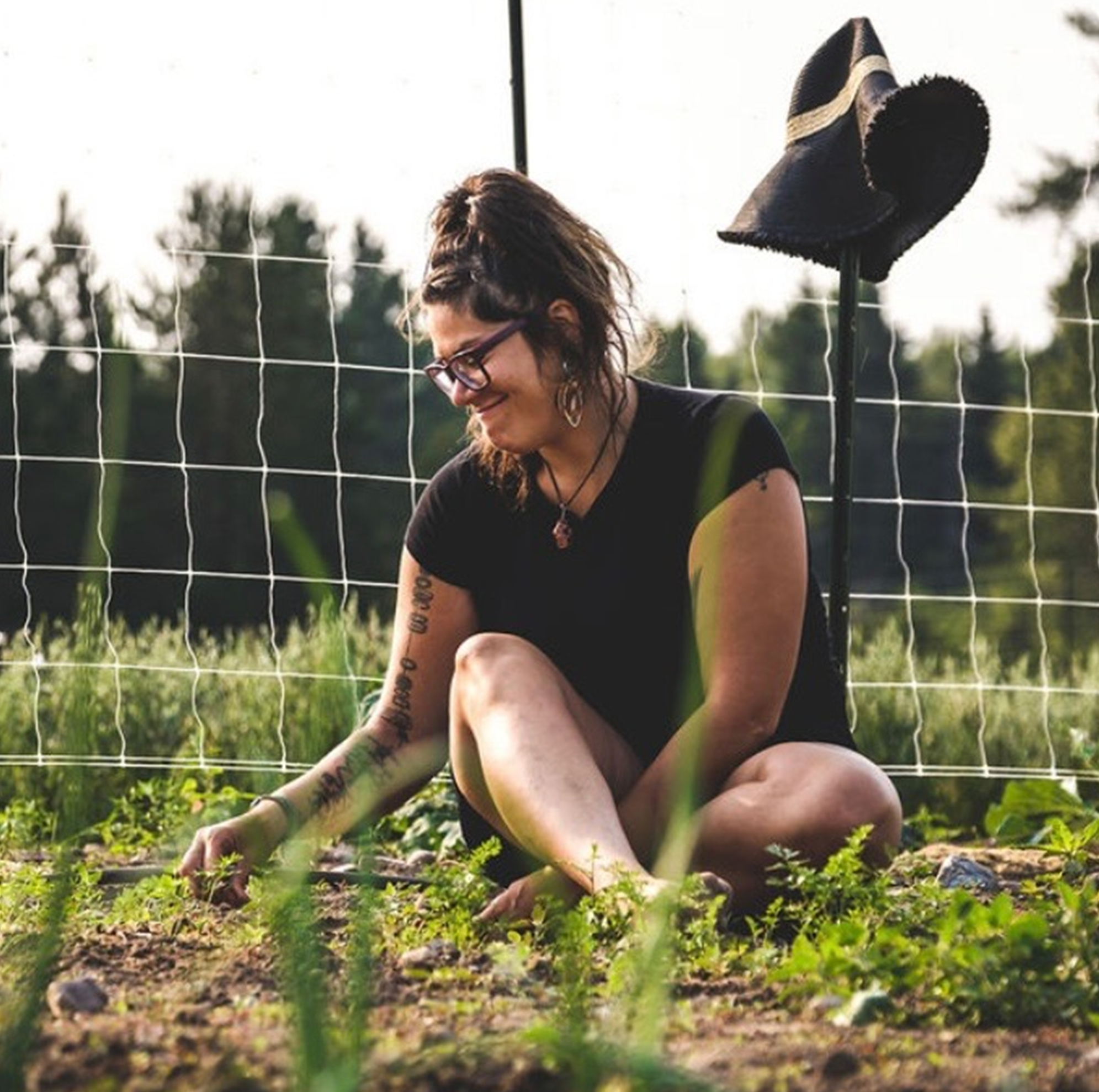
Alexandera Houchin, a beginning farmer, tends to her one-quarter-acre organic farm in her tribe’s community garden.
Alexandera Houchin (Fond du Lac Band of Lake Superior Chippewa) grows “completely organic” corn, squash, peppers, and more on a one-quarter-acre plot in her tribe’s community garden for the price of a little sweat equity. The 35-year-old professional mountain biker takes part in the Producer Training Program on her reservation, but doesn’t consider herself a farmer in the traditional big-tractor-plowing-fields way.
“The farming journey looks different for a lot of people,” she says. “For me, I just love growing my own food, especially potatoes. I feel like a kid digging though dirt trying to find them.”
Houchin is also trying to grow a small business with the fresh food she harvests. She and her partner, Johnny, have big dreams to create Indigenous freeze-dried, prepared meals that outdoor enthusiasts, like herself, can take out into the back country and enjoy by just adding water. “We haven’t sold anything yet. Right now, we give them away to friends. We’re still learning and experimenting with how to make them tasty.”
The Minnesota Native is one of 30 farmers and ranchers invited to participate in First Nations’ Native Farmer and Rancher Apprenticeship Network, funded through the National Institute of Food and Agriculture (NIFA), USDA Beginning Farmer and Rancher Development Program (BFRDP).
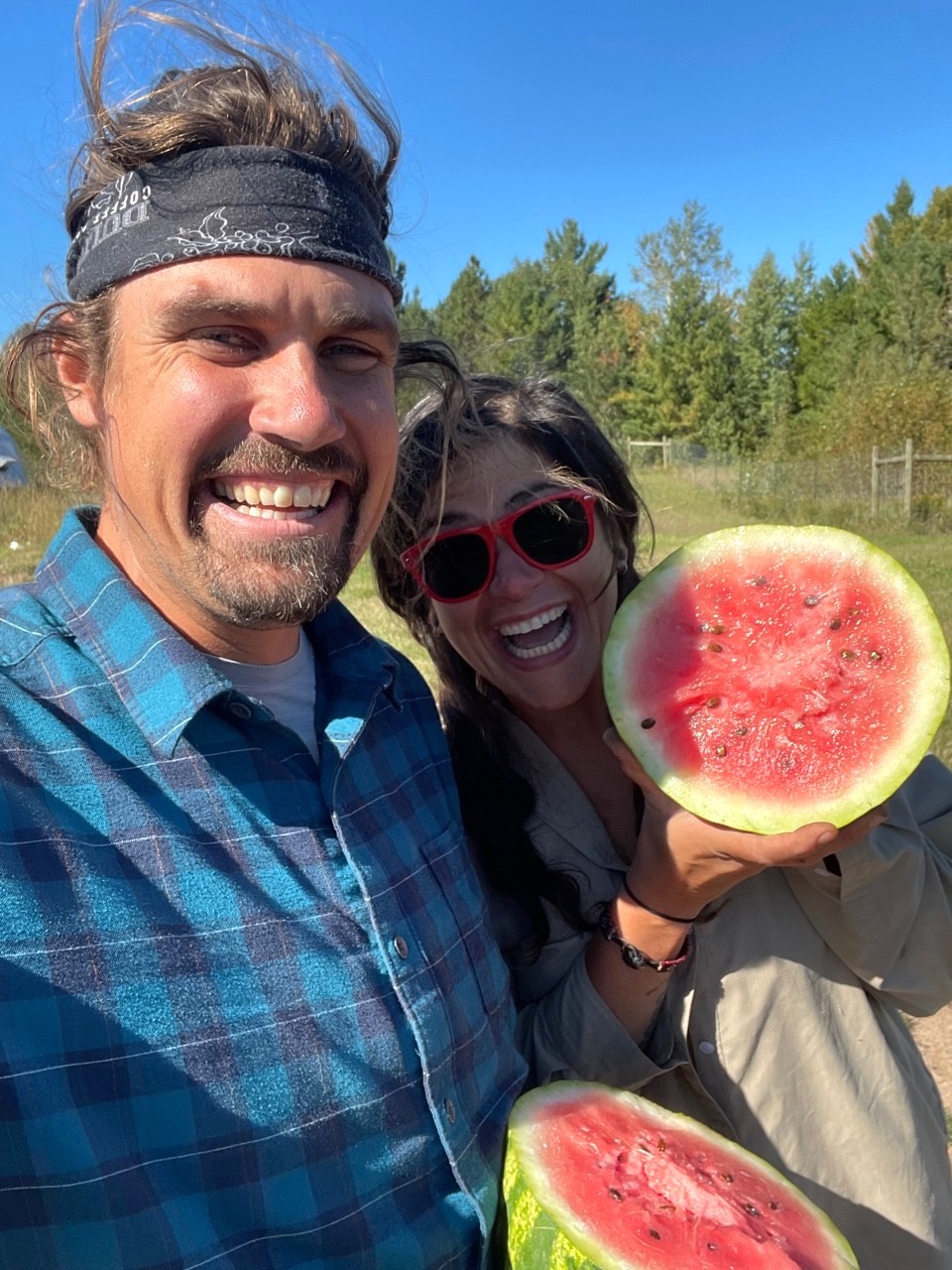
Houchin and her partner, Johnny, are growing a small business around Indigenous freeze-dried, prepared meals with foods from their garden.
“The goal of this pilot program launched in 2021 was to help a select group of Native American farmers and ranchers expand their businesses and strengthen land management strategies through training and technical assistance, and networking opportunities,” explains Richard Elm-Hill, senior program officer for First Nations’ Native Agriculture and Food Systems Investments (NAFSI) program. This novel apprenticeship program is part of First Nations’ NAFSI and Stewarding Native Lands (SNL) programs.
Over a span of 30 months, apprentices between the ages of 22 and 78 from tribes in the Southwest and Great Plains, with 10 years or less experience in farming and ranching, came together ─ mostly virtually through online webinars, with two in-person convenings ─ to learn a wealth of invaluable knowledge about growing and operating a successful farming and ranching operation.
As part of this community of practice, the apprentices also shared their own hard-fought lessons, successes, and insights with one another as agricultural producers ― valuable networking and relationship-building opportunities that enhanced their overall learning experience.
The first cohort in this unique apprenticeship program ─ designed around virtual learning ─ was comprised of producers from small, diverse agricultural enterprises, such as cattle ranching, beekeeping, organic farming, fruit orchards, hemp production, and aquaponics. “One of the best things I got out of the apprenticeship was meeting other people who are also dreamers and have big visions for their farm or ranch projects, or who are already established,” shares Houchin.
Each participant entered the program at different levels of a farming and/or ranching operation: beginners with an idea, like Houchin; beginners with some established infrastructure; and mature producers with more than five years of experience. “I appreciated the many different layers of farmers and ranchers in this network, and was happy to learn from them,” Houchin speaks positively about her experience.
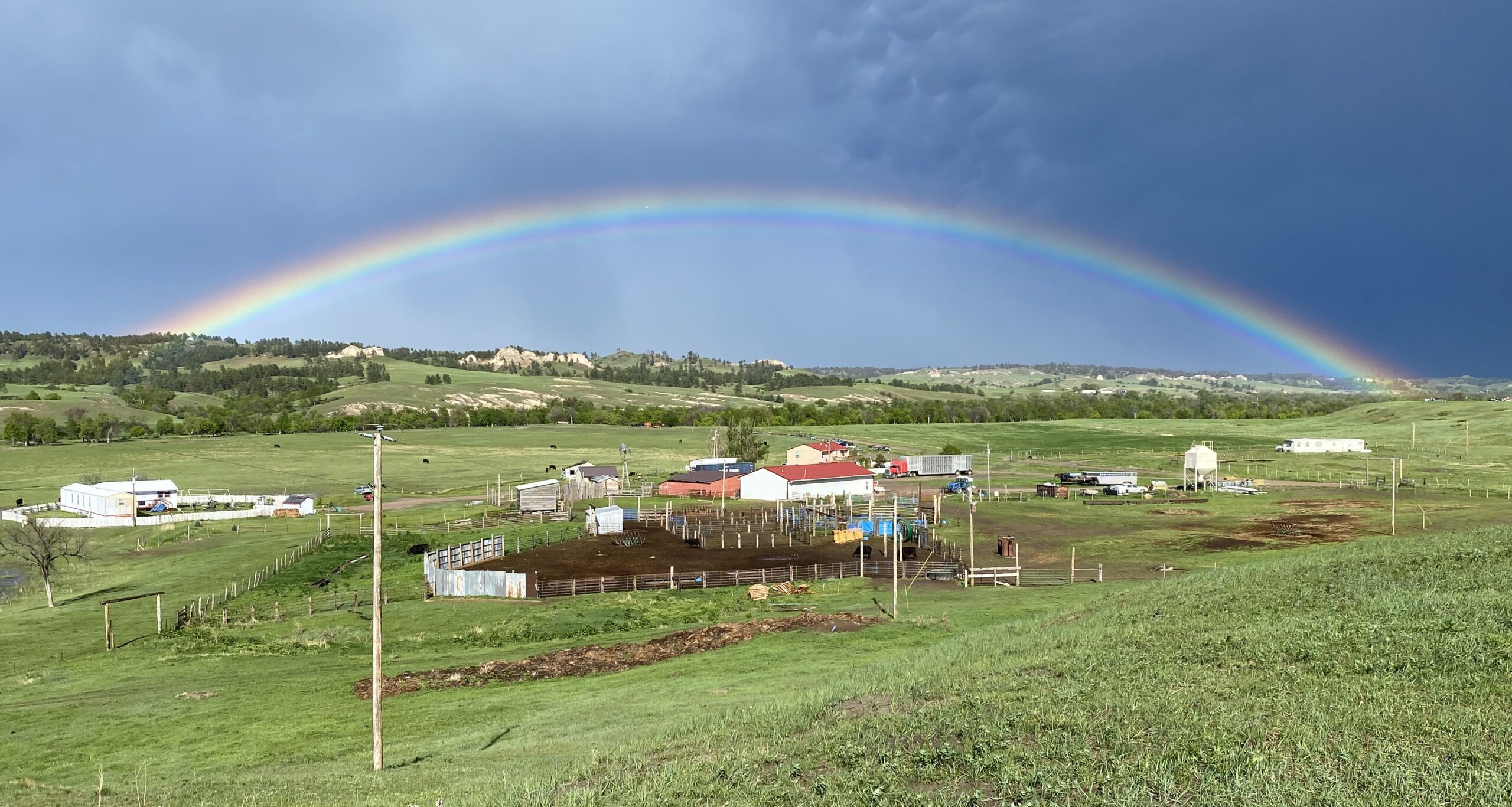
Although 18 apprentices grew up in a farming and/or ranching family, most participants said they did not get into the agricultural business to make money. Even so, they were keenly interested in learning how to access financial resources to help with their operations. In a follow-up report commissioned by First Nations, 53 percent shared that they make $10,000 or less as agricultural producers, and have full-time jobs beyond the apprenticeship program. Teachers, organization directors, a lawyer, tribal staff, and a tribal police officer were part of the mix.
As one participant reflected, “We are not farming and ranching for economic reasons, but for cultural and spiritual connections to homelands and lifeways. First and foremost, foods are spiritual nourishment.”
When apprentices were asked what they hoped to get out of the program, respondents were united in their convictions to preserve and strengthen Native food systems; learn traditional knowledge of food and agriculture; create healthier Native communities; and pass on knowledge to the next generation.
One First Nations program officer summed up the value of the Native Farmer and Rancher Apprenticeship Network in this way: “By actively growing and raising food on our ancestral lands, we are exercising our sovereign rights as tribal people. We are supporting a traditional diet when we eat traditional foods. And we are supporting a Native food economy when we eat foods that were grown and cared for by Native farmers and ranchers.”
Learning through a self-directed enrichment program
The 30 participants in First Nations’ Native Farmer and Rancher Apprenticeship Network made a commitment to complete a manageable list of key activities over 2.5 years that fostered learning and growth. These program requirements included: attendance at six virtual webinars and two in-person convenings; six online coaching sessions; quarterly check-ins; periodic assessments and evaluations; completion of self-paced, online courses; and the development of both business and conservation plans.
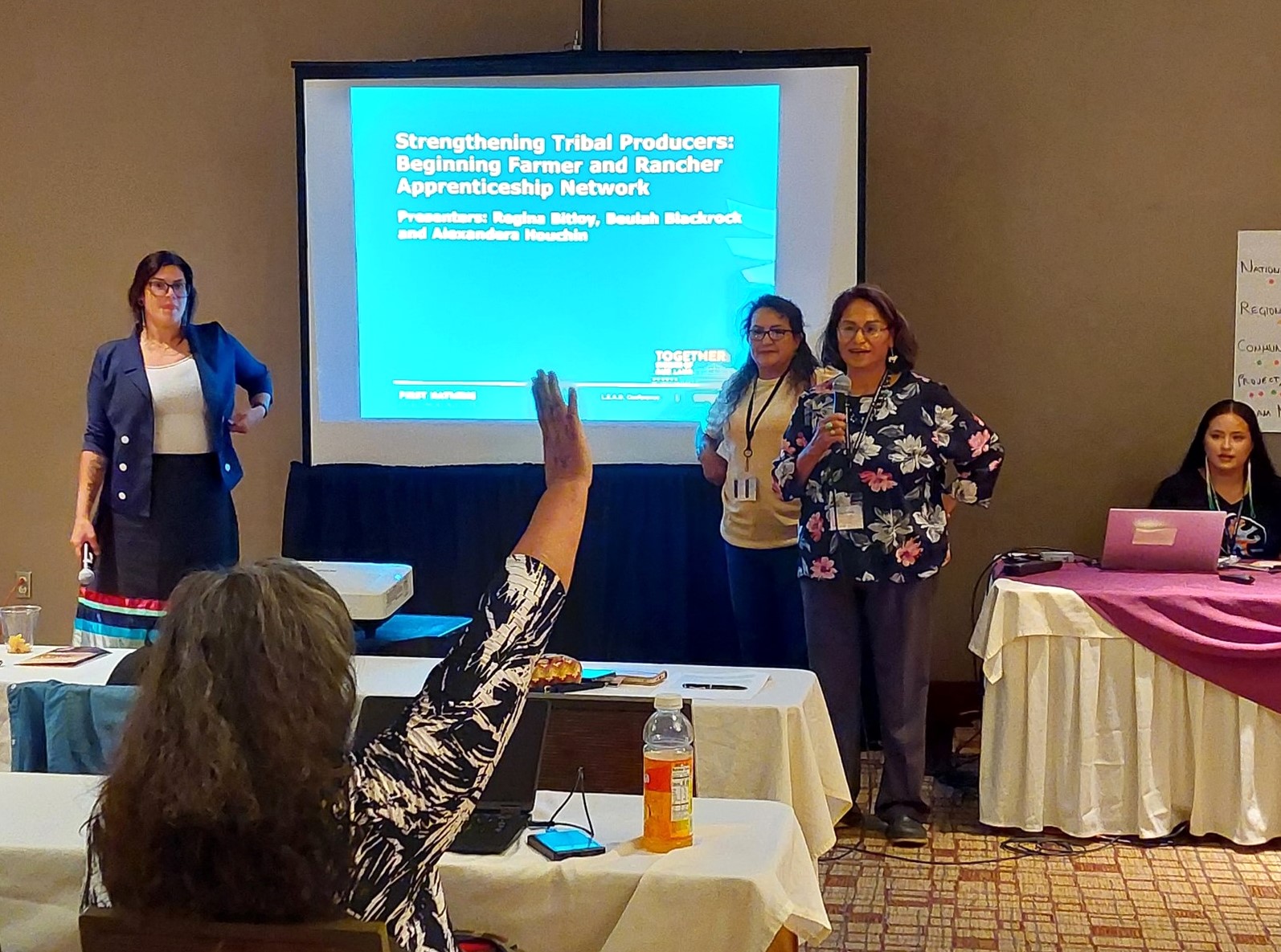
Apprentices attended several in-person trainings to learn how to create business and conservation plans.
An integral component of the program was the Business of Indian Agriculture (BoIA) curriculum ― a series of five online modules designed to teach farmers and ranchers how to succeed in managing their operations. The BoIA curriculum covers many topics central to running an agricultural business, such as accounting, financial management, agribusiness and economics, land use, and creation of a business plan.
Apprentices were given two options to complete the BoIA curriculum: work online, at their convenience; and/or watch recorded webinars that highlighted key concepts. First Nations staff also offered a 1.5 day in-person workshop. Participants were encouraged by consultants highly experienced in synthesizing business planning tools from an Indigenous lens to use their business plans as a learning document.
Apprentices also learned how to become better land stewards through another training on conservation planning using a nine-step process created by the USDA Natural Resources and Conservation Service (NRCS).
Other opportunities to learn and grow were available throughout the duration of the apprenticeship program. First Nations project staff, including Elm-Hill and Leiloni Begaye, First Nations associate director of Stewarding Native Lands, as well as other farming and ranching experts, were on hand for mentoring, coaching, one-on-one consultations, and technical assistance.
Beefing up agricultural operations
At the end of the apprenticeship program, participants had something tangible to take with them: business and conservation plans, tailored to their own operations, that they created with the help of First Nations’ program staff. These plans will go a long way as reference guides that apprentices can readily access to keep them on track and centered on overall goals and objectives.
In fact, Houchin credits the apprenticeship program for helping her complete her entire business plan around her concept of freeze-dried meals. “It kept me accountable to finish it. And now I have something substantial that I can refer to that will help guide the development of my business.”
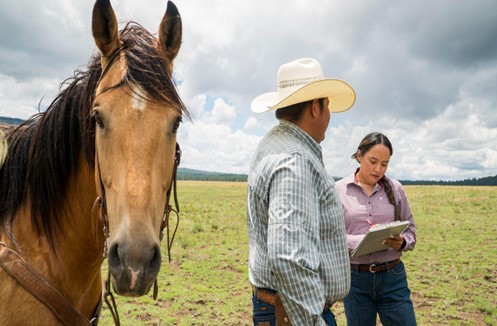
Rancher Erin Thomas, co-owner of 4 Canyons Land + Cattle Co. in Arizona, drafted a business plan during the apprenticeship that has helped greatly with ranch operations.
A more experienced producer, rancher Erin Thomas (Diné), co-owner of 4 Canyons Land + Cattle Co., drafted a business plan and it has already paid dividends. “We’ve been able to set goals and plan for sustainable growth that aligns with our values of nourishing sustainability, holistic stewardship, collaborative growth, and commitment to learning.”
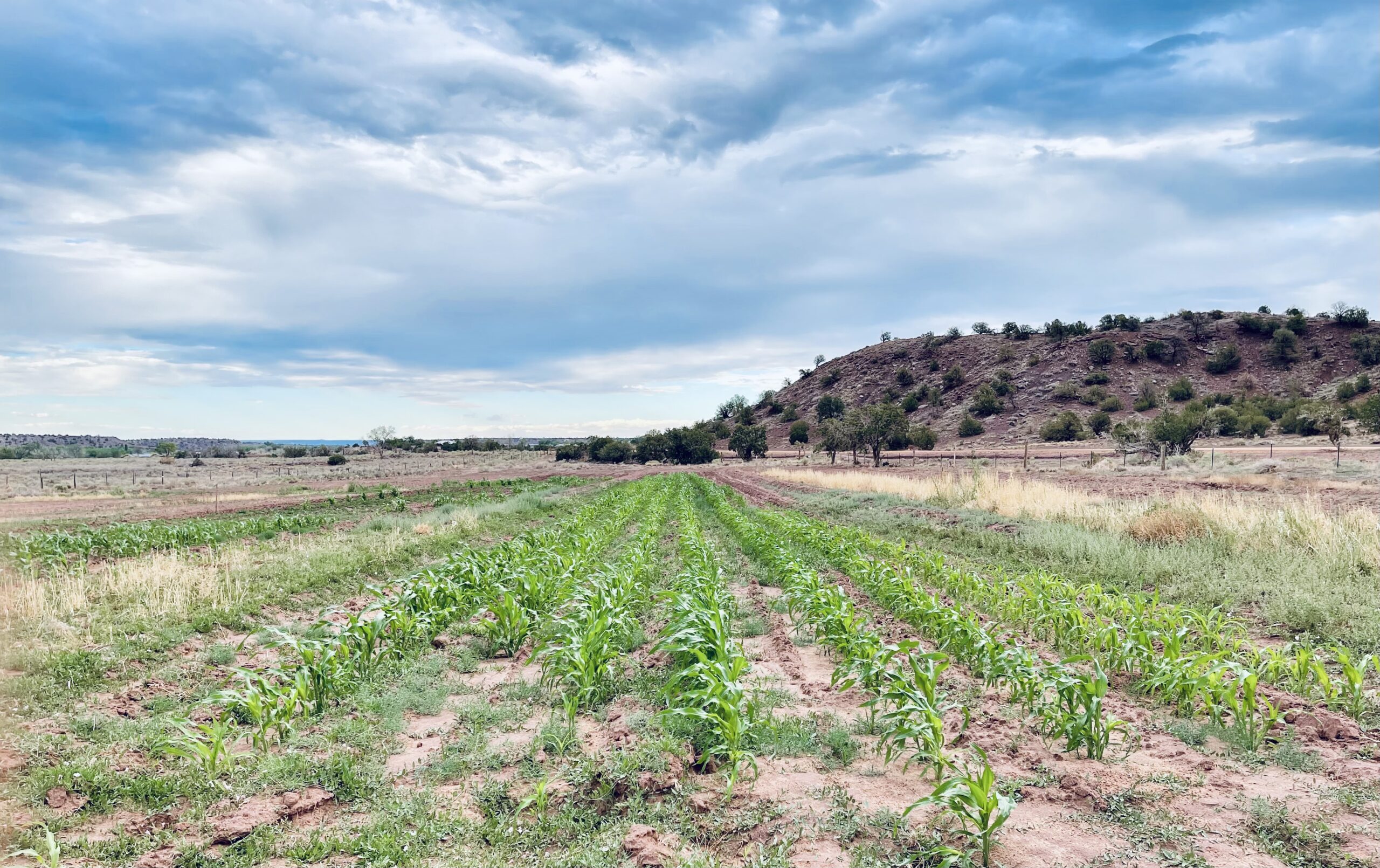
Beginning farmer Roberto Nutlouis (Diné) of Sliding Rock Farm in Arizona was able to draft a much-needed conservation plan. This site-specific plan helped him address the unique, land-based challenges in growing vegetables, native plants, and fruit trees with alluvial farming ― an agricultural practice that uses fertile, nutrient-rich soil created by deposits of silt, sand, and clay carried by rivers and streams that overflow during heavy rainfall; weather events that are sometimes difficult for farmers to gauge and plan around.
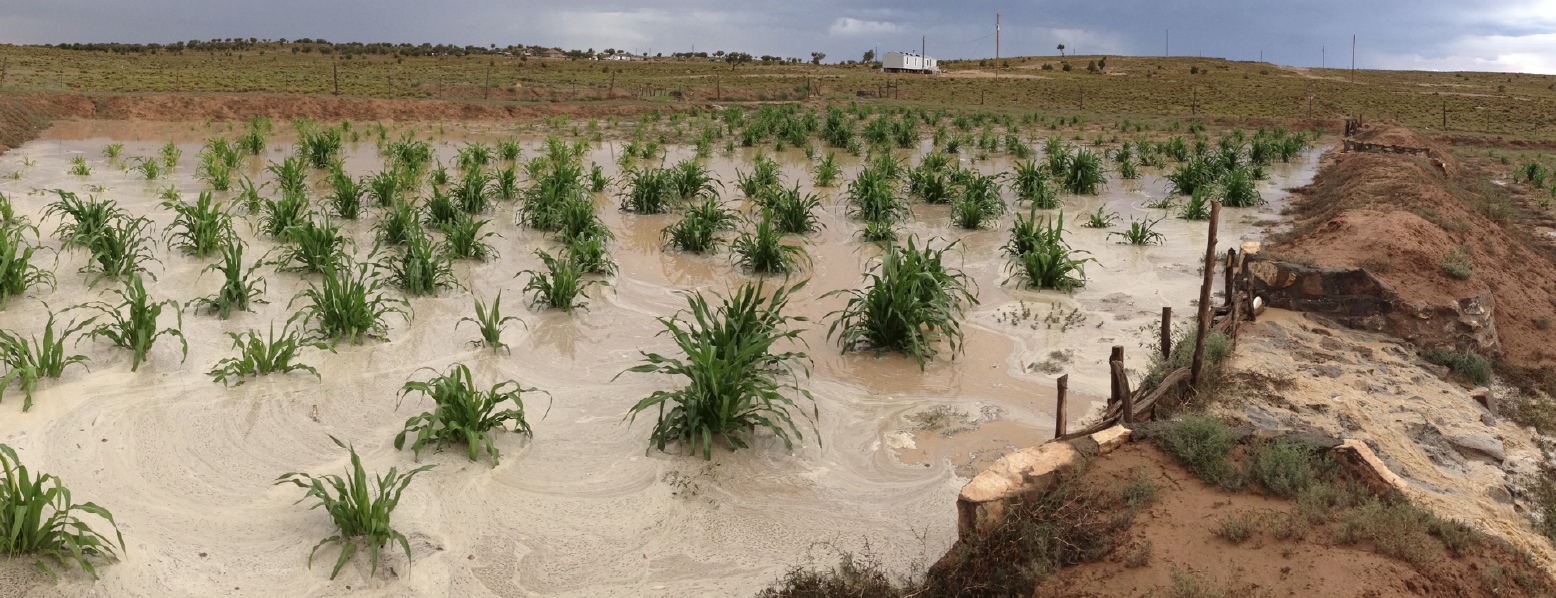
On Sliding Rock Farm in Arizona, farmer Roberto Nutlouis (Diné) uses alluvial farming, which involves heavy flooding, to grow vegetables, native plants, and fruit trees.
Jarom Prows (Diné) runs a small cow-calf operation in the Navajo Nation. As a beginning rancher, Prows admits that he was “clueless” about best practices in raising cattle. Before his participation in First Nations’ apprenticeship program, his livestock would graze openly over a vast area. Now he understands the importance of rotational grazing and conservation planning.
“This year, we are focused on controlling the cattle to benefit not only their health, but also, the health of the land,” says Prows, adding that the program also taught him how to expand his network ─ and his horizons.
“Through a connection I made with a beef producer, we purchased a registered black Angus bull from a Navajo ranch. This bull will allow us to introduce the right genetics into our herd and start us down the path to producing quality beef.”
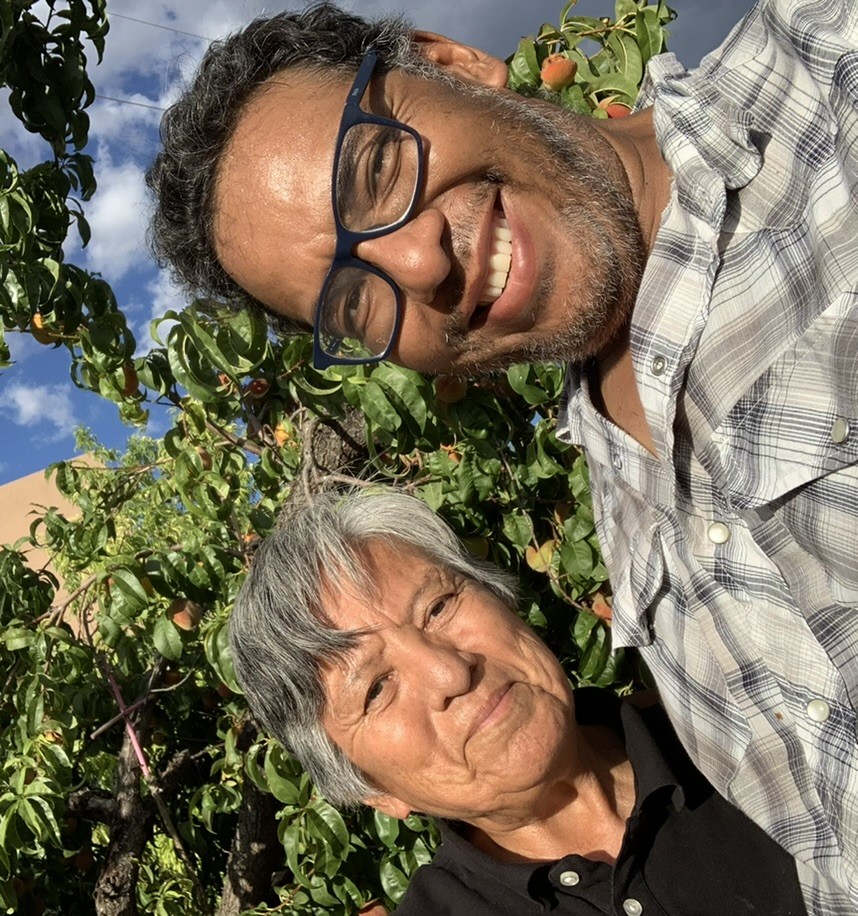
Martha Chosa and her son, Carnell, created Fruit to Elders, an orchard project where they plant fruit trees near homes of Pueblo elders, farms, and in community spaces.
The apprenticeship is already bearing fruit
During the pandemic, Martha Chosa (Jemez Pueblo) kept a healthy mind, body, and spirit by tending to her fruit trees and sharing the homegrown fruits with family and elders in her community.
This thoughtful act of kindness was the genesis of an orchard project called Fruit to Elders (F2E), the brainchild of Martha and her son, Carnell, created to honor the role fruit trees played during this difficult time. Together, they plant fruit trees near the homes of Pueblo elders, farms, and in community spaces to provide healthy food options and reengage Pueblo people with fruit trees in their ancestral lands.
“There is a rich history of fruit trees in our Pueblo communities and our relationships to them is special. Many members have grown up with fruit trees and it’s beautiful to hear those stories.” Unfortunately, Carnell adds, very few generational fruit trees are left, and this 10-year project he and his mother have embarked on will help replace trees that are dying or have disappeared.
What Carnell appreciated most about the apprenticeship program were the networking opportunities. “The convenings and workshops were extremely helpful. We got a lot of support and encouragement from other apprentices for the Fruit to Elders project,” he says. “We all shared our work, stories, resources, and contacts with organizations, funders, trainers, and others doing similar work. It was invaluable.”
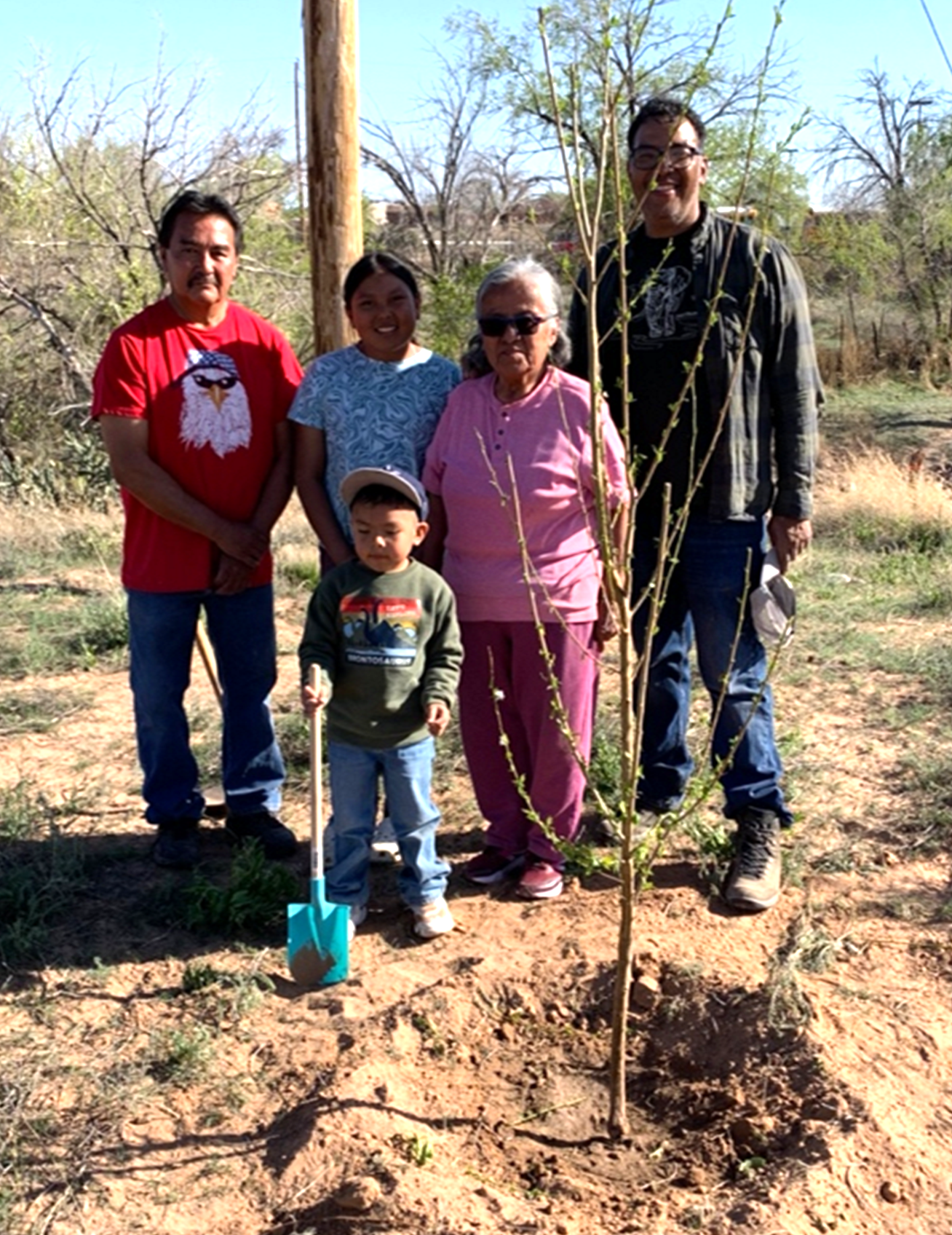
Carnell and Martha (right) plant a Santa Rosa plum tree in the farm field of Timothy Tosa in Jemez Pueblo. Martha’s great-grandniece and great-grandnephew are also pictured.
Since the mother and son team started Fruit to Elders, they have planted more than 50 orchards in at least 12 communities, including at a nearby Pueblo senior center. “Five trees make an orchard,” Carnell always says. The Chosas have planted more than 300 fruit trees since the project’s inception.
The Fruit to Elders program is now part of the nonprofit organization founded by Carnell in 2018 called the “Attach Your Heart Foundation,” which aims to support Pueblo youth and communities through regenerative initiatives in education, art, and the environment. “The trees my mother and I are planting will help strengthen our relationships to trees, reigniting pollinator populations that include bees, birds, and other insects.”
Most important, these fruit trees will help feed the next generation.
Bringing Native farming and ranching home
First Nations’ pilot program for the Native Farmer and Rancher Apprenticeship Network has ended, and the beginning farmers and ranchers who participated have returned their focus to increasing healthy food production in their separate communities ― raising cattle, growing heirloom vegetables and edible plants, planting fruit trees, and harvesting honey from bees.
Life on the farm and ranch and in the orchards goes on.
Based on a follow-up evaluation, this first cohort of farming and ranching apprentices completed the program as stronger, more knowledgeable agricultural producers and stewards of their land. They were inspired to implement learned solutions and strategies to expand their businesses in line with traditional practices that preserve and protect Native lifeways.
One beginning farmer left it all on the table: “We must leave the land better than we found it. We cannot forget our traditional ways and language. Family is our core. We need to also include aspects of community and relationships. Through farming, ranching, and other endeavors, we are learning community restoration, which is key.”
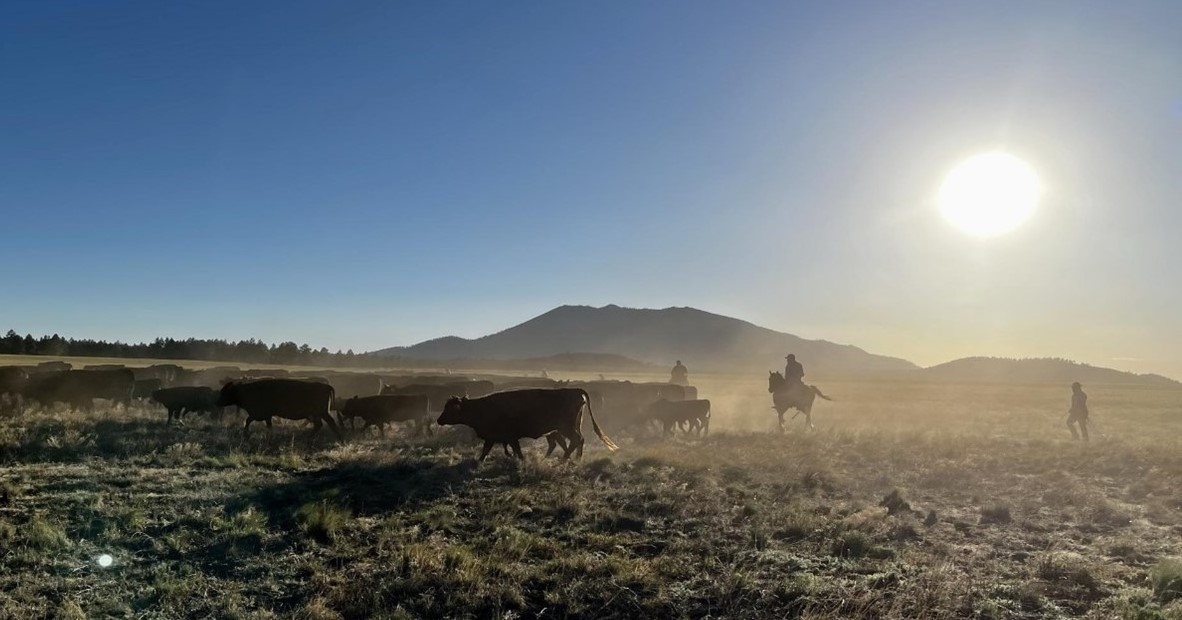
Life on the ranch at 4 Canyons Land + Cattle Co. in Arizona.
Now 24, Aaron Warren (Pueblo of Santa Clara), the youngest apprentice in the cohort, shared wisdom beyond his years. “This experience has further deepened my love for community. Through this work, I have had to be invested in the environmental/ecological impacts of climate change, and as such, it has made me more aware of the need to be more innovative as Indigenous people in our approach to ethical and sustainable ways of business production.”
For Houchin, who we met at the start of this story, participating in First Nations’ Native Farmer and Rancher Apprenticeship Network empowered her as a novice farmer, and helped her deepen the connection to her land and her culture. “Growing my own food is the most radical thing I can do. To step outside the established infrastructure that tells you to get a job, pay for this and pay for that, is pretty freeing,” she says. “Through farming, I’ve learned to appreciate food and the circle of life.”
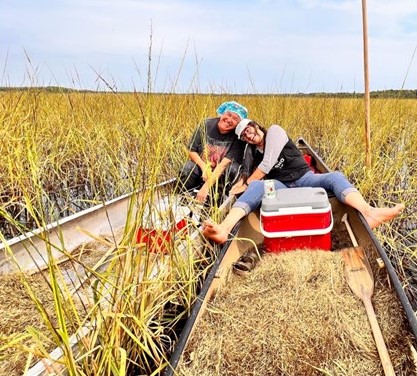
Alexandera Houchin (right) harvests wild rice on the lakes of the Fond du Lac reservation with her mother, Christine Houchin, who taught her the sacred cultural tradition. She pairs the rice with the organic food that grows in her garden.
Houchin is proud to share that she also harvests wild rice on the ancestral lakes of the Fond du Lac reservation, steering a canoe with a push pole through the dense beds. Wild rice, called “manoomin” in Ojibwe, means “good berry.” The manoomin fields guided her people to their contemporary homelands. “So, it is very meaningful to pair rice with the organic foods my partner and I cultivate in our garden.”
Harvesting wild rice is especially significant to Houchin because it is a reminder of the healing that has taken place within her own family. When her mother was a child, she was adopted out of the tribe and separated from her tribal culture and lifeways. She was eventually returned to her biological family, who taught her about the sacred, cultural significance of harvesting wild rice.
As in generations before her, Houchin’s mother passed on the sacred tradition to her entrepreneurial daughter. “My mom then taught me when I was an adult. And through wild rice harvesting, we found our family history, and we came home.”