Project

Advancing Tribal Nature-Based Solutions

Native communities are on the front lines of climate change, experiencing extreme weather, rising sea levels, extended drought, warming temperatures, and melting permafrost. The Intergovernmental Panel on Climate Change Fifth Assessment Report demonstrates that climate change affects Indigenous peoples more severely and earlier than other populations. Many Native communities are located in remote and coastal locations, which increases their vulnerability to flooding and wildfire. Furthermore, subsistence and cultural practices rely on healthy ecosystems that are stewarded by Native peoples.

To support climate action that addresses adaptation and disaster preparation, this Climate initiative project supports Tribes and Native organizations in Advancing Tribal Nature-Based Solutions through traditional knowledge.

With funding support from Margaret A. Cargill Philanthropies and First Nations’ Tribal Lands Conservation Fund, First Nations is providing grants and technical assistance to Tribes and Native organizations working toward climate adaptation and disaster preparation using nature-based solutions based on traditional knowledge. Nature-based solutions rely on animals, plants, and the environment to protect and restore ecosystems and support human well-being and local biodiversity.
Strategies rooted in traditional knowledge and nature-based solutions demonstrate innovative ways to address human-caused climate change on ecological, economic, cultural, and social systems. Examples include:

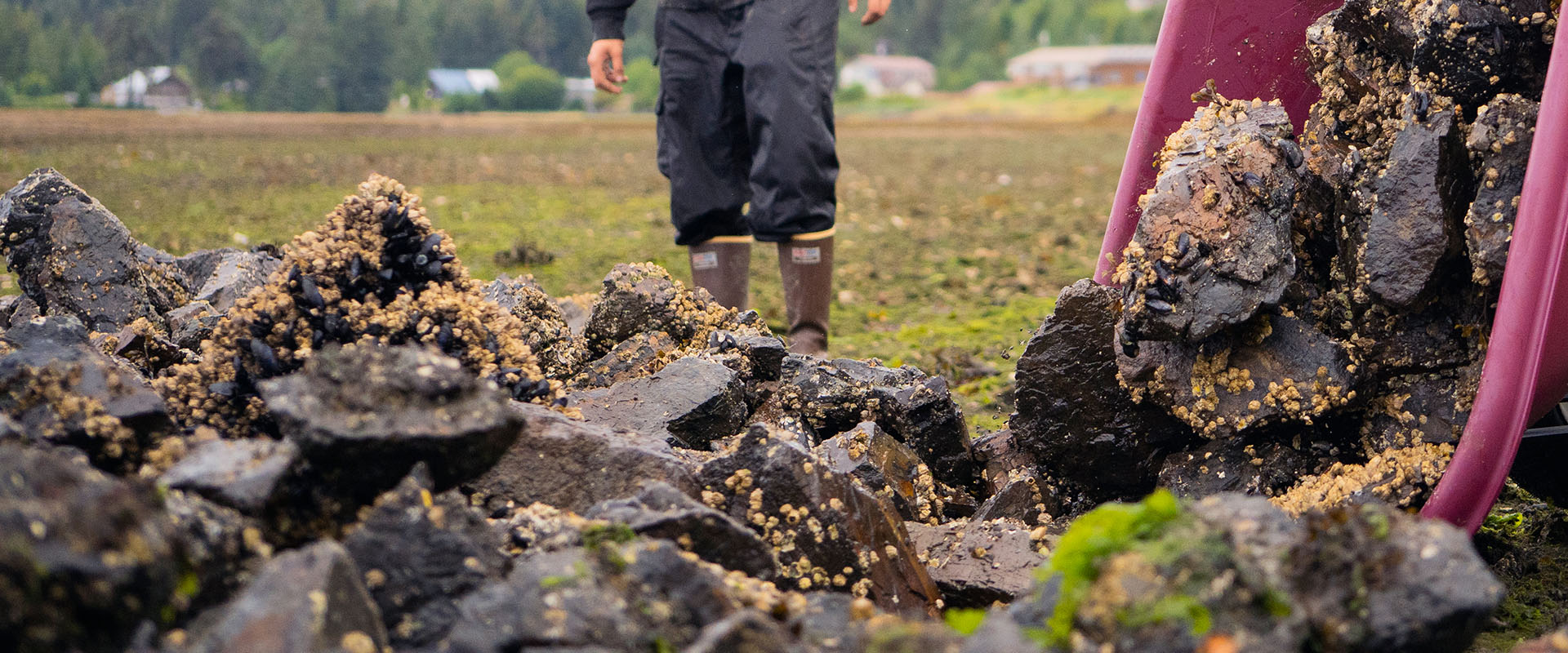
  • Clam bed restoration and expansion to address flooding and beach erosion
  • Reintroduction of ecocultural plants to prevent erosion
  • Beaver restoration to promote water retention and carbon sequestration
  • Cultural burning to sustain biodiversity
  • Grass farming to address desertification

In August 2024 six grants of $200,000 were awarded to support Native community-based projects that will build adaptive capacity and disaster preparation through the application of Native knowledge and stewardship.

2024 Advancing Tribal Nature-Based Solutions Grantees

This project is based on recollecting and applying Nüümü plant knowledge, which remains the best foundation for sustainable food, fiber, and medicine systems locally. Community members will become re-acquainted with native plant relatives, re-building harvesting and stewardship relationships and cultural-ecosystem balance. Cultural Plant Monitors will work alongside the THPO’s existing Tribal Monitors who specialize in archaeological surveying. Their monitoring and conservation work will advance Tribal land access, control, and protections, subsistence plant utilization, native seed-banking, and continued stewardship and restoration of homelands on and off the reservation. Special trainings and community-based oral history and archival research will teach ecological insights that can re-build ecosystem health and implement climate solutions at scale.

This project draws on the traditional knowledge base of effective land stewardship that has shaped regions for thousands of years. Perspectives surrounding traditional fire, application of ecocultural plants to cultivate resilient homes, and restoration of cultural landscapes and common spaces will be applied to a comprehensive Tribal Climate Adaptation Plan (TCAP). Community members will be engaged in Tribal Climate Adaptation Planning process to ensure the incorporation of traditional knowledge and nature-based stewardship practices in identifying climate risks and priorities. The TCAP will prioritize the creation of programs that reduce the number of days Tribal members are without power and impacted by wildfire smoke and increase the number of acres treated with cultural burns and revegetated with ecocultural plants.

This project will support East Molokaʻi Wetland Community Restoration work to address severe environmental challenges impacting Molokaʻi, such as sea-level rise, climate-induced storm surges, flooding, severe upland run-off, and deforestation-related sedimentation. These issues have significantly degraded wetland habitats, traditional wetland agroecology, and aquaculture systems, such as loʻipūnāwai (spring-fed taro pondfields) and loko iʻa (fishponds). Community members will participate in educational workshops and hands-on restoration activities to restore and maintain loʻipūnāwai and loko iʻa, which will enhance water quality, promote biodiversity, and provide critical ecosystem services. These activities will train the next generation in the management of sustainable Hawaiian agroecological systems.

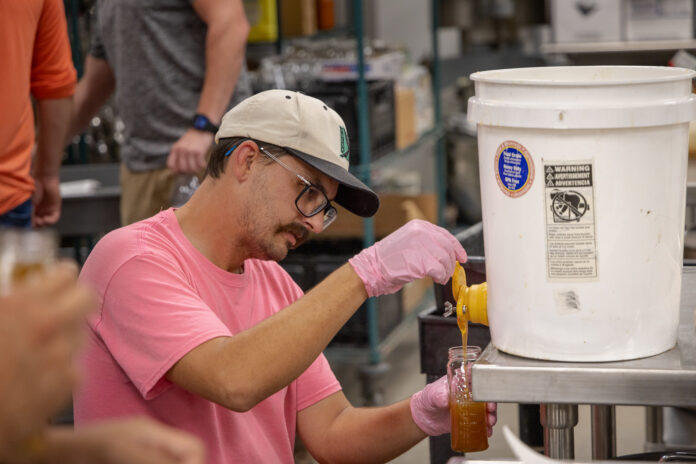
This project will increase the Osage Nation’s apiary, while subsequently improving biodiversity within the bison preserve through the growth of pollinator habitats to repair the deficient prairie ecosystem. Significant weather and climate events have negatively impacted the Nation’s bison herd over the last few years; low pollinator populations within the ecosystem have led to a decrease in grazing consumables. Community members will be trained in apiary management techniques and increase pollinator populations throughout the tallgrass prairie ecosystem, which will support greater vegetation growth through the prairie preserve. Education materials, apiary tours, and public technical assistance training for community members who wish to develop their own pollinator habitats will also be offered.

This project will advance food sovereignty, stewardship practices, and land management for the tribe through two areas of focus. Community members will receive training to restore and maintain the shellfish bed, which will be utilized by Tribal members for traditional gathering and serve as a long-term sampling site for the Natural Resources Department for native clams and oyster population health. The shellfish bed will also become an established site for promoting education of Indigenous practices, increasing the physical and mental health of Tribal members. The tribe will also create a burn plan to restore cultural burning practices. After the cultural burn community members will participate in invasive species removal and spot treatment, and reseed native ecocultural species. Both projects will promote tribal stewardship to ensure these lands are protected as the climate changes.

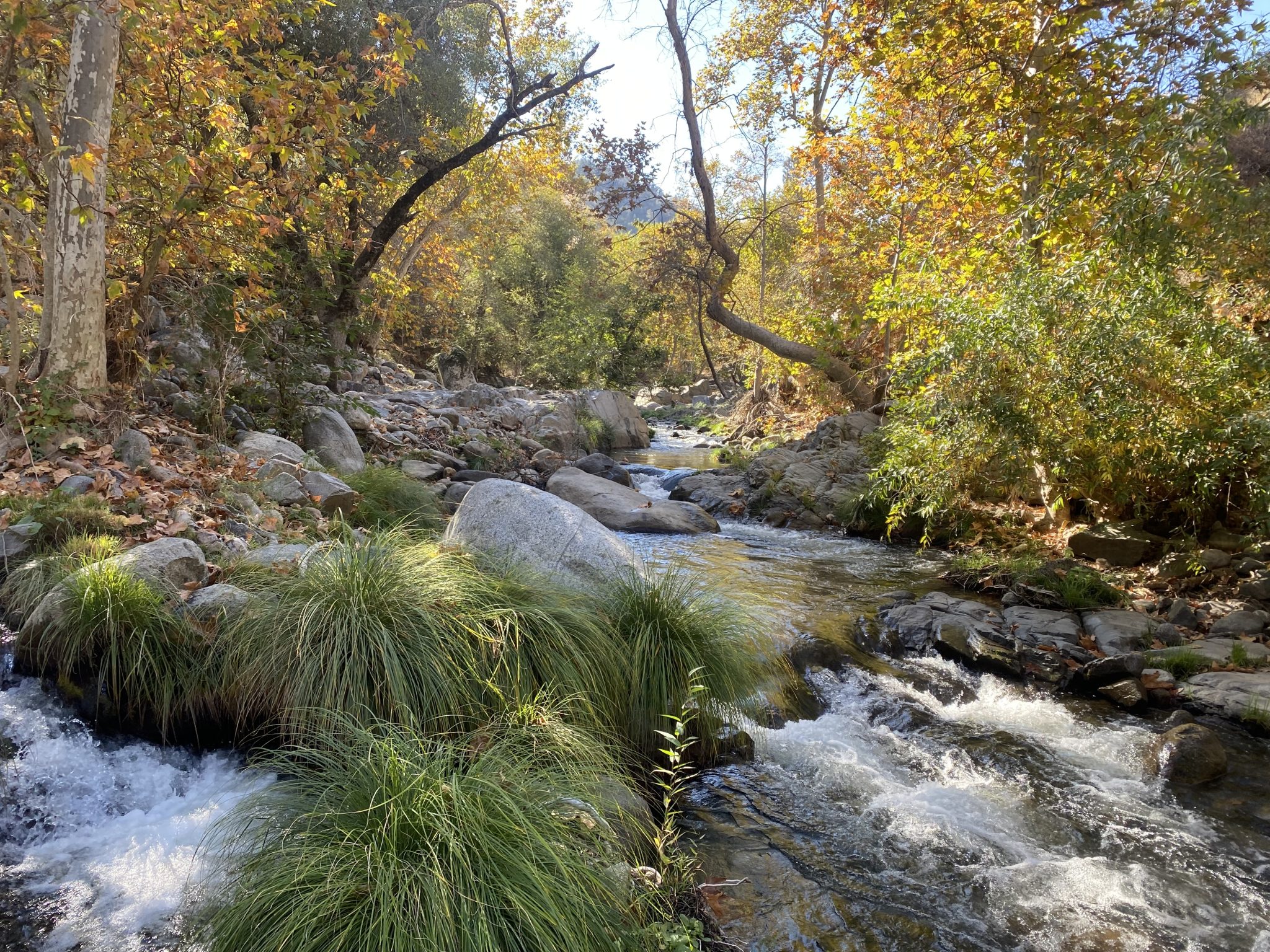
Through this project, the Tule River Indian Tribe will utilize traditional knowledge and hands-on approaches to create diverse riparian and aquatic ecosystems within trust lands by implementing nature-based solutions such as meadow restoration and cultural burning. Five main activities will be focused on riparian restoration, wet meadow enhancement, and wildland fire risk reduction including installing beaver-dam analogues and post assisted log structures, reintroducing cultural burning to riparian zones, planting ethnobotanical riparian species, enhancing culvert outflow into the floodplain, and improving ponding for wildland firefighting use. Healthy riparian zones will reduce flood risk and cultural burning practices, based on generations of indigenous knowledge, will help maintain biodiversity, reduce fuel loads, and guide ecosystem succession towards a more natural mosaic landscape benefitting people’s well-being and the environment.

Awarded Grants

2025

Honor the Water

2025 Honor the Water

$75,000
Seeds of Harmony, Inc. az Created with Sketch. Round Rock, AZ

Description

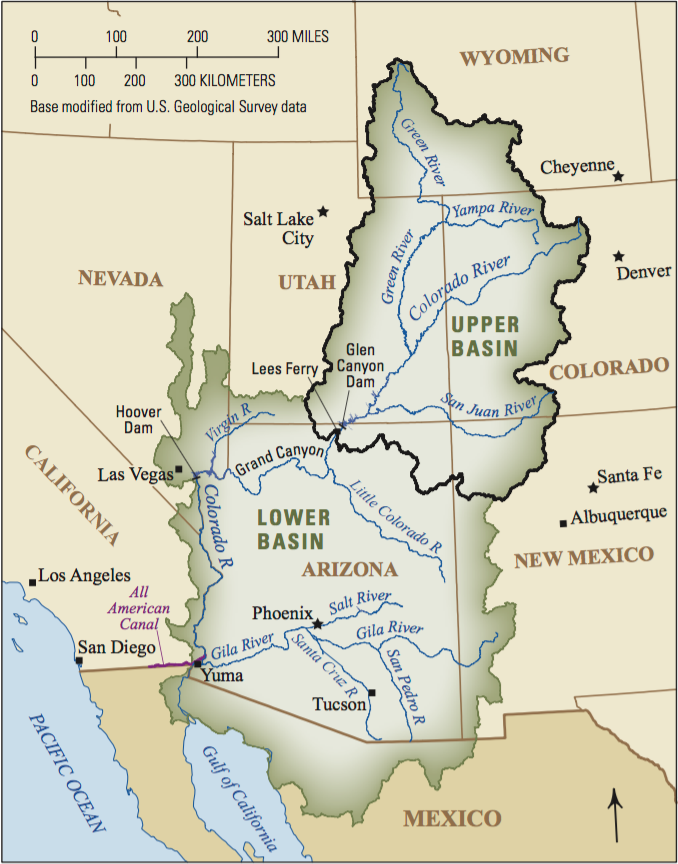
This project will grow adaptive capacity to increase civic action to plant the rain to retain water within the watershed to minimize erosion, restore native vegetation/habitats, and increase soil moisture, to drive action toward preparing for rising temperatures within the Colorado River Basin.

2025

Colorado River Indian Tribes Nature - Based Conservation

2025 Colorado River Indian Tribes Nature - Based Conservation

$75,000
Colorado River Indian Tribes az Created with Sketch. Parker, AZ

Description

This project will support the restoration of Willows, Mesquite and Cottonwood vegetation in riparian areas to reduce hazardous fuels and erosion that pose wildfire threats in recreation areas, increase habitat conservation and enhance water quality.

2025

Bears Ears Water Quality Plan Development

2025 Bears Ears Water Quality Plan Development

$75,000
Bears Ears Inter-Tribal Coalition nm Created with Sketch. Albuquerque, NM

Description

The project will support information gathering, planning, and decision making by Tribal leaders and experts with the ultimate goals of setting water quality standards and outlining a collaborative water monitoring program for Bears Ears National Monument.

2025

Restoring Tribal Waters Through Nature-Based Solutions

2025 Restoring Tribal Waters Through Nature-Based Solutions

$75,000
Southern Ute Indian Tribe co Created with Sketch. Ignacio, CO

Description

The project supports the Southern Ute Indian Tribe’s (Tribe) natural resources through low-tech process-based restoration that enhances riverine processes, expands riparian habitat, reduce nonpoint source pollution, improve water quality and strengthen Tribal Climate resiliency.

2025

DNR - Pasture Canyon Restoration

2025 DNR - Pasture Canyon Restoration

$75,000
The Hopi Tribe az Created with Sketch. Kykotsmovi Village, AZ

Description

Restore native riparian vegetation, remove invasive species, and improve habitat for plants, wildlife, and aquatic species in and around Pasture Canyon Reservoir to strengthen ecological health, cultural use, and long-term watershed resilience.