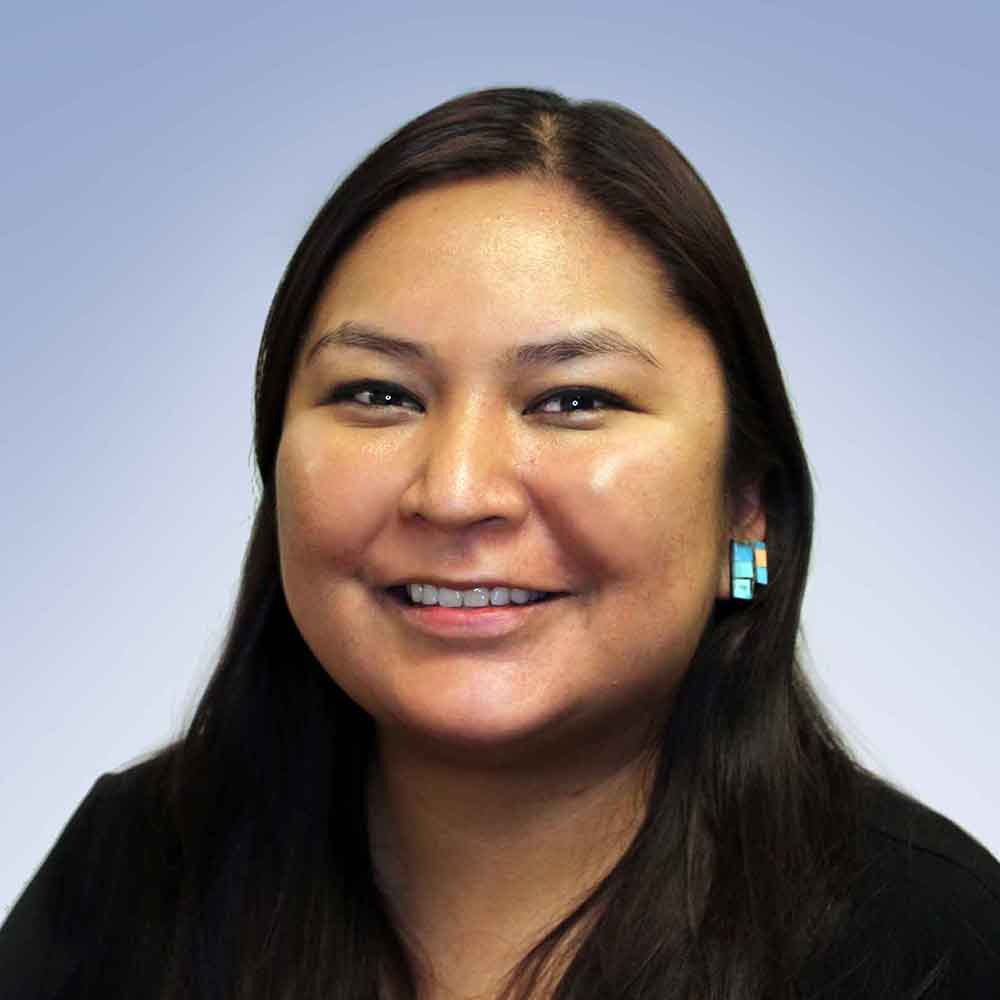

Brandi Russell
Program Officer, Stewarding Native Lands
Lower Brule Sioux Tribe

 First Nations’ Climate Initiative invests in Native-led stewardship to increase local adaptative capacity to respond to climate change, creating the potential for transformative change for our Earth.
Native communities have cultivated and relied on traditional knowledge over thousands of years. This knowledge has shaped biodiversity and supported subsistence lifeways that are distinctively integrated with ecosystems. Traditional knowledge has guided climate adaptation. However, the increasing pace of climate change, combined with diminished access and control over their ancestral lands and waters, have left many Native communities highly exposed to wildfire, drought, warming temperatures, flooding and other effects of extreme weather.
The Intergovernmental Panel on Climate Change reports that climate change affects Indigenous peoples more severely and earlier than other populations, because tribal subsistence and cultural practices are dependent on healthy ecosystems.
Centered on addressing the ongoing and anticipated impacts of climate change, First Nations’ Climate Initiative provides Tribes and Native communities with resources to increase their adaptative capacity and disaster preparedness. The initiative invests in Native-led strategies rooted in traditional knowledge that support carbon sequestration, healthy ecosystems, biodiversity, and traditional lifeways.
This initiative is made possible thanks to generous contributions from Margaret A. Cargill Philanthropies, Waverley Street Foundation, Bezos Earth Fund, and many anonymous donors.

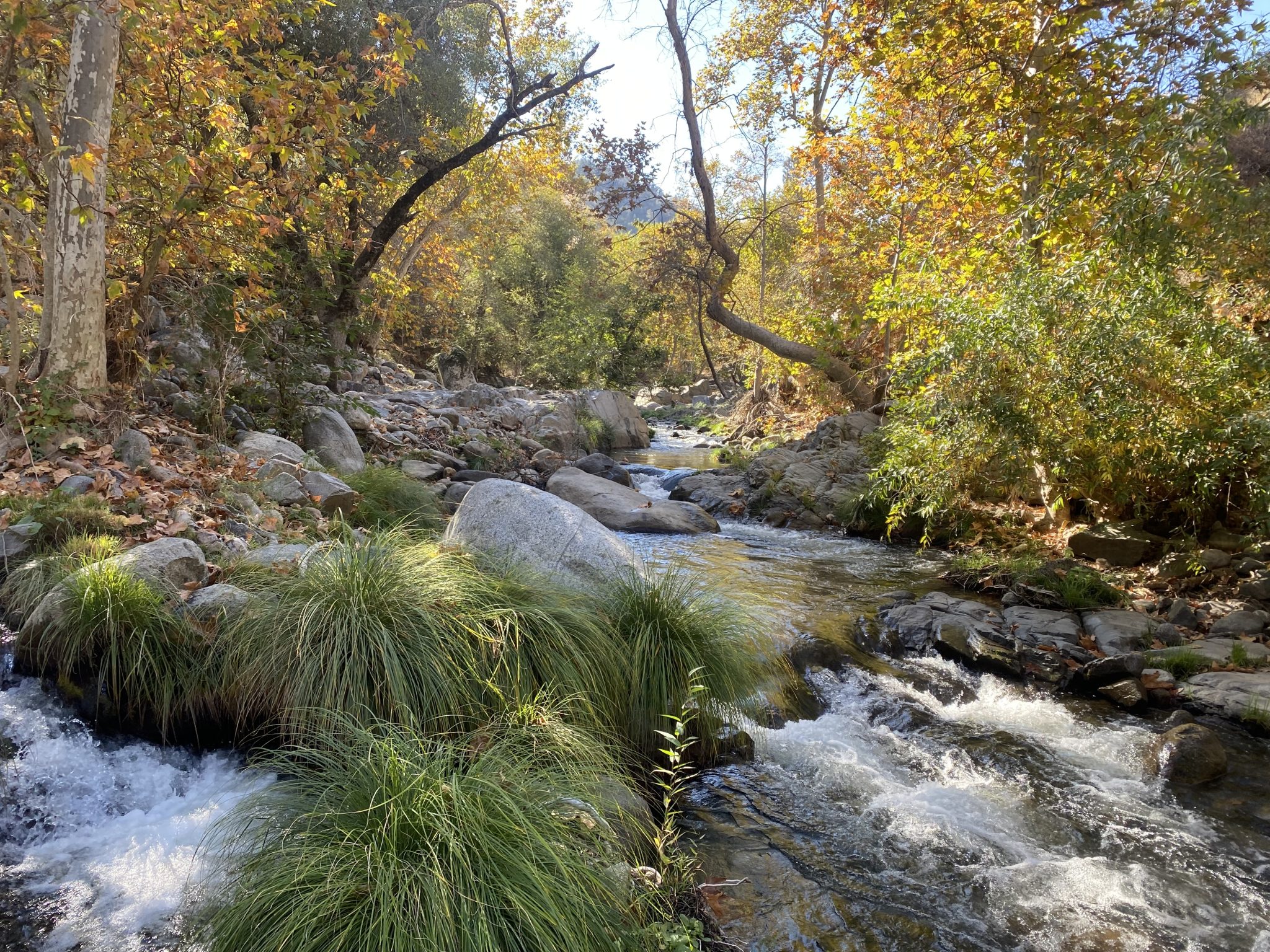
The Giant Sequoia is a powerful symbol of strength for the lands and people of the Tule River Indian Tribe. Towering more than 300 feet tall, many of these trees have withstood fires and droughts for ...

In 2022, First Nations launched the Green Jobs in Indian Country Project, awarding 10 grants averaging $100,000 each to eligible Native organizations developing a workforce to address the increasing e...
This project will support participation in the Shared Sun Collective – a group of Native-led and Native-serving resources providers committed to advancing renewable energy projects through collaboration and knowledge sharing.
This project will support participation in the Shared Sun Collective – a group of Native-led and Native-serving resources providers committed to advancing renewable energy projects through collaboration and knowledge sharing.
This project will support participation in the Shared Sun Collective – a group of Native-led and Native-serving resources providers committed to advancing renewable energy projects through collaboration and knowledge sharing.
This project will support participation in the Shared Sun Collective – a group of Native-led and Native-serving resources providers committed to advancing renewable energy projects through collaboration and knowledge sharing.
This project will support participation in the Shared Sun Collective – a group of Native-led and Native-serving resources providers committed to advancing renewable energy projects through collaboration and knowledge sharing.
This project will strengthen Menominee-led stewardship of land, water, forest, and wildlife, including buffalo relatives, through traditional knowledge. This project will support research, habitat restoration, and youth engagement that ultimately advances climate adaptation and cultural health.
This project will create a strategy that reflects traditional values and concepts to advance BCC's goal to become a net zero campus and strengthen institutional capacity. This project will also restore Iinii (bison) and native grasslands while integrating Piikani Knowledge into workforce training.
This project will continue to build collaborative relationships throughout the Bering Strait region to advance green energy and food security education initiatives, supporting communities address and prepare for the impacts of climate change that significantly affect their way of life.
This project will support capacity building for Sipayik Resilience Committee to host three educational events relating to climate resilience and energy sovereignty for the Wabanaki Tribal Nations.
This project will restore wetland ecosystems while expanding community understanding of the role beavers play in watershed health. This project will also improve water quality and increase water retention on the landscape, and address landowner concerns about coexistence-based beaver management.
This Beaver Pond Levelers project will restore and conserve wetland and riparian habitats, strengthen biodiversity, and support sustainable beaver populations. The project promotes long-term coexistence between humans and beavers through non-lethal management practices.
This project will restore healthy watershed function, reduce human–wildlife conflict, and strengthen ecological resilience across the Blackfeet Reservation. The project uses beavers as a natural tool for habitat restoration while balancing the need for landowners and elders.
This project will support the Cowlitz Tribe's beaver relocation and restoration program by building programmatic capacity to monitor beaver activity at relocation sites. This project will support the development of novel monitoring methods and provide critical data to determine relocation success.
This project will support the Pueblo of Santa Clara's planning efforts to develop a wildlife management plan and strategy that includes beaver. This project will increase the capacity of the Forestry Department to restore healthy beaver populations to lands impacted by the Conchas Wildfire.
This project will build capacity towards better tribal management of reintroduced beavers (Castor Canadensis) on Tule River Tribal land.
This project will support the Pueblo of Zuni's planning efforts to develop tribal policies around beaver relocation and update the Wildlife Management plan to incorporate beaver. This project will also increase community education on co-existence through public workshops and forums.
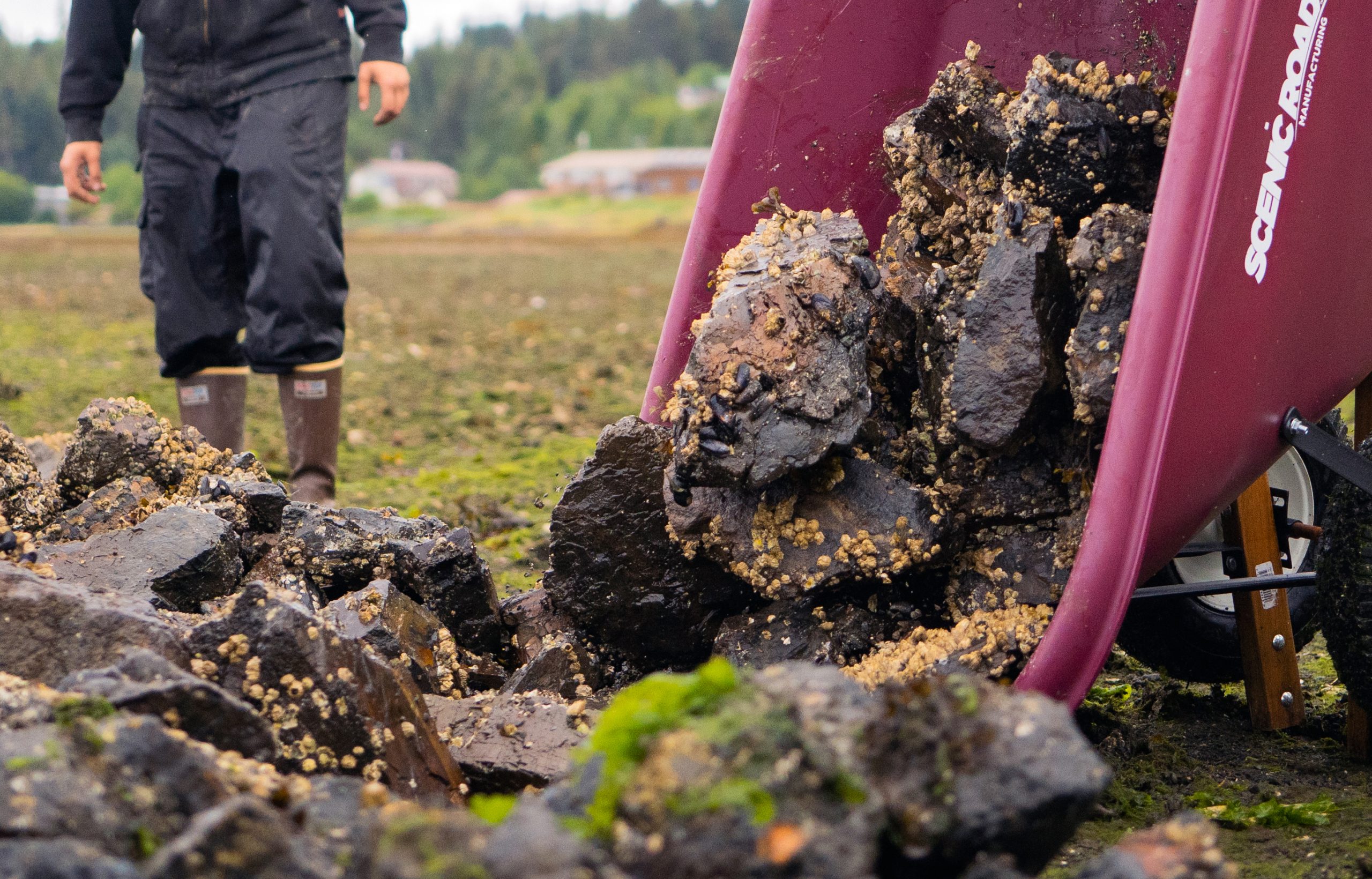
This project will restore critical spawning habitat for walleye - an ecocultural species for the Sokaogon Chippewa Community - in Franklin Lake. A man-made rock reef will be installed on the bed of Franklin Lake to improve the quality of walleye spawning habitat during normal and low-water levels.
This project will elevate tribal renewable energy projects through community education and in-person gatherings. This project will also support the People of the Sun gathering, an immersive experience centering Indigenous-led clean energy innovation, cultural expression, and economic opportunity.
Our project will assist tribes with native plant restoration to improve support of pollinator populations threatened by climate change to bolster the health of Native people and lands. Tribes will be assisted by capacity building, onsite technical assistance, and delivery of plants and equipment.
This project will grow adaptive capacity to increase civic action to plant the rain to retain water within the watershed to minimize erosion, restore native vegetation/habitats, and increase soil moisture, to drive action toward preparing for rising temperatures within the Colorado River Basin.
This project supports the restoration of willows, mesquite and cottonwood vegetation in riparian areas to reduce hazardous fuels and erosion that pose wildfire threats in recreation areas, increase habitat conservation, and enhance water quality.
The project supports information gathering, planning, and decision making by tribal leaders and experts with the ultimate goals of setting water quality standards and outlining a collaborative water monitoring program for Bears Ears National Monument.
The project supports the Southern Ute Indian Tribe’s natural resources through low-tech, process-based restoration that enhances riverine processes, expands riparian habitat, reduces nonpoint source pollution, improve water quality, and strengthens tribal climate resiliency.
This project restores native riparian vegetation, removes invasive species, and improves habitat for plants, wildlife, and aquatic species in and around Pasture Canyon Reservoir to strengthen ecological health, cultural use, and long-term watershed resilience.
This project aims to restore ecological balance within the Colorado River Basin by supporting the strategic removal of feral equids. This removal will prevent further erosion, reestablish native habitat, eliminate competition for native species, and improve watershed health.
Our project will strengthen SM’s organizational capacity through strategic planning, staff development, and travel support—ensuring our Native-led nonprofit can sustain and scale programs in food sovereignty, renewable energy, and climate resilience to serve Molokai’s community for generations.
The Kuskokwim River Inter-Tribal Fish Commission will utilize legal representation as we continue to uphold rural subsistence rights in Alaska, while also upholding the participation of local people, elected by the Tribes, in the co-management of Kuskokwim salmon.
This project supports the Tribe’s establishment of a LiDAR based forest inventory and growth modeling system. This baseline dataset will enable the tribe to conduct economic, ecological, and cultural analysis to guide entry into innovative emerging carbon, water, and biodiversity markets.
This project builds capacity of the confederation to restore cultural and prescribed fire for sustainable forest management. The tribal fire service will conduct research into improved soil carbon sequestration which can lead to increased water storage, nutrient availability, and site productivity.
This project builds the capacity of the Tribe by supporting a feasibility study to assess the ecological health of tribal forest lands. The study evaluates sustainable, income-generating opportunities that ensure long-term forest stewardship and economic viability.
This project is supporting the development of a Comprehensive Natural Resource Management Plan for economic development and forest stewardship on Tribal lands. The Plan will weave local traditional knowledge with innovative strategies to turn forest resources into marketable products.
This project supports Dot Lake Village in conducting a feasibility study to explore sustainable forest management through selective harvesting, replanting, and biodiversity protection. This will strengthen the tribal economy, support Native-led stewardship, and promote long-term forest health.
This project supports tribal capacity to market forest products for producing log home kits and cordwood biomass fuel from timber. This project will reduce housing costs, lower heating expenses, create jobs, and improve forest resilience through targeted thinning and hazardous fuels reductions.
This project enhances tribal access to traditional lands and natural resources while promoting employment and advancing economic development on the reservation. A feasibility study will examine land use, restoration strategies, and yield a master planning document for the Lake Talawanda watershed.
This project supports the capacity of the Tribe’s environmental department to establish culturally informed, regenerative, and less harmful economic development by utilizing the natural resources of tribal trust lands through forestry and other agribusiness-focused pursuits.
This project builds tribal capacity to create a biochar enterprise using mobile pyrolysis kilns to convert invasive and wildfire prone vegetation into high value soil amendments. Traditional knowledge guides feedstock selection to improve forest health and generate revenue through biochar sales.
The Osage Nation
The project will support the increase of the pollinator habitat on Osage Nation land, leverage existing staff through apiary management training, and create a more sustainable tallgrass prairie ecosystem to aid in sound bison management, prevent erosion, and become more adaptable to changes in climate.
Confederated Tribes of the Grand Ronde Community of Oregon
This project will create a new Tribal Climate Adaptation Plan (TCAP) to increase the community's use of green infrastructure, retain culturally-significant natural resources and leverage nature-based solutions in a changing climate.
Shoalwater Bay Indian Tribe of the Shoalwater Bay Indian Reservation
The Shoalwater Bay Indian Tribe will utilize these grant funds to further food sovereignty and TEK practices of land management for the Tribe. The projects will protect and promote resilient cultural use and recreational areas and ensure ability to access these locations as the climate changes.
Native Hawaiian
This project aims to leverage traditional agroecological practices to restore coastal wetlands. By revitalizing degraded wetlands, the project increases flood control, water management, and habitat. Through restoration efforts and community engagement, the project aims to create an ecosystem that is more resilient to natural disasters and improves overall community well-being.