Conservation easements are meant to protect nature, but for tribes they often stand in the way of securing federal trust status. At the same time, placing land into federal trust can better position tribes to protect and steward that land for the long term.
This upcoming webinar shares new legal research examining pathways to successfully place easement-encumbered land into federal trust. The webinar will cover:
- Why Tribal Nations seek to transfer ancestral lands into federal trust
- Options for Tribal Nations to protect conservation values on the lands they own
- How existing conservation restrictions can remain enforceable even after land enters federal trust.
Hosted on Tuesday, June 23, 2026, at 1 pm MT.
About the Speakers

Curtis Berkey
Curtis Berkey has represented Indian tribes and tribal organizations for his entire 47-year legal career. He served as a staff attorney for 16 years at the Indian Law Resource Center in Washington, D.C., where he litigated tribal land claims in federal court. He was a senior trial lawyer at the U.S. Department of Justice in the Indian Rights Section from 1995 to 1997, focusing on tribal water rights cases. Since 1997, he has worked in private practice in California, focusing principally on land conservation transactions, water rights litigation and negotiation, cultural resource protection, and tribal sovereignty issues.
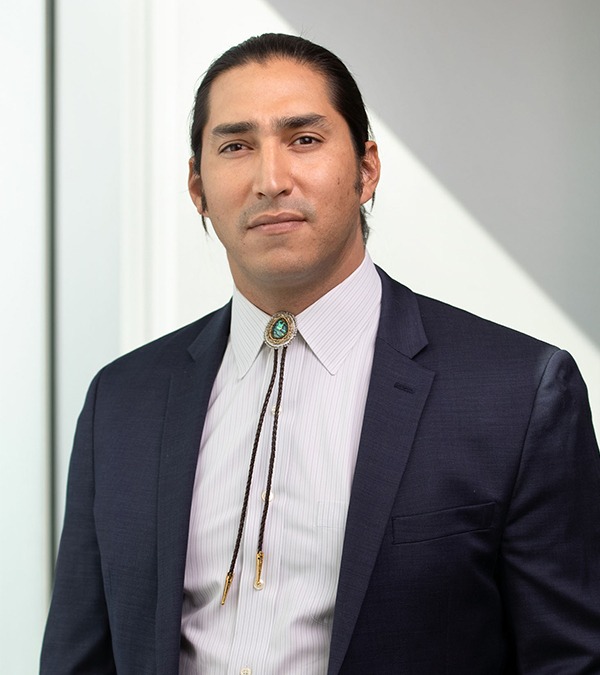
Michael-Corey Hinton
An attorney at Drummond Woodsum, Corey Hinton leads the firm’s Tribal Nations Practice Group, advises Tribal Nations, Tribe-owned entities, and entities that interface, with Tribes on federal Indian law and policy, the Indian Gaming Regulatory Act, employment matters, economic development, environmental and natural resource issues, and the fee-to-trust process. A citizen of the Passamaquoddy Tribe (Sipayik), Corey draws from a uniquely deep well of experience to deliver significant value to his clients. Prior to joining Drummond Woodsum, Corey spent time at the National Indian Gaming Commission and the Senate Committee on Indian Affairs. He is the former president of the Native American Bar Association of Washington, D.C.

Shae Kamakaala
Born and raised in Hawaiʻi, Shae Kamakaala’s work is grounded in right relationship to first peoples and a commitment to ensuring that legal tools support community well-being and cultural stewardship. Shae served as Director of ʻĀina Protection and General Counsel for Hawaiʻi Land Trust, leading statewide land conservation acquisitions and conservation easement stewardship. She guided projects from vision to closing, aligning permanent land protection with community priorities and cultural values. Earlier, her work with the State Department of Land and Natural Resources’ Division of Aquatic Resources, Ka Huli Ao Center for Excellence in Native Hawaiian Law at the William S. Richardson School of Law, Townscape, Inc., and The Nature Conservancy focused on administrative rulemaking, community-based resource management, urban and regional planning, and collaborative governance.

Thomas Linzey
Thomas Linzey serves as senior legal counsel for the Center for Democratic and Environmental Rights. He is widely recognized as the founder of the contemporary “community rights” and “rights of nature” movements that have resulted in the adoption of several hundred laws across the United States and around the world. Linzey is the author of On Community Civil Disobedience in the Name of Sustainability and other books, and his work has been featured in the New York Times, The New Yorker, Los Angeles Times, Mother Jones, and The Nation. He has been named one of Forbes’ “Top Ten Revolutionaries,” and one of the top 400 environmentalists of the last 200 years in American Environmental Leaders. Linzey lives in Spokane, Washington.