Impact Story
Luce Indigenous Knowledge Fellows Perpetuate Native Lifeways and Ingenuity
There are 574 federally recognized tribes in the United States, along with 400 more that are not federally recognized. Tribes range from the largest and most populous Navajo Nation in the Southwest, to the smallest and least populous Augustine Band of Cahuilla Indians in California.
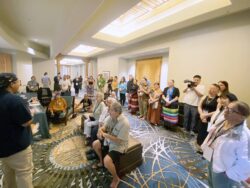
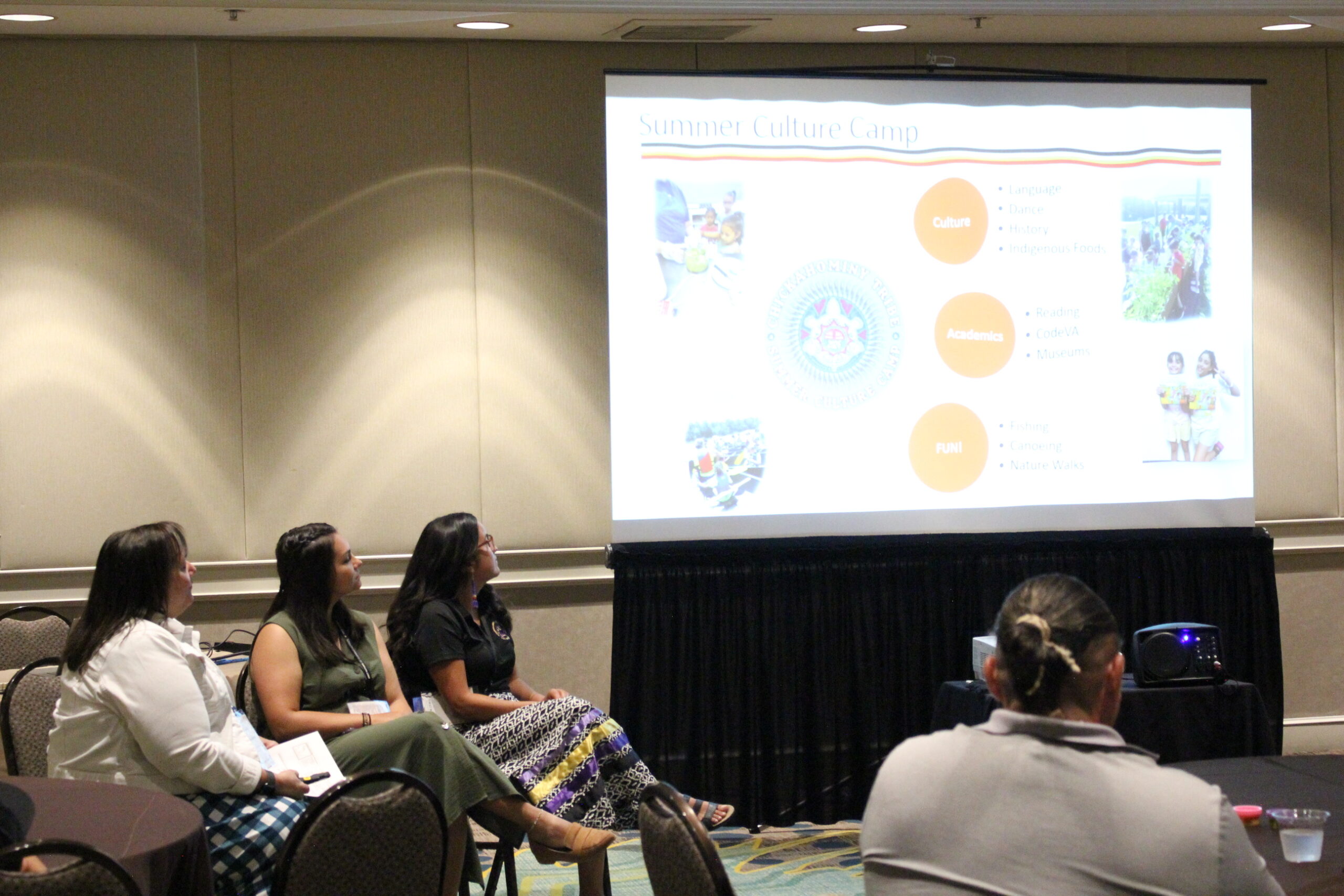
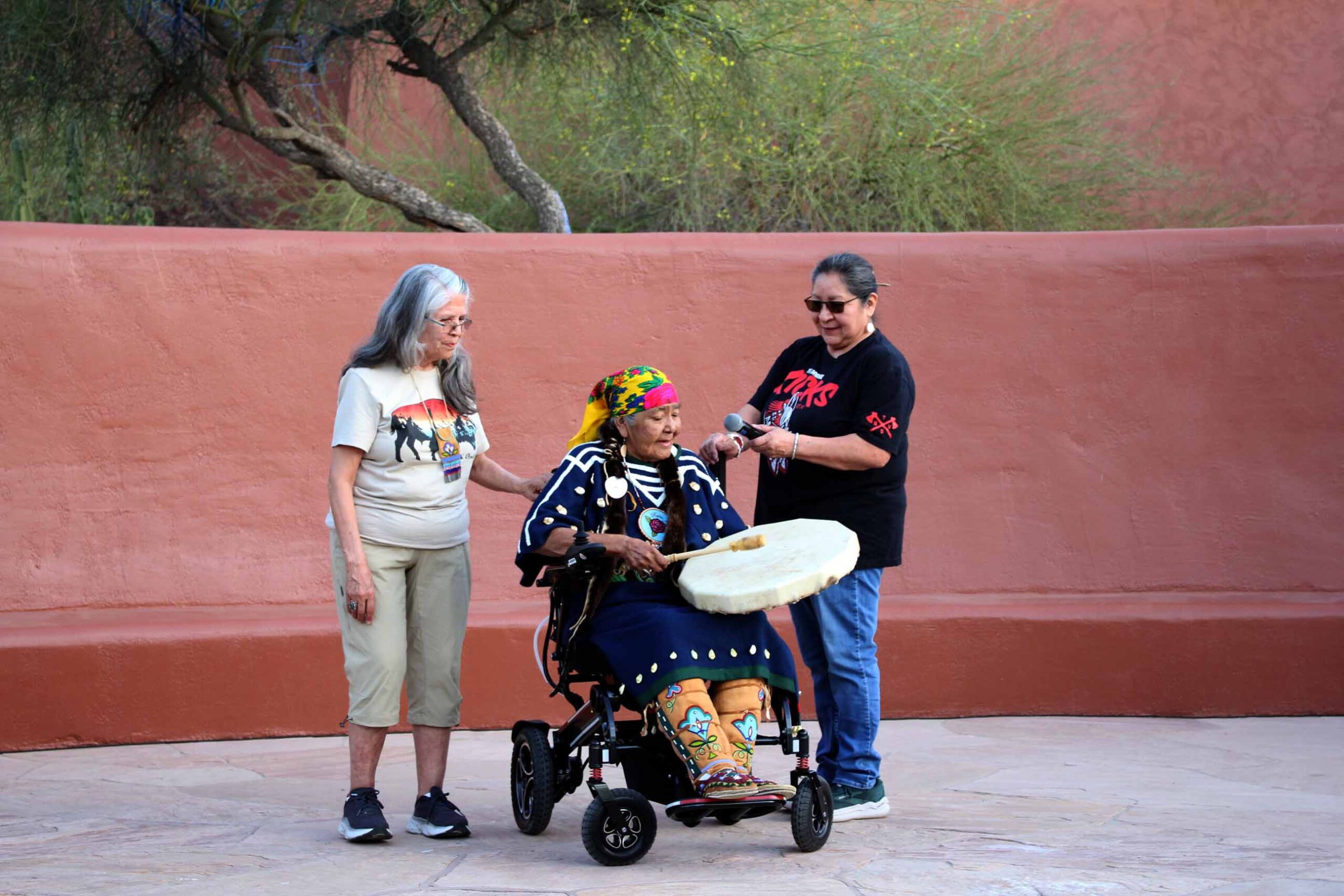
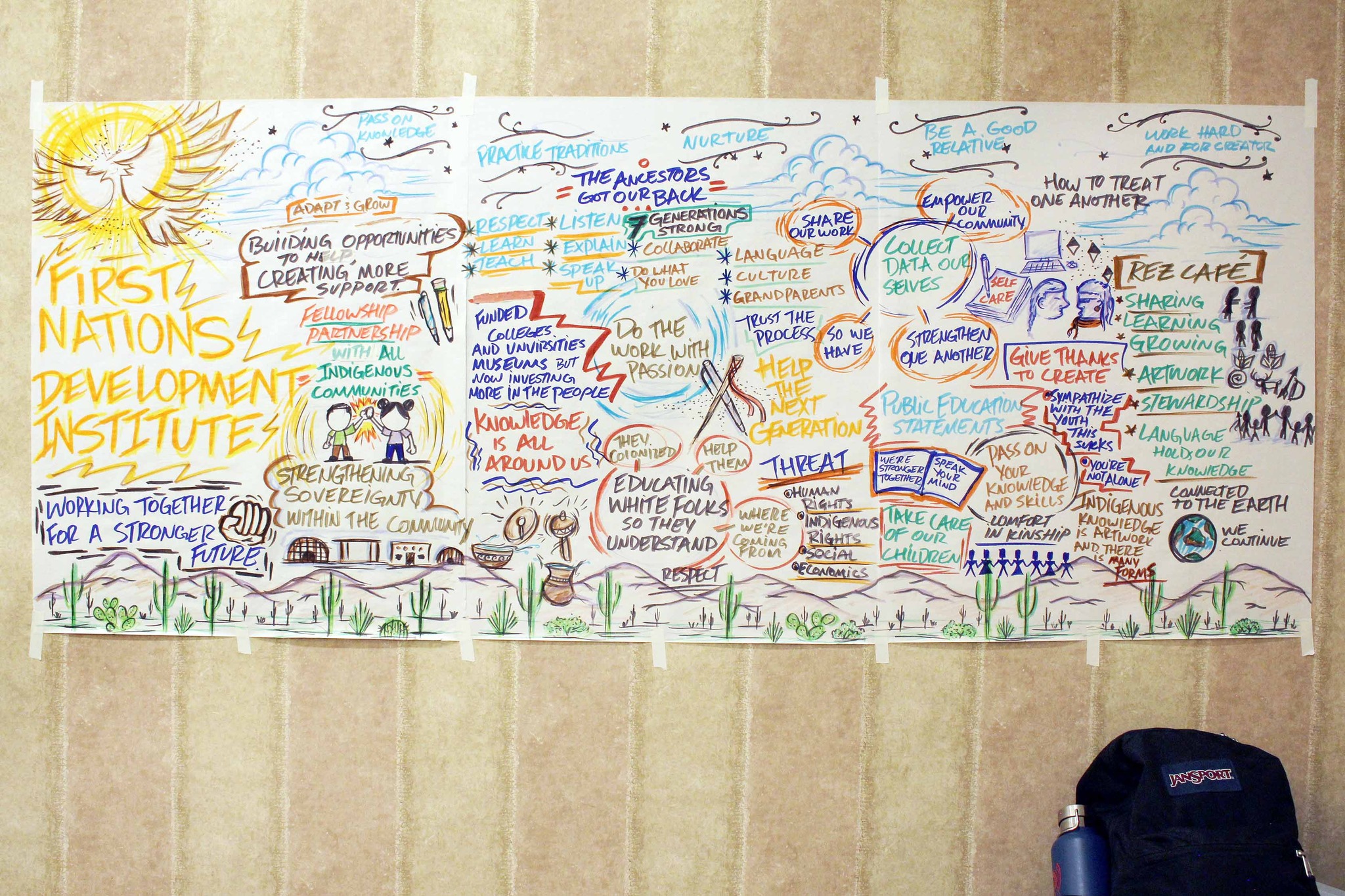
In March 2025 First Nations hosted the first all-cohort gathering of the Luce Indigenous Knowledge Fellowship.
Backing each tribe are robust and unique knowledgebases that are not only rooted in centuries-old wisdom, but also continuously evolving, providing a rich resource for understanding and managing the challenges that many communities face today. Indigenous knowledge is not only a knowledgebase, it is an Indigenous perspective that informs future learnings and interactions. It is both know-how and approach.
Raymond Foxworth, Ph.D., Program Director for Indigenous Knowledge at the Henry Luce Foundation, explains that, historically, colonial policy targeted Indigenous knowledge systems for extermination, and Indigenous knowledge was viewed as a barrier to progress for Indigenous peoples and communities.
“Despite this history, Indigenous knowledge systems have continued, and today there is growing recognition by larger society that Indigenous knowledge systems are important for Indigenous communities and for global society,” Dr. Foxworth says.
This is why more and more people are turning to Indigenous knowledge for solutions to sustainable agriculture, climate change, social justice, and more.
For example, it’s been found that the most ecologically intact landscapes and areas left on the planet are those managed by Indigenous Peoples – drawing on Indigenous knowledge. Case in point, land managers are increasingly looking toward Indigenous fire ecology knowledge and practices to help prevent the widespread destruction of natural and human resources.
As another example, Native food systems built on Indigenous ideals and knowledge promote wellness. Through a Native lens, nutrition is about reciprocal relationships with the land, water, and plant and animal relatives. Native communities in which traditional foods are introduced and incorporated into children’s diets experience greater health impacts for future generations.
Acknowledging, celebrating, and amplifying Indigenous knowledge – for the good of not only Native communities but for all of society – is the basis First Nations Development Institute’s Luce Indigenous Knowledge Fellowship.
About the Indigenous Knowledge Fellowship
Under a grant from the Henry Luce Foundation, First Nations launched the Luce Indigenous Knowledge Fellowship in 2020 to promote intellectual leadership in Native American communities by supporting outstanding Native Americans who hail from a wide variety of fields and who utilize different modes of expression in communicating their knowledge and work.
The goal of the fellowship is to identify, support, and convene Native American knowledge holders and knowledge makers who have the potential to significantly move forward their fields in ways that will ultimately lead to broad, transformative impacts for Native communities and beyond.
About the Fellows
The fellows’ knowledge fields range from language, environmentalism, and artistry, to health and wellness, Tribal Sovereignty, and more.

Richard Moves Camp, Oglala Sioux
For example, Richard Moves Camp, Oglala Sioux, is a Traditional Healer. His work reinforces cultural identity and improves self-esteem and self-efficacy of Native peoples at high risk of suicide, violence, and addiction. Through the Fellowship, Moves Camp is formalizing his traditional teachings by developing a written curriculum to equip urban and rural organizations and community leaders with culturally responsive strategies for addressing contemporary issues and preparing future Native leaders. The fellowship is enabling Moves Camp to amplify the traditional view of health and wellness, share his ancestors’ philosophies, and transfer knowledge using new tools and instruments to help young people learn, grow, and heal.

Charlene Stern
Luce fellow Charlene Stern, Native Village of Venetie Tribal Government, is working with the remaining elders in her community to document their traditional knowledge and contributions to key tribal political developments in Alaska. A scholar, she is focus on meaningful research for her tribe and documenting the stories and life experiences of Gwich’in elders who have played a key role in the Tribal Sovereignty movement in Alaska and who are among the last generation of fluent language speakers to be raised on the land and in the traditional lifestyle of the Neetsąįį Gwich’in.
And, Anton Treuer, Leech Lake (descendant), a professor at Bemidji State University, is working closely with apprentices on a major Ojibwe language and culture preservation and revitalization initiative to deepen the Ojibwe language knowledge and accomplishments of the apprentices so that they can continue efforts to preserve and revitalize Ojibwe. Treuer’s goal is to catalyze the growth of the apprentices in these areas through intentional master-apprentice model application.
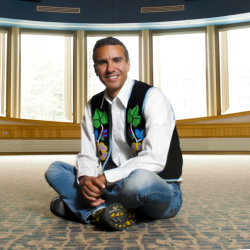 These fellows are just a few examples of the scholarship and contributions to Native communities happening through this program. Since it launched in 2020, 55 Luce Indigenous Knowledge Fellows, representing six cohorts of the fellowship, have been selected from hundreds of applicants, each one revered for their exceptional creativity and progressive and critical thinking. “These fellows are doing important work to carry on and advance Indigenous knowledge systems and lifeways to improve their communities today and for future generations of Indigenous peoples and communities,” says Dr. Foxworth.
Notes
- “What is “Indigenous Knowledge” And Why Does It Matter? Integrating Ancestral Wisdom and Approaches into Federal Decision-Making,” The White House, New Updates, Accessed March 25, 2025.
- Renick, Hillary. “Fire, Forests and Our Lands: An Indigenous Ecological Perspective.” Invisible No More: Voices from Native America, edited by Foxworth, Raymond, et al, Island Press, 2023, p 81.
- First Nations Development Institute. (2024) “Native Nutrition Policy: Historical Context, Barriers and Solutions, and Recommendations for Advocacy and Policymakers.” Longmont, CO: First Nations Development Institute.