Impact Story
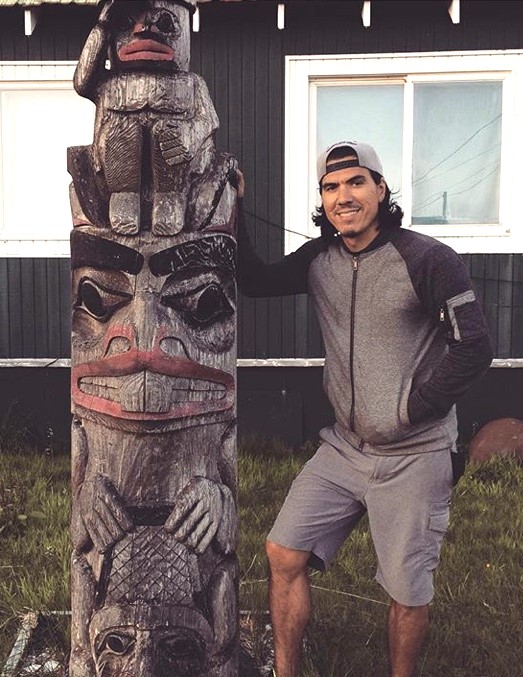
Young stands next to the first totem pole he carved that honors his grandmother.
At 19, TJ Young (Kaigani Haida) carved his first totem pole with his brother, Joe. Just 7 feet tall, the totem pole was dedicated to their late grandmother. Today, Young is renowned as a gifted Haida carver of signature totem poles and canoes. In 2023, the brothers carved a 20-foot totem pole to honor Native Americans who endured boarding schools. Deb Haaland, former Secretary of the U.S. Department of the Interior, blessed the totem pole before it was raised in Anchorage.
First Nations believes in the power and need for Native artistry, like Young’s. We believe that Native languages, arts, lifeways, and intergenerational knowledge transfer are at the heart of vibrant kinship systems and sustainable communities. They are the source of identity and strength that have sustained Native communities since time immemorial.
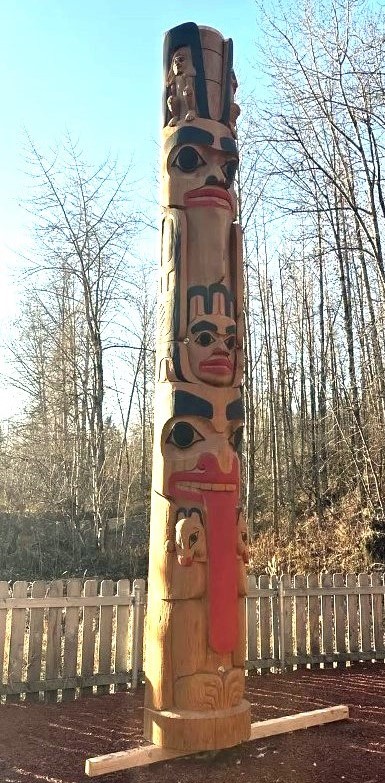
Young’s Boarding School Totem Pole was raised at the Alaska Native Heritage Center in Anchorage and blessed by former U.S. Department of the Interior Secretary Deb Haaland.
Through the years, Young has passed on his knowledge of traditional carving to the next generation. He has trained close to 20 apprentices, and it is one reason he was selected to be among First Nations’ celebrated Luce Indigenous Knowledge Fellows.
During his 2024 Luce Fellowship, Young helped build a multifunctional carving shop and creative gathering space in his hometown of Hydaburg called the “Haida Healing House.” The exterior resembles a traditional Haida longhouse. Downstairs, the insulated shop is large enough to carve totem poles, with ample heated space to also hold classes on traditional art forms, such as drawing, carving, drum-making, painting, and weaving.
A wealth of Native knowledge
Since First Nations launched the Luce Indigenous Knowledge Fellowship in 2020, we have recognized and supported 74 exceptional Native leaders, knowledge holders, and knowledge makers doing noteworthy work to advance Indigenous knowledge.
Selected fellows receive a monetary award of $75,000 and access to additional resources for training and professional development. They also commit to convening three times during the first year of the two-year fellowship as a community of practice to share and grow their knowledge, projects, and ambition to achieve their personal and community goals.
Through their fellowships, fellows work to advance their knowledge field in ways that will benefit their Native communities and society. Knowledge fields can include art, like Young’s totem poles, or other specialties, such as Native language, lifeways, food systems, and more.
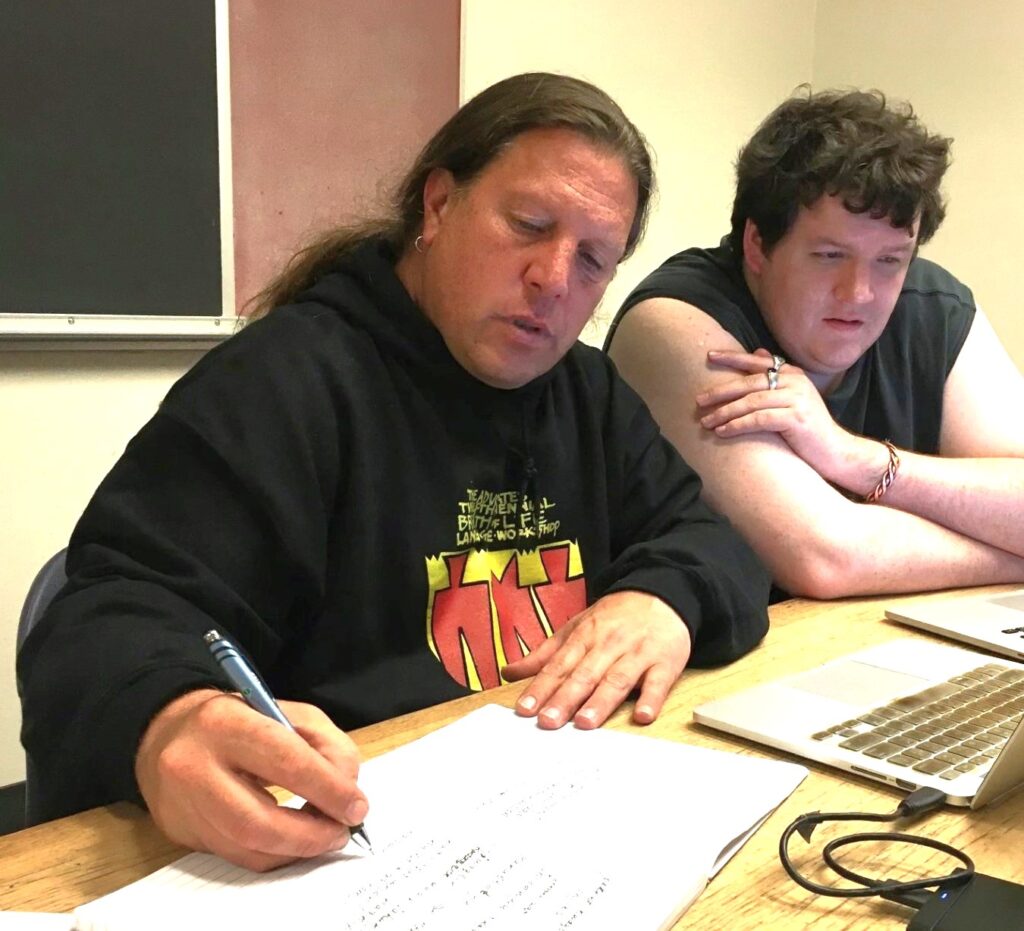
2024 Luce Fellow Matthew Vestuto does transcription work alongside a linguist who specializes in the Ventureño Chumash language.
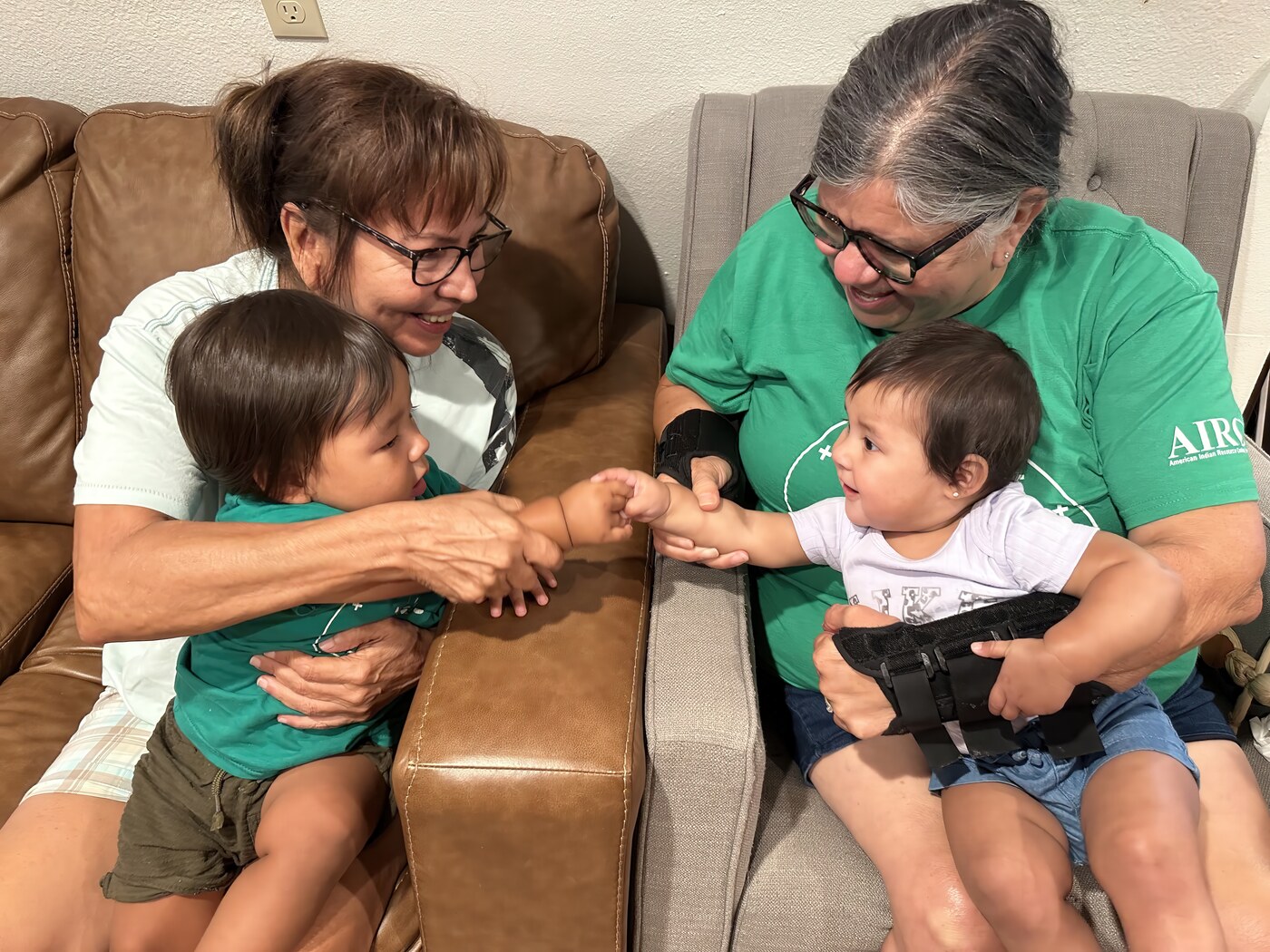
Matthew Vestuto is working to save the official language of the 150-member Barbareño/Ventureño Band of Mission Indians (Chumash), for which he is tribal chairman. As a 2024 Luce Indigenous Knowledge Fellow, he finished transcribing more than 100,000 digitized pages from the research of ethnologist John Peabody Harrington pertaining to mitsqanaqan language and culture, repatriated to him by the Smithsonian Institution.
Vestuto plans to organize the material and package it into useful curriculum to support language revitalization. “I want to see our culture live,” says the Chumash Native. “I believe it is our tribe’s sovereign responsibility to usher our culture and language into the future. And I want to contribute to that.”
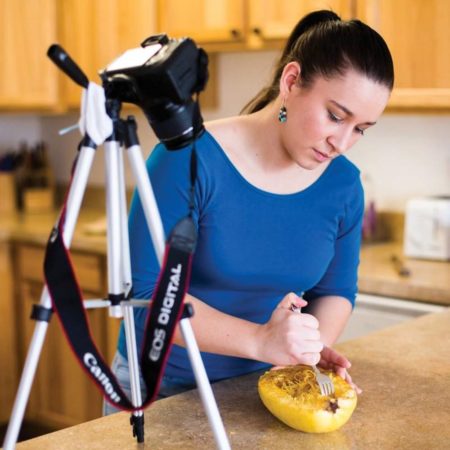
First Nations’ 2022 Luce Indigenous Knowledge Fellow Mariah Gladstone is connecting Native communities with traditional food systems. She created Indigikitchen, an online digital cooking show dedicated to revitalizing Indigenous food systems, or “pre-contact” foods that once offered sustainable nutrition before colonization.
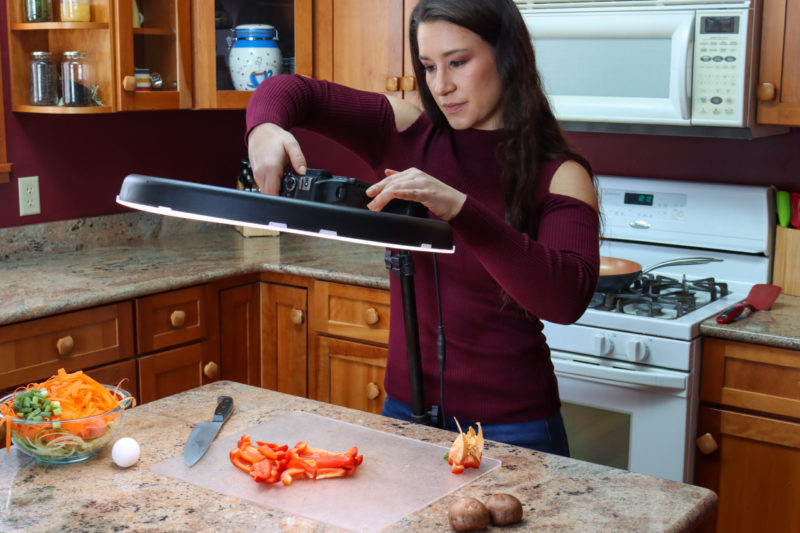
Mariah Gladstone, a 2022 Luce Indigenous Knowledge Fellow, has won awards and recognition for her unique cooking website called “Indigikitchen,” which spotlights Indigenous foods, recipes, and cooking demonstrations.
“My initial motivation for starting Indigikitchen was the epidemic of diet-related illnesses in Indian Country. But I discovered many more benefits along the way,” says Gladstone, explaining that teaching Natives about traditional foods is also good for their mental health and sense of belonging to the land. “From reintroducing bison to our kitchens, to sustainable planting methods, to honoring the animal and recognizing the gifts of the landscape, it is all connected to our traditional food systems.”
Gladstone has grown the start-up culinary website into an in-demand enterprise and go-to source for how to reimagine and prepare Indigenous foods that everyone, including kids, will enjoy and that are not overly complicated to make.
Proven results, multigenerational benefits
Young, Vestuto, and Gladstone are not alone. A soon-to-be-released evaluation report on the first six years of the Luce Indigenous Knowledge Fellowship confirms that Native knowledge is indeed being uplifted.
All fellows agreed that the fellowship resources helped advance their work and complete various projects within their knowledge fields. Further, 85% of fellows reported success in achieving the goals they set at the start of the fellowship.
The ways in which fellows achieved their goals led to the creation of new knowledge, helped fellows steward traditional knowledge, and advanced knowledge dissemination. Fellows produced a host of new knowledge projects to advance their fields and share with their communities, including written texts, in-person and virtual workshops, and curriculum development.
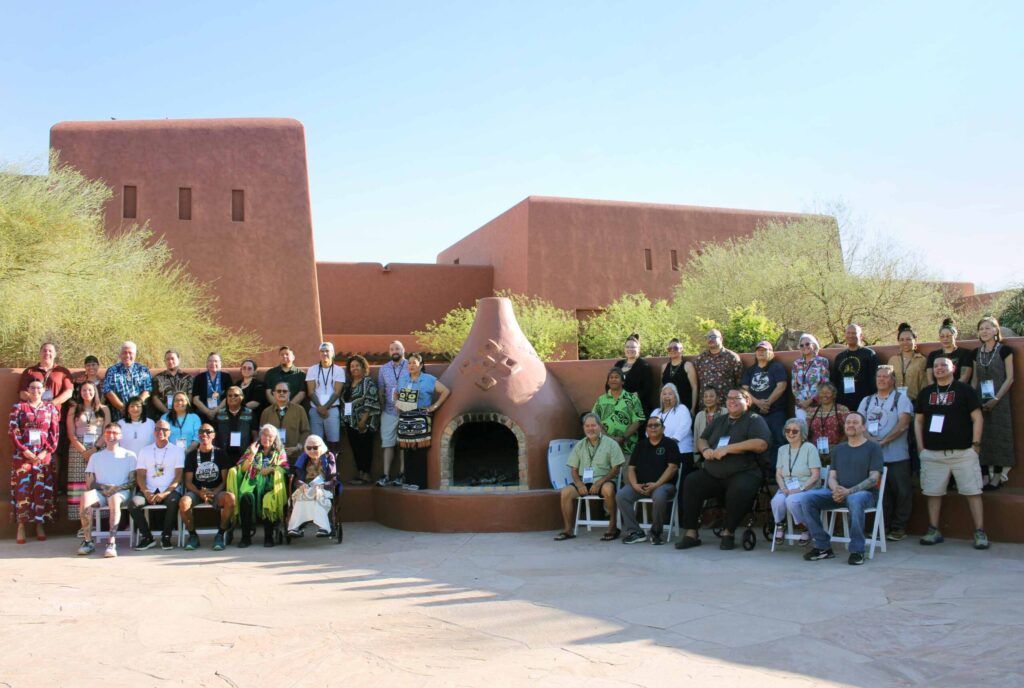
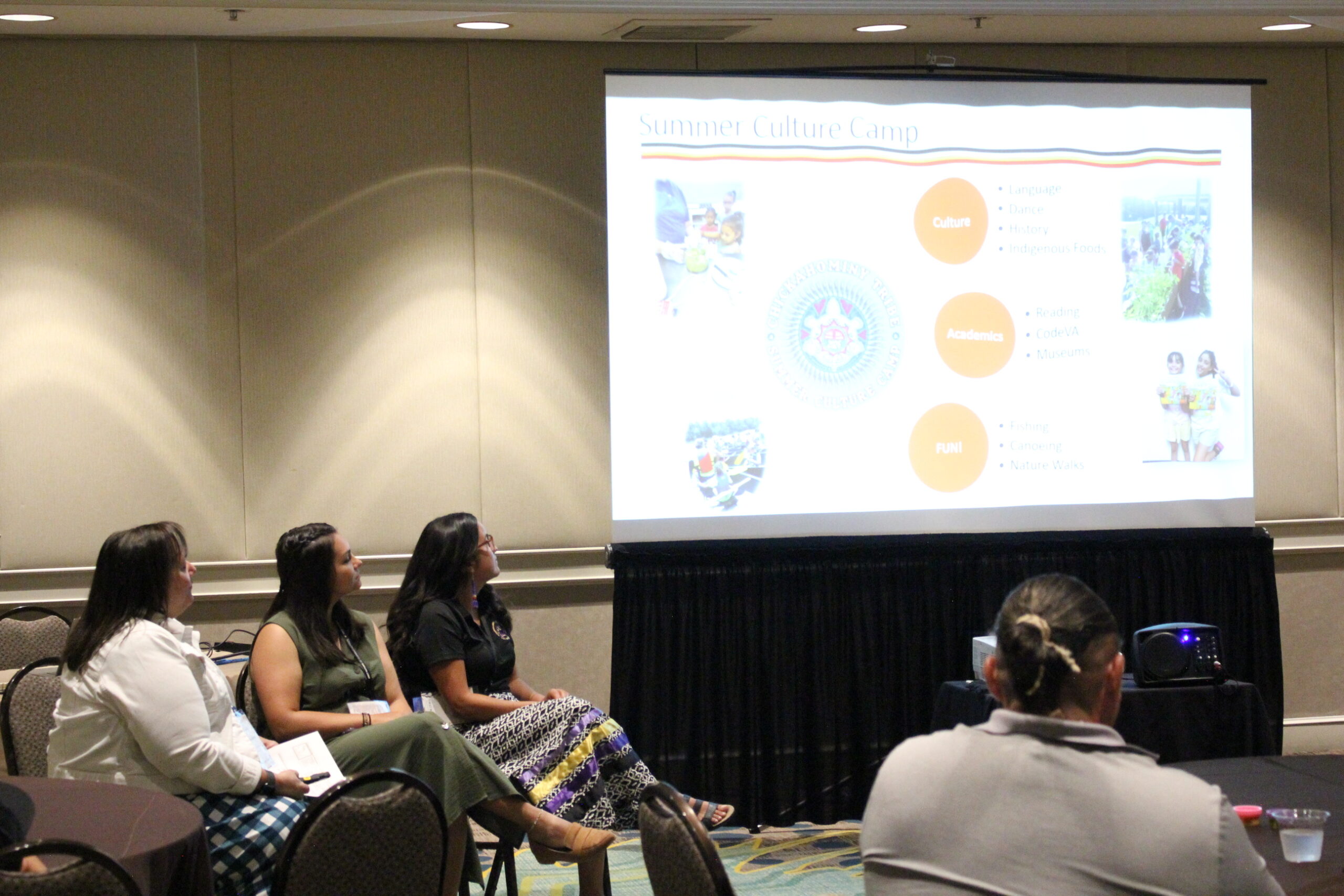
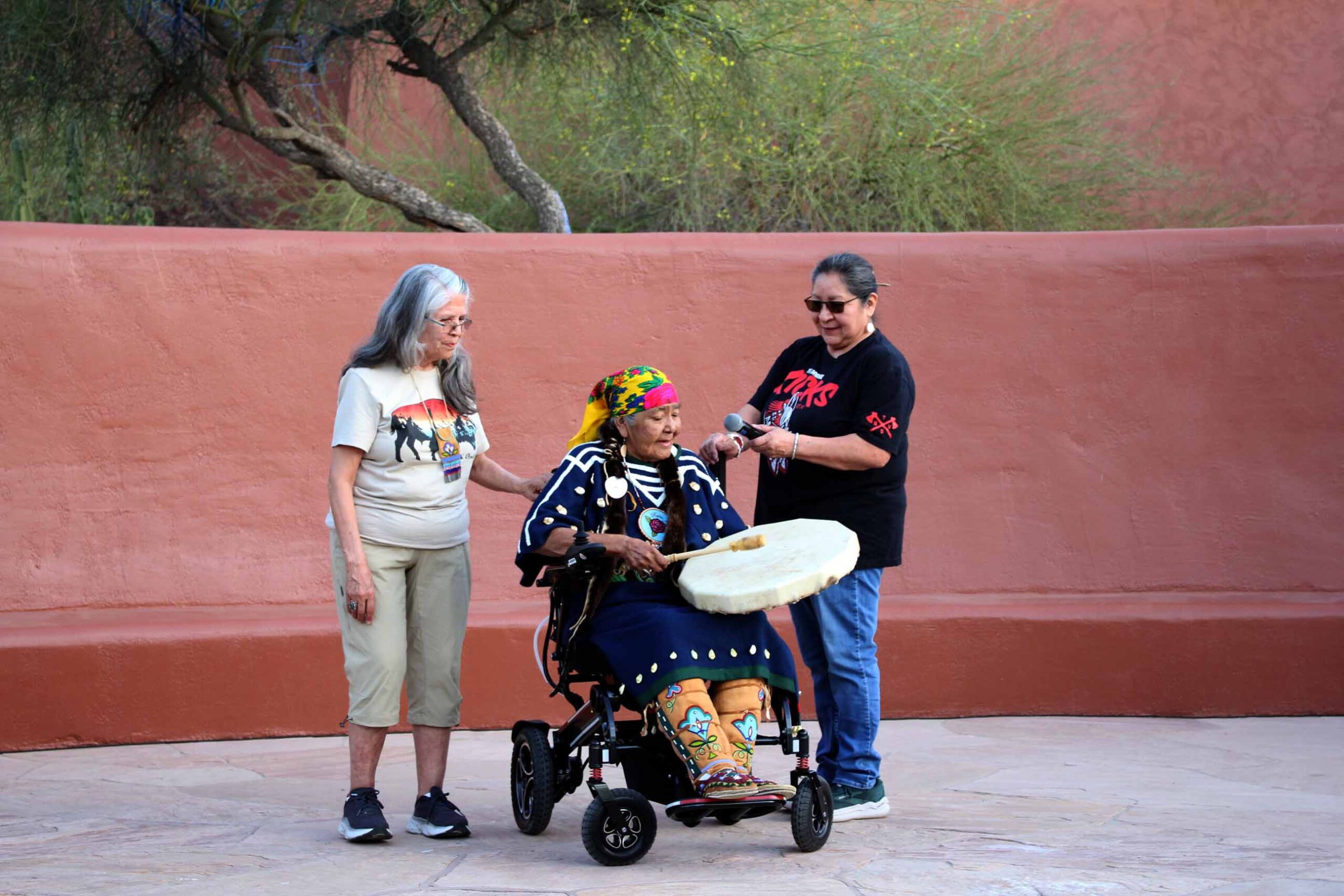
In March 2025, more than 50 Luce Fellows gathered at the Sheraton Grand at Wild Horse Pass in the Gila River Indian Community in Chandler, Arizona, for the first-ever all-fellow convening.
The fellowship also has broad impacts on Indigenous communities by ensuring that Indigenous knowledge benefits current and future generations and that fellows continue investing resources directly in their communities.
For example, one fellow in Cohort 3 helped community members by paying them for labor, fencing, and cattle, and purchasing cooperative ranching equipment to share with community members.
The report found that fellows recognized gaps in the community and worked to fill those gaps in different ways. One Luce Fellow from Cohort 2 described this practice generally: “Anytime you put money or resources into our hands, we will keep that money at home. We will use the funds to provide honorariums to people at home. We understand that there is an economic impact on our community. What’s in our own individual interest is secondary to our community’s needs.”
We continue to walk in wisdom with Native knowledge holders
The Luce Indigenous Knowledge Fellowship is a key component of First Nations’ Native Arts, Language, and Knowledge Program, in which First Nations supports strengths-based narratives about Native communities and the strides happening throughout Indian Country that are reinforcing community and economic development. Our approach centers Native expertise and the self-determined learning pathways of Native knowledge holders.
First Nations is proud to offer a new grant opportunity called the Acorn Fund, which supports Native knowledge holders doing self-directed research, learning, travel, and capacity-building in the Native arts field.
In spring 2026, the fellowship is continuing into its eighth year with the application window for the 2027 cohort now open.
At the same time, in further work to advance Native knowledge, First Nations’ newly created Acorn Fund is launching. The new project will provide grants directly to Native individuals who are working in the arts, furthering their learning through activities that strengthen cultural continuity, artistic practice, and community-rooted knowledge systems.
Together, the recipients of the Luce Indigenous Knowledge Fellowship and Acorn Fund will add to the growing number of Native knowledge holders throughout Indian Country strengthening communities through Native art, lifeways, language, and more.
In line with the theme of our first-ever all-fellow cohort gathering held last year, we are honored to “walk in wisdom” with Native leaders and continue to support this work.