Impact Story
Yá’át’ééh. Jennifer Himmelreich yinishyé.
In January 2026, I joined First Nations Development Institute as a senior program officer with the Native Arts, Language, and Knowledge program. From the moment I stepped into this role, I have been listening to our colleagues, partners, and community members about what’s needed, what’s working, and what feels possible when it comes to uplifting and advancing Native lifeways.
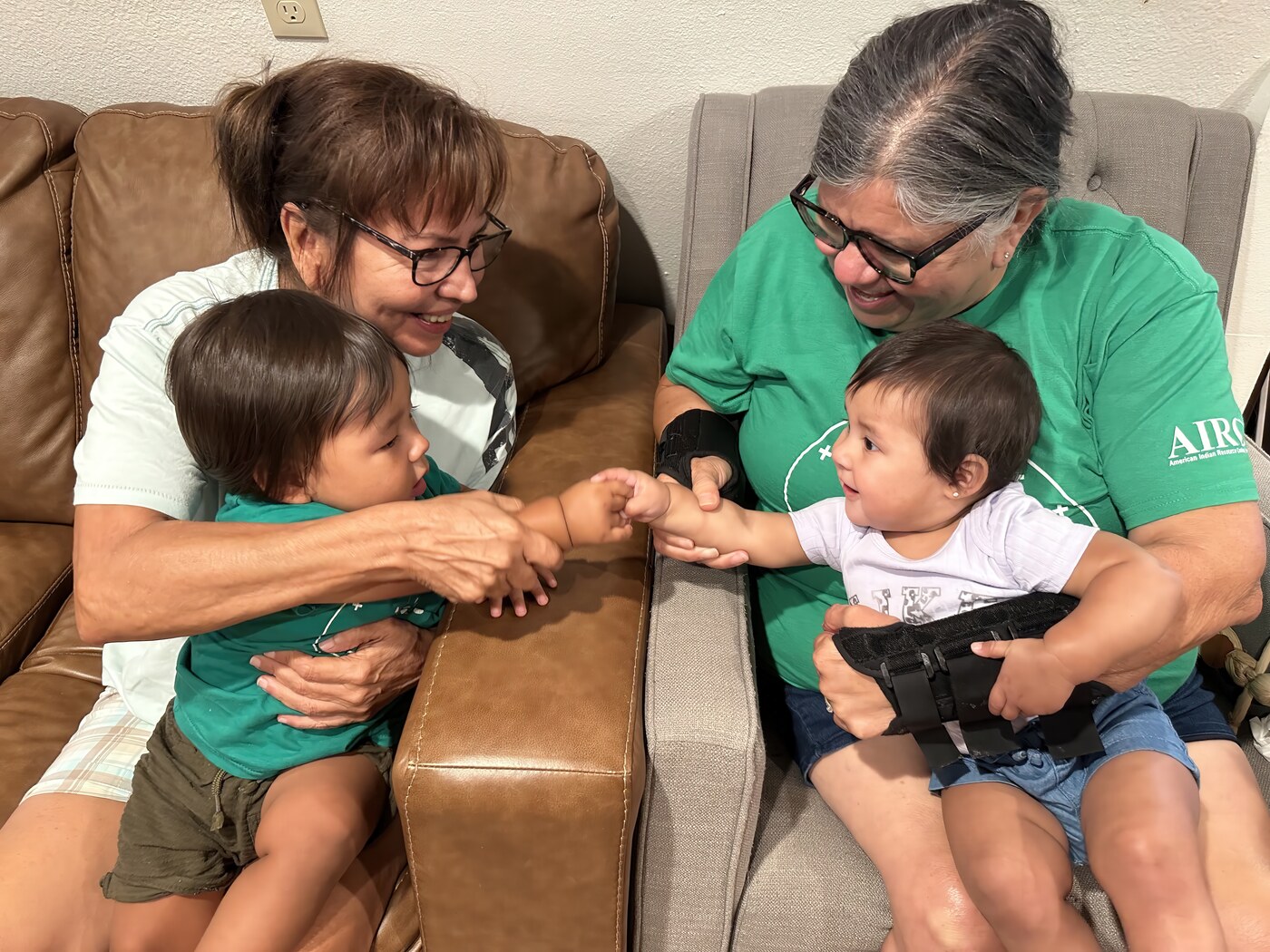
Each conversation reminds me that we are strongest when knowledge, creativity, and responsibility are shared in relationship with one another, especially as we think about what we carry forward for the next generation.
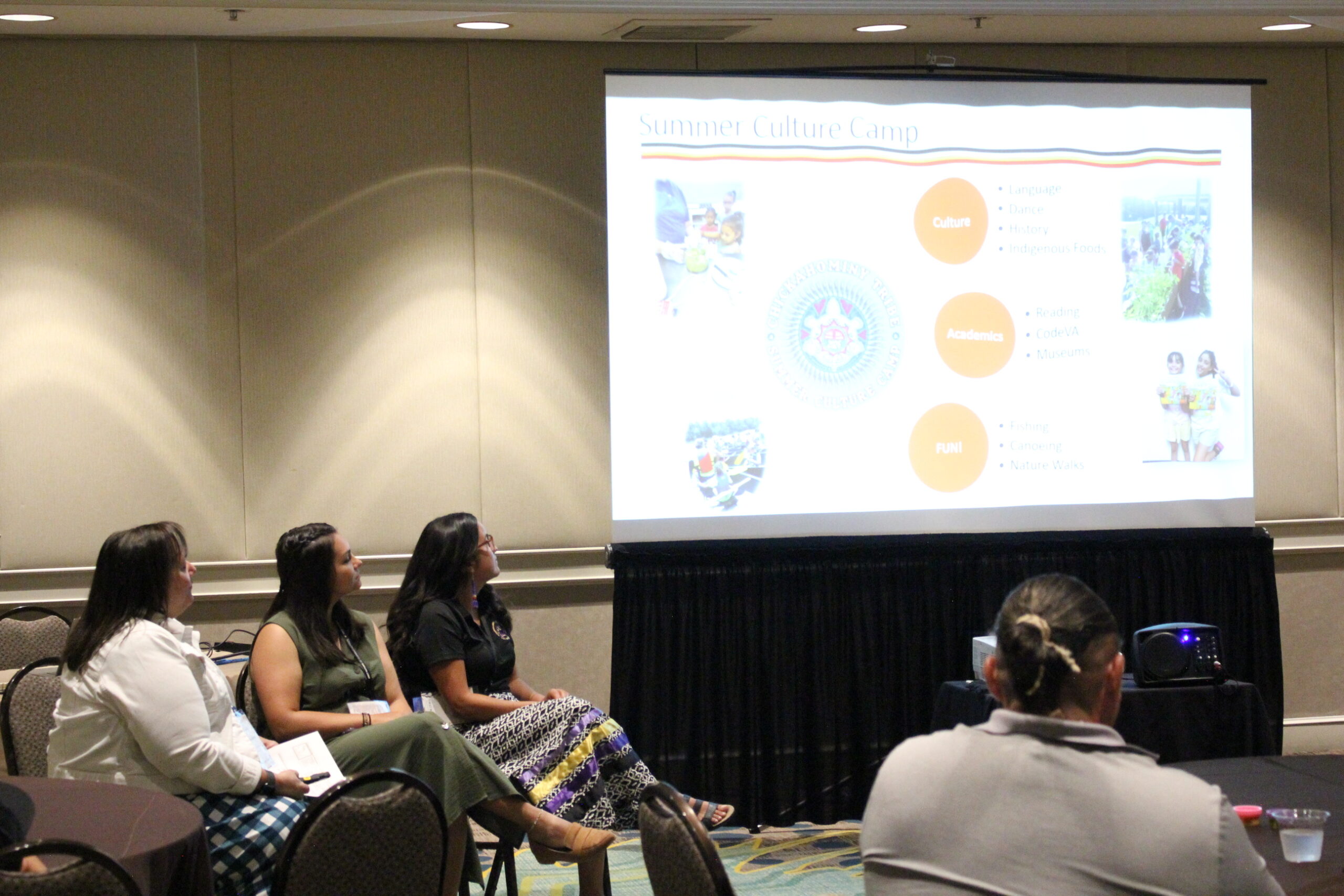
I came to First Nations having spent years supporting Native people and communities across federal grantmaking, cultural institutions, philanthropy, and media. In every space, I’ve witnessed the power of community-defined work – whether it’s through language revitalization, artistic practice, leadership development programs, library and knowledge services, documentary storytelling, or national convenings that center community voices and priorities. Again and again, I’ve seen how this work creates pathways for young people to learn, lead, and shape the future of their communities, while also supporting learning and connection across generations.
These experiences taught me that Native communities are leading complex, innovative work across sectors, and that honoring their vision is central to meaningful support.
At the Institute of Museum and Library Services (IMLS), I led national grant programs supporting Native American, Alaska Native, and Native Hawaiian library services. There, I saw how transformative it can be when funding becomes accessible, processes are transparent, and community voice is centered not just in outcomes, but in program design, even in a system as complex as that of federal funding. That experience continues to shape how I approach this work today.
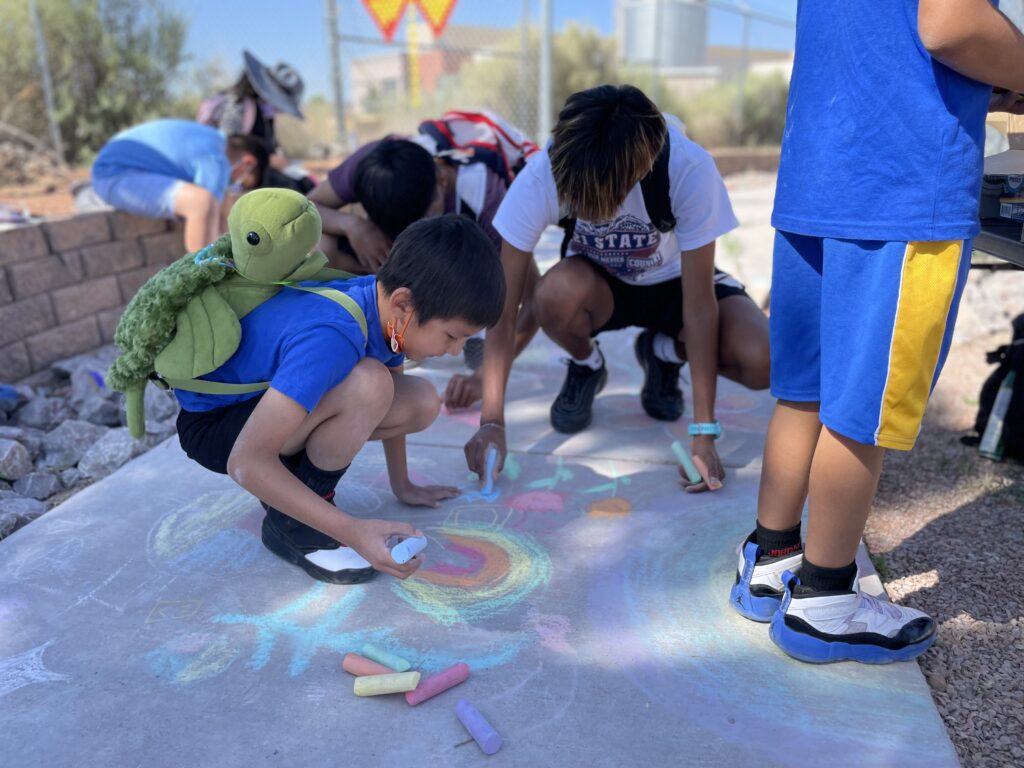
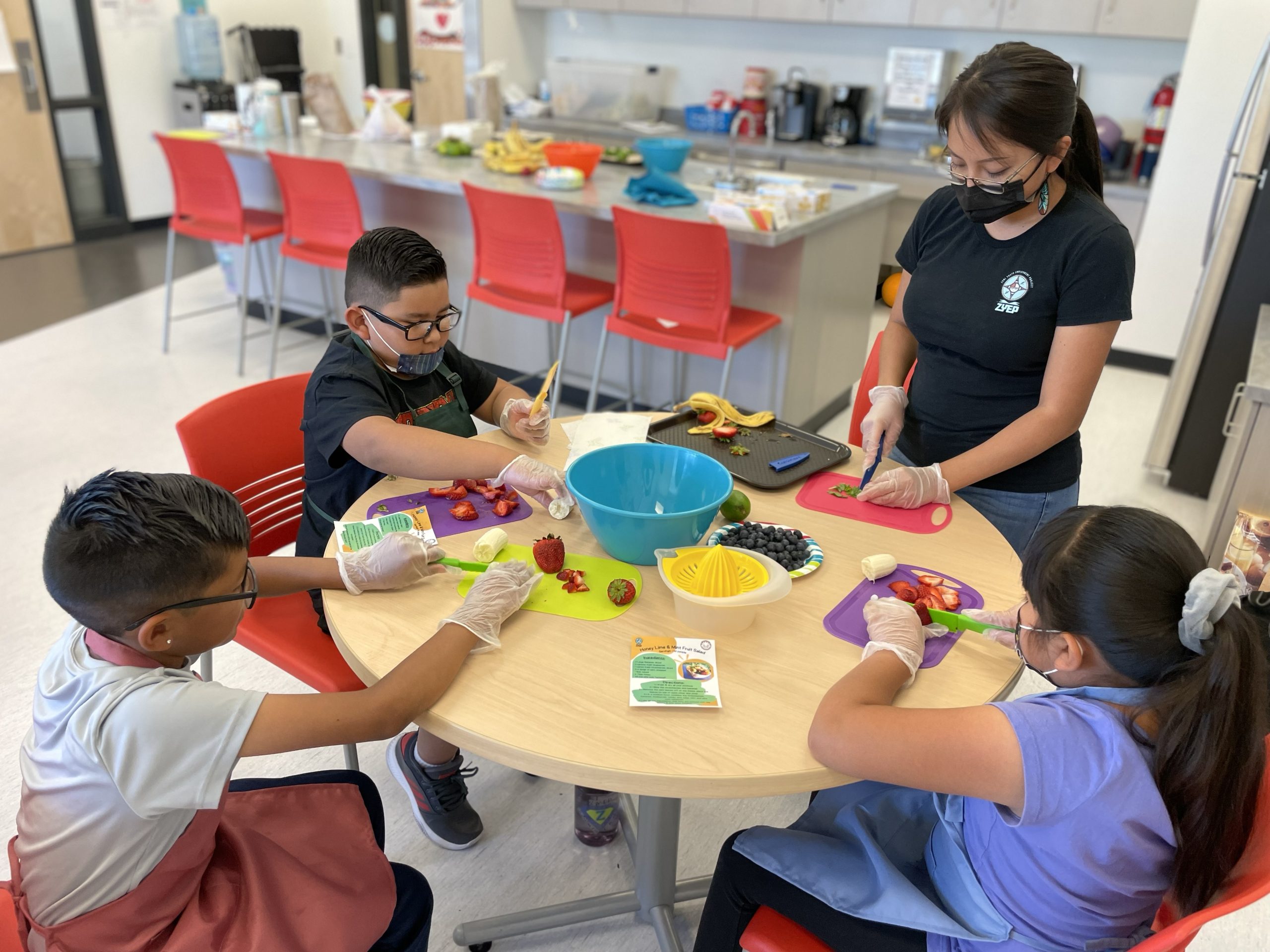
Engaging kids through art at Zuni Youth Enrichment Project.
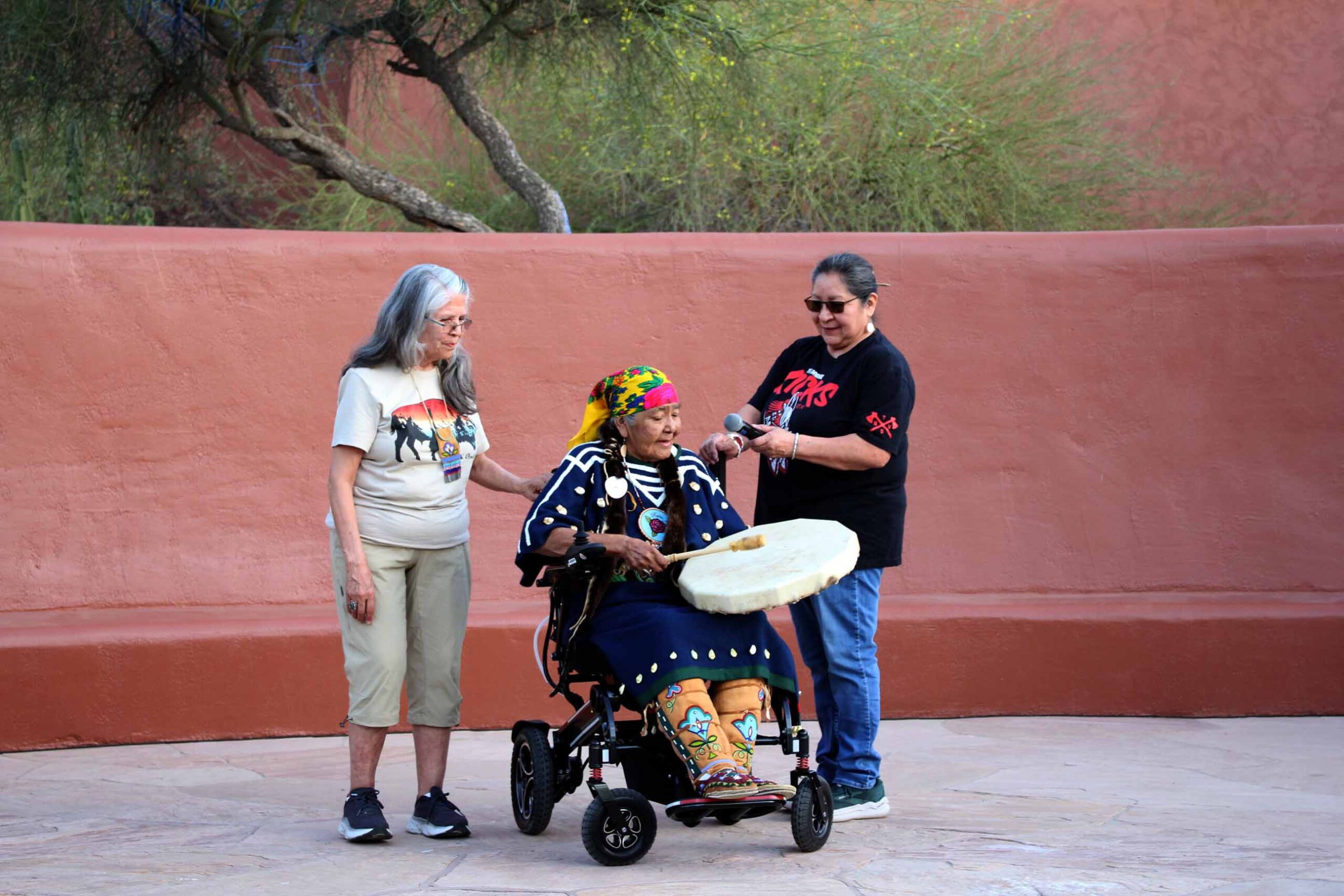
At First Nations, I now oversee our Native Arts Initiative and Native Language Immersion Initiative. These initiatives support community-driven efforts to sustain artistic traditions, strengthen language fluency, and carry knowledge across generations. At their core, both initiatives are about ensuring that people of all generations have meaningful opportunities to engage with culture, language, and creative practice.
In these early months, I’ve also had the privilege of listening in on final updates from some of our grantees. One example in particular is the Zuni Youth Enrichment Project (ZYEP), whose art apprenticeship program creates space for young people to learn directly from community artists while developing their own skills and voices. Program leaders shared that several of ZYEP’s participants have grown through its program over time, from apprentices to instructors, illustrating how their work nurtures not only artists, but future mentors and leaders. It’s a powerful reminder that when youth are supported in culturally grounded ways, they don’t just carry knowledge forward, they expand it.
Going forward with Native Arts, Language, and Knowledge
My vision for this work is grounded in a few core beliefs:
Communities define success.
Native arts and language are not standalone sectors. They are deeply embedded in systems that sustain community life for future generations. They advance education, wellness, economic opportunity, and cultural sovereignty.
Grantmaking, at its best, is about building and sustaining relationships, not just distributing resources.
This direction is in line with First Nations’ values: Native communities are creating a path to their own cultural and economic sustainability through their innovation, ingenuity, and community-driven solutions. First Nations’ grantmaking is flexible and responsive, and every grant is accompanied with direct support and collaboration opportunities with other grantees.
Since I started at First Nations, much of my focus has been on building strong foundations, developing processes, supporting our team, and ensuring that our programs are set up for long-term success. Equally important is the ongoing work of listening and relationship-building, which will continue to guide everything we do.
I’m grateful to be here, and I look forward to deepening these relationships in the months ahead, hearing your stories, learning from your work, and connecting with many of you when I’m out in communities across the country. Together, we can support the continuation of arts, language, and knowledge systems that sustain our communities and future generations.
Hágoónee, adáhólyá.
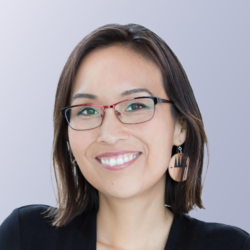 Jennifer Himmelreich
Navajo
Senior Program Officer