News
Thought Leadership
Tule River Indian Tribe is utilizing traditional knowledge and hands-on approaches to restore riparian and aquatic ecosystems.
The water that falls from the sky and melts from high mountain glaciers is sacred. This relative is critical for ecosystem, economic, cultural, and ceremonial health. Rivers are special systems that provide habitat for ecocultural species, foster growth of traditional medicines and food, and sustain cultural lifeways.
Native peoples depend on healthy rivers to farm, fish, and harvest aquatic traditional foods. In addition, certain rivers are central to our origin stories and deserve protection and stewardship to ensure they are healthy for future generations. Moreover, certain ceremonies require clean, healthy water.
Climate change intensifies the severity and duration of droughts, which lowers river flows, raises water temperatures, and impacts river health. Native peoples are disproportionally impacted by changing environmental conditions because of our connection to and reliance on the natural environment for identity, ceremony, and subsistence.
How First Nations invests in rivers
To address the impacts of climate change, tribes and Native communities are applying traditional knowledge and stewardship practices at a local and community scale to promote river health and preserve cultural traditions. First Nations believes that Native communities already have the strategies and localized solutions to build adaptive capacity to respond to climate change and improve the health of communities and ecosystems. First Nations celebrates and invests in Native-led stewardship and traditional knowledge.
Through the Stewarding Native Lands program, First Nations leads the Advancing Tribal Nature-Based Solutions project to support and elevate climate action that addresses adaptation and disaster preparation across Indian Country. Strategies rooted in traditional knowledge and nature-based solutions demonstrate innovative ways tribes and Native communities are addressing human-caused climate change on ecological, economic, cultural, and social systems.
Part of this project is focused on supporting tribes and Native communities in building adaptive capacity and advancing community-based watershed restoration efforts across Indian Country. Examples of First Nations’ community partners leading efforts to restore and maintain the health of their water, include the Colorado River Indian Tribes, Cowlitz Indian Tribe, and Tule River Indian Tribe.
Colorado River Indian Tribes is located in Arizona, one of the lower basin states in the Colorado River Basin. The tribe is reintroducing Willow, Mesquite, and Cottonwood vegetation in riparian areas across their reservation to reduce hazardous fuels and erosion. Their work will not only reduce wildfire risk but also increase wildlife habitat and enhance water quality of the river. This work is especially important during this time of megadrought in the west.
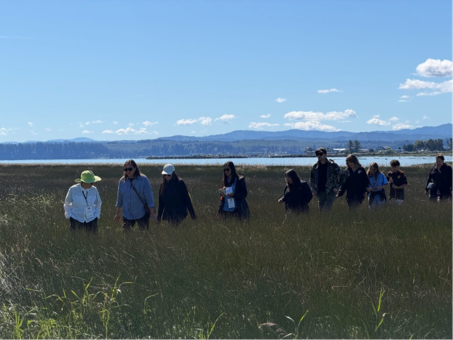
The Cowlitz Indian Tribe located in Washington has stewarded the lower Columbia River since time immemorial. Beavers, an ecocultural species, were once abundant in the region; however, trapping activities and habitat loss reduced their populations significantly. The tribe established a beaver relocation program to bolster beaver populations and restore critical freshwater habitat. Their work restoring beaver populations is improving river health, reducing wildfire risk, and increasing biodiversity.
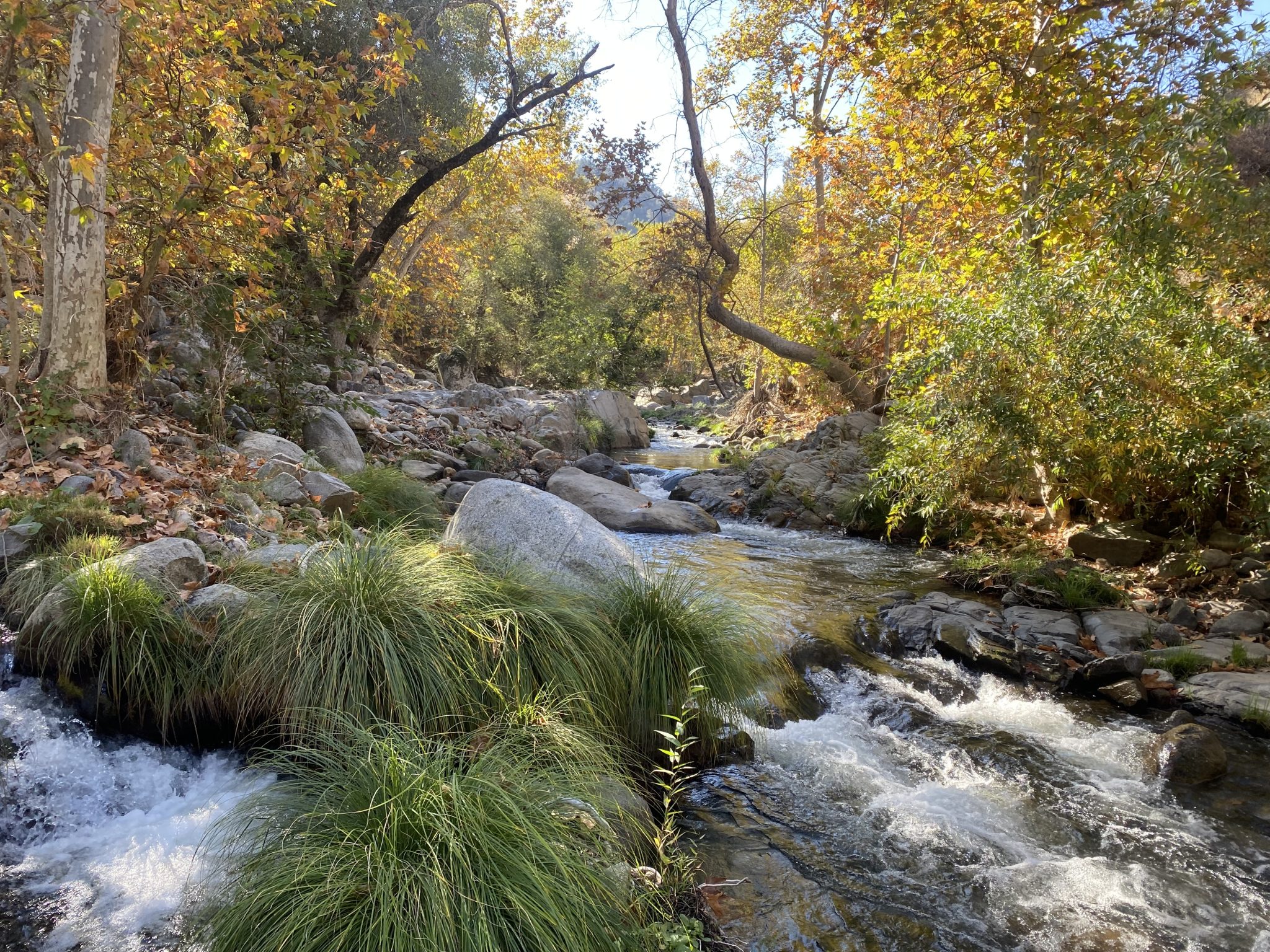
The Tule River Indian Tribe located in California is reinvigorating riparian zones through stewardship and restoration efforts. The tribe is revitalizing cultural burning practices. Bringing these frequent, low-intensity fires back to the land promotes healthy plant and animal communities. Further, restoring cultural burning practices reduces the risk of devastating wildfires and stabilizes stream banks.
If you are interested in supporting First Nations investment in rivers:
 Jacque Demko (MHA Nation)
Director
Stewarding Native Lands