INDIAN GIVER is published quarterly by First Nations to share the impact of the Native-led projects and initiatives we invest in and to celebrate the strength and future of Native communities. The phrase INDIAN GIVER entered the English language under historical circumstances that distorted its meaning within Native American culture, where it never carried the negative cargo we know it by today. The true meaning signifies a willingness to care, an expectation of sharing; and a cultural commitment to reciprocity that was not to be questioned. Indian giving was and is the future wealth of society.
December 2024 Newsletter
Highlights from First Nations, Gratitude for You
Dear Friends,
Welcome to the December 2024 issue of Indian Giver, First Nations’ quarterly newsletter.
In this final issue of the year, we share a story about First Nations’ Native Farmer and Rancher Apprenticeship Network, a pilot program to help beginning Native American farmers and ranchers expand their businesses and strengthen land management strategies. We also tell you about our Native Arts Initiative (NAI), which has made a real difference over the last decade in preserving artistic and cultural assets in Indian Country. We give a recap of the return of First Nations’ Food Sovereignty Summit in Suquamish, Washington. And please enjoy a short video about the Poeh Cultural Center, a Native-led First Nations community partner in our Cultural Treasures Initiative program, located in Pojoaque Pueblo, New Mexico.
In our Donor Spotlight, you’ll meet Kathy Carnevale, a longtime supporter of First Nations with a passion for fast cars, small dogs, and Native causes. And 2024 Luce Indigenous Knowledge Fellow Rose Bear Don’t Walk, an ethnobotanist, discusses her plans to empower Salish people to engage with plants and participate in healthy habits that promote wellness on the Flathead Indian Reservation.
Thank you for your continued support of First Nations. Enjoy the holiday season!
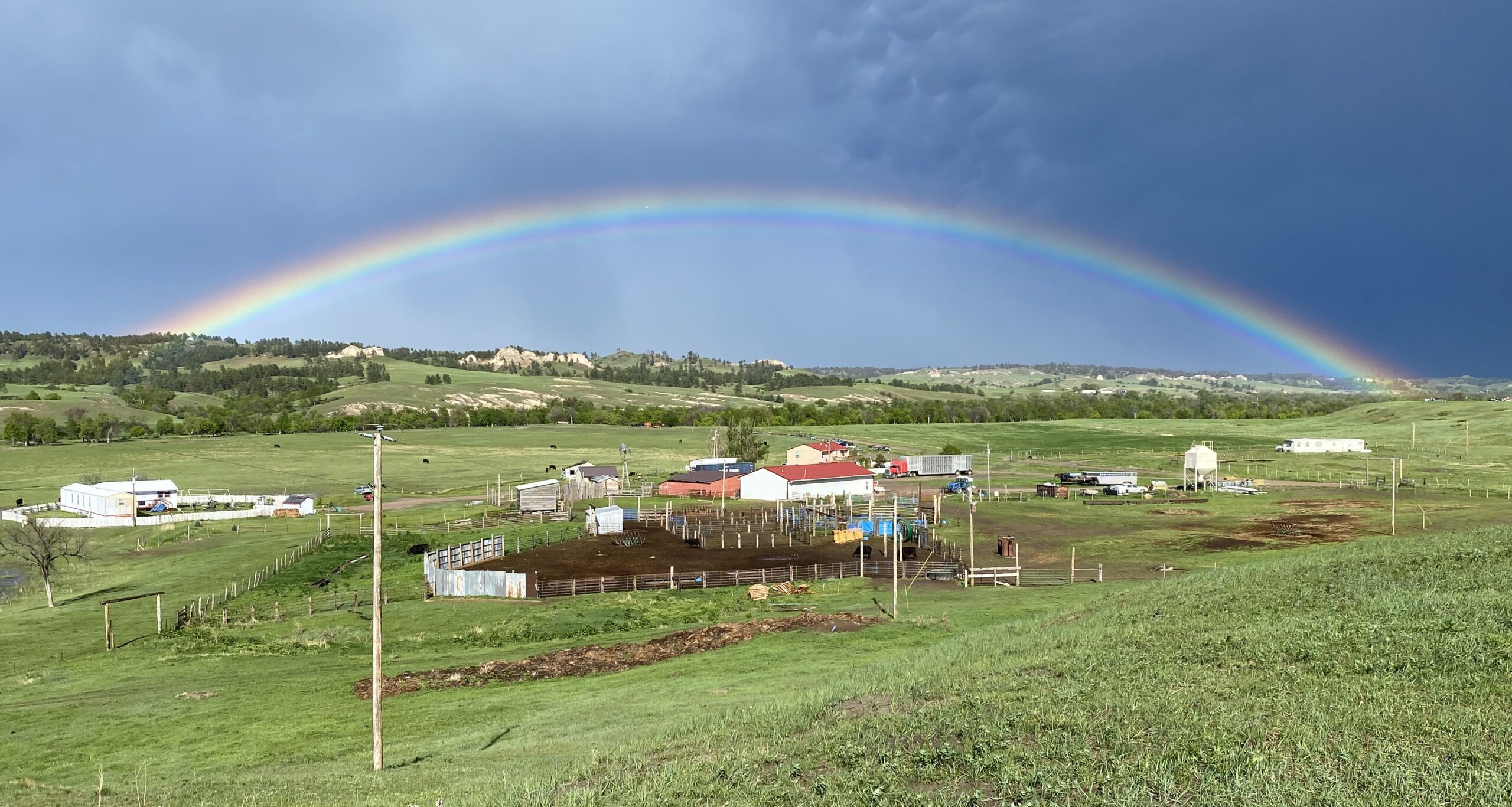
The Business of Cultural Foodways: How an Apprenticeship Network is Advancing Native Entrepreneurs
In 2021, First Nations launched the Native Farmer and Rancher Apprenticeship Network, funded through the National Institute of Food and Agriculture (NIFA), USDA Beginning Farmer and Rancher Development Program. The goal of this pilot program was to help beginning Native American farmers and ranchers expand their businesses and strengthen land management strategies through training and technical assistance, and networking opportunities. The first cohort of 30 apprentices reports many positive impacts the program has had on its diverse agricultural businesses in cattle ranching, beekeeping, organic farming, fruit orchards, aquaponics, and more. Read full story.
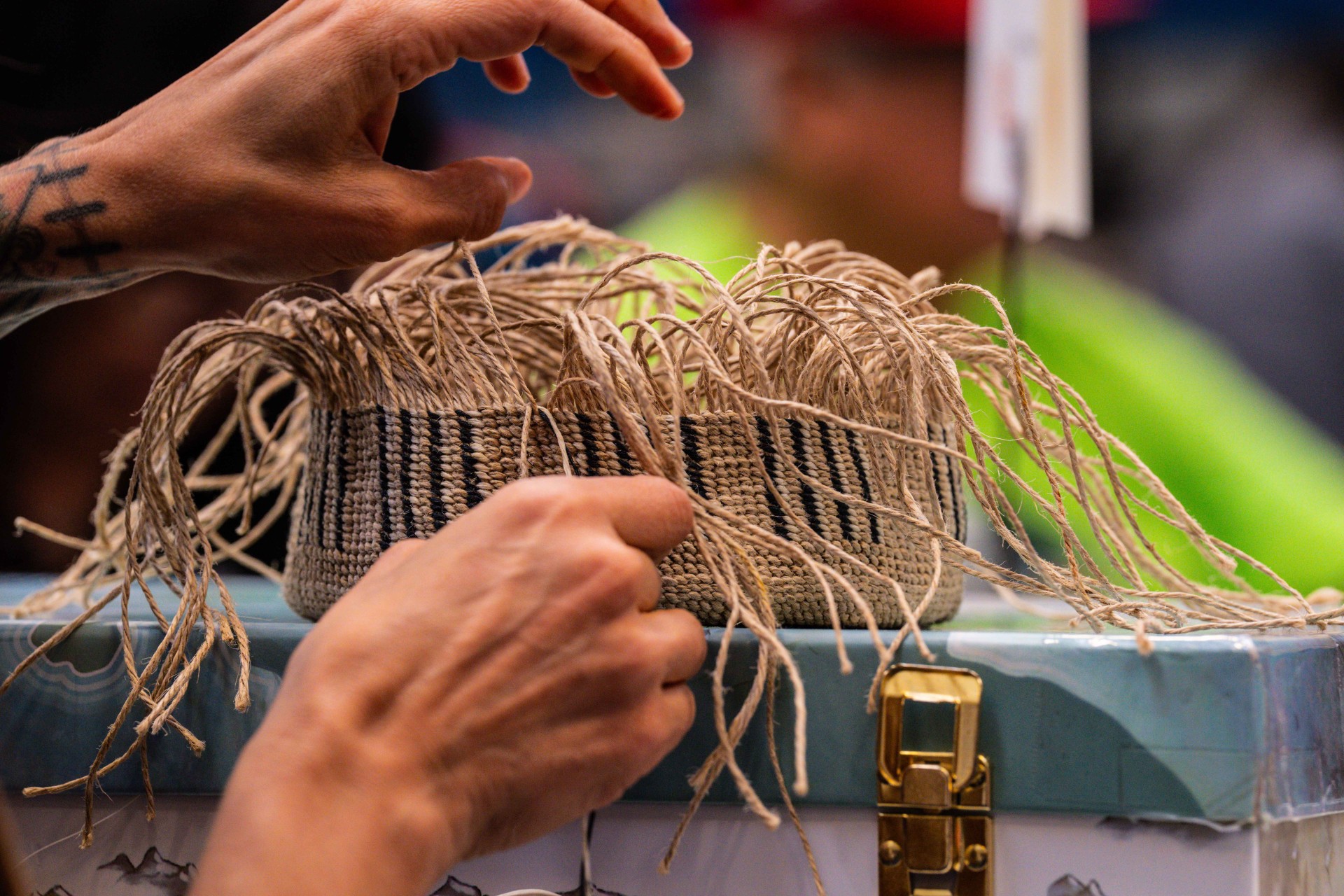
The Art of Preserving Native Culture
From basket weaving, beadwork, sculpting, and pottery, to storytelling, quilling, textiles, and painting, Native art is a treasured cultural asset, a priceless piece of history and heritage passed down through generations. Through the Native Arts Initiative (NAI), First Nations is preserving and uplifting artistic and cultural assets in Indian Country with direct grants, networking, and in-person training and technical assistance. In the last decade, nearly $6 million in grants has been awarded to more than 75 eligible, Native-led nonprofits and tribal government programs in 12 states. Read more about the positive impact of the NAI.
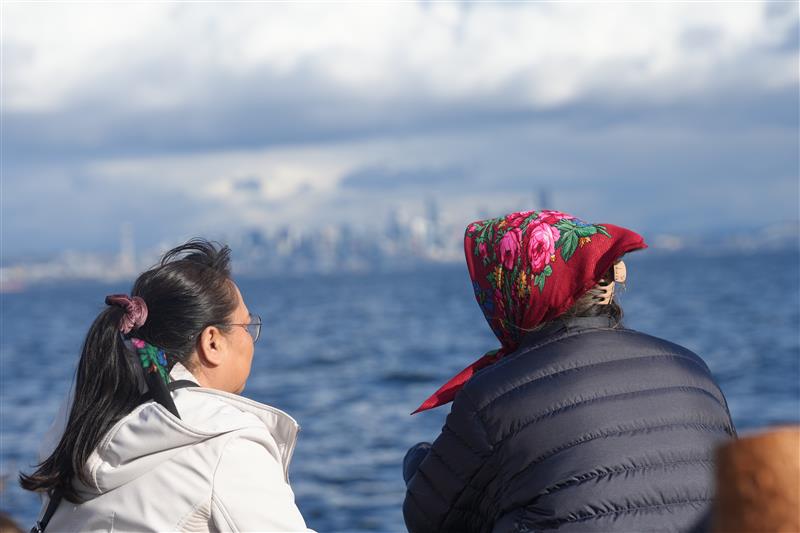
First Nations’ 2024 Food Sovereignty Summit: Building Healthy Native Food Systems
Continuing a tradition that began in 2013, First Nations hosted its 2024 Food Sovereignty Summit in Suquamish, Washington. This gathering in the Pacific Northwest brought together over 200 tribal leaders, food practitioners, and colleagues to share, learn, and collaborate on building healthy food systems throughout Native communities. Highlights included educational and conservation planning workshops, and a guided boat tour through Suquamish ancestral homelands. More details on the food summit here.
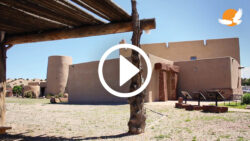
Honoring Tewa Tradition and Supporting Native Artists
As a First Nations Cultural Treasures Initiative community partner, the Poeh Cultural Center is a gathering space for preserving Tewa Pueblo culture. Located in Pojoaque Pueblo, New Mexico, this Native-led nonprofit prioritizes the community’s cultural foundation, knowledge systems, and lifeways. Executive Director Karl Duncan (Arikara, Hidatsa, Mandan & San Carlos Apache) explains how the Poeh’s museum, community classes, and annual Pathways Indigenous Arts Festival support Native artists and create spaces to sustain cultural traditions. Watch the video and read the full story.

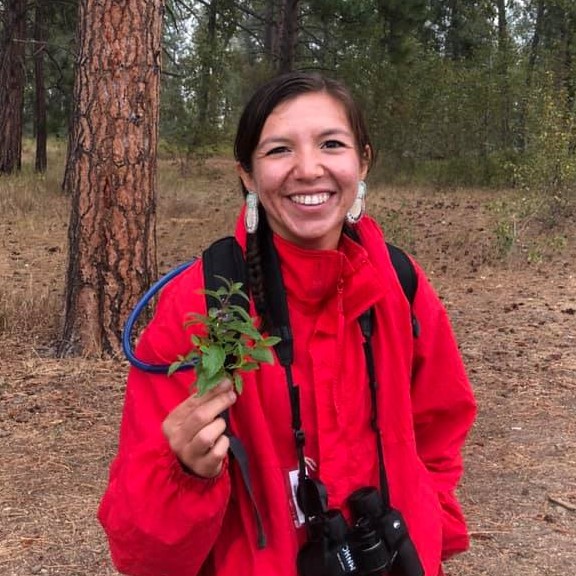
Meet 2024 Luce Indigenous Knowledge Fellow Rose Bear Don’t Walk
Rose Bear Don’t Walk (Bitterroot Salish and Crow) grew up on the Flathead Indian Reservation in Montana. At Yale University, she studied health decline and chronic illness in Native people to understand “how a society that historically lived off the land hunting, foraging, and moving could become so far removed from their healthy roots.” An ethnobotanist and doctoral student in Indigenous and rural health, the 2024 Luce Indigenous Knowledge Fellow is building on the research she did in graduate school to bolster ethnobotany education and materials. “Hopefully, more Salish people will be empowered to engage with plants and participate in healthy habits that promote wellness and cultural longevity on the Flathead Indian Reservation.” she explains. Read more.

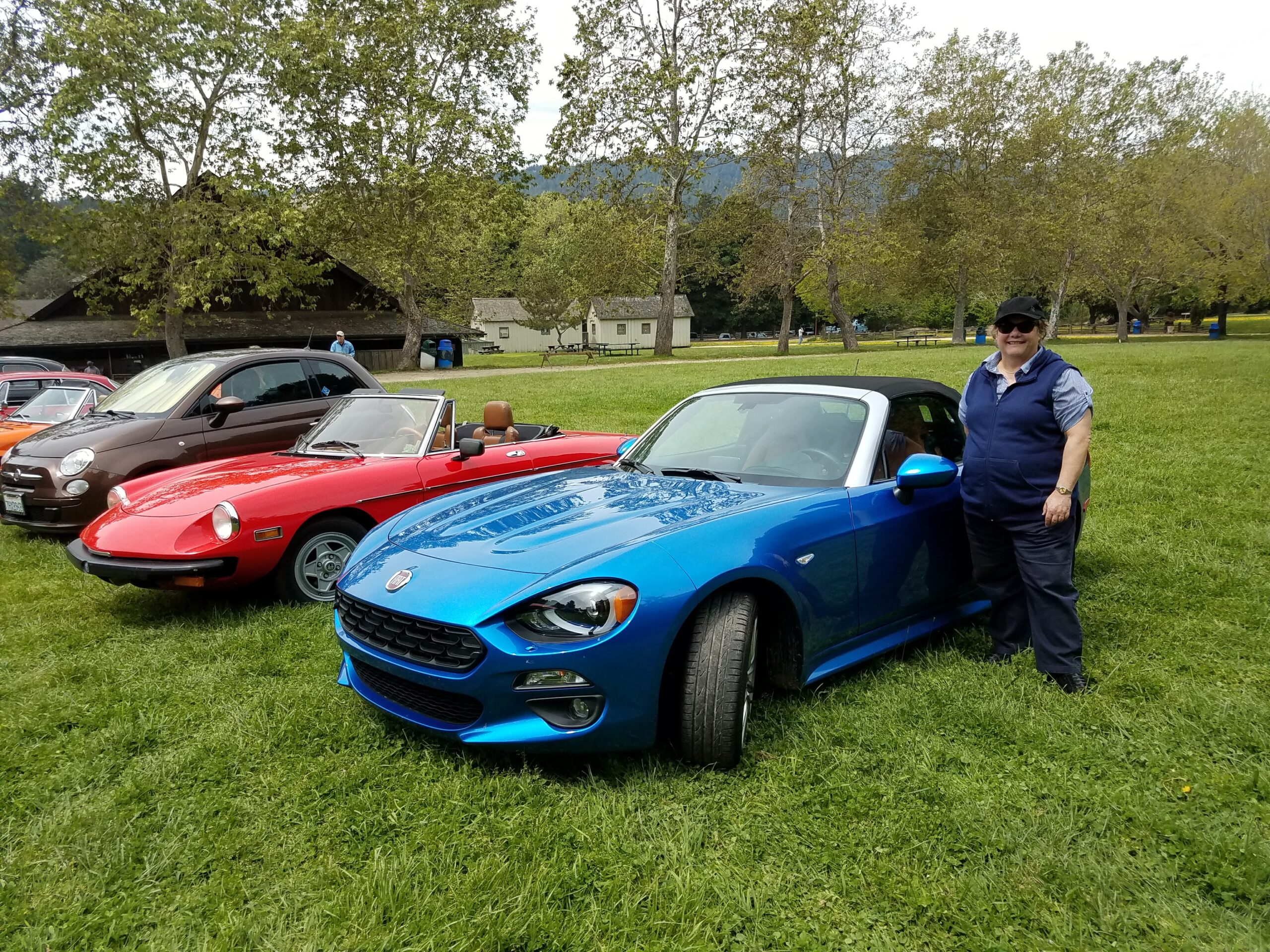
A Life of Reading, Riding, and Arithmetic
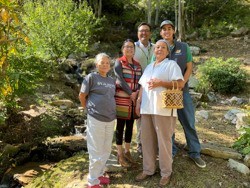
Eight years ago, Kathy Carnevale retired from a decades-long finance career with Chevron. Since then, the longtime First Nations donor has dedicated herself to reading books, caring for her two dogs, cruising around in an electric blue Fiat 124 Sport Spider―a retirement gift to herself―and supporting Native American causes. “I have become very committed to doing what I can in my small way to help Native people, amplify their voices, and fund their projects,” she says. The 70-year-old retiree has participated in three First Nations Donor Tours to the Pueblos of the Southwest, Salish country in the Pacific Northwest, and recently into the woodlands of Northern Wisconsin. Read more.