 Native peoples have cared for biodiversity on this continent for tens of thousands of years. The strong relationships Native people and their non-human relatives share are grounded in reciprocity. Each is dependent on and responsible to the other for health and continuity. Native people are nourished by the plants and animals that live in the forests, grasslands, deserts, tundra, and waters that connect them. To ensure the well-being of our cultures and ecosystems, First Nations established the Restoring our Relatives project.
The Restoring our Relatives project is designed to invest in the reciprocal relationships, traditional knowledge, and stewardship that cultivate biodiversity and healthy ecosystems and communities. Through this project Tribes and Native-led organizations will receive resources to continue protecting and restoring Native species that will in turn protect our lands, waters, and ecosystems for generations to come. Some examples of protecting and stewarding Native species include:
- Bringing back rivercane to prevent erosion and support traditional basket weaving
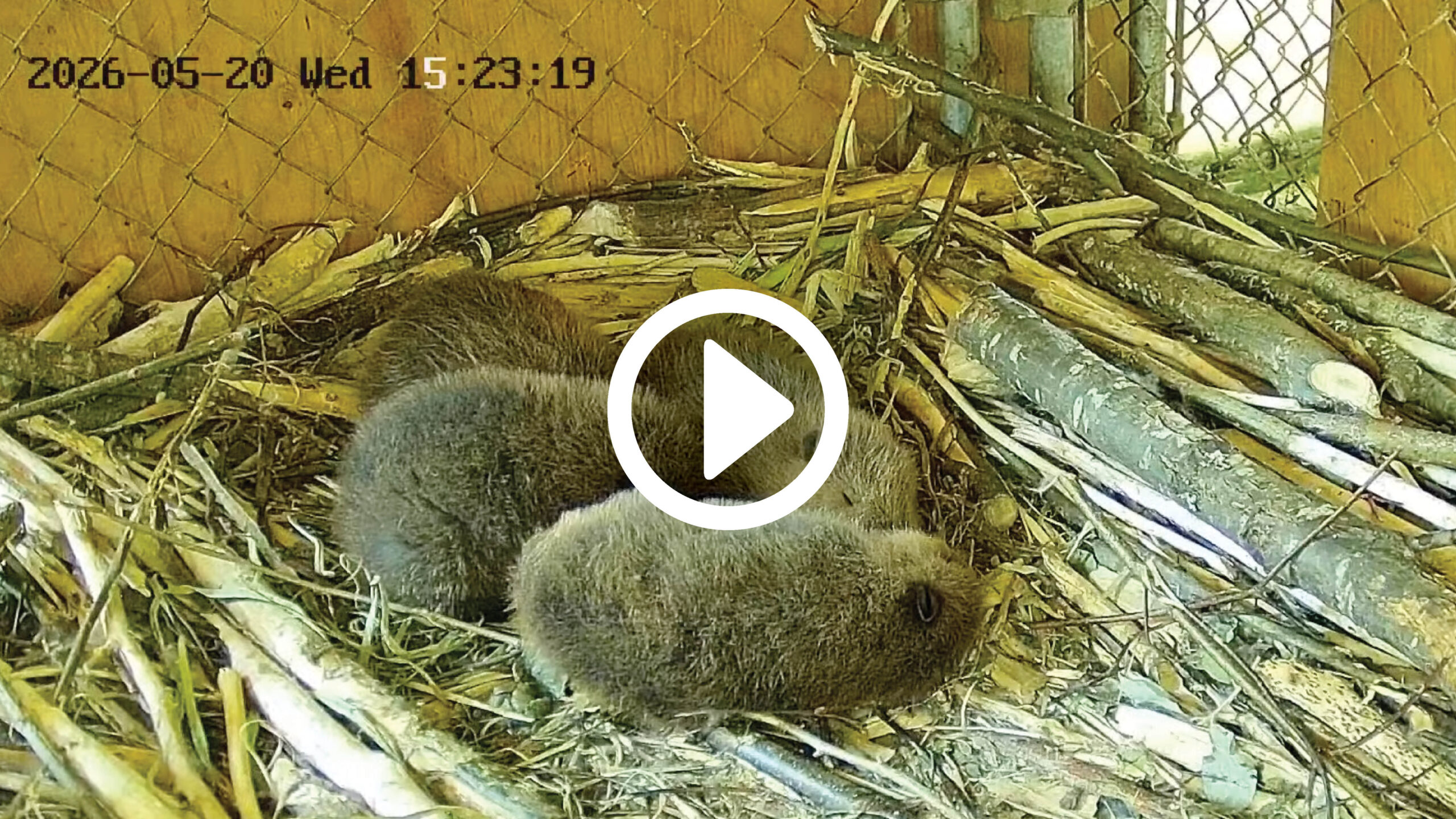
- Bringing back beaver to retore wetlands and meadows that provide medicinal and subsistence plants
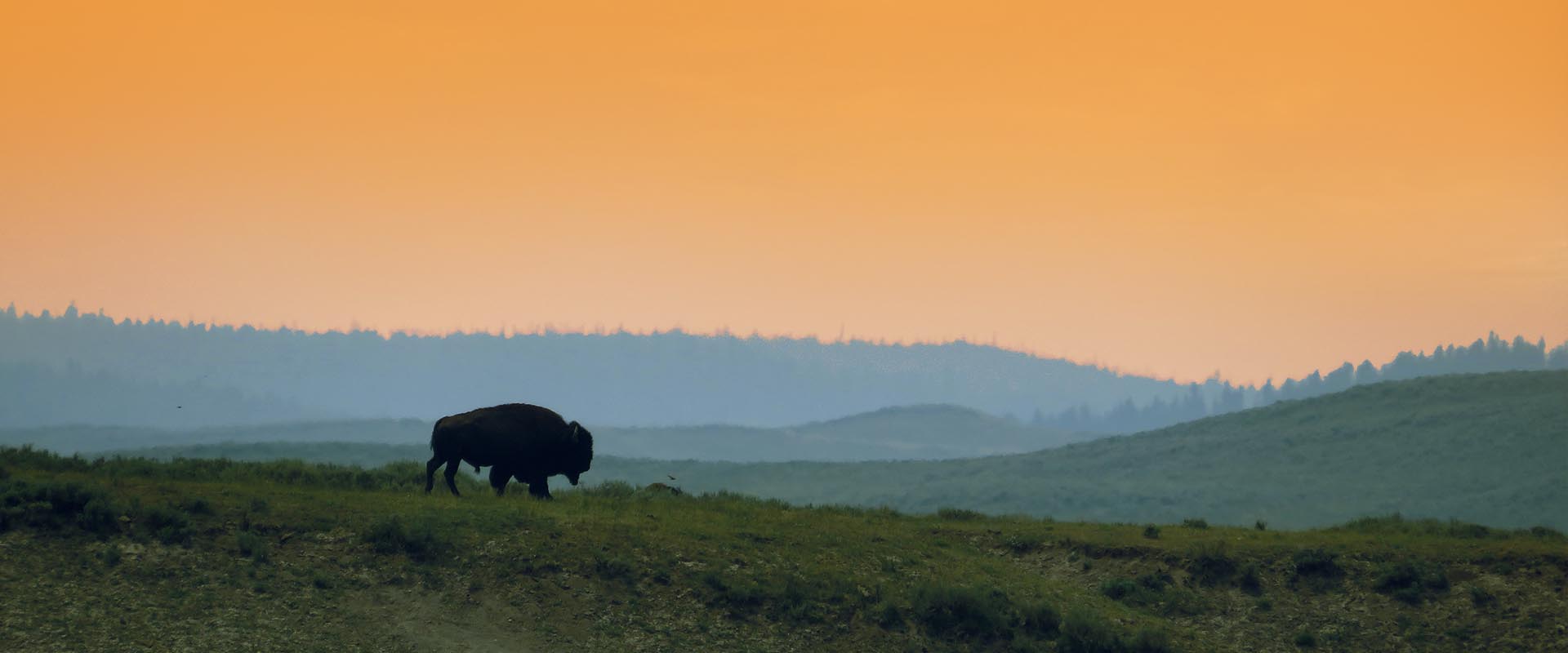
- Bringing back buffalo to revitalize native grasslands that are critical to tribal food systems and ceremony
- Bringing back shellfish beds for subsistence and to prevent coastal erosion
 With support from the Tribal Lands Conservation Fund, in October 2025, First Nations awarded grants to seven Tribes and 10 Native-led organizations to grow capacity and programming to employ and sustain efforts that restore Native species through traditional knowledge and community involvement.