


Brandi Russell
Program Officer, Stewarding Native Lands
Lower Brule Sioux Tribe
Tribes and Native communities have long upheld deep relationships with their Tribal homelands based on Native values rooted in care, responsibility, and reciprocity and with rich knowledge cultivated and passed down over generations.
First Nations’ Stewardship Initiative is centered on restoring these relationships to maintain and strengthen the connections between Native peoples, places, and animal and plant relatives. It invests in Native-led solutions that center traditional knowledge and build local capacity. Projects under this initiative are multi-faceted, including the restoration of eco-cultural species on Tribal homelands and the revilatalization of traditional stewardship practices, such as cultural burning. to enhance ecosystem, biodiversity, and community health.
This initiative is supported by generous contributions from Margaret A. Cargill Philanthropies, The Freeman Foundation, USDA Natural Resources Conservation Service, USDA Forest Service, and many other donors.


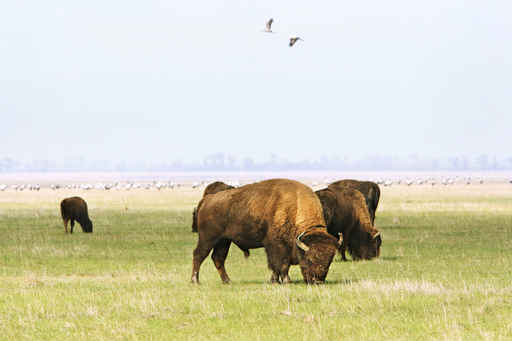
This project will strengthen Native land stewardship and sustain the Northern Cheyenne Tribe Buffalo Program, ensuring continued management of Tribal buffalo, responsible stewardship of grazing lands, and preservation of an enduring cultural asset.
This project builds tribal capacity and supports tribal leadership's efforts in cross-agency management of native habitats and culturally important natural resources on reservation and adjacent U.S. Forest Service lands.
This project builds capacity of the Conservancy, the co-managers of the Redbox Ranger Station, to engage with U.S. Forest Service programs for support in advancing tribal stewardship and land management through co-management visioning, feasibility assessments, and capacity building.
This project supports collaboration and relationship building between Taos Pueblo and the U.S. Forest Service. This project also creates opportunities for capacity building through community engagement and increases capacity to pursue federal funding opportunities.
This project strengthens water infrastructure to improve water access, enhance grazing management, support buffalo health, and increase forage production across 34,000 acres of buffalo pasture.
This project builds tribal capacity to steward 200 acres of newly acquired tribal land, including 100+ forested acres through conservation planning, grant development, and administrative systems that enable the tribe to pursue U.S. Forest Service funding opportunities.
This project builds Kusilvak Rising's capacity to engage federal partners and pursue U.S. Forest Service funding that supports Native leadership; climate adaptation; and sustainable stewardship of land, water, and subsistence resources in the Kusilvak region.
This project focuses on growing program staff capacity, increasing community education, and developing construction plans on a buffalo program office. This project advances tribal food sovereignty and grassland stewardship within the Fort Belknap Indian Reservation.
This project will observe buffalo behavior through a lens of traditional knowledge. Findings will guide development of culturally informed, low-stress buffalo management practices, operational effectiveness, and long-term stewardship consistent with community values.
This project strengthens Menominee Tribal Enterprises’ operational capacity through expanded administrative infrastructure and coordination efforts that enhance strategic planning, compliance, and project management to sustain forestry resources and drive efficient, long-term economic growth.
This project will improve Mooretown’s forest stewardship through purchasing high-pressure water pumps and Compressed Air Foam Systems (CAFS) for our existing equipment, which will allow for safer operations during forestry activities throughout the year.
This project will build capacity for Dot Lake Village’s forestry program by acquiring essential equipment and safety tools to support sustainable forest management, stewardship activities, and safe access to tribal lands for ongoing maintenance, thinning, and resource protection.
This project strengthens Dena’ina and Alutiiq stewardship by acquiring forestry equipment to care for Tribal forest homelands, reduce wildfire risk, and protect lands that sustain cultural lifeways, subsistence traditions, and community well-being for future generations.
This project will support efforts to restore our forests through the purchase of essential equipment including a truck, fire pump and forestry saw needed for prescribed fires and restoration purposes.
This project increases capacity for two Pit River tribal forestry crews located 200 miles apart to manage our 3.4 million acres of ancestral homelands through the purchase of a side-by-side to access high-risk fuel areas, essential supplies and equipment to manage forest health.
This project strengthens the Tribe’s capacity to sustainably manage and harvest forest resources by improving operational efficiency and access. It supports forest health, enhances timber value, and enabling the Tribe to manage its lands and steward resources for future generations.
The purpose of all CHIRP activities is to preserve, protect, and perpetuate Nisenan culture. This project supports the purchase of essential forestry equipment for CHIRP's recently formed Tribally-led Land Stewardship Crew, which is designed to return beneficial fire to our Tribal landscapes.
This project kickstarts ecological monitoring on privately owned buffalo pasture and tribal land. This project also supports organizational operations associated with the Northern Arapaho and Eastern Shoshone’s science departments.
The overall goal of this project is to enhance the conservation and regeneration of native grassland and shrub ecosystems on the Fort Berthold Indian Reservation and integrating Traditional Ecological Knowledge with scientific data to guide sustainable land management.
This project provides quality buffalo meat to support community, cultural, and ecosystem health. Through education and outreach, Blackfeet Tribe is engaging future generations, strengthening cultural connections, supporting ecological restoration, and creating employment opportunities.
This project supports the development of Rocky Boy Buffalo Project's community-based visitor center where people can learn about the Rocky Boy Buffalo Project and the cultural, ecological, and economic importance of buffalo restoration.
This project preserves, protects, and perpetuates Nisenan culture through the formation of a tribally- led land stewardship crew that will return beneficial fire to tribal lands. This project supports the capacity of the land stewardship crew.
This project supports planning efforts that aim to protect Chilkat Indian Village’s traditional territory and cultural resources. This project supports the creation of a community-guided Tribal Stewardship Plan and builds capacity for pursuing U.S. Forest Service funding and agreements.
This project strengthens Nooksack capacity to engage with U.S. Forest Service programs, expand government-to-government collaboration, support co-stewardship efforts, and cultivate agreements that protect culturally significant ancestral lands for future generations.
This project supports organizational capacity to pursue and manage U.S. Forest Service funding. This project will strengthen land stewardship and cultural revitalization across tribal homelands.
This project supports planning and training efforts that advance climate and wildfire readiness. This project will build staff capacity to engage with the U.S. Forest Service, support emergency preparedness, and cultural resource protection.
This project supports the tribe's partnership with the U.S. Forest Service to protect cultural sites through the reintroduction of Indigenous stewardship practices that support forest and waterway health. This project will strengthen cultural resource protections.
This project strengthens organizational capacity to pursue and manage U.S. Forest Service funding. This project will establish a path for expanding cultural stewardship and climate resilience across tribal homelands through strategic planning, funding alignment, and system readiness.
This project builds organizational capacity to steward 3,000 acres of tribal lands. It will support engagement with U.S. Forest Service and contribute to long-term stewardship planning.
This project builds tribal capacity to pursue U.S. Forest Service funding opportunities, develop partnerships, and implement long-term traditional stewardship practices. This project will also strengthen organizational capacity for grant development and strategic planning.
This project builds organizational capacity to pursue U.S. Forest Service funding opportunities that support community-led stewardship. It will support grant development, stewardship planning, and collaboration with federal partners.
This project builds tribal capacity to engage with the U.S. Forest Service and other federal partners through staff development planning and coordination. It will support natural resource management and long-term stewardship priorities.
This project supports analysis of stewardship strategies grounded in Blackfeet values, which will guide the organizational pursuit of land acquisition and co-stewardship opportunities with tribal, local, state, and federal partners, including the U.S. Forest Service.
This project will support tribal capacity to reduce hazardous fuels, address community heating needs, and deepen collaboration with the US Forest Service. By coordinating firewood harvesting and distribution, the project will enhance community safety and support cultural continuity across the Tribe.
This project supports the tribe's partnership with the U.S. Forest Service and its programs. This project will support the development of a firewood program that integrates cultural stewardship, climate-smart forest management, and sustainable business development.
This project supports tribal capacity to engage with U.S. Forest Service programs, support forest planning, and explore emerging forest market opportunities including carbon projects.
This project expands organizational capacity to support the revitalized traditional use of 45,000 acres of Sante Fe National Forest lands. It will support partnerships with the U.S. Forest Service through co-stewardship, and long-term forest stewardship opportunities.
This project strengthens the tribe’s fire management program through a comprehensive review of tribal lands and engagement with the U.S. Forest Service. This project will build staff and organizational capacity, support cultural resource protection, and community safety.
This project supports the restoration of buffalo and native grasslands in the Southern Plains to revitalize Indigenous foodways, strengthen land stewardship, and rebuild a buffalo-based economy rooted in cultural sovereignty, ecological balance, and community well-being.
This project will build stewardship capacity for Tikahtnu Tribes by hiring an Environmental Monitoring contractor position to support intertribal collaboration, manage internships, support environmental monitoring, & sustain volunteer-led efforts. The grant will be leveraged into additional funding.
To restore and strengthen reciprocal relationships between the Port Graham community and native pollinators through traditional knowledge integration, habitat restoration, and community engagement, ultimately supporting ecosystem health and cultural food security.
Our project will support the restoration of an oyster reef in the Rappahannock River.
Our project will support the restoration of wetland and riparian habitats that sustain critical food and ceremonial wildlife resources of the Cowlitz People. Our project will protect and relocate beaver relatives to cultivate and maintain healthy aquatic ecosystems.
To ensure the long-term food security and cultural well-being of the Hoonah people, this project establishes a tribally led sockeye salmon monitoring program. It leverages new technology and traditional knowledge to provide data for management and strengthens tribal sovereignty over vital fisheries.
The ultimate purpose of this project is to reestablish yaaw (herring) populations near Keex Kwaan (Kake, Alaska and the surrounding areas) for sustainable community harvest, to revitalize the coastal ecosystems that provide critical, sacred foods, and support our traditional way of life.
Our project will support the current conservation herd’s skilled workers in buffalo wildlife management and allow for the retention of Indigenous staff for the Wind River Tribal Buffalo Initiative.
Our project exemplifies how Native stewardship, traditional ecological knowledge & conservation partnerships will restore ecosystems, strengthen cultural identity, & support biodiversity.
Our project restores culturally significant native plants and traditional knowledge as lasting Tribal assets. It protects ecological and cultural resources while building community capacity to steward MGBOMI lands through seasonal restoration, foodways education, and intergenerational learning.
This project is an effort to strengthen the Revitalization of Traditional Cherokee Artisan Resources (RTCAR) program by growing the community partner pool and developing resources that better serve the EBCI artisan community and ensure artisan natural resources are protected and available.
Our project supports the restoration of approximately 900 acres of agriculturally converted lands on the Menominee Reservation, re-establishing native ecosystems to create a sustainable, healthy landscape that provides opportunities for community buffalo harvest.
Restore Pacific lamprey access to historical spawning grounds above dams through culturally guided translocation, addressing ecological restoration and tribal food sovereignty for Columbia River Basin tribes.
Roots of Resilience will support the restoration of Arrow Arum, Button Bush, Spiny Rush, 4 Sides, Swamp Milkweed and Pickerelweed, to prevent erosion and restore the ecosystem for cultural stewardship continuity for the Mattaponi people using significant riparian plants and animals.
Our project will provide the funds to transport buffalo from the City and County of Denver buffalo herds to Tribes with existing buffalo programs. Denver has been donating buffalo to communities over the last 8 years, but Tribes face economic barriers to transportation.
Our project aims to revitalize the Nez Perce Tribe’s Himiin (Wolf- Canis lupus) Program by protecting the cultural and ecological legacy of Hímiin through community engagement, traditional knowledge, and youth mentorship to ensure the long-term care and presence of wolves on Nimiipuu homelands.
This project will establish baseline health data on Dall sheep harvested in the Ahtna Territory by analyzing hunter-harvested sample collections for heavy metals and trace elements to assess Dall sheep health, critical historic subsistence resources, and wildlife stewardship.
This project builds organizational capacity to engage with U.S. Forest Service funding opportunities, aligns stewardship priorities across departments, and supports long-term forest stewardship efforts through improved systems.
This project supports the integration of traditional knowledge and science-based restoration approaches into a comprehensive land stewardship plan. This project will also strengthen capacity to pursue funding opportunities and collaboration with the U.S. Forest Service.
This project builds organizational capacity to support technical planning, forest restoration, and wildfire preparedness. It will support engagement with the U.S. Forest Service and other federal partnerships.
This project builds tribal capacity to support community-led research and pursue U.S. Forest Service funding for forest stewardship.
This project expands organizational capacity to develop agreements and partnerships with the U.S. Forest Service. This work will contribute to cultural site restoration, forest stewardship, and collaboration across multiple National Forests.
This project supports tribal capacity to collaborate with the U.S. Forest Service on forest stewardship to enhance wildlife habitat and reflect tribal values. It will support engagement in federal planning and funding opportunities.
This project expands organizational capacity to support forestry stewardship across more than 128,000 acres of tribal lands. It will support engagement with U.S. Forest Service opportunities, youth learning opportunities, and sustain co-management and forest stewardship efforts.
This project builds tribal capacity to pursue U.S. Forest Service funding by building internal infrastructure and administrative systems. This project will strengthen grant management, support effective planning, and increase engagement with federal partners.
This project supports tribal capacity to pursue U.S. Forest Service partnerships and funding opportunities that align with Ojibwe land values. This project will support the protection, restoration, and stewardship of Leech Lake forested homelands.
This project supports efforts to improve wildlife planning through place-based data collection and community informed decision making. This work will strengthen collaboration with U.S. Forest Service programs in fire response and mitigation.
This project supports tribal land management by building organizational capacity and grants development. This will enable the tribe to pursue funding opportunities with the U.S. Forest Service, strengthen collaboration and support forest stewardship health.
This project builds organizational capacity to pursue and manage funding opportunities that support forest stewardship.
This project builds tribal capacity to promote planning for post Windy Fire cultural site restoration and post fire recovery efforts. The project will support the pursuit of biological surveys, trainings, and coordinated recovery planning with the U.S. Forest Service.
This project builds tribal capacity to engage with U.S. Forest Service programs that align with their Tribal Climate Adaptation Plan. This project also supports stewardship and the protection of culturally significant information and landscapes.
This project supports capacity of Tribal Natural Resources staff to engage with U.S. Forest Service programs and to develop strategic funding plans. This project will strengthen partnerships with the newly formed Tribal Conservation District.
This project will support the Burns Paiute Tribe to manage tribal rangelands by funding a Rangeland Ecologist position and grant-writing services. This project will support staff time, travel, supplies, and future grant development. It will enable the Tribe to secure USFS funding, strengthen collaboration and ensure ecological, cultural, and economic sustainability.
This project builds tribal capacity to reduce hazardous fuels, meet community heating needs, and engage with the U.S. Forest Service. This project will strengthen community safety, support cultural continuity, and tribal stewardship.
This project supports the development of a comprehensive wildfire risk assessment. This project will build tribal capacity to engage with the U.S. Forest Service and other state, federal, and nonprofit partners.
Sault Ste. Marie Tribe of Chippewa Indians, Michigan
This project supports organizational capacity for carbon and biodiversity monitoring on tribal and adjacent lands. It will support engagement with U.S. Forest Service partnerships and emerging forest markets opportunities.
Fort Belknap Indian Community of the Fort Belknap Reservation of Montana
This project will advance buffalo restoration on tribal lands by building the Fort Belknap Buffalo program capacity and creating opportunities for youth to participate in summer reseeding and fencing projects.
Inter-Tribal
This project will offer quality buffalo meat to enhance people's health and lives. We will utilize education and outreach to create opportunities to recruit and retain younger generations to carry on buffalo restoration. The project will promote culture, spiritual revitalization, ecological restoration and will increase employment opportunities.
Chippewa Cree Indians of the Rocky Boy's Reservation, Montana
This project will create a visitor information center with outbuildings for office space for management/ employees of the buffalo program and equipment storage space.
Arapahoe Tribe of the Wind River Reservation, Wyoming
This project is restoring the conservation of Buffalo for the Wind River Reservation and tribal members through land rematriation, community revitalization, and youth education. It (re)creates connection to the Buffalo, increases the number of buffalo and amount of land owned by the Tribes, and leverages the Tribes' spiritual ceremonies.
Yankton Sioux Tribe of South Dakota
This project will allow Brave Heart Society to hire a Stewardship Coordinator. This position will leverage existing ethnobotanical data and restorative agricultural practices, retain and utilize cultural assets, and enhance co-stewardship and land management efforts and ultimately bolstering food sovereignty on the Yankton Reservation and surrounding native communities.
Three Affiliated Tribes of the Fort Berthold Reservation, North Dakota
This project will support the creation of more sustainable livelihoods in Native communities within North Dakota and promote the preservation of our pristine grasslands and secure and protect the sacred sites, while providing cultural and traditional information through tours.
Lower Brule Sioux Tribe of the Lower Brule Reservation, South Dakota
Our projects will create new grasslands where croplands currently exist and retain existing habitat that could be destroyed. It will create connectivity between existing native grasslands and retain connectivity of unique habitat. This project will leverage funding from other partners and increase the key habitats that exists on the reservation.
Spirit Lake Tribe, North Dakota
NDNTA will create a new nonprofit tour operator, Native American Cultural Tours (NACT) to create economic opportunities within North Dakota’s Indigenous communities that protect our culture and landscapes, including native grasslands.
Oglala Sioux Tribe
Our ultimate purpose is to create a set of successful regenerative buffalo grazing models that scientifically document the beneficial impact upon soil health and native grasslands, leading to further research and a legitimate seat at the table for Native peoples within the regenerative agriculture movement.
Fort Belknap Indian Community of the Fort Belknap Reservation of Montana
Create three conservation areas at tribal bison fields & American Prairie Reserve's Antelope Creek campground and post wildfire rehabilitation areas in the Little Rocky Mountains for the reintroduction of native grasses & medicinal plants to help control soil erosion, improve water quality and increase wildlife habitats.
Inter-Tribal
This project will increase outreach and engagement to expand G4G’s coalition of Tribes and Tribal citizens, improving collaboration and fostering co-design of grassland-focused conservation activities. The conservation activities will, in subsequent phases, create new and leverage existing sustainable economic opportunities and conservation projects that directly conserve intact grasslands.
Lower Brule Sioux Tribe of the Lower Brule Reservation, South Dakota
Our projects will create new grasslands where croplands currently exist and retain existing habitat that could be destroyed. It will create connectivity between existing native grasslands and retain connectivity of unique habitat. This project will leverage funding from other partners and increase the key habitats that exists on the reservation.
Oglala Sioux Tribe
The purpose of the Phežúta Garden Project is to create an accessible space for community members to gather and learn about traditional medicines. By planting within tribal communities, elders, youth and teachers will have increased access to traditional medicines, thus retaining Traditional Lakota Ecological Knowledge and increasing native grassland preservation.
Rosebud Sioux Tribe of the Rosebud Indian Reservation, South Dakota
The Wolakota Buffalo Range utilizes Indigenous knowledge to regenerate the grassland ecosystem and economy of the Sicangu Lakota Oyate. Wolakota is set to become the largest Native-owned and managed herd and the project ensures that 28,000-acres will remain under Native control, all while creating positive economic, ecological, and cultural outcomes.
Yankton Sioux Tribe of South Dakota
Continuing opportunities to develop regenerative and sustainable practices that are respectful of Mother Earth. Create a learning lab Retain new Native farmers Utilize new leases for farming and restoration Control management of leased lands Increase the number of Native leases Leverage grassland restoration as a regenerative practice for current tracts
Confederated Salish & Kootenai Tribes of the Flathead Reservation
To establish a conservation program to identify potential Chronic Wasting Disease and other diseases found in large game herds found on the Flathead Reservation. This program will utilize the excising mutual relationship between Confederated Salish and Kootenai Tribal Hunters and reservation farms and ranches.
Sisseton-Wahpeton Oyate of the Lake Traverse Reservation, South Dakota
In this pandemic, there is a call for medicinal plants to help our Tribe to protect, prevent, mitigate and combat COVID sickness but there was not enough available. This purpose is to create, originate, maintain and cultivate 4+ medicine garden areas. This will leverage and provide seedlings/seed bank.
Rosebud Sioux Tribe of the Rosebud Indian Reservation, South Dakota
Blooming Honey Lodge will increase the capacity for this social enterprise to expand into a self-sustaining arm of their parent organization, Lakota Youth Development, while stewarding Sicangu Lakota lands through beekeeping. This project utilizes indigenous knowledge through modern-day economic development and stewardship.
Lower Brule Sioux Tribe of the Lower Brule Reservation, South Dakota
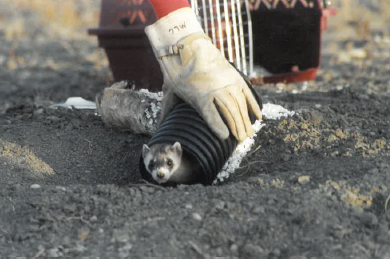
The ultimate purpose of this project is to 1) increase the pronghorn population, 2) increase the black-footed ferret population, 3) retain institutional knowledge by retaining current staff, 4) increase tribal knowledge of wildlife ecology, 5) leverage this project with other existing projects, and 6) utilize the expertise of staff to continue to build our program.
Fort Belknap Indian Community of the Fort Belknap Reservation of Montana
The ultimate purpose of the project is to create a new tipi & cabin campground, which includes a cultural & education village located on the southern end of the Fort Belknap reservation.
Chippewa Cree Indians of the Rocky Boy's Reservation, Montana
This project would create a GIS database for the Tribe and would be utilized by the NRD and other tribal entities. GIS would be used for retaining all records and mapping all assets and tribal resources. This mapping of assets would be used in decision making, creating baseline data for our tribal resources, and would allow for quick access, within minutes to increase participation and knowledge for the Tribe regarding where our tribal assets are located. GIS would be able to track and record emergencies like wildland fire starts and other natural disasters, as well as all project work.
Chippewa Cree Indians of the Rocky Boy's Reservation, Montana
Purpose To implement fuels reduction and conservation strategies to enhance public safety and natural resources. Efforts will initiate long term goals to regain control of tribal stewardship initiatives that will increase opportunities around natural resources to include employment and economic development.
Cheyenne River Sioux Tribe of the Cheyenne River Reservation, South Dakota
The goal of this project will be to obtain enough Tribal lands that can support a self-sustaining population of Black-footed Ferrets. This will be accomplished by utilizing an untapped natural resource, prairie dog colonies, a keystone specie, for ferret habitat and to retain control of native species of concern in the event of future listing of the prairie dog under the Endangered Species act by protecting and entering into agreements with Federal U.S. Fish & Wildlife Service honoring Tribal sovereignty. It is an objective to seek out funding sources to leverage project funds to obtain long term funds.
Oglala Sioux Tribe
The ultimate purpose of Natural Resources and Forestry is to provide and create guidance and technical assistance in the assertion and retention of Treaty and reserved right with regards to the compliance with Tribal, State and Federal Law in the protection, conservation management, and preservation of health diversity, and productivity of the Oglala Sioux Tribe's Natural and Water Resources to meet the needs of present and future generations to come. Our commitment to proper stewardships and public service is the framework within which natural resources are managed and controlled for the increased awareness of all permitting practices at Natural Resources.
Lower Brule Sioux Tribe of the Lower Brule Reservation, South Dakota
The purpose of our project is to determine the feasibility of developing a carbon sequestration program for Lower Brule Sioux Tribal Lands. If feasible, the Tribe will see an increase in revenue, which will in turn be utilized to promote self-sufficiency for the Department of Wildlife, Fish and Recreation and potentially the Tribe as a whole. Additionally, this project will promote environmental stewardship and enhance habitat available to fish and wildlife.
Rosebud Sioux Tribe of the Rosebud Indian Reservation, South Dakota
The ultimate purpose is to create a management plan that outlines our current wildlife/habitat conditions, and also aligns our conservation efforts with the best management practices. Building up our current database (knowledge, GIS, new partnerships, etc.), is also a major component to this project. This improved database will be utilized to decide which management practice is best suited for a particular situation. We feel that in order to properly protect our resources, we need to first identify them. We will take a proactive approach to our management practices, rather than the reactive nature of our current management system.
Fort Belknap Indian Community of the Fort Belknap Reservation of Montana
The ultimate purpose is to develop a trail maintenance program that would consist of tribal trained youth in conservation and environmental methods. We also can utilize this to leverage more volunteers from Montana Conservation Corps and Americorps for additional workers to construct even more trails. This will provide a classroom effect for learning and training purposes for the area schools and the tribal college. It will serve as a health component for the tribal residents and the Tribal Health Department.