
Kristina Stanley
Lead Program Officer, Native Agriculture and Food Systems Investments
Ojibwe (Red Cliff)
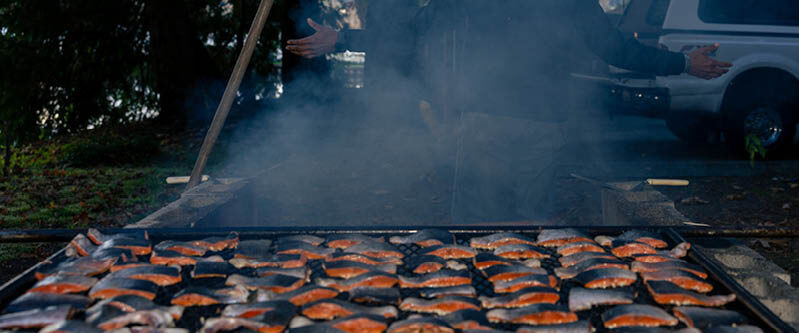
Projects under the Native Food Security focus area support the consistent access and abundance of culturally relevant foods to meet the community’s needs and preferences to ensure a healthy tribal community food system. We support communities to ensure traditional foods and foodways have a path to move from lack to abundance.
This project increases food security on Pine Ridge by expanding processing and packaging infrastructure, strengthening tribal producer capacity, and improving access to locally sourced and traditional foods through the Makoce Food Hub.
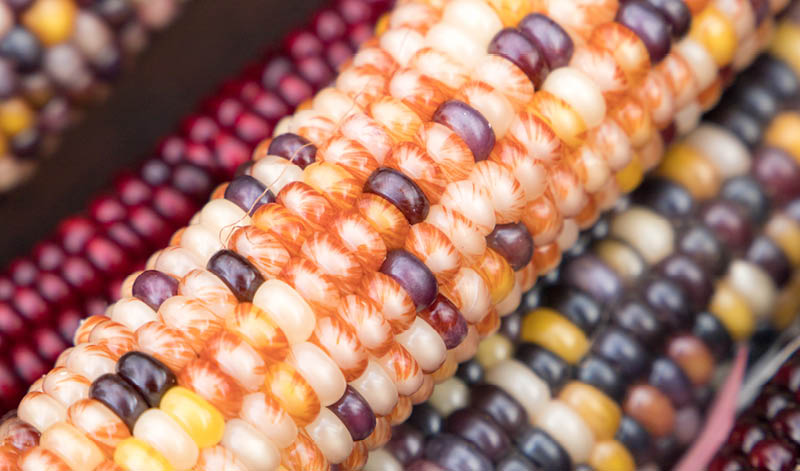
This project will create food storage space to enhance resilience against climate change-fueled crop failures by leveraging and expanding emerging infrastructure. It will open opportunities for product aggregation to increase regional market access for small Tribal corn farmers.
This project restores ʻāina in Makaweli to increase Native Hawaiian food production and access, strengthening community food systems through culturally grounded agriculture, distribution, and workforce development.
This project supports Native Hawaiian and Pacific Islander farmers in restoring crops and rebuilding after flooding by providing direct stipends for essential supplies, strengthening resilient Native foodways and ensuring continued access to culturally relevant foods.
This project leverages local agricultural partnerships to provide nutritious food distribution and educational programming for the Chickahominy Indian Tribe - Eastern Division, protecting tribal health and food sovereignty while supporting the regional farm economy.
Wič́hóni Wašté is a structured, application-based program that provides culturally relevant food to households experiencing food insecurity while equipping our relatives with the nutrition, cooking, and budgeting knowledge to build lasting food independence.
Provide reliable, culturally relevant food to Manley Hot Springs residents through community-led distribution, reducing food insecurity, lowering costs, and strengthening local food systems while supporting health, resilience, and traditional food practices.
This project will create opportunities for tribal community members to participate in their food economy by providing new members with standardized coop setups, including generators to ensure water availability in the event of a fire and to maintain consistent refrigeration for eggs.
This project will increase the production, processing, and distribution of kalo poi and other foods, strengthening Native Hawaiian food systems, improving access to culturally relevant nutrition, and leveraging agricultural and processing infrastructure to support health and resilience in East Maui.
This project strengthens Native food security in Nch'i-Wána *Yakama and Umatilla* by protecting ancestral food landscapes, advancing intergenerational knowledge, and developing community-led food infrastructure to ensure long-term access to culturally relevant foods.
The SHARE Project will increase access to healthy, culturally relevant foods across the FPIR through a centralized pantry and mobile distribution system, leveraging partnerships to ensure equitable access for elders, low-income households, and underserved communities.
This project restores a clan-led Indigenous food system by activating ancestral land, teaching seasonal harvesting practices, and building long-term capacity for stewarding, processing, and sharing traditional foods.
The Comanche Nation project will restore traditional foodways through a community garden, tribal seed bank, and elder-led workshops — integrating tribally grown foods into existing distribution and reconnecting 309 households to the seeds, knowledge, and culture defining Comanche food sovereignty.
This project secures a land assignment so that we may build the Hopi Resource Center, a multi-function food receiving, processing, storage, and distribution facility. It will increase access to both Native foods and products that our families currently travel thousands of miles per year to purchase.