


Kristina Stanley
Lead Program Officer, Native Agriculture and Food Systems Investments
Ojibwe (Red Cliff)
Projects under the Native Food Sovereignty focus area support the inherent right of Tribal communities to exercise self-determination and self-governance in all aspects of their food systems. Native communities have the authority to shape food policies and practices to maintain and strengthen control of their indigenous food systems.
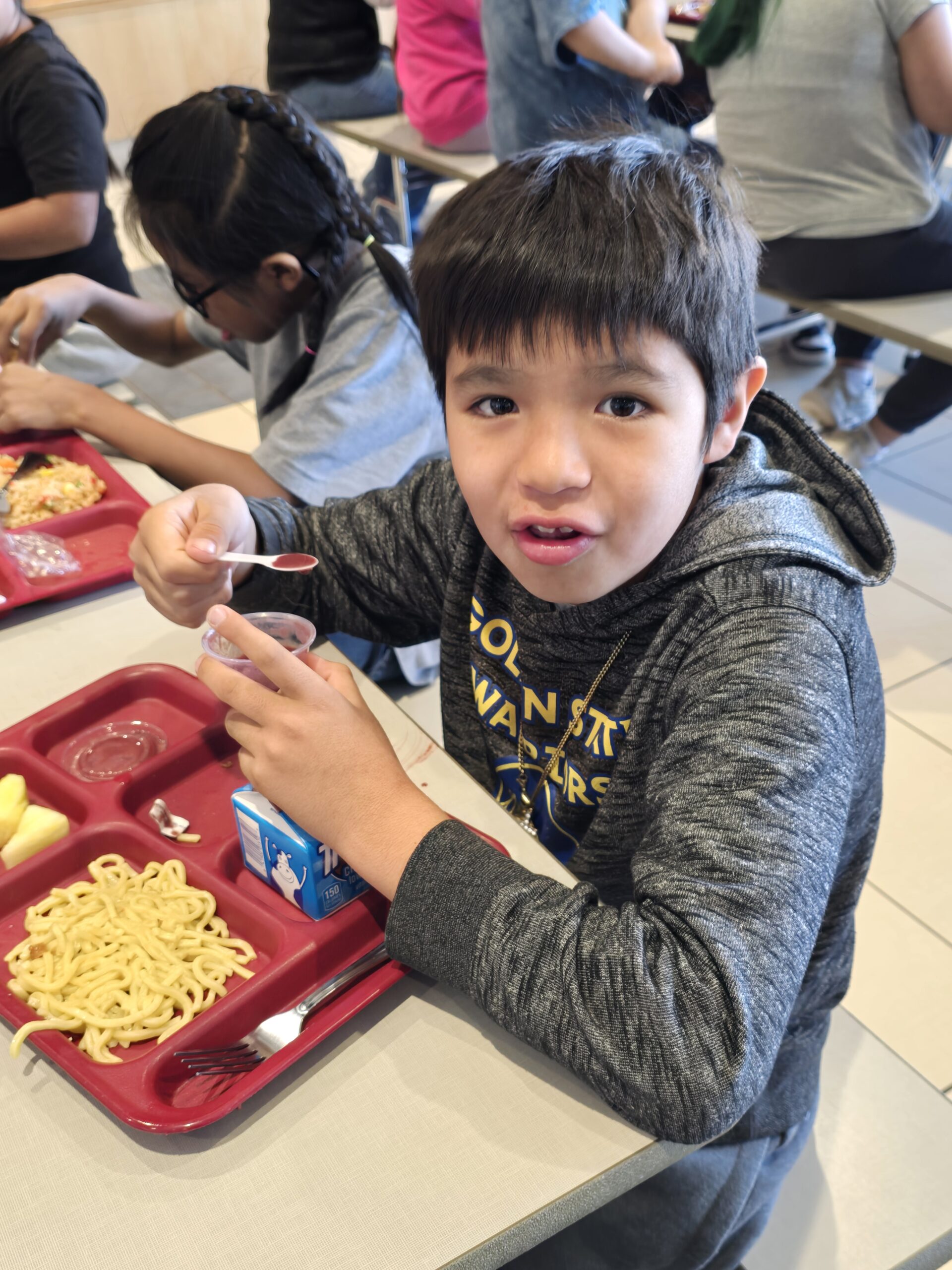
On the Wind River Reservation in Wyoming, children are being reintroduced to traditional foods, connecting with the history before them, and strengthening a resilient food system for the future. In li...
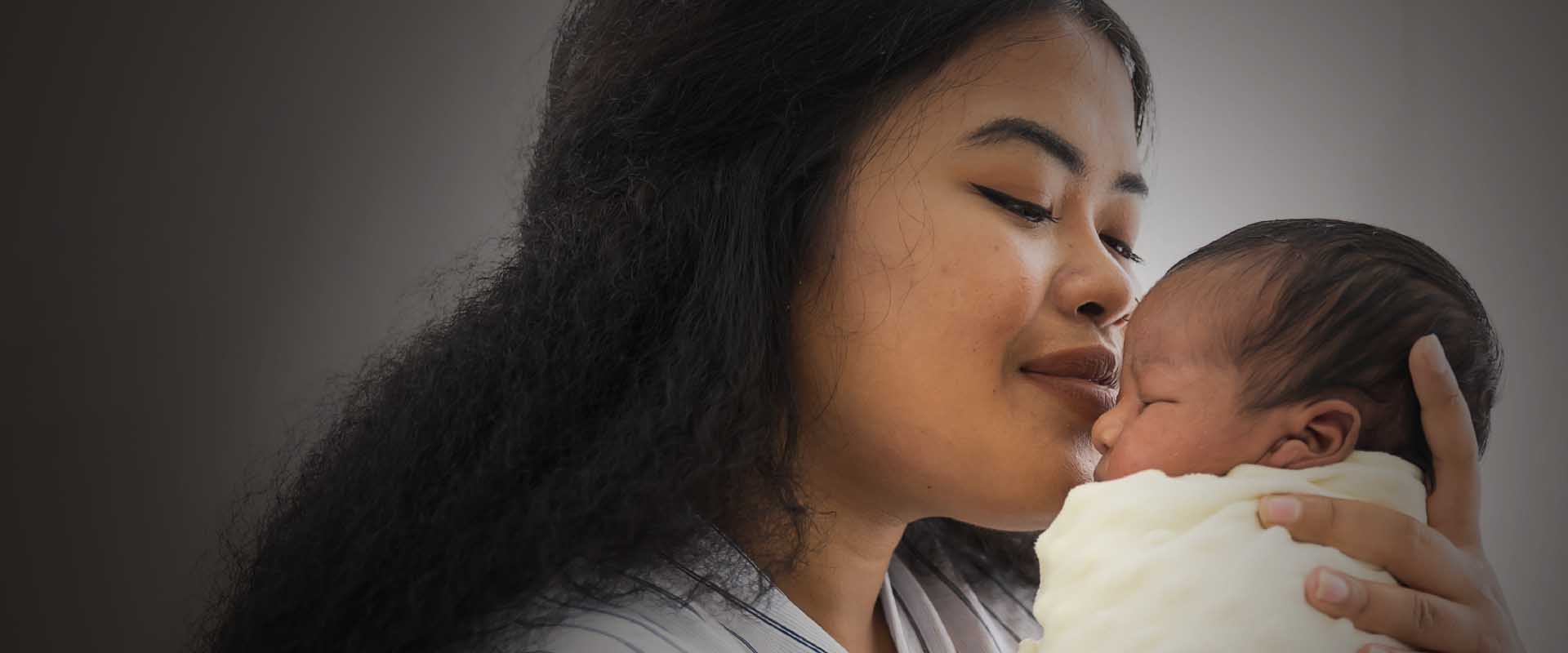
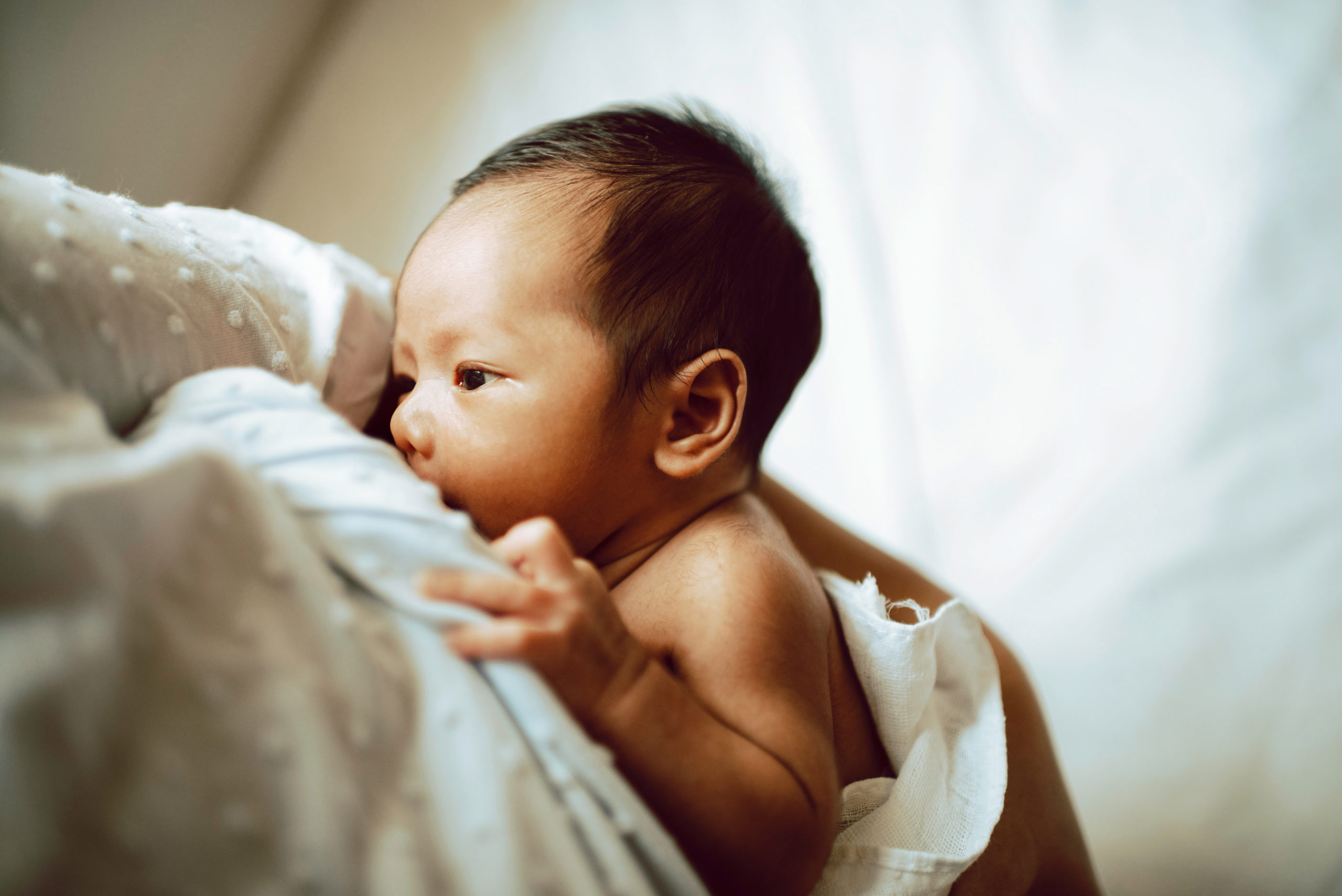
Food and birth are among the first teachers we encounter in life. For Native peoples, food and birth are inseparable threads in the fabric of community health. First Nations’ First Foods and Maternal ...
This grant supports the Bobcat Birthworker & Community-Based Training in Anadarko, Oklahoma
This project convenes Native producers and Tribal Leaders to highlight a diverse range of topics including healthcare, education, culture, economic development, and other issues impacting Native communities.
This grant supports the Denver Indian Family Resource Center's Navajo Song & Dance Event.
This project advances Urban Indian Food Sovereignty in two parts: first, demonstration growing, foodways workshops and community feasts share knowledge to inform the collective build out of long-term foodways access in a Native orchard/foodways walking trail on our TNAS-managed conservation acreage.
The Yurok Tribe Food Sovereignty Program will implement a culturally rooted initiative to support Yurok mothers, infants, and young children by increasing access to traditional first foods through the distribution of seasonal Traditional Food and Healthy Food boxes.
This project revives imu culture in the Waimānalo Hawaiian Homestead community, strengthening cultural identity, food self-sufficiency, and shared learning. Through traditional earth oven practice, we nurture connection, mālama ʻāina, and the passing of knowledge between generations.
Through our Tribal partnership with the Yankton Sioux Tribe and with community and Elder-led governance, we provide nutrient-dense traditional foods and intergenerational knowledge to ensure the health and self-determination of Native mothers and infants.
The ultimate purpose is to increase traditional knowledge, improve the health of parents and their babies (i.e. mental, spiritual, physical, emotional), leverage current resources for birthing nursing parents and lactation professionals.
The purpose of the Breastfeeding and First Foods project is to increase breastfeeding duration in Tribal Communities in Wisconsin through a variety of educational and support initiatives.
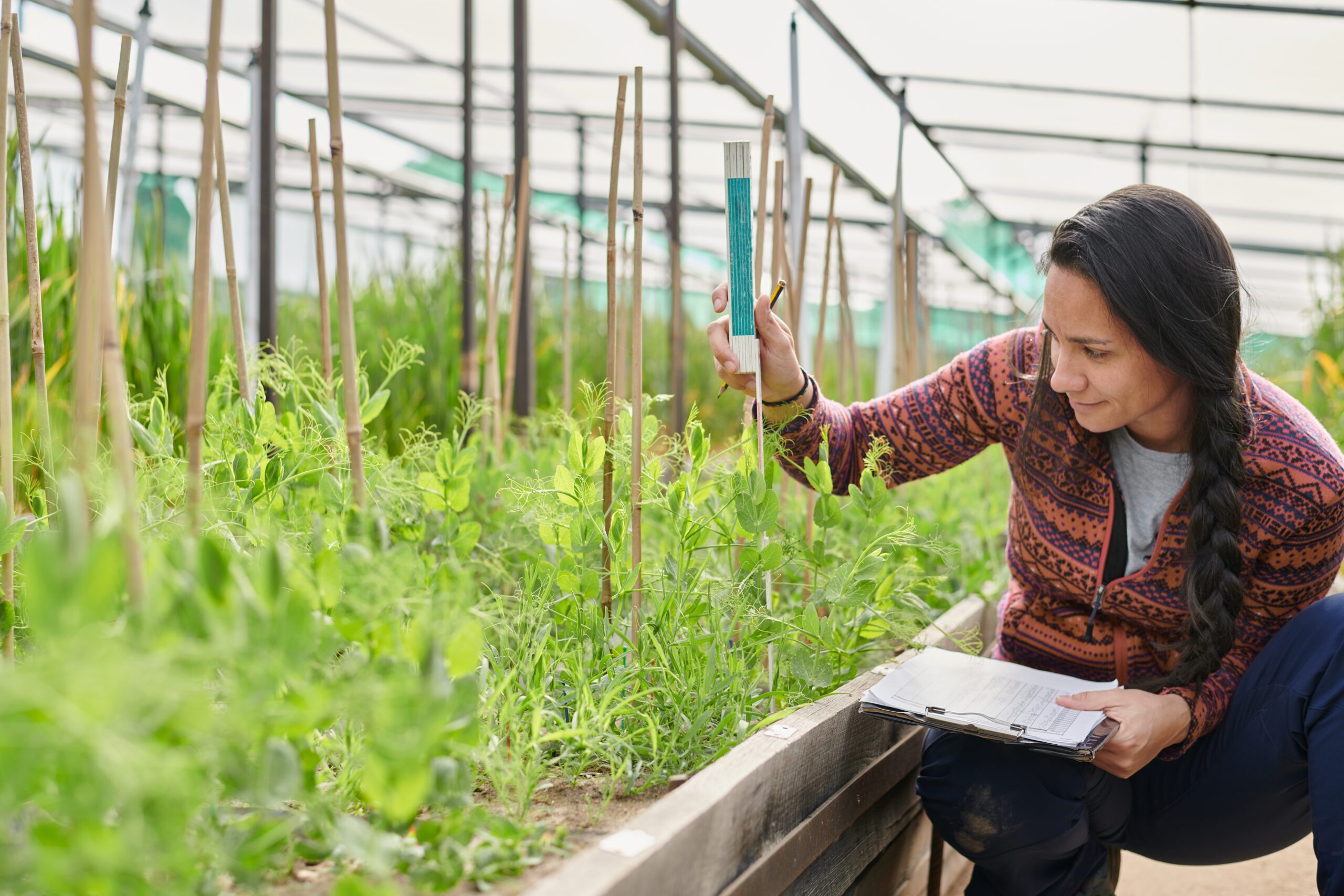
This project will convert a hoop house into a year-round greenhouse for the Pueblo of Zia, incorporating a horizontal hydroponic system alongside soil production to grow culturally important crops like chile, corn, squash, and herbs, supporting local food production and community food sovereignty.
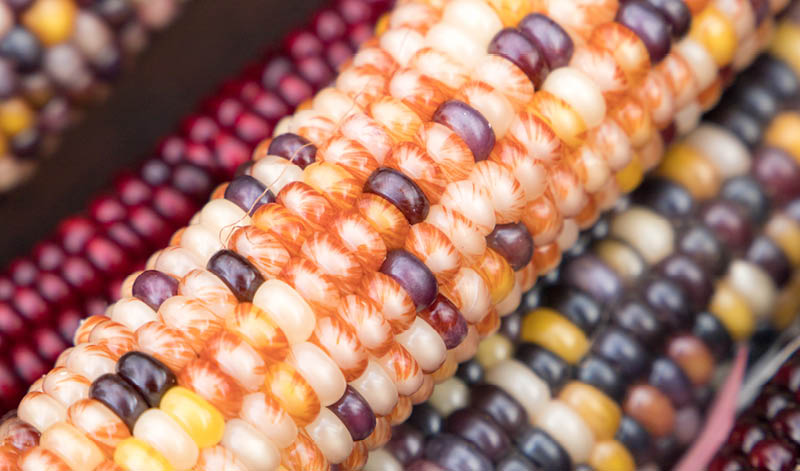
Ukwakhwa will pilot expanded production of Haudenosaunee heirloom corn and beans to strengthen seed sovereignty, teach scalable growing methods, and increase culturally relevant food access for tribal elders through the Tribal Elder Food Box program.
This project will expand culturally grounded maternal health and first foods programming for urban Native families in Detroit by increasing access to traditional food knowledge, lactation support, and Indigenous parenting practices.
This project strengthens governance of food systems on the Navajo Nation by supporting Diné women ranchers as decision-makers in land, livestock, and food policy. Through strategic convenings, participants will position women's leadership within tribal food governance structures.
This project supports a traditional meat harvesting and processing camp where Nez Perce families hunt on ancestral lands and learn hide tanning, meat cutting, and preservation. The camp strengthens food sovereignty by sharing traditional food knowledge across generations.
This project advances Indigenous First Foods sovereignty by expanding culturally grounded Milk Medicine education, supporting Indigenous parents and caregivers, and strengthening intergenerational knowledge that sustains maternal, infant, and community health and protective factors.
The Traditional Birth Work Gathering serves to revitalize and reclaim traditional Lakota Birth Practices along side Traditional foods and land protection. Our gathering is a space for community healing and learning. This project has been a catalyst in the Indigenous Birth Justice movement.
The project will expand maternal wellness services by restoring Indigenous birthing traditions, nourishing mothers with traditional foods, and strengthening community support from pregnancy through postpartum. By reconnecting families to ancestral knowledge we enhance maternal and infant health.
This project strengthens Indigenous food sovereignty by revitalizing traditional knowledge and culturally rooted systems of care for Native families in Montana, leveraging ancestral teachings on First Foods, lactation, and postpartum healing.
This project will create 14 fee PreK-12 unit plans highlighting indigenous foodways of the midwestern region. It leverages the expertise of three indigenous communities - Jessica Walks First (Menominee), Kim McIver (Ojibwe) and Gina Roxas (Prairie Band Potawatomi) as well Pilot Light teachers.
This project will strengthen Ojibwe food sovereignty by creating seasonal, land-based learning gatherings where community members and schools participate in traditional harvesting, food preparation, and Ojibwe language use tied to berry picking, wild rice, trapping, and hunting-related foodways.
This project revitalizes Native Hawaiian birth and food traditions by expanding culturally grounded maternal and infant care and birthing practices, first foods education, and practitioner training, strengthening community networks and increasing access to traditional foods for families and keiki.
This project strengthens Native food sovereignty by restoring breastfeeding as a sacred First Food, expanding access to culturally grounded lactation support, supplies, and early nutrition education, empowering families to nourish infants through traditional, self-determined food systems from birth.
GPVSC will launch a Native Veteran traditional hunting and food-sharing program that reconnects Veterans to cultural foodways, organizes safe hunting on tribal lands, and distributes harvested game to low-income and elderly Veteran households across Rocky Boy, Blackfeet, and Fort Belknap.
The Alaska Native Birthworkers Community is a community-based group of full spectrum Indigenous birth helpers and reproductive justice advocates organizing to reclaim Indigenous birth practices and to support Native families from preconception through postpartum with culturally-matched care.
Doulas with Dinners provides postpartum meals for Indigenous families in their first month after birth to support healing. These meals incorporate cultural ingredients and reconnection to ancestral foods. We aim to ease postpartum transition, ensuring they feel supported during this sacred time.
This project strengthens Native food sovereignty by building governance infrastructure that supports Native leadership of urban food systems, strengthens land stewardship practices, and connects Indigenous farmers, food initiatives, and community health efforts.
Kwiyagat Native Foods Program will revitalize Ute Mountain Ute traditional foods in school—building youth identity, health, and food knowledge. Through meal integration, gardens, producer-led learning, field trips, and community meals, we strengthen food sovereignty and bring traditional foods back
The Healing Food Traditions Project which will educate expectant and new mothers about Navajo traditional foods that foster a healthy diet. Through the development of an online resource and implementation of 3 workshops, this project will connect families to cultural stories, customs, and knowledge.
This project will strengthen a new Intertribal network of food system infrastructure by operationalizing Red Cliff’s new Multi-Purpose Food Sovereignty Building, resulting in increased processing, storage, and economic opportunities for Tribal producers and rebuilding of traditional trade routes.
Rematriation’s 9th Annual Rekindling the Fire of Our Sisterhood Gathering is centering Haudenosaunee traditional food practices with hands-on workshops in seed keeping, fire keeping, and wood-fired clay pottery making.
This project supports Navajo families through culturally grounded postpartum education that connects bodyfeeding, traditional foods, and Navajo language. Community workshops and educational materials will strengthen Indigenous nourishment practices and maternal and infant well-being.
The “Awahsin: Restoring the Great Plains Indian Diet on a Piikani-Owned Community Site” engages Piikani youth in the learning and practice of cultivating, harvesting, and enjoying or selling traditional Piikani foods upon the recently acquired Piikani Lodge site on the Blackfeet Nation.
Hanauna Mau strengthens food resilience by reconnecting communities to preservation, provisioning, and ʻāina (land)-based nourishment. Participants learn drying, fermenting, smoking, canning, and other traditional and modern methods for sustaining both voyages and everyday life.
The Lower Sioux Indian Community (LSIC) seeks to re‑establish a tribally managed bison herd as a means of restoring food sovereignty, strengthening cultural identity, and improving long‑term environmental resilience.
Cherokee Nation
Menominee Indian Tribe of Wisconsin
Navajo Nation, Arizona, New Mexico, and Utah
Klamath Tribes
Blackfeet Tribe of the Blackfeet Indian Reservation of Montana
Turtle Mountain Band of Chippewa Indians of North Dakota
Cheyenne River Sioux Tribe of the Cheyenne River Reservation, South Dakota
Te-Moak Tribe of Western Shoshone Indians of Nevada
Oglala Sioux Tribe
Seneca Nation of Indians
Healthy Start empowers Indigenous families in urban Detroit by revitalizing first foods, supporting maternal wellness, and strengthening cultural ties—ensuring that Native parents can nourish, raise, and care for their children in ways that honor ancestral knowledge and uphold food sovereignty.
create space that centers the reclaiming, utilizing, controlling and transferring of culturally, spiritually relevant applicable skills knowledge and experiences to coming generations for reclaiming and maintaining, as well as leveraging, Womb Sovereignty and self determination and body autonomy.
This project will provide increased traditional Cherokee foods to mothers and children, provide training on traditional gardening and cooking, and create and provide resources for program participants, as well as the larger Cherokee community regarding traditional Cherokee foodways.
This project will help create opportunities for local Native families to deepen their land-based connections to traditional foods & plant medicines while protecting their rest and healing during postpartum by leveraging partnerships to deliver nourishing meals to their doors.
The purpose of the Breastfeeding and First Food Program is to build community support for breastfeeding through educational initiatives to increase the duration rates of breastfeeding in Tribal Communities in Wisconsin.
The project revitalizes Navajo bodyfeeding traditions to improve health, decrease maternal and infant mortality, and strengthen cultural identity. We leverage ancestral knowledge, language, and ceremony as living assets to promote wellness and balance across generations.
Provide free direct services to Native birthing families; grow a cohort of trained Indigenous birthworkers to serve Native birthing families; and support systemic change for improved maternal health outcomes and positive birthing experiences for Native birthing families.
This project will improve the breastfeeding support and education among the American Indian/Indigenous communities of Minnesota.
Lac du Flambeau Band of Lake Superior Chippewa Indians of the Lac du Flambeau Reservation of Wisconsin
Minnesota Chippewa Tribe, Minnesota (Bois Forte Band; Fond du Lac Band; Grand Portage Band; Leech Lake Band; Mille Lacs Band; White Earth Band)
Inter-Tribal
The ultimate purpose is to increase traditional knowledge, improve the health of parents and their babies (i.e. mental, spiritual, physical, emotional), leverage current resources for birthing nursing parents.
Lac du Flambeau Band of Lake Superior Chippewa Indians of the Lac du Flambeau Reservation of Wisconsin
This project will empower Great Lakes Inter-Tribal Council Inc. to deliver 2 educational sessions on traditional first foods for breastfeeding, distribute 35 food boxes with recipes to lactating families, host 2 events for Indigenous Milk Medicine Week, and support Indigenous Lactation Counselors in organizing 3 educational events in their communities.
Turtle Mountain Band of Chippewa Indians of North Dakota
White Mountain Apache Tribe of the Fort Apache Reservation, Arizona
Navajo Nation, Arizona, New Mexico, and Utah
Cheyenne River Sioux Tribe of the Cheyenne River Reservation, South Dakota
Native Hawaiian
Other
Oneida Tribe of Indians of Wisconsin
Turtle Mountain Band of Chippewa Indians of North Dakota
Comanche Nation, Oklahoma
Native Hawaiian
Minnesota Chippewa Tribe, Minnesota (Bois Forte Band; Fond du Lac Band; Grand Portage Band; Leech Lake Band; Mille Lacs Band; White Earth Band)
The ultimate purpose of our application is to increase access, participation, and utilization of Anishinaabe-led and centered supportive pregnancy care and birthing practices through the integration of Anishinaabe birth workers.
Navajo Nation, Arizona, New Mexico, and Utah
The ultimate purpose of the is to 1) create access to traditional foods and educational opportunities related to nutrition and use of traditional foods as part of the holistic Diné education of our participating families and 2) increase knowledge/use of Diné traditional foods/plants to improve their health and wellness.
Inter-Tribal
Educational materials, sessions, and support groups for Wisconsin tribes supporting Indigenous birthing practices.
Inter-Tribal
Our purpose is to promote sovereignty from first breath. We are growing a culturally matched peer model of support to serve Native birthing families so that they feel supported, well cared for, and full of the information they need to make confident choices around reproductive health, birthing, and parenthood.
Saint Regis Mohawk Tribe
Our purpose of this project is to create an avenue for postpartum mothers and newborns to retain ancestral food sources and also leverage postpartum nutrition to better control the health outcomes and increase breastfeeding rates by utilizing traditional foods to help nourish our postpartum mothers and babies.
Pueblo of Laguna, New Mexico
The main goal of the midwifery fund is to increase access to out-of-hospital birth services for Native families. We can do this by funding midwives and doulas serving Native families and covering associated costs for families (food, transportation, supplements, etc) and by referring families to existing community resources.
Inter-Tribal
Our ultimate purpose is to create new ways to utilize and retain knowledge of Oceti Sakowin birthing practices by increasing the number of Lakota and Dakota women who will educate others on the sacred nature of birth and children and the importance of nutritious food and breastfeeding.
Minnesota Chippewa Tribe, Minnesota (Bois Forte Band; Fond du Lac Band; Grand Portage Band; Leech Lake Band; Mille Lacs Band; White Earth Band)
The ultimate purpose is to 1) increase traditional knowledge about lactation,2) increase the health of parents and their babies (i.e. mental, spiritual, physical, emotional), 3)Leverage current resources for birthing/nursing parents.
Inter-Tribal
The ultimate purpose of the American Indian Family Center (AIFC) First food and Breastfeeding initiative is to increase awareness and access to 1) breastfeeding support 2) traditional and healthy food and 3) traditional teachings and the cultural significance of the breastfeeding journey, for American Indian families.
Minnesota Chippewa Tribe, Minnesota (Bois Forte Band; Fond du Lac Band; Grand Portage Band; Leech Lake Band; Mille Lacs Band; White Earth Band)
The ultimate purpose is to retain tribal knowledge and increase traditional foods, including breastfeeding as the ultimate first traditional food. Further, this project will help utilize and expand the very limited fresh foods available at the tribal convenience store by creating partnership with the Nett Lake farmers market.
Other
Our program purpose is to leverage organizational strengths in program management, child care and development, and environmental programing to increase awareness, capacity, and support for breastfeeding and nutrition based on first foods in our community.
Yurok Tribe of the Yurok Reservation, California
The Yurok First Foods Planning Project will utilize existing program partnerships to create the framework needed to implement a program that will increase traditional food access as first foods and allow for leveraging of funding for full program implementation.
Catawba Indian Nation (aka Catawba Tribe of South Carolina)
The ultimate purpose is to create a breastfeeding and first foods program for the Catawba Nation that 1) understands/responds to obstacles to providing breastmilk and nutritious traditional foods, 2) increases access to nutritious traditional foods to pregnant/lactating mothers and infants, and 3) increases breastfeeding through promotional campaigns and lactation support.
Inter-Tribal
The ultimate purpose of this project is to create a specific resource on traditional foods for pregnant and parenting families. By weaving together interviews from traditional knowledge keepers, insights on perinatal nutrition, and accessible modern recipes.... we hope to encourage families as they grow and tend the next generation. .
Navajo Nation, Arizona, New Mexico, and Utah
The ultimate purpose is to 1) retain the Navajo cultural teachings about lactation and to educate the Navajo people on how human milk is a vital part of our survival, and 2) to create a program that educates Navajo parents on how to garden and make homemade organic baby food.
Saint Regis Mohawk Tribe
The ultimate purpose is to 1) create a project which increases community members knowledge of and experience with traditional foods, thus expanding promotion of our Indigenous food systems, and 2) provide support to expectant and lactating families by providing access to Indigenous foods and a lactation counsellor.
Inter-Tribal
The purpose of this program is to increase breastfeeding initiation and duration rates in tribal communities in Wisconsin. The well-documented benefits of breastfeeding, for both mother and baby, will improve health in tribal communities for future generations. This program strives to strengthen community support and education through training and outreach.