News
Thought Leadership
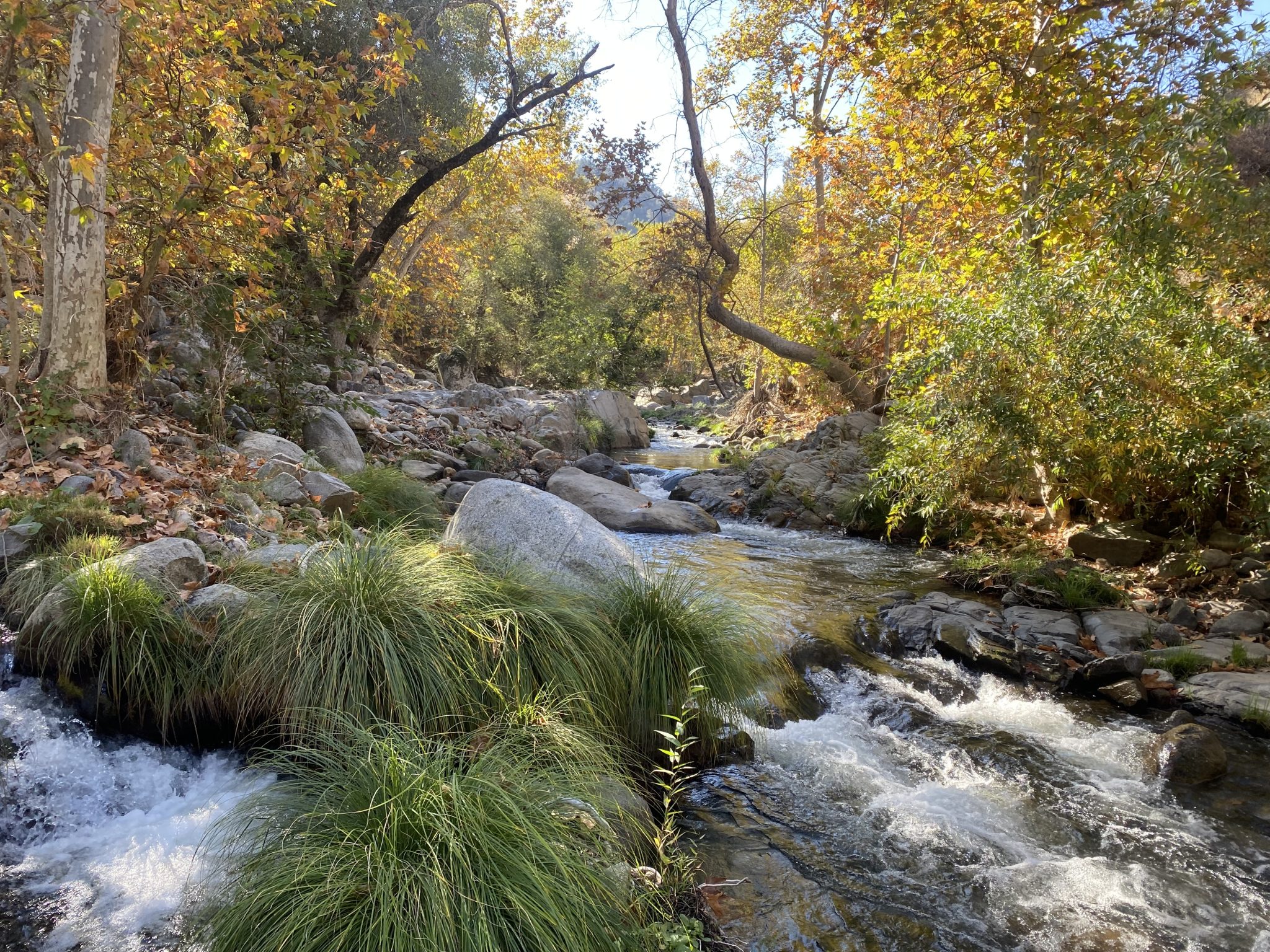
When someone asks, “Where are you from?” The answer is rarely simple. We may think of where we were born, where our family comes from, or where we have chosen to build our lives. What starts as a question about geography becomes a conversation about belonging.
This was my experience at First Nations’ recent Salish Sojourn Donor Tour, visiting community partners throughout the Pacific Northwest. The tour was one of many events hosted throughout the years by First Nations, designed to further engage supporters with our mission and the Native communities we serve. In this blog post, I’m sharing my experience on the tour in gratitude for the hospitality and kindness of the partners we visited and for the supporters who joined us. I’m also writing to capture the beauty and specialness of the tour in hopes it will inspire more people to learn more about these communities and join us in continuing to uplift their important work.
During First Nations’ first shared meal on the Salish Sojourn Donor Tour, conversation flourished around the table. The tour group gathered at the Muckleshoot Community Center of the Muckleshoot Indian Tribe, in Auburn, Washington, to enjoy a meal of traditional foods prepared by our tour guide, Muckleshoot nutritionist and First Nations board member, Valerie Seacrest (Muckleshoot). The Salish Sojourn Donor Tour would bring us to seven communities, with guided tours, activities, storytelling, and meals hosted by community members and facilitators of work being led across Indian Country.
The group comprised a tapestry of lives and experiences, from a new parent to a retired orthodontist, from those born and raised in Washington to those who grew up in South India.
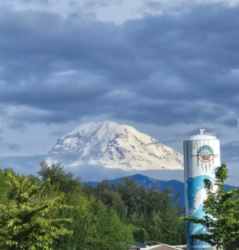
Mt. Tahoma, nearby the Muckleshoot Tribe, which is made up of descendants from the Duwamish and Upper Puyallup people.
As supporters and staff members went around the table, sharing where we came from and what brought us to First Nations, our differences were impossible to miss. And so was what connected us. Behind every person’s story was the same belief: communities deserve the resources and support to care for their people.
The following morning, we convened at Muckleshoot Tribal School, the first example we saw of economic prosperity intentionally invested back into the community. The faculty welcomed us to campus, where the students were abuzz with anticipation for summer. Our breakfast included tea from an Apothecary tended by students and staff.
The school’s curriculum and programming are shaped by a central question posed to tribal members: “What do you wish you had growing up?” The answer has cultivated a learning environment that fosters social, emotional, cognitive and physical development of students through cultural teachings. Groundbreaking programs like Mountain to Sound use nature observation and outdoor activities to build resilience while engaging students to tend to their spirit and community.
Tulalip Tribes: A 30-Year Dream
The Hibulb Cultual Center sits on a forested acreage, featuring a Tulalip Tribe longhouse off the main entrance. When you walk through the doors, you realize you are somewhere deeply significant. As we sat down for dinner with the community members, we listened to the story of the Center and the Tulalip people.
The tribe’s dream to open a cultural and historical center was realized in 2006 after 30 years of intention and work. The community had envisioned a place for cedar-weaving classes, a museum of traditional teachings, a functional center for workshops and classes, and generations of jobs within the local tribal economy. The center now welcomed us as we engaged in conversations about the future. For the Tulalip people, the future is the next generation of tribal leaders, with commitments to ensuring cost is never a barrier to traditional activities like huckleberry picking and snowshoeing, which require special outdoor gear. The Tulalip Youth Camps support the young stewards of the land, creating opportunities for kids to strengthen cultural ties to community and place.
Jamestown S’Klallam Tribe (The Strong People)
The Dungeness River Nature Center is nestled in a thicket of canopy trees, along a riverbed and garden. As we arrived, the morning mist was still falling on the Railroad Bridge behind the center.
The culture department leaders joined us for lunch, sharing the ongoing work within the community. From purchasing the 210 acres that now make up Jamestown to hosting their first salmon ceremony and supporting cultural programs focused on traditional foods and community education, the Jamestown S’Klallam Tribe continues to strengthen connections between culture, land, and people. First Nations has supported this work through investments in the tribe’s Tribal Food Code and food security efforts through the Native Agriculture and Food Systems Investments program, as well as through the Native Youth and Culture Fund for the Ways of the Canoe Youth Development program.
From the Nature Center, we traveled to the House of Myths carving shed, where we got to meet some of the artists behind the tradition. The work is long and detailed; a carving project requires tools, knowledge, and mentorship from those who came before them.
It reminded us that creating a single carving can take months, and sometimes years, much like the patient work of building a strong community.
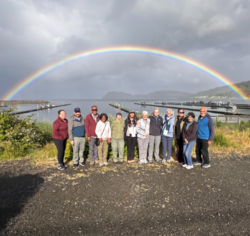
After a long drive along a winding coastal highway, we were greeted with a rainbow when we reached Neah Bay, home to the Makah Tribe. The next morning, we awoke early to enjoy the beach before heading to our next destination. The Makah Cultural and Research Center walked us through the extensive work the tribe has done to preserve their heritage. First Nations’ relationship with Makah began in 1994, (and admittedly before I was even born). Most recently, the Makah Cultural and Research Center received funding through the Native Arts, Language, and Knowledge program. These three decades of partnership are only a fraction of the tribe’s thousands of years stewarding the lands and waters of present-day Neah Bay. On any given day, the community is prioritizing its people through projects informed by the years of that carefully preserved and cultivated knowledge.
After the museum tour we were grateful to have coffee and conversation with the teachers of the robust language program, sustaining 200 students learning ways of leadership and heritage through Native language. Students lead dances and cultural activities such as their Mother’s Day cedar roses project. Through these ongoing opportunities, tribal youth learn about their culture and are entrusted to carry it forward to the next generation.
As the group made our way to the Queets Community Garden, we walked through the neighborhood that cares for the garden, and vice versa. We were guided by the reservation dogs (yes, they are real), who joined us for a meal at the outdoor gathering space. The Quinault Tribe exists within a cultural divide, with influences from both the North and South Salish people. The sovereign nation is one of the largest employers in the Grays Harbor Area. In addition to tending to gardens that feed their people, the community invests in economic sustainability.
With their staff, we enjoyed a meal of fresh produce from their garden and the Coho salmon produced by Quinault Pride Seafood, a company that began over 80 years ago. As I ate one of the best salmon of my life, I realized the Quinault reservation reminded me of my own tribe’s reservation. The recognition I felt was more than just the physical similarities of the gym, garden, and neighborhoods that felt like home; it was the kinship of ensuring bellies were filled and the community was provided for.
We began the second to last day of the trip with the Shoalwater Bay Indian Tribe cultural and land care specialists. Kindred Island is a beautiful and sprawling tidal marsh, home to two exciting projects the community has begun. At the core of both projects is the belief that we are not separate from the ecosystem; we are stewards responsible for tending to the natural world.
The large clearing we gathered in was the site of history being made and restored. The clearing was the success of the tribe’s first cultural burn in 100 years, removing the invasive scotch broom from the landscape. Prescribed burns have been a longstanding environmental mitigation practice of the tribe’s knowledge holders, a practice handed down to the current keepers of the bay.
As we crossed an elk trail leading deeper into the marsh, the team showed us the site of the clam bed restoration project. Much like an heirloom, shellfish foraging sites were handed down for generations within a family. The clam beds are vital to address concerns of flooding and beach erosion. Both restoration projects are supported through First Nations’ Stewarding Native Lands Advancing Tribal Nature-Based Solutions project.
Center for Indigenous Midwifery
We arrived at a well-cared for garden to meet the teachers and staff of Center for Indigenous Midwifery, a community partner through First Nations’ First Foods and Maternal Health project.
The center serves as an apothecary, education hub, and gathering space for intertribal members of King County. During our visit, the Collective shared their recent milestone of the first class of midwives and doulas to graduate from the innovative program, the first of its kind dedicated to traditional Indigenous birth work practices.
Indigenous Creatives Collective
At first glance, the Indigenous Creatives Collective appeared strikingly urban in South Seattle. However, just past the gates, we found ourselves following a path lined with Native art installations and carefully cultivated plant life. Surrounded by the native plants and the tranquility of the creek bed, inspiration felt inevitable. Fortunately, the artists had prepared a collage-making project that invited us to engage our creativity and connect more deeply with the landscape around us.
Returning to the Seattle waterfront felt poignant as we toured the Ocean Pavilion gardens, with the conclusion of our trip on the horizon. After spending time in these landscapes firsthand, I felt a newfound sense of connection as we revisited the gardens designed to honor the history and beauty of the Salish nations.
Across from the waterfront sits Tidelands Native Art Gallery, a Native-owned studio curated by Indigenous storytelling, expression and celebration of culture. Each exhibit, event, and performance showcases a rotation of artists from across Indian Country. We enjoyed a meal with Matika Wilbur (Swinomish and Tulalip), whose photography and Project 562 initiative highlights tribal community members from 562 tribal nations, sharing stories of Native identity.
Before we parted ways, we shared insights from our journey. In every community we visited, care was a way of life. People carried responsibility for their elders, neighbors, youth, the land, and those yet to come. There was a devastating moment when I realized I would be returning to structures that do not always reflect those same values. But sitting around that final table, that grief gave way to gratitude. The trip and all the participants felt like a breath of fresh air at a time when fresh air was not easily found.
We are not alone in this, and the future we want is already being built across Indian Country.
It is a future in which community needs and knowledge shape decisions, and communities have the resources to turn that knowledge into improving the lives of those in it. The work is already underway, and there is an opportunity for all of us to help it grow.
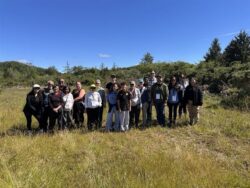
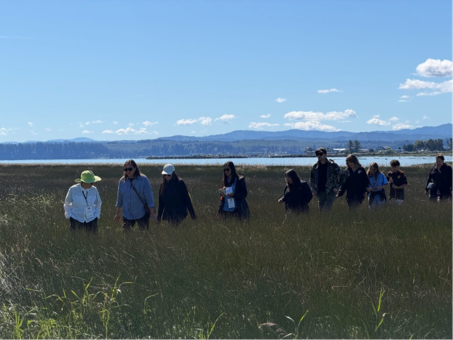
The Salish Sojourn Donor Tour 2026 group at the Shoalwater Bay Indian Tribe cultural burn site.
Caring for Community: Building Belonging
My immense gratitude goes to every community member who helped make this trip possible. Thank you to the aunties and relatives who welcomed us with food and fellowship, creating spaces of connection and belonging. Thank you to the elders, youth, and community members who shared their wisdom and stories with us. I am also deeply grateful to our donors, whose commitment helps sustain this work. (Read more about one of those supporters, Jesse Dekens, in this Donor Spotlight.) It was a privilege to spend this time together, and getting to know each of you was one of the highlights of my year.
The Salish Sojourn was a hopeful reminder that Native communities are strong, resilient, and brilliant. We are grateful to share this journey and look forward to all that lies ahead.
Thank you!
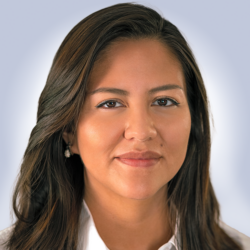 Anaya Echo-Hawk
Development Officer
Confederated Tribes of the Yakama Nation, Pawnee, Paiute and Pit River