
Niłtoli (Toli) Tate
Program Officer, Stewarding Native Lands
Diné
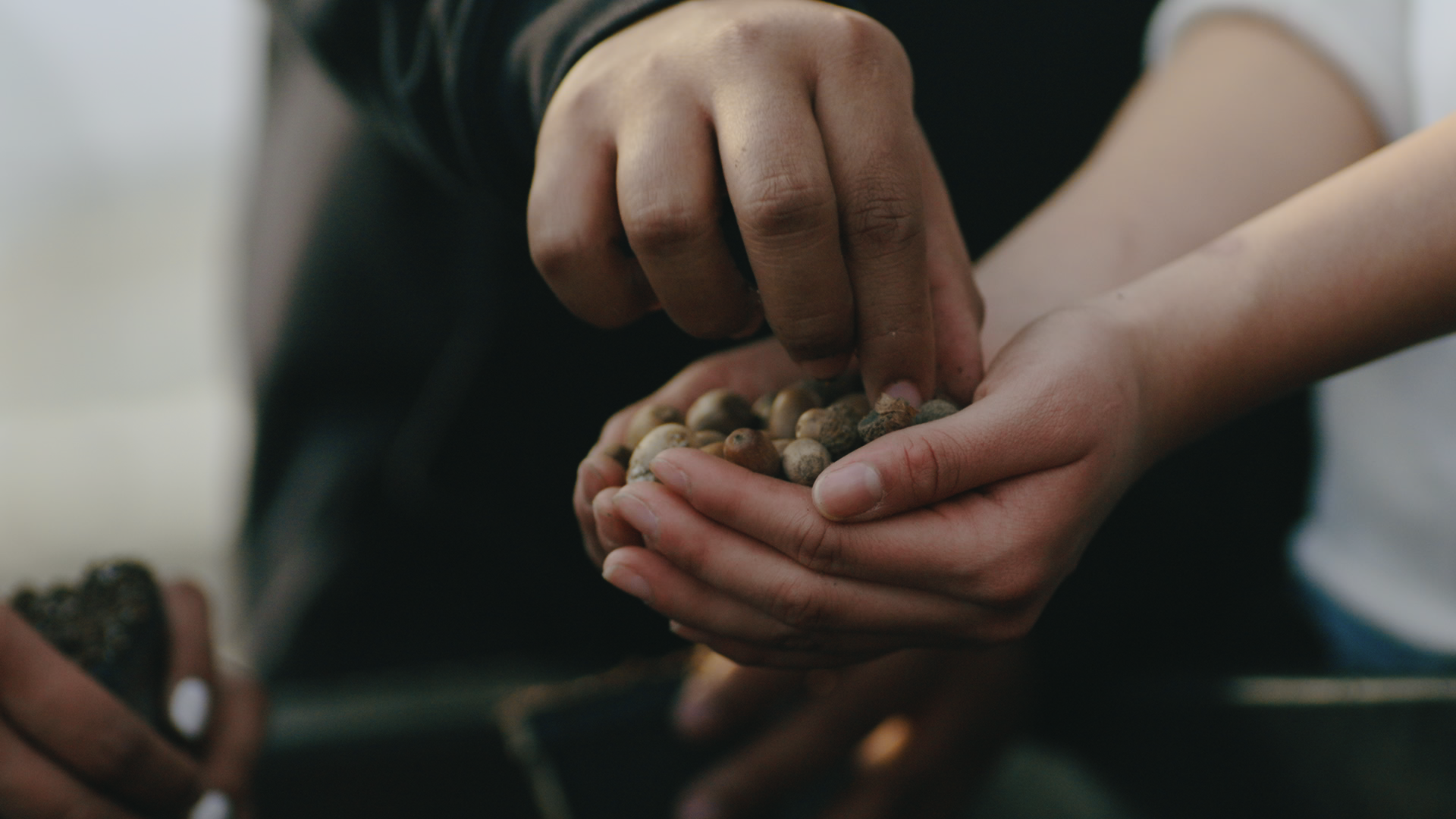
 Since the time of creation, our inherent responsibility to care for Mother Earth has created balance between plant, animal, and human relatives. Our cultural practices, traditions, and languages have been, and continue to be, essential to this caretaking. This vast reservoir of knowledge is handed down to each generation to ensure the protection of Mother Earth.
Native communities need access and opportunities to learn, carry, and transfer traditional knowledge. First Nations’ Community Pathways initiative was created to support intergenerational knowledge transfer so that our lifeways, lands, and future generations can thrive.
Community Pathways is grounded in upholding traditional knowledge and community connections, specifically between culture bearers and youth. Our culture bearers bridge the past to our present, and our youth are our bridge to the future. This initiative creates pathways for both groups to connect and engage in stewardship and knowledge-sharing opportunities.
Support for Community Pathways is made possible thanks to a generous contribution from an anonymous donor through First Nations’ Tribal Lands Conservation Fund.
Community Pathways Highlight
As part of our Indigenous Partnership to Advance Native American Communities and Producers project, First Nations partnered with Waters Media and Santa Ana Pueblo to support the production of the short film “Dillion.” The film tells the story of Dillion Eustance (Pueblo of Santa Ana) who serves as the Pueblo of Santa Ana’s Department of Natural Resources Technician I. His passion and commitment to uplifting traditional knowledge and stewardship practices will have a lasting impact on the livelihoods, health, and wellness of the Santa Ana Pueblo community. The film depicts the heart and intention of First Nations’ Community Pathways Initiative.

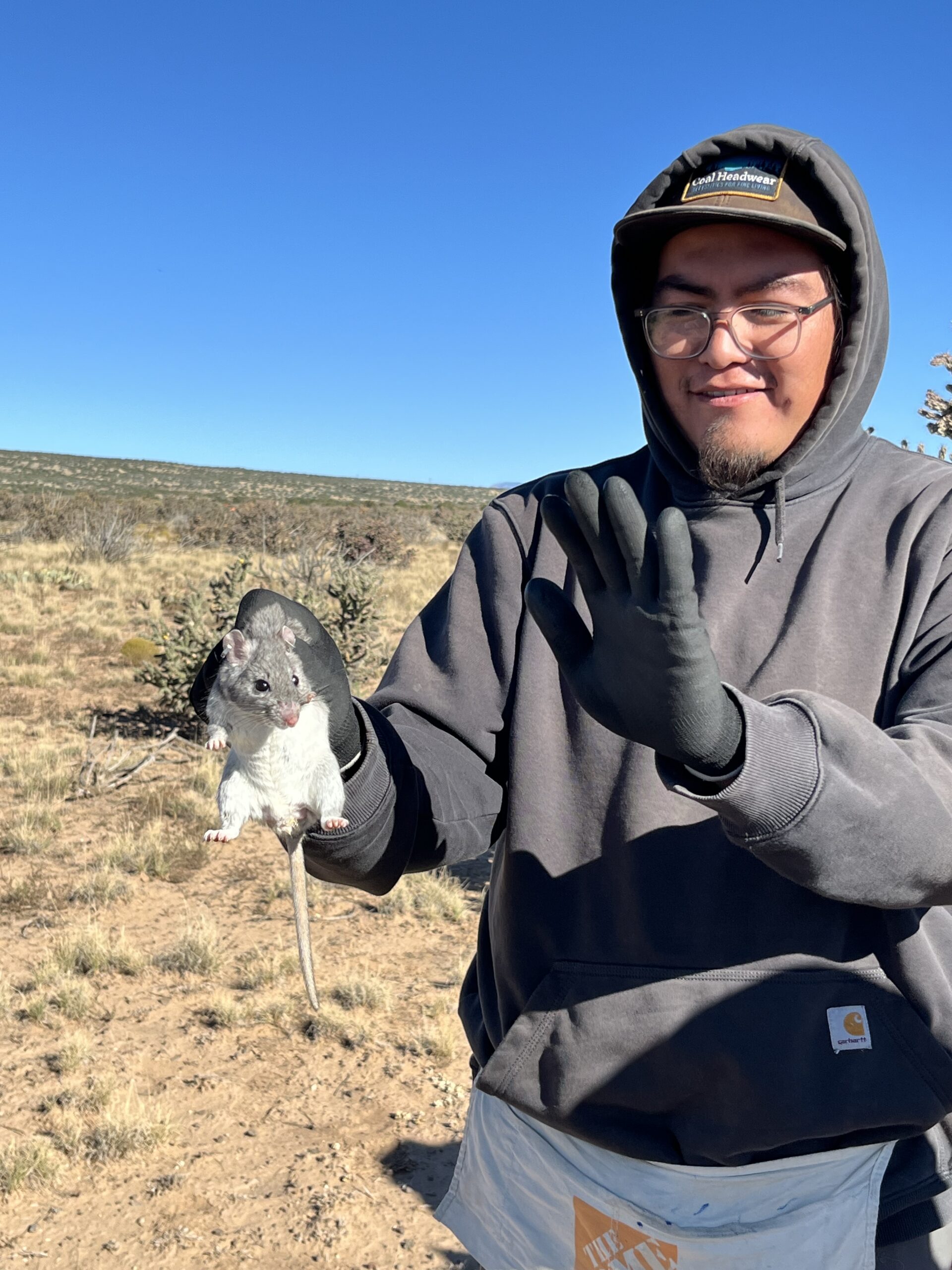
Curiosity, appreciation for nature, and a deep love for the outdoors have led Dillion Eustace to return to his community and work as a wildlife technician for the Pueblo of Santa Ana’s Department of N...
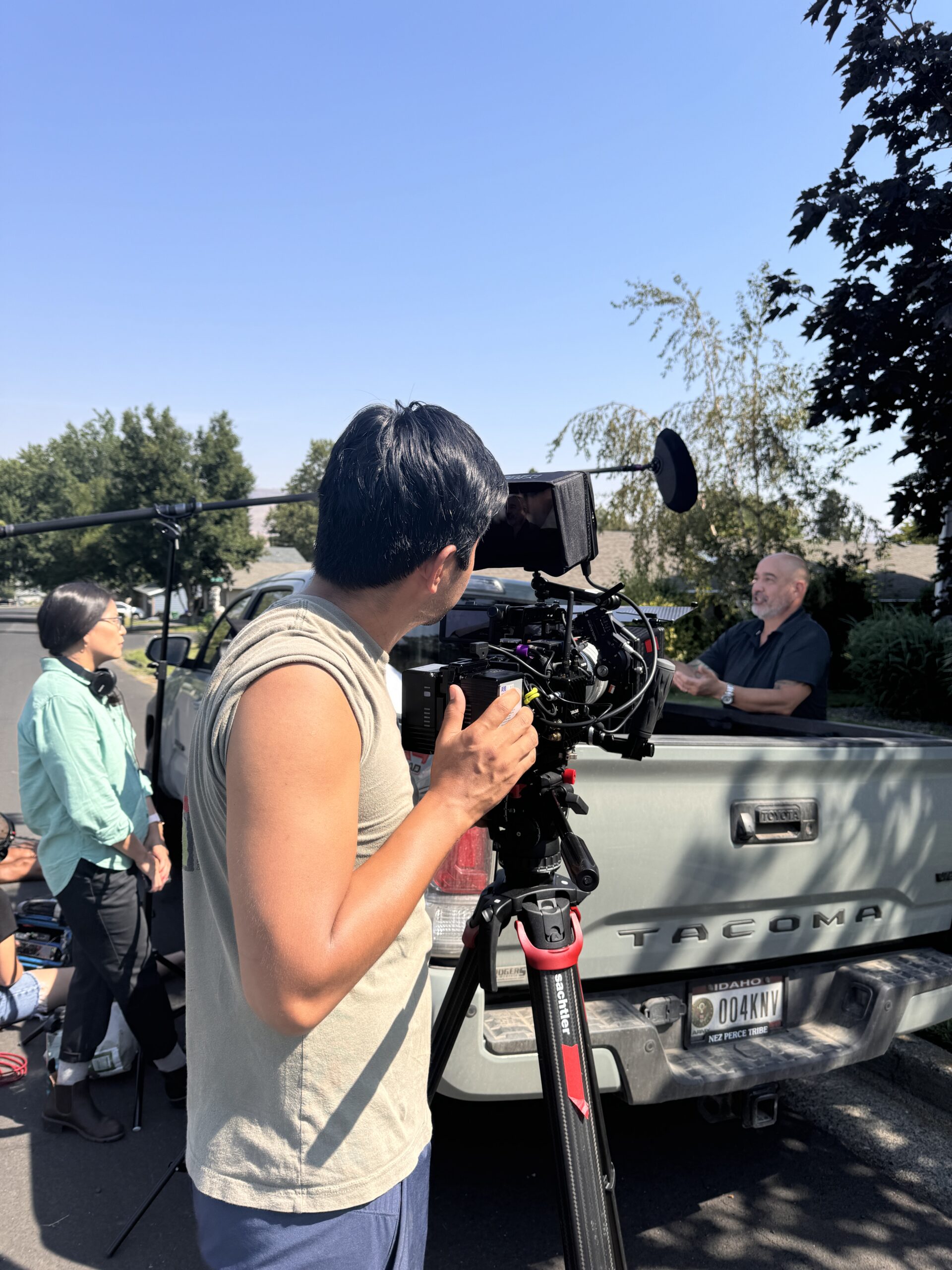
Across the country, Native communities are cultivating traditional knowledge and experience to steward Native resources and lands in ways that are creating long-term benefits for the environment, soci...
This project will create paid workforce opportunities for Alaska Native youth, increase community food security, and leverage traditional Tlingit knowledge with sustainable growing practices to strengthen climate adaptation, develop future leaders, and retain cultural stewardship skills.
The Pāpala Lele Biocultural Internship will cultivate Native Hawaiian youth, high school youth, and college students as the next generation of environmental stewards through place-based learning across the Hāʻena ahupuaʻa, integrating traditional knowledge with accredited academic pathways.
Through this project the Youth Conservation Clubs will empower Indigenous youth to strengthen stewardship through cultural knowledge, place-based conservation activities, and community engagement. The clubs foster commitment to protecting natural resources while honoring relationships with the land.
This project will support wildlife habitat enhancement, environmental outreach to and education for tribal youth, and tribal engagement in wildlife connectivity and corridors.
This project empowers Molokaʻi youth through ʻāina-based education, art, and cultural leadership while strengthening organizational capacity and digital storytelling. It protects ancestral knowledge and ongoing stewardship of ʻāina, kai, as well as community well-being for future generations.
Organized Village of Kake
Our project aims to create sustainable job opportunities for Indigenous youth while fostering climate resilience in our community. By cultivating stewardship practices, we empower young leaders to manage local resources effectively, increase community engagement, and leverage traditional knowledge to address the climate crisis and protect our environment for future generations.
Organized Village of Kake
This project will support a third year of leveraging funding to increase the impact of our shellfish garden program to create and retain jobs that support climate preparedness utilizing education, training, monitoring, and strategic planning.
This project will bolster the youth biocultural internship program with a new curriculum and travel opportunity for twelve interns to connect with other Native Hawaiian-led organizations doing community-led stewardship
Inter-Tribal
This project will address and prepare for the impacts of climate change that greatly affect our region, by increasing our operational capacity, retaining and continuing our sustainable energy initiatives, and supporting food security education in the Bering Strait Region.
This project will support a Junior North American Women's Association Club that is focusing on conservation that is working in collaboration with Elohi Dinigatiyi "Earth Keepers," Elders advisory group.
Inter-Tribal
This project will increase local capacity and restore grassland ecosystem health by leveraging and expanding Tribal Alliance for Pollinators (TAP) native plant restoration program and the TAP prescribed burn association, which will prevent erosion, improve soil health, and reduce wildfire risk, and also provide an opportunity for youth conservation training.
Project Purpose The project will create and retain cultural specific events for youth to learn the Hualapai language and culture and provide them with skills to incorporate and continue to practice in their daily lives.
Menominee Indian Tribe of Wisconsin
Restoring Buffalo to the land, enhances biodiversity. As a keystone species, Buffalo positively influence ecosystems. Educating future leaders on their ecological significance fosters a symbiotic relationship with nature. Leveraging this relationship, alongside controlled fire practices, harmonizes land stewardship and ecological conservation for the benefit of the Earth.
Inter-Tribal
Project Purpose The project will strengthen, build and sustain education / outreach programs through obtaining needed equipment/supplies, increasing student participation and applications, developing operations plans, increasing organizational visibility, piloting a mentorship program, assisting Tribal Hunter Ed programs and completing evaluations.
Rosebud Sioux Tribe of the Rosebud Indian Reservation, South Dakota
This project will help create a family friendly a safe atmosphere at Ghost Hawk Park where the outdoors and recreational activities can be enjoyed. Providing programming for youth to participate in recreational activities such as camping, swimming, playground, frisbee golf, and a hiking trail will benefit cultural and community health.